
Imagine having a device in your car that stops you from driving drunk before you even start the engine. What if this simple tool could protect your life, your loved ones, and everyone on the road?
If you care about safety and want to avoid the dangers and consequences of drunk driving, this article is for you. Keep reading to discover how a drunk driving device for your car can change the way you drive—and save lives.
How Drunk Driving Devices Work
Drunk driving devices help prevent accidents caused by alcohol-impaired driving. These systems use technology to detect alcohol levels before a car starts. They ensure the driver is sober and alert. This process helps save lives and reduces legal risks for drivers.
Breathalyzer Integration
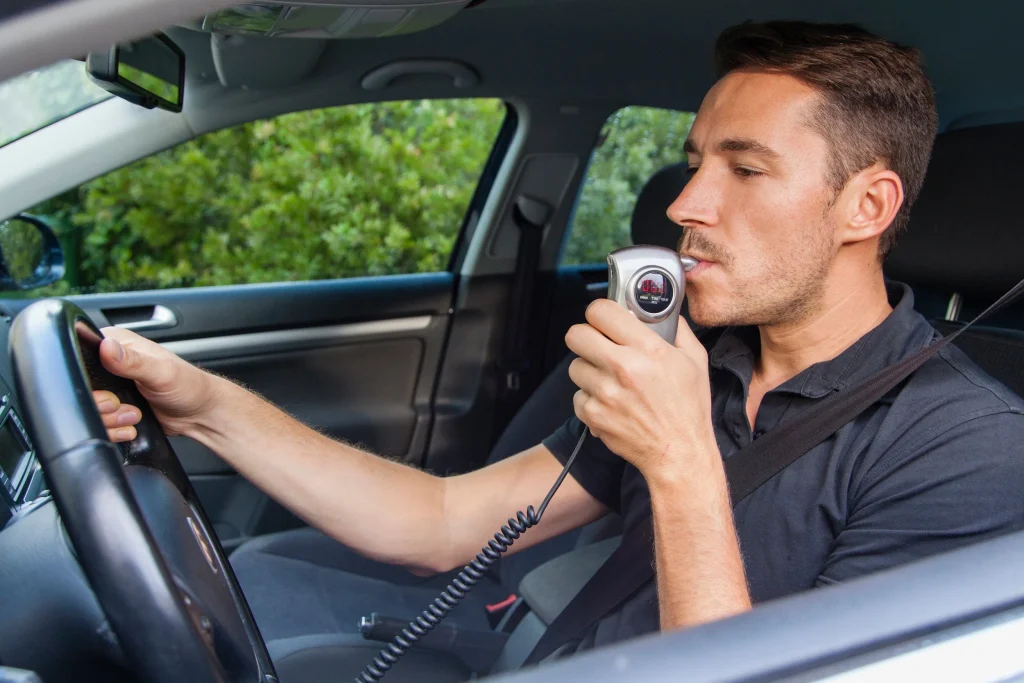
Many drunk driving devices include a built-in breathalyzer. The driver must blow into the device before starting the car. The breathalyzer measures the alcohol content in the breath. If the level is above the legal limit, the car will not start. This simple test helps stop drunk driving at the source.
Engine Interlock Systems
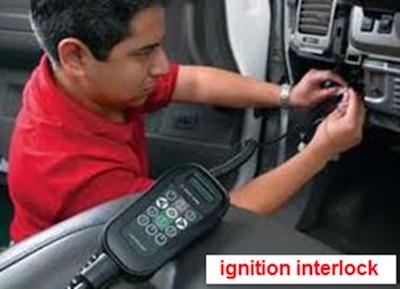
Engine interlock systems connect directly to the car’s ignition. When the breathalyzer test is passed, the system allows the engine to start. If the test fails, the ignition remains locked. This system works as a physical barrier against drunk driving. It is often used for drivers with DUI convictions.
Real-time Monitoring
Some devices offer real-time monitoring of alcohol levels. They can send data to a monitoring center or app. This feature helps track driver behavior over time. Alerts can notify authorities or family members if alcohol is detected. Real-time monitoring adds an extra layer of safety and accountability.
Types Of Drunk Driving Devices
Drunk driving devices help prevent accidents caused by impaired driving. These tools vary in design and use. Each type offers unique features for safety and convenience.
Portable Breathalyzers
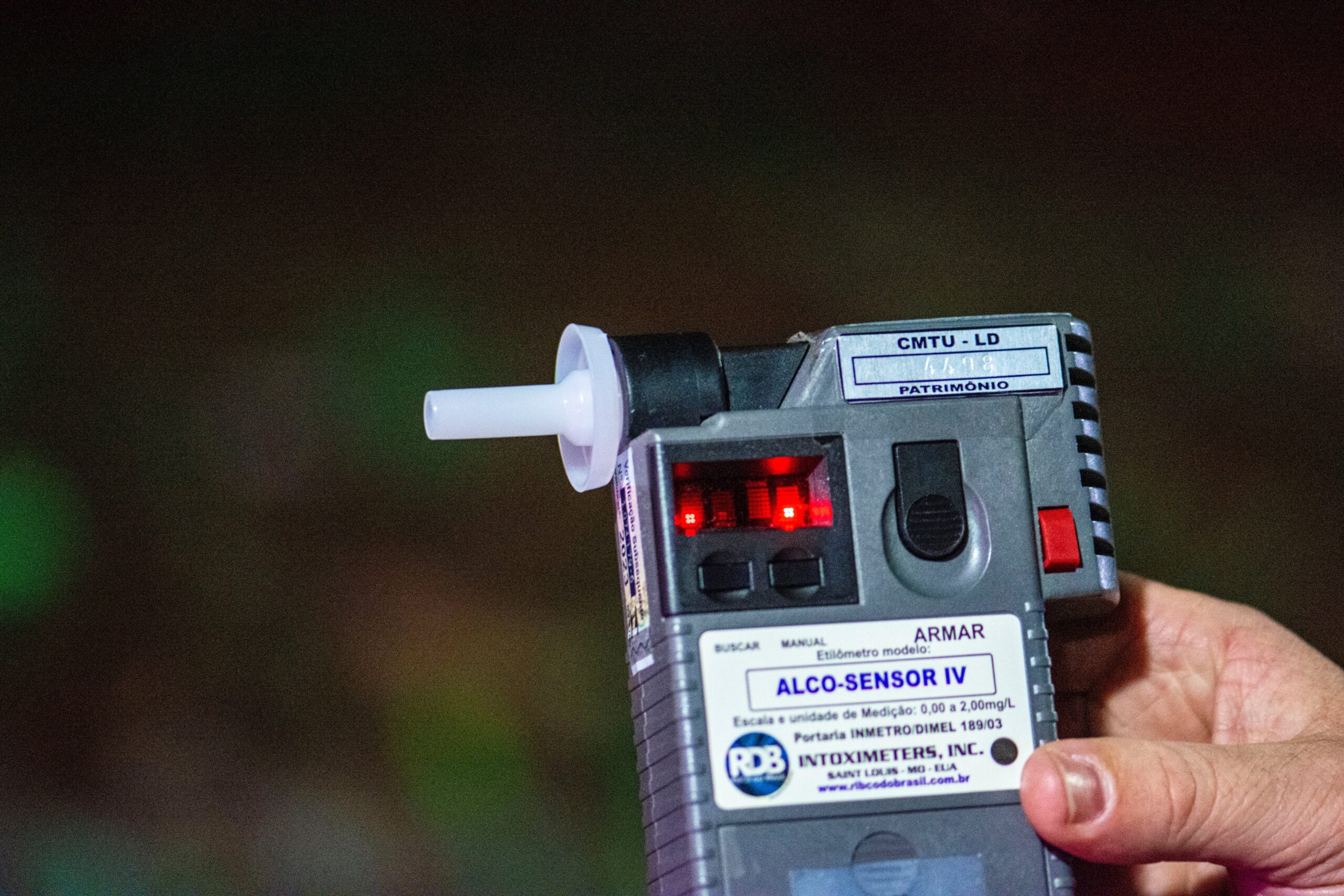
Portable breathalyzers are small, handheld devices. They measure blood alcohol content (BAC) through a breath test. Users blow into the device, which shows the alcohol level instantly. These devices are affordable and easy to carry. Drivers can check their sobriety before driving.
Built-in Car Sensors
Built-in car sensors integrate directly into the vehicle. They monitor the driver’s alcohol level automatically. Some systems require a breath test before the engine starts. The car will not start if the BAC is too high. These sensors provide reliable prevention for drunk driving.
Mobile App Solutions
Mobile app solutions use smartphones to detect alcohol levels. They work with external breathalyzer devices or use sensors in the phone. Apps can track drinking habits and send alerts. Some apps connect to the car to limit driving if alcohol is detected. These apps offer convenience and easy access.
Benefits Of Drunk Driving Devices
Drunk driving devices help prevent accidents by detecting alcohol before you start driving. They promote safer roads and protect lives effectively.
Drunk driving devices have emerged as a powerful tool in enhancing road safety and promoting responsible driving. These devices, often integrated into vehicles, provide numerous benefits that extend beyond just preventing accidents. By offering technological solutions, they not only safeguard drivers and passengers but also bring about positive changes in legal and insurance spheres. Let’s delve into how these devices contribute to safer roads and encourage mindful driving habits.Reducing Accident Rates
Drunk driving devices are instrumental in lowering accident rates. They help prevent intoxicated individuals from getting behind the wheel, which significantly reduces the risk of accidents. Imagine the peace of mind knowing that your loved ones are safer on the roads because impaired driving is being actively deterred. These devices act as a barrier, ensuring that drivers are sober before the vehicle can be operated. This proactive measure not only protects the driver but also other road users from potential harm. Have you ever wondered how many lives could be saved if every car had such a device installed?Legal And Insurance Advantages
Installing a drunk driving device can also offer legal and insurance benefits. From a legal standpoint, using these devices demonstrates a commitment to responsible driving, which can be favorable in the eyes of the law. This proactive approach might even reduce penalties if an incident occurs. On the insurance front, many companies offer discounts to drivers who have installed these devices. This can lead to significant savings on your premium, making it a financially savvy choice. Wouldn’t you love to see lower insurance bills while knowing you’re contributing to safer roads?Promoting Responsible Driving
Drunk driving devices serve as a constant reminder to practice responsible driving. By requiring drivers to pass a sobriety test before starting the car, these devices instill a sense of accountability. They encourage drivers to think twice before consuming alcohol if they plan to drive. This shift in mindset is crucial for fostering a culture of safety and responsibility on the roads. Imagine the ripple effect of this awareness spreading among drivers—could it lead to a society where drunk driving is a rarity rather than a common occurrence? The potential for positive change is immense.Challenges And Limitations
Drunk driving devices for cars offer a promising way to prevent accidents and save lives. However, these systems face several challenges that can affect their effectiveness and user acceptance. Understanding these limitations can help you make a more informed decision about using such technology in your vehicle.
Accuracy Issues
One major challenge is the accuracy of these devices. Sensors sometimes fail to detect alcohol levels correctly, leading to false positives or negatives. You might find yourself frustrated if the device blocks your car even when you’re sober or allows you to drive despite elevated alcohol levels.
Environmental factors, like temperature or humidity, can also interfere with sensor readings. This raises the question: can you rely fully on these devices, or should they be just one part of a broader safety strategy?
User Compliance
Even the best devices can’t prevent drunk driving if users don’t cooperate. Some drivers may try to bypass or tamper with the system, which defeats its purpose. Encouraging compliance means designing devices that are hard to trick but easy to use.
Think about how often you’ve ignored safety warnings in your daily life. Would you trust and consistently use a drunk driving device, or could inconvenience lead you to avoid it?
Cost And Installation
Cost is a significant barrier for many people considering these devices. High prices may discourage widespread adoption, especially if installation requires professional help. You might hesitate to invest in a system that adds unexpected expenses to your vehicle.
Installation can also be tricky, requiring modifications that may void warranties or affect vehicle performance. How much are you willing to spend upfront to enhance safety, and is there a more affordable alternative that still works well?
Latest Innovations In Safety Tech
Safety technology in vehicles has taken huge leaps forward, especially in preventing drunk driving. New devices now go beyond simple breathalyzers, using smart tech to keep roads safer. These innovations help you stay aware and stop dangerous situations before they start.
Ai And Machine Learning Integration
AI-powered systems analyze driving behavior in real-time, spotting signs of impairment early. These systems learn your typical driving patterns and detect anomalies that may indicate alcohol influence.
Imagine your car alerting you or even limiting speed if it senses you’re not driving safely. This proactive approach can prevent accidents before you even realize there’s a problem.
Biometric Sensors
Biometric sensors measure physical signs like heart rate and skin temperature to detect alcohol consumption. These sensors are often built into the steering wheel or seat, providing continuous monitoring without extra effort.
Have you ever thought about how your body’s signals could protect you? This tech adds a layer of safety by using your body’s own responses to flag potential risks.
Vehicle-to-infrastructure Communication
Cars now communicate with traffic lights, road signs, and emergency services to enhance safety. If a car detects impaired driving, it can alert nearby infrastructure to trigger warnings or even change traffic signals.
This networked approach means your car isn’t working alone—it’s part of a smarter system aimed at reducing crashes and keeping everyone safe.

Credit: www.rac.co.uk
Choosing The Right Device
Choosing the right drunk driving device for your car is important for safety and convenience. The device must work well with your vehicle. It should be easy to use daily. The cost should also fit your budget. Each factor affects how well the device protects you and others.
Compatibility With Vehicle Models
Not all devices fit every car. Some devices need specific wiring or space. Check if the device works with your car model. Look for devices that support your make and year. This avoids installation problems and extra costs.
Ease Of Use
The device should be simple to operate. It must not distract you while driving. Choose devices with clear instructions and easy controls. Some have touch screens or voice commands. Others use simple buttons. Pick what feels right for you.
Budget Considerations
Prices vary widely for drunk driving devices. Some are affordable with basic features. Others cost more but offer extras like alerts or data tracking. Decide how much you want to spend. Balance cost with the safety features you need.
Future Of Drunk Driving Prevention
The future of drunk driving prevention is shaping up to be more proactive and technology-driven than ever before. As you think about your own safety and that of others on the road, consider how evolving laws, awareness efforts, and new devices might change the way we handle impaired driving. What if your car could stop you from driving drunk before you even get behind the wheel?
Legislation Trends
Governments worldwide are tightening laws to combat drunk driving. Many places now require ignition interlock devices for offenders, which prevent a car from starting if alcohol is detected on the driver’s breath. Expect these requirements to expand, possibly including first-time offenders or even all drivers in the future.
Some regions are proposing mandatory installation of drunk driving devices in all new vehicles. This shift could make prevention a standard feature rather than a punishment. How would you feel knowing your car won’t start if you’ve been drinking?
Public Awareness Campaigns
Awareness campaigns have long targeted drunk driving, but they are becoming more personalized and interactive. Campaigns now use social media challenges, virtual reality experiences, and real stories from victims and offenders to make the message stick.
These efforts don’t just ask you to avoid drunk driving—they encourage you to take active steps, like using rideshares or designated drivers. Imagine a campaign that helps you plan your night out safely before you even leave home. Would that change your habits?
Emerging Technologies
Technology is at the heart of future drunk driving prevention. Beyond breathalyzer ignition locks, new devices can analyze your blood alcohol level through sensors embedded in the steering wheel or seatbelt. This means your car could continuously monitor your sobriety without extra effort from you.
Artificial intelligence and machine learning are also being used to detect erratic driving patterns that suggest impairment. If your vehicle senses a problem, it could alert you or even take control to prevent an accident. Would you trust your car to make that call?
Credit: www.mississippi-lawyers.com
Credit: www.omegalaw.com
Frequently Asked Questions
What Is A Drunk Driving Device For Cars?
A drunk driving device prevents a car from starting if alcohol is detected. It ensures safety by blocking ignition when the driver’s breath contains alcohol above a set limit. This device helps reduce drunk driving accidents and promotes responsible driving behavior.
How Does A Drunk Driving Device Work In Cars?
The device uses a breathalyzer sensor to analyze the driver’s breath. If alcohol levels exceed the legal limit, it disables the engine start. Some models also send alerts to authorities or vehicle owners for added safety and accountability.
Are Drunk Driving Devices Mandatory In All Cars?
Drunk driving devices are mandatory in some regions for offenders or commercial vehicles. However, they are not universally required in all cars. Laws vary by country and state, so check local regulations to see if installation is compulsory.
Can Drunk Driving Devices Be Installed In Any Car?
Most drunk driving devices can be installed in various car models. Professional installation is recommended for proper calibration and integration with the vehicle’s ignition system. Compatibility may depend on the vehicle’s make, model, and year.
Conclusion
Drunk driving devices help keep roads safer for everyone. They stop drivers from starting cars while drunk. This simple step can prevent many accidents and save lives. Installing such devices shows responsibility and care. Every driver should think about using them.
Safety on the road is a shared job. Small actions make a big difference. Choose to protect yourself and others today.