
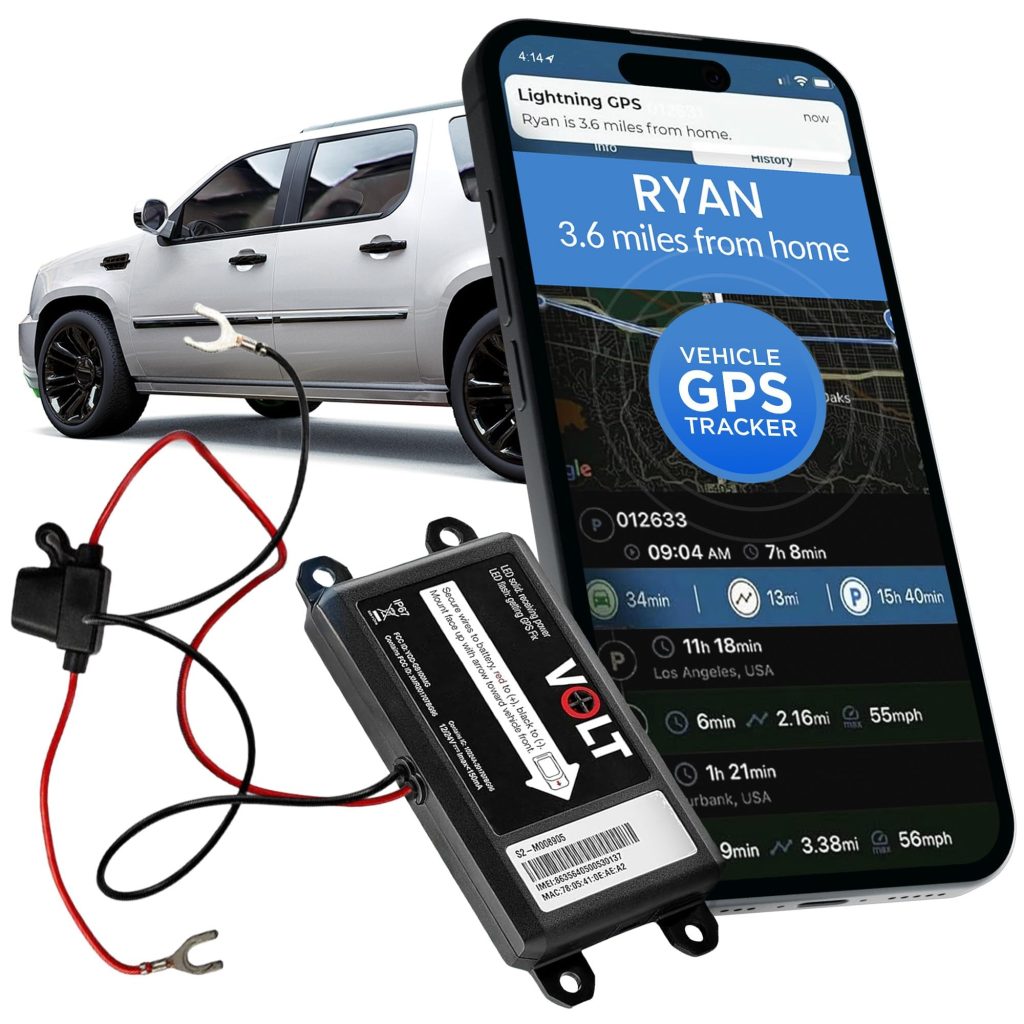
Have you ever wondered what car tracking devices actually look like? If you’re thinking about protecting your vehicle or keeping tabs on your loved ones’ drives, knowing what these devices look like is the first step.
They aren’t bulky gadgets that scream “tracker”—in fact, many are small, discreet, and easy to hide. By the end of this article, you’ll be able to spot these devices, understand how they fit into your car, and decide which one suits your needs best.
Keep reading to uncover the surprising truth about car tracking devices and how they can give you peace of mind.
Common Car Tracker Designs
Car tracking devices come in various shapes and sizes, designed to fit different needs and installation preferences. Understanding the common designs can help you pick the right tracker that blends well with your vehicle and meets your monitoring goals. Let’s look at the typical models you might encounter and how they work in everyday situations.
Compact And Discreet Models
These trackers are small and easy to hide, often no bigger than a matchbox. You can tuck them under seats, inside glove compartments, or within door panels without drawing attention. Their size makes them perfect for personal use or fleet monitoring where stealth is important.
Have you ever wondered how a tiny device could provide real-time location updates? These compact models usually operate on batteries and connect via cellular networks, giving you access to your car’s whereabouts on your phone.
Magnetic Trackers
Magnetic trackers come with strong magnets that stick securely to metal surfaces on your vehicle’s exterior. This design allows quick installation and removal without tools, making it a favorite for temporary tracking needs. You can place them under the chassis or on the frame, hidden from plain sight.
Imagine needing to track a rental car or a borrowed vehicle discreetly—magnetic trackers offer a practical solution. Their weather-resistant casing ensures they keep working through rain or dust, providing reliable tracking no matter the conditions.
Obd-ii Port Devices
These devices plug directly into the OBD-II port, which is standard in most cars manufactured after 1996. Installation is simple—just connect it to the port usually found under the dashboard, and it starts working immediately. This type of tracker also gathers vehicle diagnostics like engine health and fuel usage.
Have you checked if your car has an OBD-II port? Using this type of tracker means you won’t need batteries, as it draws power from the vehicle itself. It’s a smart choice for those wanting detailed data alongside location tracking.
Hardwired Trackers
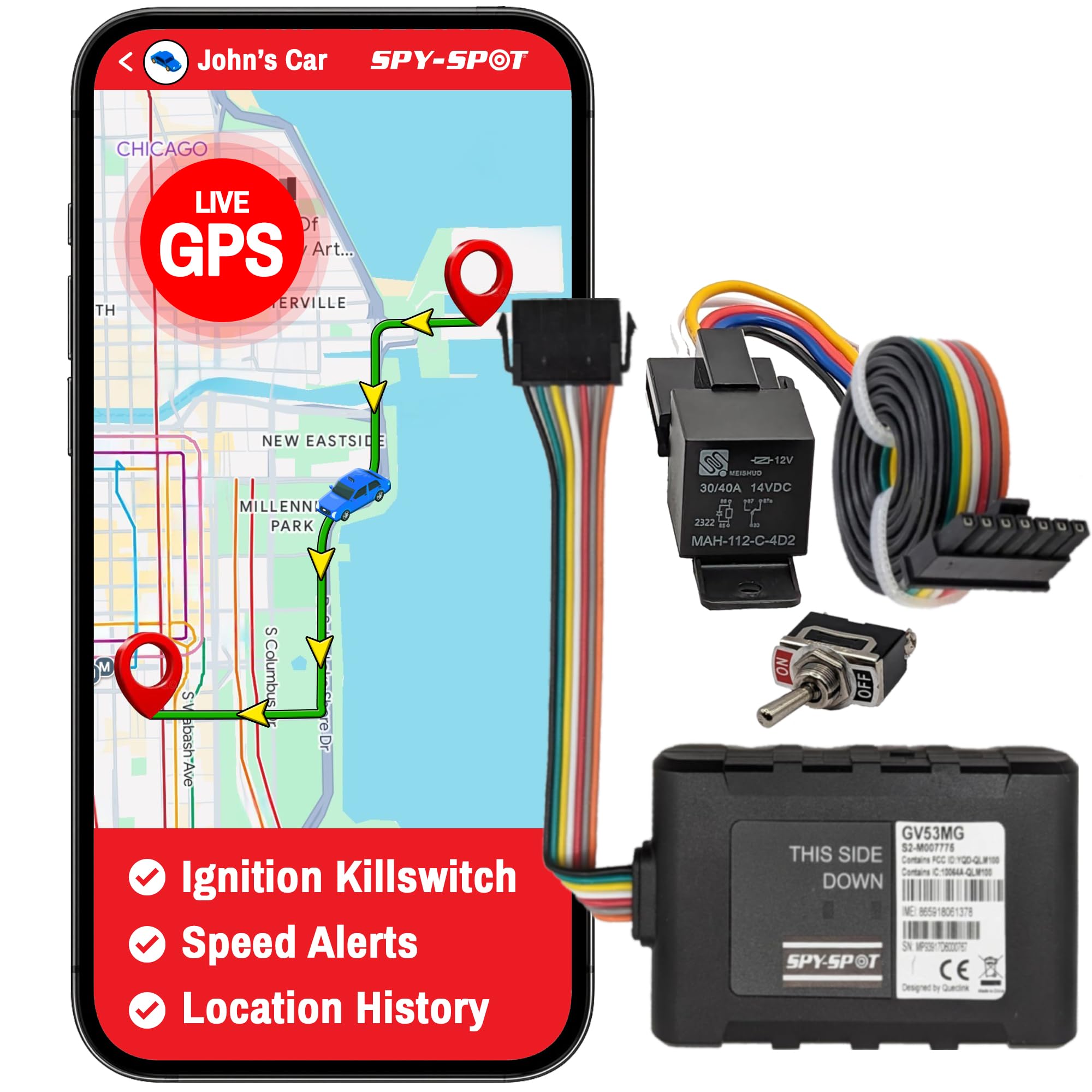
Hardwired trackers require professional installation as they connect directly to your car’s electrical system. This setup ensures continuous power and often supports advanced features like ignition detection and real-time alerts. They are ideal for businesses managing large fleets or for users who want a permanent, tamper-resistant solution.
While installation can be more involved, the reliability of a hardwired tracker is hard to beat. If you value uninterrupted tracking and additional vehicle data, this design might be worth considering. Would you prefer a device you install yourself or one installed by a pro for peace of mind?

Credit: www.amazon.ca
Size And Shape Variations
In the world of car tracking devices, size and shape can vary significantly. Understanding these variations can help you choose the right tracker that fits your needs and lifestyle. From discreet designs that are easy to conceal to more visible options that offer added functionality, the choice can be as unique as your vehicle. What does this mean for you? Let’s dive into the different types available.
Miniature Trackers
Miniature trackers are perfect for those who want a discreet option. These devices are often small enough to hide within the crevices of a car’s interior. Imagine a tracker that can slip under your seat or within your glove compartment. Despite their size, they pack a punch with features like real-time location tracking. Have you ever worried about your car’s security while parked in a secluded area? A miniature tracker might be your solution.
Credit Card Sized Devices
Credit card-sized trackers offer a unique blend of portability and functionality. These slim devices can easily fit into a wallet or be tucked away in a car’s pocket. Their size makes them easy to carry, yet they provide robust tracking capabilities. Think about how handy it would be to have a tracker that fits right into your wallet! It’s an excellent choice for those who value convenience without compromising on performance.
Keychain Style Trackers
Keychain style trackers are all about accessibility. Attach them to your car keys, and you’ll have a tracking device that’s always within reach. These compact devices are ideal for people who often misplace items. Ever spent countless minutes searching for your keys? With a keychain tracker, not only can you find your keys faster, but you can also track your car in real-time. It’s like having a personal assistant that never leaves your side!
Placement Spots In Vehicles
Finding the right spot to place a car tracking device is crucial for both its effectiveness and discreetness. The best locations are usually hidden but still allow the device to get a clear GPS signal and connect to the vehicle’s power source. Let’s look at some common and practical placement spots that professionals and car owners often choose.
Under The Dashboard
Placing a tracker under the dashboard is one of the most popular choices. This area is usually easy to access for installation yet hidden enough to avoid detection.
Many tracking devices draw power directly from the car’s electrical system here, ensuring they stay charged. However, you should check if the exact spot blocks GPS signals, as metal parts can sometimes interfere.
Inside Bumpers
Bumpers provide a clever hiding place, especially on larger vehicles like trucks or SUVs. The plastic or fiberglass material allows GPS signals to pass through easily.
This location keeps the device completely out of sight, but it’s important to secure it well to prevent damage from road debris or moisture. Have you considered how weather conditions might affect your tracker’s performance in this spot?
Under Seats
Under the seats is another discreet option. It’s shielded from casual observation but accessible if you need to check or remove the device.
This spot often offers a stable power connection through nearby wiring. Just make sure the device doesn’t interfere with seat adjustments or cause discomfort while driving.
Within Door Panels
Placing a tracking device inside door panels is less common but highly effective. The panels provide solid protection and keep the device hidden from plain sight.
Since door panels are made of metal, it’s important to ensure the tracker still receives a good GPS signal. Have you thought about how easy it would be to access the device for maintenance in this location?
Credit: www.amazon.ca
Visual Features To Spot
Spotting a car tracking device often comes down to recognizing a few key visual features. These gadgets are designed to be subtle, but certain details can give them away if you know what to look for. Paying attention to these features can help you identify a tracker quickly and understand how it’s connected to the vehicle.
Led Indicators
Many car tracking devices have small LED lights that show their status. These indicators might blink or glow steadily, signaling power or GPS connection. You might find a faint red or green light, often tucked away in corners or behind tinted plastic, making them easy to miss unless you’re looking closely.
Have you ever noticed a tiny blinking light inside your car and wondered what it was? That could be an LED from a tracking device silently doing its job.
Antenna Designs
Antennas on tracking devices are sometimes visible, especially if the device is attached outside or in an accessible area. They can be thin, black rods or flat, rectangular shapes designed to blend in with the car’s interior. Some antennas are flexible wires, while others look like small plates stuck onto glass or plastic surfaces.
Recognizing these antenna designs can be tricky, but spotting something unusual around your car’s dashboard or under the hood might be your clue.
Power Cables And Connectors
Tracking devices need power, so they often connect to the car’s electrical system using cables. These cables might be thin and black or grey, running discreetly along the edges of panels or under seats. Connectors are usually small clips or plugs that hook into the vehicle’s wiring, sometimes near the OBD-II port or fuse box.
If you’re inspecting your car, look for wires that seem out of place or bundled unusually. Could that extra cable be powering a hidden tracker?
Technological Components Inside
Car tracking devices are small but packed with important technology. Inside, several key parts work together to locate your vehicle. These parts help the device communicate your car’s position quickly and accurately. Understanding these components shows how these gadgets keep your vehicle safe.
Gps Modules
The GPS module is the heart of the tracking device. It receives signals from satellites orbiting Earth. This helps the device find the exact location of the car. The GPS module updates the position regularly. This ensures real-time tracking and accurate data.
Cellular Communication Units
This unit sends location data to your phone or computer. It uses cellular networks, much like a mobile phone. It keeps the connection live so you can see the car’s movement anytime. Without this, you wouldn’t get live updates or alerts.
Battery Packs
Battery packs power the tracking device when the car is off. They ensure the device keeps working without external power. Many batteries are rechargeable and long-lasting. This makes sure the tracking device never loses power unexpectedly.

Credit: www.amazon.ca
Common Myths About Trackers
Many people hesitate to use car tracking devices because of common myths that cloud their understanding. These misconceptions can make you doubt the effectiveness or practicality of trackers. Let’s clear up some of these myths and help you see what tracking devices really look like and how they function.
Trackers Are Always Visible
One common myth is that car trackers are bulky and easy to spot. In reality, many trackers are small and designed to be hidden. You can find models that look like ordinary car parts or blend into the vehicle’s interior seamlessly.
Think about this: if a tracker were obvious, wouldn’t it be easy for someone to remove or disable it? That’s why manufacturers focus on stealth. Some devices are as small as a matchbox and can be placed under the dashboard, inside bumpers, or even within the engine compartment.
All Trackers Require Power Connection
Not all trackers need to be wired directly into your car’s power supply. While some models do connect to the battery for constant power, many come with built-in rechargeable batteries. These can last weeks or even months on a single charge, depending on usage.
This flexibility means you don’t have to worry about complicated installations or draining your car’s battery. Have you considered a tracker that you can move between vehicles or place temporarily? Battery-powered options open up more possibilities than you might expect.
Frequently Asked Questions
What Do Car Tracking Devices Typically Look Like?
Car tracking devices are usually small, compact boxes. They often resemble a GPS unit or a black plastic case. Many are designed to be discreet and can be easily hidden inside a vehicle.
Where Are Car Tracking Devices Usually Installed?
These devices are commonly installed under the dashboard, inside the glove compartment, or beneath the car seats. Some are attached magnetically to the vehicle’s chassis or engine bay for easy access and concealment.
Can Car Tracking Devices Be Easily Spotted?
Most modern car tracking devices are designed to be discreet and hard to notice. Their small size and neutral appearance make them blend in well with vehicle parts, minimizing the chance of detection by an untrained eye.
Do Car Tracking Devices Have Visible Antennas?
Some devices have small built-in antennas, while others use internal ones. Visible antennas are rare as most manufacturers aim for a compact, sleek design that doesn’t draw attention.
Conclusion
Car tracking devices come in many small, simple designs. Most are easy to hide inside or under a car. They usually look like a small box or a thin stick. Some devices even blend with car parts. This helps keep your vehicle safe without drawing attention.
Knowing what these devices look like helps you choose the right one. It also makes it easier to spot if someone installs one without your knowledge. Simple shapes and sizes make car trackers practical and effective. Keep this in mind when thinking about car security options.