
Have you ever wondered if simply driving your car is enough to keep your battery charged? You might think that as long as your engine is running, your battery is getting all the power it needs.
But is that really true? Understanding how your car’s battery charges while you drive can save you from unexpected breakdowns and costly repairs. Keep reading to discover the truth about your car battery and how driving affects its life. This knowledge could change the way you think about your daily drive.
How Car Batteries Work
Understanding how car batteries work is key to knowing if driving your car actually charges the battery. Your car battery is not just a power source; it’s a complex component that interacts with other parts of your vehicle. Knowing what happens inside can help you maintain your battery’s health and avoid unexpected breakdowns.
Basics Of Car Battery Function
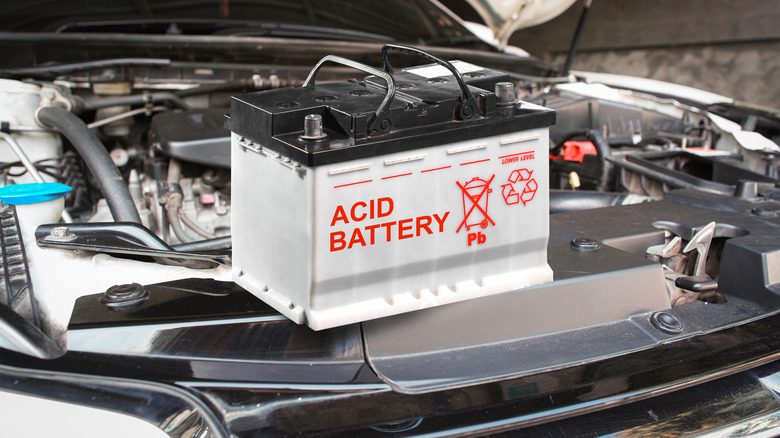
Your car battery stores electrical energy needed to start the engine and power accessories when the engine is off.
It works like a rechargeable battery, using chemical reactions to produce electricity.
However, the battery’s charge doesn’t last forever and decreases every time you start your car or use electrical components.
- When you turn the key, the battery sends power to the starter motor.
- It also supplies electricity to lights, radio, and other electronics when the engine isn’t running.
- Once the engine starts, the battery’s role shifts from powering to maintaining the electrical system.
Role Of The Alternator
The alternator is the car’s main charging system and works closely with the battery.
While driving, the alternator generates electrical power by converting mechanical energy from the engine.
This power recharges the battery and runs all electrical systems in the car.
- If the alternator is faulty, the battery won’t recharge properly, leading to a dead battery.
- The alternator also keeps the battery at optimal charge levels to avoid overcharging or deep discharge.
Have you ever wondered why your battery dies quickly if you only take short trips? It’s because the alternator doesn’t have enough time to fully recharge the battery during brief drives. This shows why understanding the battery and alternator’s roles can save you from inconvenient surprises on the road.
Credit: www.jalopnik.com
Does Driving Charge The Battery?
Many car owners wonder if driving actually charges the battery. Understanding this helps keep your vehicle reliable and avoids unexpected breakdowns. A car battery powers the engine and electrical parts when the engine is off. But what happens when you start the engine and drive?
Battery Charging While Engine Runs
The car’s alternator charges the battery while the engine runs. It converts mechanical energy into electrical energy. This energy powers the car’s systems and recharges the battery.
The alternator produces electricity continuously when the engine is on. It keeps the battery charged enough to start the car next time. Without it, the battery would drain quickly.
Impact Of Driving Duration
Short drives may not charge the battery fully. The alternator needs time to replenish the battery’s power. Long drives allow the battery to regain a full charge.
Frequent short trips can drain the battery over time. The engine might not run long enough for a full charge. This can lead to battery problems and starting issues.
Driving longer helps maintain battery health and ensures enough charge. It supports the alternator in balancing power use and recharge.
Factors Affecting Battery Charging
Charging your car’s battery while driving depends on several important factors. Understanding these can help you know why your battery might not be charging properly despite spending time on the road. Let’s look closely at what really affects battery charging during your drive.
Battery Age And Condition
Your battery’s age plays a huge role in its ability to hold and accept charge. Older batteries naturally lose capacity and can struggle to recharge fully, even if the alternator works perfectly.
If your battery has visible corrosion, leaks, or swelling, it’s a clear sign that its condition is poor. Have you noticed your car struggling to start after short drives? This could mean your battery is worn out and needs replacement.
Alternator Health
The alternator is the main component that charges your battery while driving. If the alternator is faulty or underperforming, your battery won’t get enough charge, no matter how long you drive.
Listen for unusual noises or check if your dashboard warning light is on. These signs often point to alternator issues. It’s worth testing the alternator’s output voltage regularly to ensure it’s within the right range.
Electrical Load In The Car
The amount of electrical power your car uses affects battery charging. Running many electrical accessories like headlights, air conditioning, or the stereo puts extra load on the alternator.
If the load exceeds what the alternator can supply, the battery will drain instead of charging. Have you ever noticed your battery warning light flicker when using several devices at once? That’s a clue your electrical load is too high during driving.
Credit: coltura.org
Common Battery Issues On The Road
Car batteries often face issues while on the road. These problems can cause sudden breakdowns and leave drivers stranded. Understanding common battery issues helps in quick diagnosis and action. It also aids in maintaining the battery for longer life.
Symptoms Of A Failing Battery
- Slow engine crank when starting the car
- Dim headlights or interior lights
- Warning light on the dashboard
- Electrical accessories not working properly
- Battery case swelling or leaking
These signs indicate the battery is losing its charge or strength. Ignoring them can lead to complete battery failure.
When The Battery Won’t Charge
A car battery may not charge due to several reasons. A faulty alternator is a common cause. It fails to provide enough power to recharge the battery.
Loose or corroded battery cables can interrupt the charging process. Cold weather also reduces battery efficiency. Sometimes, the battery itself is too old or damaged to hold a charge.
Regular checks can catch these issues early and keep the battery healthy.
Tips To Maintain A Healthy Battery
Maintaining a healthy car battery ensures your vehicle runs smoothly. A well-kept battery reduces the risk of unexpected breakdowns. Here are some practical tips to keep your battery in top shape.
Regular Battery Checks
Check your battery’s condition every few months. Look for signs of corrosion on the terminals. Clean them if needed to ensure a good connection. Use a battery tester to check the voltage. A fully charged battery should read around 12.6 volts or more. If the voltage is lower, consider charging it or get it checked by a professional.
Avoiding Short Trips
Frequent short trips prevent the battery from fully charging. It takes time for the alternator to recharge the battery. Plan your trips to include longer drives when possible. This helps the battery maintain a full charge. If you mostly drive short distances, consider using a battery maintainer.
Proper Use Of Electrical Accessories
Use electrical accessories wisely to conserve battery power. Turn off lights, radio, and air conditioning when not needed. Avoid using them when the engine is off. This prevents unnecessary battery drain. Ensure that all lights are off when you leave the car. This includes interior lights, which can drain the battery overnight.
Alternator Vs Battery: Who Does What?
Understanding the roles of the alternator and battery in your car can clear up a lot of confusion about how your vehicle’s electrical system works. Many people wonder if driving the car actually charges the battery, and the answer lies in how these two components interact. Let’s break down what each does and why both are essential for keeping your car running smoothly.
Power Generation And Storage
The alternator acts as the power generator while the engine runs. It converts mechanical energy from the engine into electrical energy. This electricity powers your car’s systems and charges the battery at the same time.
The battery stores electrical energy, but it doesn’t generate power on its own. It provides the energy needed to start the engine and powers the car’s electrical components when the engine is off. Once the engine is running, the alternator takes over to keep everything powered and recharge the battery.
Think of the battery as the energy bank and the alternator as the ATM that refills it while you drive. Without the alternator, the battery would drain quickly, leaving you stranded.
Signs Of Alternator Problems
How can you tell if your alternator is failing? Pay attention to these warning signs:
- Dimming headlights:Lights may flicker or get dimmer while driving, especially when using other electrical accessories.
- Battery warning light:A warning icon on your dashboard often indicates alternator issues.
- Electrical failures:Power windows, radio, or dashboard lights may act erratically.
- Dead battery:If your battery keeps dying despite being relatively new, the alternator might not be charging it properly.
If you notice any of these signs, don’t ignore them. Your alternator is crucial for maintaining your car’s electrical health. Have you ever experienced your car’s lights dimming while driving? That’s a classic hint that your alternator may need attention.
Credit: www.hcrmotorsgroup.com
Frequently Asked Questions
Does Driving A Car Recharge Its Battery?
Yes, driving a car charges the battery through the alternator. The alternator converts engine power into electricity, replenishing the battery while driving.
How Long Should I Drive To Charge The Battery?
Driving for at least 20-30 minutes helps the alternator recharge the battery effectively. Longer drives improve battery health and performance.
Can Short Drives Damage My Car Battery?
Yes, frequent short trips prevent full battery charging. This can reduce battery lifespan and cause starting issues over time.
What Role Does The Alternator Play In Charging?
The alternator generates electrical power while the engine runs. It supplies energy to the battery and car’s electrical components.
Conclusion
Driving a car does help charge the battery while the engine runs. The alternator creates power to recharge the battery continuously. Short drives may not fully charge a weak battery. Long, steady drives work best for battery health. Regular checks keep your battery in good shape.
Don’t wait for problems to appear. Keep your battery charged for smooth, reliable starts every day. Simple steps can prevent battery failure and car trouble. Stay aware and maintain your battery for worry-free driving.