
Are you getting ready for your driving test and wondering if the DMV will provide a car for you to use? This question pops up for many first-time drivers.
Knowing the answer can save you time, reduce stress, and help you plan better. You’ll discover exactly what to expect from the DMV when it comes to vehicles for your test. Keep reading to find out how to avoid surprises on your big day and make your driving test experience smoother.

Credit: www.dmvrentalcar.com
Dmv Policies On Test Vehicles
Understanding DMV policies on test vehicles can save you time and stress on your driving test day. Different states have specific rules about whether the DMV provides a car or if you must bring your own. Knowing these policies helps you prepare better and avoid last-minute surprises.
Standard Vehicle Requirements
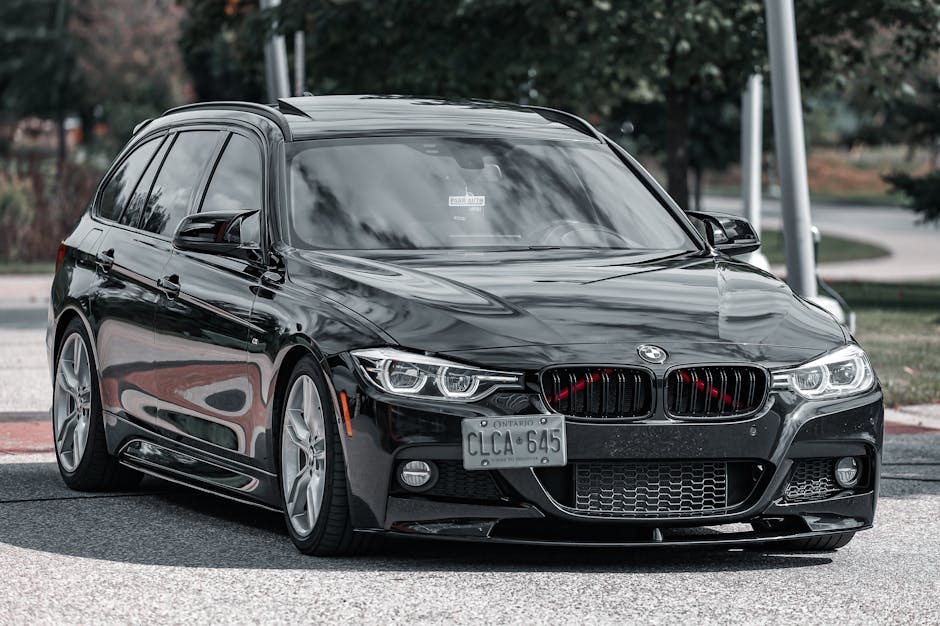
The DMV usually requires the test vehicle to meet certain safety and operational standards. The car must have valid registration, working seat belts, and functional lights and signals. Your vehicle should also be insured and free of any major mechanical issues.
Many DMVs insist the car be a standard passenger vehicle, not a truck or motorcycle. This ensures the test assesses your driving skills under typical conditions. Have you checked if your car fits these basic rules before booking your test?
State Variations In Policies
Each state has its own approach to providing test vehicles. Some DMVs offer their own cars for the exam, especially for first-time drivers or those who cannot provide one. Others require you to bring a vehicle that meets their criteria.
For example, in California, test-takers often bring their own cars, while in New York, some DMVs provide vehicles for the test. This variation means you should check your local DMV’s website or contact them directly. What if your state requires you to bring your own car but you don’t have one ready?
Conditions For Using Dmv Vehicles
When DMV vehicles are available, they are usually reserved for specific groups. These might include drivers with disabilities, first-time test-takers without access to a vehicle, or teenagers enrolled in approved driving schools. You may need to book the DMV car in advance and meet certain eligibility criteria.
DMV cars are typically well-maintained and standardized, which can reduce test anxiety. However, some find it challenging to drive an unfamiliar vehicle. Have you considered practicing in a DMV-provided car if available, or are you more comfortable with your own?
When Dmv Provides A Car
Knowing when the DMV provides a car for the driving test can help you prepare better. In most cases, test takers use their own vehicle. Yet, some situations allow the DMV to supply a car. This section explains those instances clearly.
Situations Where Dmv Supplies Vehicles
The DMV may provide a vehicle if you cannot bring one. For example, if you are a first-time driver without a car. Also, some driving schools linked to the DMV offer cars for tests. Another case is when you take the test in a special vehicle category, like motorcycles or commercial trucks. The DMV might have specific cars for these tests.
Available Vehicle Types
The types of cars provided vary by location. Most often, sedans or compact cars are available for the test. Some DMVs have automatic transmission cars only. Others may offer both manual and automatic. For motorcycle tests, the DMV provides standard test bikes. Commercial vehicle tests use trucks or buses supplied by the DMV.
Cost And Availability
Using a DMV vehicle may require a fee. This fee covers maintenance and insurance. Not all DMV offices have cars for the test, so availability can be limited. Booking early is important to secure a DMV vehicle. Some places allow you to rent a car from a driving school instead, which can have different costs.
Using Your Own Car For The Test
Using your own car for the driving test offers comfort and familiarity. It helps reduce stress on test day. You know your car’s controls and handling well. This familiarity can boost your confidence during the test.
Before the test, ensure your vehicle meets all the DMV’s requirements. The car must be safe and roadworthy. The DMV will inspect the vehicle to confirm this. Passing the inspection is crucial to take the test.
Vehicle Requirements And Inspection
The car must have working brakes, lights, and signals. Tires should have good tread and no visible damage. The windshield must be clean and free of cracks. Mirrors must be properly adjusted and secure. The horn and seat belts need to work correctly. The DMV inspector will check these during the test.
Insurance And Registration Rules
Your vehicle must have current registration. Proof of insurance is mandatory at the test site. The insurance should cover the car used for the test. Bring your insurance card and registration papers. Without these, the DMV will not allow the test. This rule ensures legal and safe driving.
Common Reasons For Vehicle Rejection
- Non-working brake lights or turn signals
- Flat or bald tires
- Broken mirrors or windows
- Expired registration or missing insurance
- Unsecured or missing seat belts
- Loud or non-functional horn
Make sure your car passes the inspection to avoid test delays. Prepare your vehicle ahead to have a smooth driving test experience.
Credit: bellsdriving.com
Alternatives To Dmv Vehicles
If you’re wondering whether you have to use a DMV-provided vehicle for your driving test, the good news is that you have other options. Many people find these alternatives more comfortable and sometimes more convenient. Choosing the right vehicle for your test can affect your confidence and performance behind the wheel.
Driving Schools And Rental Options
Many driving schools offer vehicles specifically designed for the driving test. These cars usually come with dual controls, which means the instructor can step in if needed. Renting a car for your test is another option, especially if the rental company allows it for driving tests.
Using a driving school car means you get a familiar vehicle you’ve practiced in. Rental cars give you a chance to test yourself in a different type of car, which might be closer to what you’ll drive daily.
Family Or Friend’s Car Usage
Taking the test in a family member’s or friend’s car is common. You get to use a vehicle you know well, which can ease nervousness. However, the car must meet all DMV safety and registration requirements, or the test could be canceled.
Make sure the car’s insurance covers a driving test scenario. Also, check if the car is in good working condition—brakes, signals, and mirrors are especially important. Have you asked your friend or family if they’re comfortable lending their car for the test?
Pros And Cons Of Each Alternative
| Alternative | Pros | Cons |
|---|---|---|
| Driving School Vehicles |
|
|
| Rental Cars |
|
|
| Family or Friend’s Car |
|
|
Which option fits your situation best? Think about your comfort level, budget, and access to vehicles. Your choice can make a big difference in how calm and prepared you feel on test day.
Tips For A Successful Driving Test
Many DMV offices do not provide cars for the driving test. Bringing your own insured vehicle is usually required. Confirm rules with your local DMV before the test day.
Taking a driving test can be nerve-wracking. Preparing well can boost your confidence. Whether it’s your first test or you need a refresher, following these tips can lead to success.Preparing Your Vehicle
Ensure your car is in good condition. Check the lights, brakes, and mirrors. The tires should have enough tread and be properly inflated. Confirm that all signals are functioning. Clean the interior and exterior of the vehicle. A neat car makes a good impression. Make sure your registration and insurance documents are updated.What To Bring On Test Day
Gather all necessary documents before the test. Bring your learner’s permit and appointment confirmation. Carry a form of identification with you. Ensure your registration and insurance papers are in the car. It’s smart to have some cash or a card for unexpected fees.Handling Test Day Nerves
Feeling nervous on test day is normal. Practice deep breathing to calm your nerves. Visualize a successful test to build confidence. Arrive early to avoid last-minute stress. Remember, the examiner is there to help you. Stay focused and listen carefully to instructions. Mistakes happen; keep calm and continue driving.
Credit: www.youtube.com
Frequently Asked Questions
Does Dmv Provide A Car For The Driving Test?
Most DMVs do offer a car for the driving test, but policies vary by state. Some require you to bring your own vehicle.
Can I Use My Own Car For The Dmv Test?
Yes, you can usually use your own car if it meets safety and registration requirements. Check with your local DMV first.
What Are The Requirements For The Dmv Test Vehicle?
The test vehicle must be safe, registered, insured, and in good working condition. It should also have valid license plates.
Are There Fees For Using Dmv’s Car During The Test?
Some DMVs may charge a small fee for using their vehicle. Confirm any costs with your local DMV before your test.
Conclusion
Most DMVs do not provide a car for the driving test. You must bring your own vehicle that meets safety rules. The car should have valid registration and insurance. Using your own car lets you feel more comfortable during the test.
Always check your car before the test day. Make sure brakes, lights, and signals work well. Being prepared helps you focus on driving. Knowing these facts can ease your test day stress. Drive safely and good luck on your test!