
Your car battery is one of the most important parts of your vehicle, yet it’s easy to overlook until it suddenly fails. Imagine being stuck in the middle of nowhere with a dead battery—frustrating, right?
Knowing exactly when to change your car battery can save you from that hassle and keep your car running smoothly. You’ll discover the key signs that tell you it’s time for a new battery, how to avoid unexpected breakdowns, and simple tips to extend your battery’s life.
Keep reading to make sure you’re never caught off guard.

Credit: www.youtube.com
Signs Of A Dying Battery
Recognizing the signs of a dying battery can save you from unexpected breakdowns and costly repairs. Your car battery doesn’t just fail overnight; it gives clear signals before it completely dies. Paying attention to these signs helps you decide when to replace the battery and keeps your vehicle reliable.
Slow Engine Crank
Have you noticed your engine takes longer to start than usual? A slow engine crank is one of the earliest signs your battery is losing its charge. When you turn the key, the engine should respond quickly, but if it hesitates or struggles, your battery might be weak.
Think about a cold morning when your car just won’t start promptly. That sluggish sound isn’t just annoying—it’s your battery telling you it’s time for a checkup.
Dim Lights
Are your headlights or dashboard lights looking dull? Dim lights often mean your battery isn’t supplying enough power. This can affect visibility and your overall driving safety, especially at night or in bad weather.
Try turning on your headlights while the engine is off. If they appear weak or flicker, your battery could be nearing the end of its life.
Electrical Issues
Modern cars depend heavily on electrical systems. Problems like malfunctioning power windows, radio, or dashboard indicators can point to battery trouble. These systems may not get enough power if the battery is failing.
Have you experienced your electronics acting up randomly? Don’t ignore these glitches—they might mean your battery can’t keep up with your car’s electrical demands anymore.
Check Engine Light
The check engine light can mean many things, but sometimes it signals battery problems. If this light turns on along with other signs like slow cranking or dim lights, your battery is a likely culprit.
Next time you see that warning light, ask yourself: Could my battery be the issue? Getting a battery test at this stage can prevent bigger headaches.
Battery Age And Lifespan
Understanding the age and lifespan of your car battery helps you know when to replace it. A battery wears out over time and can fail without warning. Watching its age and performance saves you from unexpected troubles on the road.
Typical Battery Life
Most car batteries last between three to five years. The exact time depends on the battery type and how it is used. Cold climates can shorten battery life, as can frequent short trips. Checking the battery’s age is a good start to avoid being stranded.
Factors Affecting Battery Longevity
- Extreme temperatures cause faster wear and tear.
- Short trips do not allow the battery to fully recharge.
- Leaving lights or accessories on drains the battery quickly.
- Corrosion on battery terminals reduces power flow.
- Old age naturally weakens the battery’s ability to hold charge.
Regular maintenance and care extend battery life. Keep terminals clean and avoid draining the battery completely. Testing the battery’s health yearly helps catch problems early.
Environmental Impact On Batteries
Your car battery’s lifespan is heavily influenced by the environment it lives in. Temperature swings, driving habits, and even where you park can impact how long your battery performs well. Understanding these factors helps you anticipate when it’s time for a change before you get stranded.
Extreme Temperatures
Extreme heat can cause your battery fluid to evaporate, damaging internal components. When I lived in a hot climate, I noticed my battery died faster during summer months despite regular maintenance.
On the flip side, cold weather thickens engine oil and reduces battery capacity. If you start your car and it struggles to turn over during a cold snap, your battery might be weak.
Think about your local weather patterns. Do you experience harsh winters or scorching summers? If yes, your battery may need replacing every 3 to 4 years instead of longer.
Frequent Short Trips
Short drives don’t give your battery enough time to recharge fully. I once had a job that required multiple quick stops daily, and my battery drained quicker than expected.
When you only drive for a few minutes at a time, your alternator can’t replenish the battery’s charge completely. This slow drain weakens the battery over time.
Try to take longer drives occasionally, or consider a battery charger if your daily trips are mostly short. Are your driving habits silently wearing down your battery?
Credit: www.slashgear.com
How To Test Your Battery
Knowing how to test your car battery can save you time and money. It helps you avoid unexpected breakdowns and keeps your vehicle running smoothly. Testing your battery is easier than you might think, and you don’t always need a mechanic to do it.
Using A Multimeter
A multimeter is a handy tool you can use to check your battery’s voltage at home. First, set the multimeter to measure DC voltage, usually marked as “20V” or similar on the dial.
Connect the red probe to the battery’s positive terminal and the black probe to the negative terminal. A healthy, fully charged battery should read around 12.6 volts or higher when the engine is off.
If the reading drops below 12.4 volts, your battery might be weak and need charging or replacement. Remember, a voltage lower than 12 volts usually means the battery is discharged or faulty.
Professional Battery Testing
Sometimes, testing at home is not enough. Professional battery testing involves more detailed checks like load testing and checking the battery’s ability to hold a charge under stress.
Mechanics use special equipment that simulates the battery’s performance while the engine starts. This method reveals problems that a simple voltage test might miss.
Visiting a professional can give you peace of mind, especially if your battery is older than three years or if you notice slow engine cranking. Could a quick visit to your mechanic save you from a roadside hassle?
Replacing Your Car Battery
Car batteries usually last three to five years. Signs like slow engine start, dim lights, or warning signals show it’s time to replace. Regular checks help avoid unexpected battery failure.
Replacing a car battery is a key maintenance task. It ensures your vehicle runs smoothly. A failing battery can leave you stranded. Knowing when to replace it is crucial. This guide helps you make the right choices.Choosing The Right Battery
Selecting the right battery is essential. Check your car manual for specifications. Pay attention to size, type, and capacity. Choose a battery with a good warranty. Consider your driving habits and climate. Cold climates need batteries with higher cold-cranking amps.Installation Tips
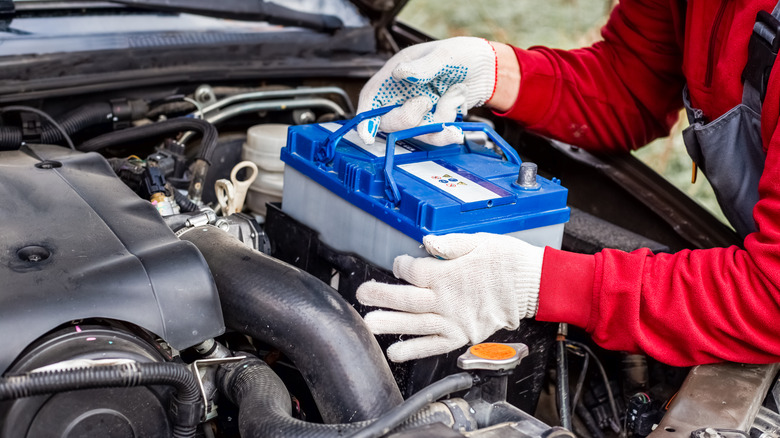
Installing a car battery requires care. First, turn off your vehicle and remove the keys. Locate the battery under the hood. Use the correct tools to remove the old battery. Clean the battery tray and terminals. Position the new battery in place. Ensure it is secure and tight. Connect the positive terminal first, then the negative. Check for proper installation before starting your car.
Credit: www.batteriessunshinecoast.com.au
Preventive Measures To Extend Battery Life
Taking simple preventive steps can significantly extend your car battery’s life. These measures help you avoid unexpected breakdowns and save money on replacements. You don’t have to be a car expert to keep your battery healthy; small habits make a big difference.
Regular Maintenance
Checking your battery regularly is key. Look for signs of corrosion around the terminals and clean it off with a mixture of baking soda and water. A loose connection can cause starting problems, so make sure the terminals are tight.
Testing your battery’s voltage every few months reveals how well it’s holding charge. Many auto shops offer free battery testing—why not take advantage? If you notice your engine struggles to start in the morning, it’s a sign your battery might need attention.
Avoiding Battery Drain
Leaving lights or electronics on when the engine is off can drain your battery quickly. Have you ever forgotten to turn off your headlights and faced a dead battery? It happens more often than you think.
Devices plugged into your car’s charger still draw power even when not in use. Unplugging chargers and accessories can help preserve battery life. Also, if you don’t plan to use your car for several days, consider disconnecting the battery or using a battery maintainer to keep it charged.
Frequently Asked Questions
How Long Does A Car Battery Typically Last?
A car battery usually lasts between 3 to 5 years. Factors like climate, driving habits, and maintenance affect its lifespan. Regular checks can prevent unexpected failure. Replace your battery if it struggles to start the engine or shows signs of wear.
What Are Common Signs Of A Failing Car Battery?
Common signs include slow engine crank, dim headlights, and electrical issues. You might also notice a swollen battery case or a check engine light. If your car frequently needs jump-starts, it’s time to test or replace the battery.
Can Extreme Weather Affect Car Battery Life?
Yes, extreme heat or cold can reduce battery life. Heat causes fluid evaporation, damaging internal components. Cold thickens engine oil, requiring more power to start. Protect your battery with regular maintenance and consider weather-appropriate options.
How Do I Know When To Replace My Car Battery?
Replace your battery if it’s over 3-5 years old or shows performance issues. Frequent jump-starts, slow starts, or warning lights indicate replacement is needed. Testing with a voltmeter can confirm battery health quickly.
Conclusion
A car battery does not last forever. Signs like slow engine start or dim lights show it may need changing. Regular checks help avoid sudden battery failure. Changing your battery on time keeps your car reliable. Don’t wait for complete failure to act.
Stay safe and avoid being stranded. Keep an eye on your battery’s age and performance. Simple care saves time and money later. Trust your instincts if your car feels different. A fresh battery means smooth driving ahead.