
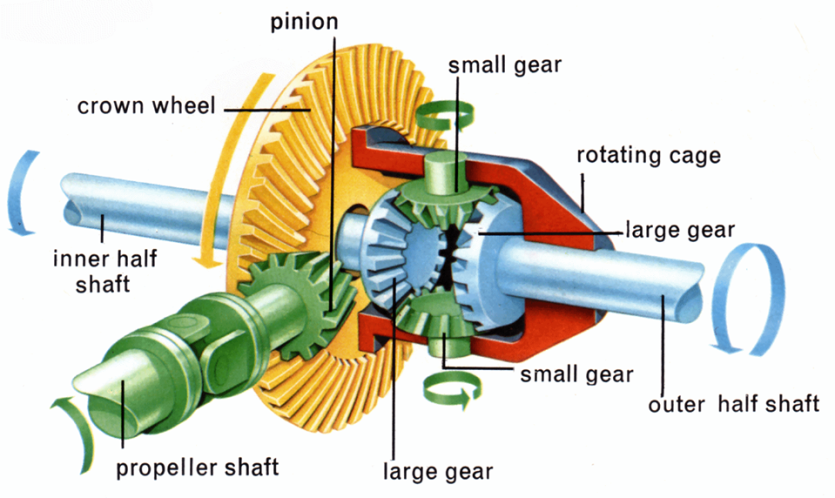
How Does Gears Work in a Car. Have you ever wondered how your car changes speeds so smoothly when you shift gears? Understanding how gears work in a car can give you a new appreciation for the machine you drive every day.
Whether you’re a new driver or just curious about what’s happening under the hood, this simple explanation will help you grasp the magic behind those gears. Stick with me, and by the end, you’ll see your car in a whole new light—and maybe even impress your friends with your car knowledge!
Credit: www.cars24.com
Basics Of Car Gears
Understanding the basics of car gears can change the way you drive and maintain your vehicle. Gears help control the power and speed of your car by adjusting how the engine’s power is transmitted to the wheels. Knowing how these gears work gives you better control over performance and fuel efficiency.
Types Of Gears In Cars
Cars use different types of gears to manage various driving conditions. The most common gears you’ll find include:
- Spur Gears:These are simple gears with straight teeth, often used in manual transmissions.
- Helical Gears:These have angled teeth, which provide smoother and quieter operation compared to spur gears.
- Planetary Gears:Found in automatic transmissions, these gears allow multiple gear ratios in a compact space.
Each gear type plays a unique role in how your car shifts and drives. Have you ever noticed how shifting gears feels different between manual and automatic cars? That’s largely due to these gear types.
Role Of Transmission
The transmission is the system that connects your engine to the wheels through a series of gears. It adjusts the engine’s output to match your driving needs, whether you’re accelerating on a highway or crawling in traffic.
Without a transmission, your engine would run at one speed only, making it impossible to drive efficiently. Think about how you feel when you drive uphill versus downhill — the transmission automatically selects the right gear to give you power or save fuel.
Your car’s transmission can be manual or automatic, but both serve the same purpose: controlling the torque and speed sent to your wheels. Have you paid attention to how your car changes gears? It’s the transmission working quietly behind the scenes to keep you moving smoothly.
How Gears Transfer Power
Gears play a crucial role in transferring power from your car’s engine to the wheels. They adjust the engine’s output to match different driving conditions, whether you’re accelerating on a highway or crawling through traffic. Understanding how gears transfer power helps you appreciate the engineering behind smoother rides and better control.
Gear Ratios Explained
Gear ratios determine how power is transmitted through the gears. A gear ratio is the relationship between the number of teeth on two meshing gears. This ratio affects how fast or slow the wheels turn compared to the engine’s rotation.
Lower gear ratios mean the engine spins more times to turn the wheels once, which increases torque but reduces speed. Higher gear ratios do the opposite, allowing higher speeds but with less torque. Think about climbing a steep hill—you want more torque, so the car uses a lower gear ratio.
Torque And Speed Balance
Torque is the force that helps your car move, while speed is how fast your car travels. Gears balance these two to give you the right power at the right time. When you start moving, the gears provide high torque and low speed, making it easier to get going.
As you pick up speed, the gears shift to increase speed and reduce torque. This balance ensures the engine runs efficiently without straining. Have you noticed how your car feels different when accelerating versus cruising? That’s the gears at work, adjusting torque and speed to match your driving needs.
Manual Vs Automatic Gears
Choosing between manual and automatic gears shapes your driving experience. Each type offers a unique way of controlling the car’s power and speed. Understanding how they work can help you decide which suits your style and needs better.
Manual Gear Operation
Manual gears require you to actively engage with the car’s transmission. You use a clutch pedal to disconnect the engine from the wheels while shifting gears with the gear stick.
This process gives you full control over when to change gears, which can improve fuel efficiency and provide a more connected driving feel. However, it demands practice and attention, especially in stop-and-go traffic.
Think about the last time you drove a manual car—did you feel more engaged or was it stressful? That’s the trade-off you face with this system.
Automatic Gear Mechanism
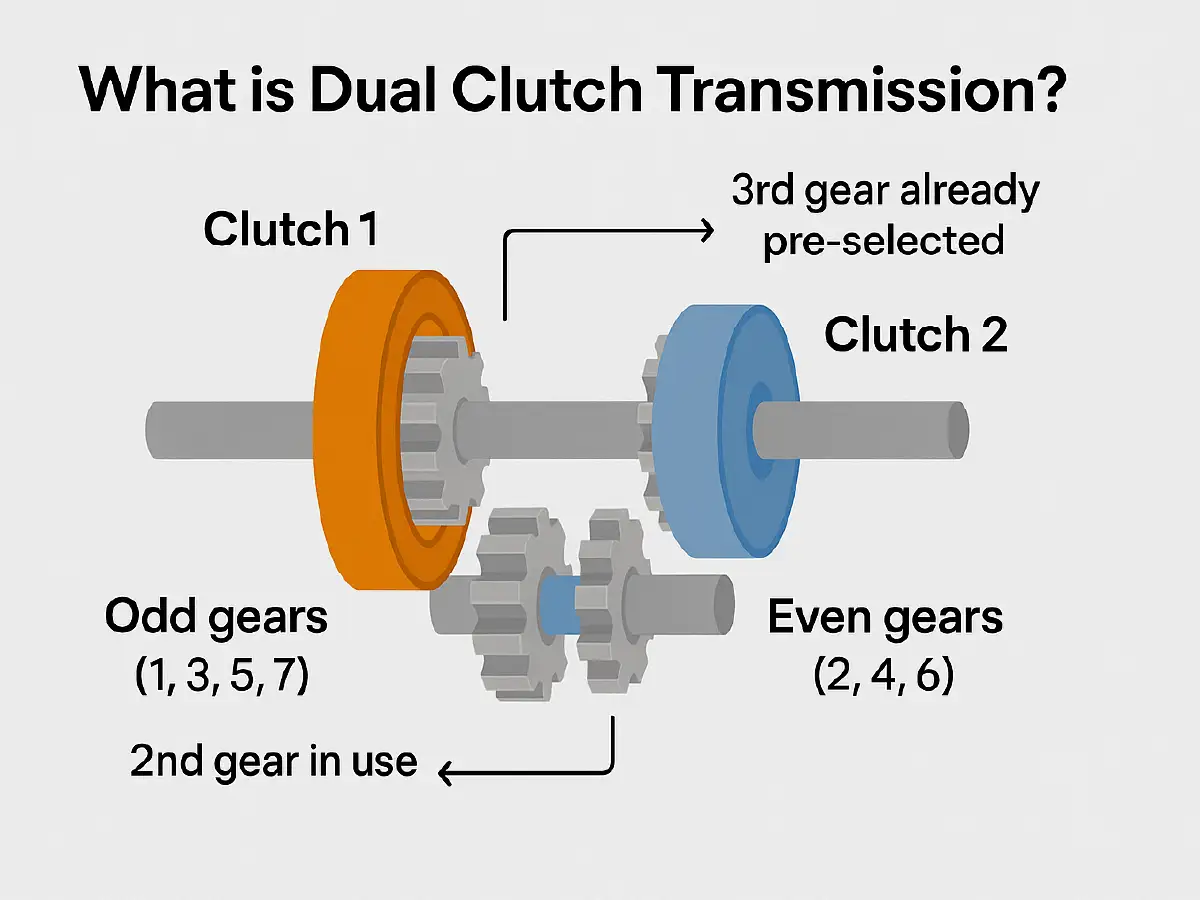
Automatic gears handle shifting without your direct input. Sensors and hydraulic systems decide the best time to change gears based on speed and engine load.
This system removes the need for a clutch pedal, making driving simpler, especially in heavy traffic or hilly areas. It’s designed for convenience but can sometimes reduce driver control and fuel efficiency compared to manuals.
Have you noticed how smooth or jerky your automatic car shifts? That smoothness is a result of complex mechanisms working behind the scenes to keep your ride comfortable.
Credit: www.mauergmc.com
Gear Shifting Process
The gear shifting process is a crucial part of driving a car smoothly and efficiently. It involves changing the car’s gears to match the speed and power needed at any moment. Understanding this process helps you drive better and can even extend the life of your vehicle’s transmission.
Smooth Gear Changes
Smooth gear changes mean shifting gears without jolts or delays. To achieve this, you need to pay attention to the engine’s sound and RPM (revolutions per minute). When the engine sounds like it’s working too hard or too softly, it’s time to shift gears.
Press the clutch fully before shifting. This disconnects the engine from the wheels, allowing you to change gears without grinding them. Release the clutch slowly after shifting to avoid jerks and give the engine time to adjust.
Have you noticed how abrupt gear changes make your ride uncomfortable? Practicing smooth shifts helps you avoid that and keeps your car running quietly and efficiently.
Common Shifting Techniques
- Double Clutching:This technique is useful in older cars without synchronized gears. You press the clutch, shift to neutral, release the clutch, then press it again before shifting to the next gear. It helps match gear speeds for a smoother shift.
- Heel-Toe Downshifting:This is used mainly in sporty driving. While braking with the ball of your foot, use your heel or side of the foot to blip the throttle. It keeps the engine speed in sync with the lower gear, preventing engine braking shock.
- Rev Matching:You gently increase engine speed while shifting down to match the next gear’s RPM. This avoids sudden jerks and keeps the transmission in good condition.
Have you tried rev matching? It feels like the car responds more naturally and smoothly when you do it right. These techniques might seem tricky at first, but with practice, they become second nature and improve your driving experience.
Impact Of Gears On Driving
Gears control the power from the engine to the wheels, making driving smooth and efficient. They adjust speed and force, helping cars climb hills or accelerate quickly. Proper gear use improves fuel economy and vehicle performance.
The impact of gears on driving is significant and goes beyond simply moving a car forward. Gears play a crucial role in how your vehicle consumes fuel, how it performs on the road, and how it responds to your driving style. Understanding this can transform your driving experience, making it both efficient and exhilarating.
Fuel Efficiency
Gears directly influence how much fuel your car uses. Lower gears provide more power but consume more fuel, making them ideal for starting and climbing hills. Higher gears reduce engine workload, enhancing fuel efficiency during highway driving. Consider the last time you drove on an open highway. Shifting into a higher gear likely improved your fuel economy, allowing you to travel longer distances without frequent stops at the gas station. Isn’t it fascinating how a simple gear change can save you money?
Driving Performance
Gears also impact how your car performs in various driving situations. Lower gears offer better acceleration, which is perfect for city driving with frequent stops and starts. Higher gears, on the other hand, are suitable for smooth and steady cruising. Think about how your car feels when you accelerate from a standstill. The quick response and surge of power come from utilizing lower gears. This understanding empowers you to optimize your driving for both speed and control. The interplay between gears and driving performance is something every driver can relate to. How often do you consciously shift gears to enhance your driving experience?

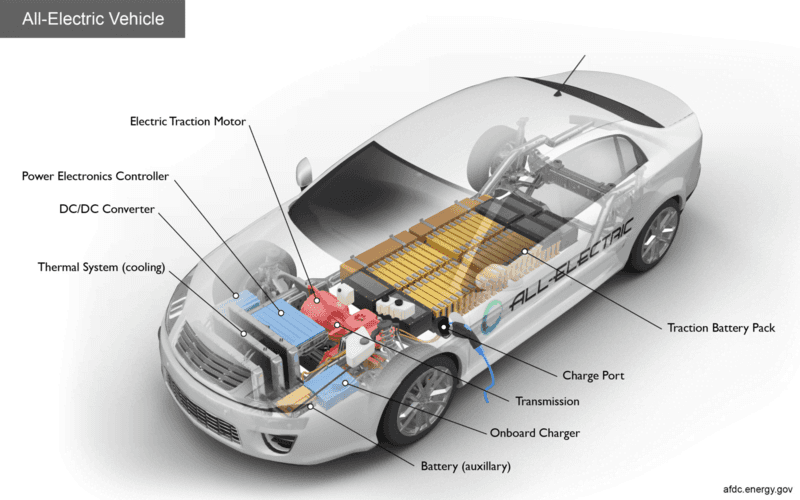
Credit: en.wikipedia.org
Troubleshooting Gear Problems
Gear problems can sneak up on you and cause serious trouble if ignored. Knowing how to spot issues early can save you from costly repairs and keep your car running smoothly. Let’s look at how you can identify gear problems and what simple maintenance steps you can take to avoid them.
Signs Of Gear Issues
Pay attention if your car struggles to shift gears or makes unusual noises. Grinding sounds when changing gears often mean the clutch isn’t fully disengaging or the synchronizers inside the gearbox are worn out.
Does your gear stick feel stiff or loose? This can indicate worn linkage or low transmission fluid levels. Another red flag is if the car slips out of gear unexpectedly while driving, which could point to internal gear damage.
- Difficulty shifting or slipping gears
- Unusual noises like grinding or whining
- Vibrations or jerking during gear changes
- Gear stick feels loose, stiff, or won’t stay in place
Maintenance Tips
Regularly check your transmission fluid. Low or dirty fluid can cause gears to shift poorly and wear out faster. Make sure to use the type of fluid recommended by your car’s manufacturer.
Don’t ignore odd sensations when driving. Early diagnosis can prevent bigger damage. You can also extend the life of your gears by avoiding aggressive driving habits like sudden gear changes or over-revving the engine.
Have a professional inspect your gearbox at regular service intervals. Even if you feel everything is fine, small issues can be caught before they escalate. What’s one small check you can do today to keep your gears healthy?
Frequently Asked Questions
How Do Gears Transmit Power In A Car?
Gears transfer engine power to the wheels by meshing teeth. This changes torque and speed, enabling smooth acceleration and control.
Why Are Different Gear Ratios Important In Cars?
Different gear ratios optimize engine efficiency. Lower gears provide more torque for acceleration, while higher gears improve fuel economy at cruising speeds.
What Role Does The Clutch Play With Car Gears?
The clutch temporarily disconnects the engine from the transmission. This allows smooth gear changes without damaging the gears or causing jerks.
How Do Manual And Automatic Car Gears Differ?
Manual gears require driver input to shift. Automatic gears shift by themselves based on speed and load, offering convenience and ease of use.
Conclusion
Gears help cars change speed and power smoothly. They connect the engine to the wheels. Each gear works for a different driving need. Lower gears give more power but less speed. Higher gears give more speed but less power. Understanding gears helps you drive better and care for your car.
The next time you drive, notice how gears shift. It’s all about making the ride smooth and safe. Gears keep your car moving in the best way. Simple but very important.