
Can Your Car Be Towed With the Emergency Brake On? Have you ever wondered what happens if your car is towed while the emergency brake is still on? It’s a common question that many drivers don’t think about until they face a towing situation.
You might worry about damage, extra costs, or whether your car will even move. Understanding this can save you from unexpected headaches and help you protect your vehicle. Keep reading to find out what really happens and how you can avoid potential problems when your car needs to be towed.
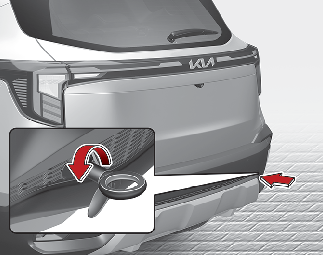
Credit: www.kia.com
How The Emergency Brake Works
The emergency brake is a vital safety feature in every car. It helps keep the vehicle still when parked. Understanding how it works can explain why towing a car with the emergency brake on may cause problems.
This brake is separate from the main braking system. It uses a different mechanism to hold the car in place. Knowing its types and how it works helps in using it correctly and avoiding damage during towing.
Types Of Emergency Brakes
- Handbrake Lever:A lever usually located between the front seats. Pulling it tightens the brake cables.
- Foot-Operated Brake:A pedal near the driver’s foot area. Pressing it activates the brake system.
- Electronic Parking Brake:A button or switch that controls the brakes electronically. It replaces the traditional lever or pedal.
Mechanism And Purpose
The emergency brake mainly locks the rear wheels. It works by tightening cables or activating motors. This stops the wheels from moving.
Its purpose is to hold the vehicle on slopes or when parked. It also serves as a backup if the main brakes fail. The brake acts directly on the wheels, not the hydraulic system.
Using the emergency brake properly prevents the car from rolling. This safety feature is simple but very effective in many situations.
Impact Of Towing With Emergency Brake Engaged
Towing a car with the emergency brake on can cause serious problems. The emergency brake is designed to hold the car still. It is not made to handle the strain of moving the vehicle. Ignoring this can lead to damage that affects safety and repair costs.
Potential Damage To Brake System
The emergency brake locks the brake pads against the wheels. Towing with it engaged makes the pads rub hard on the rotors. This causes:
- Overheating of brake components
- Warping of brake rotors
- Premature wear of brake pads
- Possible brake failure or reduced stopping power
The heat and friction can also damage brake lines. This could lead to leaks or loss of brake fluid. Repairing these parts can be expensive and time-consuming.
Effects On Tires And Drivetrain
Tires can suffer from dragging if the emergency brake is on. This causes flat spots and uneven wear. The dragging force can also stress the drivetrain parts, such as:
- Axles
- Transmission
- Differential
These parts may overheat or break under strain. The damage can reduce the vehicle’s performance and increase repair bills.
Situations When Towing With Emergency Brake On Happens
Towing a car with the emergency brake engaged is more common than you might think. Sometimes, it happens by mistake, and other times, it’s done out of necessity during emergencies. Understanding these situations helps you avoid damage and ensures a safer towing experience.
Common Mistakes
Many drivers accidentally leave the emergency brake on when their car is towed. It’s easy to forget, especially if you’re in a rush or stressed. This oversight can cause serious damage to the brakes and tires.
Another mistake is assuming that the emergency brake won’t affect towing if the car is in neutral. Even in neutral, the brake locks the wheels, making towing difficult and risky. Have you ever checked if your brake was off before the tow started?
Sometimes, people rely on the emergency brake as a backup to keep the car from rolling during towing. This can cause unnecessary strain on the brake system and might lead to costly repairs. Avoid this by double-checking the brake status before hooking your vehicle to a tow truck.
Emergency Scenarios
In certain emergency situations, towing with the emergency brake on might be unavoidable. For example, if your car breaks down on a steep hill and you need to prevent it from rolling before the tow truck arrives, the brake helps keep it stationary.
Another scenario is when the parking brake mechanism is jammed or not fully releasing. Tow operators sometimes have no choice but to tow the vehicle carefully with the brake engaged to avoid further damage.
Have you ever been in a situation where towing was urgent but you didn’t realize the emergency brake was still on? Sharing your experience can help others recognize the signs and act promptly.
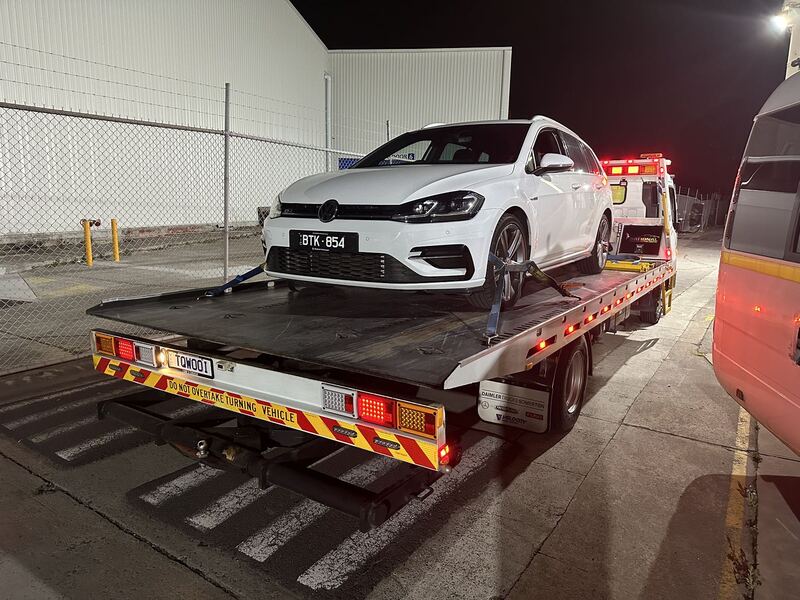
Credit: 247cartowing.com.au
Safe Towing Practices
Safe towing practices protect your vehicle and ensure a smooth journey. Knowing how to prepare your car before towing reduces damage risks. Proper checks and equipment use help avoid costly repairs and accidents. Follow these guidelines to tow your car safely and confidently.
Checking Brake Status Before Towing
Confirm the emergency brake is fully released. A stuck brake can cause severe damage during towing. Test the brake by gently moving the car. Ensure the wheels turn freely without resistance. Check the parking brake cable for signs of wear or rust. Faulty brakes increase towing hazards and cost more to fix.
Using Proper Towing Equipment
Use towing tools designed for your vehicle’s weight and type. Select the correct tow dolly, trailer, or tow bar. Secure all connections tightly before moving. Use safety chains as a backup to hold the car in place. Check tire pressure and wheel alignment on both vehicles. Proper equipment prevents accidents and protects your car’s brakes and suspension.
Legal And Insurance Considerations
Understanding the legal and insurance aspects of towing with the emergency brake engaged is crucial. Mistakes can lead to unexpected consequences. Knowing the rules helps protect your car and your rights.
Towing Regulations
Towing regulations vary by state and country. Some areas have strict rules about towing vehicles with the brake on. Violating these rules might result in fines or penalties. Always check local laws before towing. Proper understanding ensures compliance and avoids legal trouble.
Insurance Implications
Insurance companies might have specific policies about towing. If your car is damaged while towed with the brake on, coverage could be affected. Review your policy details. Contact your insurer for clarification if unsure. Keeping insurance informed can prevent future claims issues.

Credit: towsmarttrailers.com
Alternatives To Towing With Emergency Brake On
Towing a car with the emergency brake on can cause serious damage to your vehicle. Luckily, you don’t always have to risk this. There are safer and more effective alternatives to consider when your car is stuck or needs to be moved without releasing the emergency brake.
Vehicle Recovery Techniques
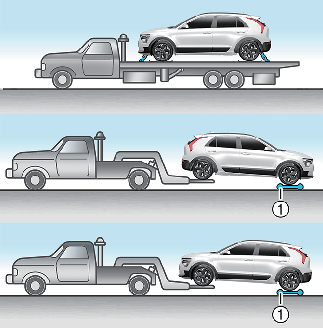
Sometimes, you can recover your vehicle without towing it while the emergency brake is engaged. One simple technique is using a flatbed trailer, which allows your car to be lifted entirely off the ground. This method prevents any wheels from turning, avoiding damage to the brake system.
Another option is to manually release the emergency brake if possible. If you’re unable to do this due to mechanical failure, using wheel dollies can help. These small platforms fit under the wheels and allow the car to roll smoothly without engaging the brakes.
Have you ever tried pushing a car with the emergency brake on? You’ll quickly find it’s not just tough, but harmful. Using recovery tools like winches or tow straps attached to the frame can help pull your vehicle safely without stressing the brake components.
Professional Towing Services
Calling a professional towing service is often the safest and smartest choice. Experienced operators know how to handle vehicles with the emergency brake engaged without causing damage. They use specialized equipment such as flatbed trucks and wheel lifts designed for this exact situation.
Professionals can also assess your car’s condition on-site and recommend whether towing is safe or if another recovery method is better. Have you ever noticed how some tow trucks have hydraulic lifts? These lifts make it easy to transport your car without any wheel contact.
Hiring experts gives you peace of mind and protects your vehicle’s brake system. Next time you find yourself stuck, think about the value of professional help versus the risk of towing with the emergency brake still on.
Frequently Asked Questions
Can A Car Be Towed With The Emergency Brake Engaged?
Towing a car with the emergency brake on can damage the brake system. It locks the rear wheels, causing friction and wear during towing. Always release the emergency brake before towing to prevent costly repairs and ensure safe vehicle transport.
What Happens If You Tow A Car With The Brake On?
Towing with the emergency brake engaged causes excessive wear on brake pads and rotors. It may overheat the braking system and damage wheel bearings. This leads to costly repairs and unsafe towing conditions, so always disengage the brake first.
Is It Safe To Tow A Car Using The Emergency Brake?
No, towing a car with the emergency brake engaged is unsafe. It restricts wheel movement, increasing strain on the brake components. This can cause mechanical damage and unsafe towing. Always release the emergency brake before towing.
How To Prepare A Car For Towing Correctly?
Before towing, release the emergency brake and put the car in neutral. Check tire pressure and secure all loose parts. Disconnect the driveshaft if required for your vehicle type. Proper preparation prevents damage and ensures safe towing.
Conclusion
Towing a car with the emergency brake on can cause serious damage. It may harm the brake system and tires. Always check if the brake is off before towing. Avoiding mistakes saves money and prevents accidents. Knowing how to prepare your car helps the towing process go smoothly.
Take time to learn these simple steps. Your car stays safe, and towing works better. Keep these tips in mind next time you need a tow.