

How Many Gears in an Automatic Car. Have you ever wondered how many gears your automatic car actually has? It’s a question that seems simple but can reveal a lot about how your vehicle works and why your driving feels smooth or jerky at times.
Understanding the number of gears in your automatic car can help you make smarter choices on the road and even save you money on fuel. Keep reading, and you’ll discover the surprising facts about automatic car gears that every driver should know.
Types Of Automatic Transmissions
Automatic transmissions come in different types. Each type changes gears differently. These variations affect driving comfort, fuel use, and car control. Understanding these helps you grasp how many gears an automatic car has and how they work.
Traditional Torque Converter
This type uses a fluid coupling called a torque converter. It connects the engine to the transmission. It allows smooth gear shifts without a clutch. The number of gears varies, often between 4 and 10. It is common in many cars and trucks.
Continuously Variable Transmission
CVT does not have fixed gears. It uses a pulley system to offer endless gear ratios. This design provides smooth acceleration and better fuel economy. Drivers feel seamless speed changes without gear shifts. CVTs are common in small cars and hybrids.
Dual-clutch Transmission
DCT uses two separate clutches for odd and even gears. It shifts gears faster than traditional automatics. This type offers a sporty and efficient driving experience. Gear counts often range from 6 to 8. It is found in performance and luxury cars.

Credit: www.whocanfixmycar.com
Gear Counts In Automatic Cars
Automatic cars use gearboxes to control speed and power smoothly. The number of gears affects fuel efficiency, acceleration, and driving comfort. Gear counts vary across different types of automatic transmissions and car models. Understanding these variations helps drivers know what to expect from their vehicles.
Common Number Of Gears
Most automatic cars have between 4 and 8 gears. Older models often feature 4-speed transmissions. Modern vehicles usually come with 6-speed or 8-speed gearboxes. More gears allow the engine to run efficiently at different speeds. This improves fuel economy and reduces engine wear.
High-performance Gearboxes
Sports cars and performance vehicles use gearboxes with more gears. Some have up to 10 or even 12 gears. These gearboxes provide quicker acceleration and better speed control. They help drivers get the most power from the engine. Shifts are faster and smoother, enhancing the driving experience.
Electric And Hybrid Variations
Electric cars often have fewer gears or just one gear. Electric motors deliver power instantly, so multiple gears are less necessary. Hybrid cars mix electric motors and traditional engines. They might have 2 to 6 gears depending on the design. This setup balances power and efficiency in different driving conditions.
How Gear Numbers Affect Performance
The number of gears in an automatic car plays a key role in its overall performance. Gears control how power moves from the engine to the wheels. More gears can mean smoother driving and better use of the engine’s power. Fewer gears might limit how well the car performs under different conditions. Understanding how gear numbers affect performance helps in choosing the right car or understanding your vehicle better.
Fuel Efficiency
More gears allow the engine to run at optimal speeds. This reduces fuel consumption by avoiding high engine strain. Cars with fewer gears often use more fuel, especially at high speeds. With more gears, the transmission can keep the engine in its best power range. This leads to better mileage on highways and city roads.
Acceleration And Speed
Gears affect how quickly a car can speed up. More gears provide a smoother and faster acceleration. They allow the engine to stay in the power band longer. Fewer gears can cause slower acceleration and less control over speed. With more gears, the car adjusts better to different driving demands.
Driving Comfort
More gears mean smoother gear changes. This results in less jerking and noise during driving. Cars with many gears offer better control on hills and rough roads. Fewer gears may cause noticeable shifts and less smooth rides. Overall, more gears improve the comfort and ease of driving.

Credit: www.auffenbergfarmington.com
Evolution Of Gears In Automatics
The evolution of gears in automatic cars reflects advances in technology and engineering. Early systems had fewer gears and simpler mechanics. Over time, manufacturers added more gears to improve performance and fuel efficiency. These changes help cars run smoother and save fuel on highways and city streets. The future points to even smarter gear designs that adapt to driving conditions quickly.
Early Automatic Transmissions
Early automatic transmissions had just two or three gears. They used basic hydraulic systems to shift gears automatically. These systems focused on comfort rather than speed or efficiency. Shifts were often slow and noticeable. Still, they made driving easier by removing the need for manual clutch control.
Modern Multi-speed Automatics
Modern automatics can have six, eight, or even ten gears. More gears allow the engine to run at its best speed more often. This improves both power delivery and fuel economy. Advanced electronics control the gear shifts smoothly and quickly. Drivers feel less jerkiness and more control during acceleration.
Future Trends In Gear Design
Future automatic transmissions may use continuously variable transmissions (CVTs) or even electric gearboxes. These systems offer infinite gear ratios or no gears at all. They adjust seamlessly to driving conditions for maximum efficiency. Some designs integrate with hybrid and electric powertrains for better energy use. The goal is to make driving smoother and greener.
Choosing The Right Gear Setup
Choosing the right gear setup affects driving comfort and car performance. Automatic cars usually have between four and ten gears, impacting fuel efficiency and smoothness. Understanding gear numbers helps pick a car that matches your driving style and needs.
Choosing the Right Gear Setup Selecting the right gear setup for your automatic car isn’t just about the number of gears; it’s about matching the car’s capabilities to your driving needs. The decision impacts fuel efficiency, driving comfort, and overall performance. Consider your typical driving conditions and personal preferences when choosing.
City Driving Needs
In urban environments, you often deal with stop-and-go traffic. A car with more gears can help improve fuel efficiency by keeping the engine running at an optimal speed. Consider a 6-speed automatic transmission if your daily commute involves frequent stops and starts. These setups are designed to provide smoother transitions and better fuel economy in congested areas. Ask yourself: Do you value a smoother ride over a sportier feel?
Highway And Long-distance
For long stretches on highways, a higher number of gears can enhance fuel economy and reduce engine strain. Look for an 8-speed or even a 10-speed automatic transmission if you frequently drive long distances. These setups allow the engine to run at lower RPMs, saving fuel and reducing noise levels. Imagine cruising comfortably on a road trip while your car effortlessly maintains speed.
Off-road And Specialty Use
If adventure calls and you find yourself off the beaten path, gear setup becomes crucial. An automatic transmission with fewer, robust gears may be preferable for off-road conditions. This setup offers better torque and control for rugged terrains. Think about whether your car can handle steep climbs and uneven surfaces without straining. Understanding your driving needs can lead to a more satisfying and efficient driving experience. What does your typical journey look like, and how can the right gear setup make it better?
Common Myths About Automatic Gears
Automatic car gears often confuse many drivers. Some common myths about these gears cause misunderstandings. Knowing the truth helps you appreciate how automatic transmissions work. Let’s clear up some frequent false ideas.
More Gears Always Mean Better
Many believe that more gears improve car performance. This is not always true. Extra gears can help fuel efficiency at high speeds. But too many gears may make shifts feel slower or jerky. The quality of the transmission matters more than the number of gears. Smooth shifting and reliability count the most.
Cvts Lack Performance
Continuously Variable Transmissions (CVTs) get a bad reputation. Some think they are weak or slow. CVTs provide smooth acceleration without gear steps. They keep the engine at optimal power levels. This can improve fuel economy and comfort. CVTs are not less capable; they just work differently than traditional automatics.
Manual Vs Automatic Gear Counts
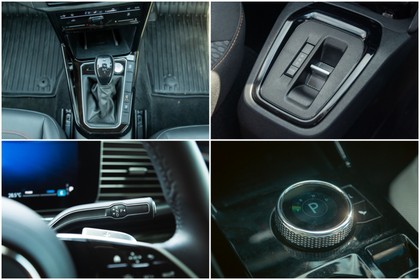
Manual cars often have fewer gears than automatics. Manual gearboxes usually have 5 or 6 gears. Automatic transmissions can have 6, 8, or even 10 gears. The difference is due to how the gears shift. Automatics shift by themselves for convenience. Manuals require driver input for every shift. Gear count alone does not define the driving experience.
Credit: www.cardekho.com
Frequently Asked Questions
How Many Gears Do Most Automatic Cars Have?
Most automatic cars have between 5 to 10 gears. Modern automatics often feature 6, 7, or 8-speed transmissions for better fuel efficiency and smoother driving.
Why Do Automatic Cars Have Multiple Gears?
Multiple gears in automatic cars optimize engine performance. They improve fuel economy, provide smoother acceleration, and adapt to varying driving conditions.
What Is The Benefit Of More Gears In Automatic Cars?
More gears allow for better fuel efficiency and smoother shifts. They help maintain optimal engine speed, enhancing performance and reducing wear.
Are More Gears In Automatic Cars Better?
Generally, yes. More gears improve fuel economy and driving comfort. However, complexity and maintenance costs might increase slightly with more gears.
Conclusion
Automatic cars usually have between 4 and 10 gears. More gears help the car run smoothly and save fuel. Different brands use different gear numbers. Knowing this helps you understand how your car works. It also makes choosing a car easier.
Gears affect driving comfort and performance. Keep this in mind when buying or driving an automatic car. Simple gears mean easy driving for most people. Complex gears offer better control and efficiency. Both have their own benefits.