

How Fast Does Safety Car Go F1. Have you ever wondered how fast the safety car goes in Formula 1? When a crash or hazard appears on the track, the safety car takes control, slowing down the race to keep everyone safe.
But just how quick is this lifesaver compared to the racing cars you love watching? Understanding the speed of the safety car can change the way you see those critical moments in a race. Keep reading, and you’ll discover surprising facts that will make you appreciate every safety car lap even more.
Role Of The Safety Car In F1
The safety car plays a crucial role in Formula 1 races, ensuring the safety of drivers, marshals, and spectators during unexpected incidents on the track. It controls the pace of the race while hazards are cleared, preventing accidents in dangerous situations. Understanding its role helps you appreciate how F1 balances thrilling speed with strict safety measures.
Purpose During Races
The safety car’s main job is to slow down the cars on the track without stopping the race completely. It creates a controlled environment when there’s debris, accidents, or poor weather conditions. This helps prevent further crashes and allows emergency crews to work safely.
By bunching up the cars behind it, the safety car also resets the gaps drivers had built, which can change the race dynamics. Have you noticed how sometimes a safety car period can lead to surprising overtakes right after it pulls away? This adds an unpredictable element to the race.
When It’s Deployed
Race control deploys the safety car whenever a situation on track poses a risk to driver safety. This could be after a crash, a stalled car, or dangerous weather. The decision is immediate to avoid any delay in protecting everyone involved.
Once the safety car is on track, drivers must follow it at a reduced speed and hold their positions. You might wonder how fast the safety car actually goes—its speed varies but always stays slow enough to keep the track safe but fast enough to avoid cooling the tires too much.
Typical Speeds Of An F1 Safety Car
The F1 safety car plays a crucial role during races. It leads the pack at a controlled speed to keep drivers safe. Understanding the typical speeds of the safety car helps fans appreciate its importance on track. The safety car moves fast enough to maintain race flow but slow enough to manage hazards.
Average Speed On Track
The safety car usually drives between 80 and 120 km/h (50 to 75 mph). This speed varies depending on the track and conditions. On tighter circuits, it goes slower to navigate corners safely. On straighter sections, it can speed up but must keep control. The goal is to keep the field close without risking accidents.
Comparison With Race Cars
F1 race cars reach speeds over 300 km/h (186 mph) on straights. This is about three times faster than the safety car’s pace. Race cars accelerate quickly and brake hard, unlike the safety car’s steady pace. The safety car’s speed is enough to manage the race but far below racing speed. Drivers must stay behind it until it leaves the track.
Factors Influencing Safety Car Speed
The speed of the safety car in Formula 1 is not fixed; it shifts based on several key factors. Understanding these can help you appreciate why the pace varies during different races. Let’s look at what influences the safety car’s speed on the track.
Track Conditions
The surface of the track plays a big role in how fast the safety car can go. If the track is smooth and dry, the safety car can maintain a higher speed safely. But if there are bumps, debris, or damage to the asphalt, the car must slow down to avoid accidents.
Think about a time you drove cautiously over rough roads to protect your car. The safety car driver does the same but with even more responsibility. This ensures the drivers behind stay safe while the track is cleared or hazards are managed.
Weather Impact
Weather changes everything on a race day. Rain or wet conditions mean the safety car has to reduce its speed significantly. Wet tracks reduce tire grip, making it easier to lose control if the car goes too fast.
Have you ever driven fast on a slippery road and felt the risk? The safety car driver must avoid that risk for the entire field of F1 cars. This cautious approach keeps everyone safe during tricky weather.
Driver Instructions
The safety car driver follows strict guidelines from race control. Their instructions depend on the situation on the track and the number of cars behind. Sometimes, they need to speed up to keep the race flowing, other times slow down to control the pack.
Imagine being told to drive at a pace that keeps a large group safe and together—that’s the challenge here. The driver’s skill in balancing speed and safety is crucial to managing the race’s flow without compromising safety.

Credit: www.grixme.com
Top Speeds Of Famous Safety Cars
Safety cars in Formula 1 aren’t just there to slow things down—they need to keep up with the fastest racers on the track. The top speeds of these cars are impressive, allowing them to safely manage the race pace during incidents. Let’s take a closer look at some famous safety cars and how fast they can really go.
Mercedes-amg Models
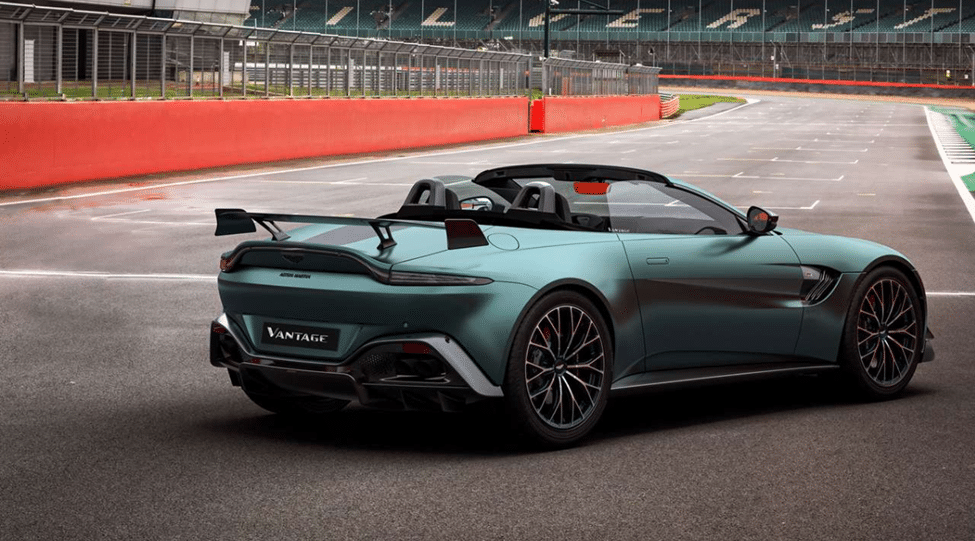
Mercedes-AMG has been a staple in F1 safety cars for years, often chosen for their blend of speed and reliability. The AMG GT R, for instance, boasts a top speed of around 198 mph (318 km/h). This speed ensures it can lead the pack without losing control on high-speed straights.
Another popular model is the Mercedes-AMG C 63 S, which can hit roughly 180 mph (290 km/h). These cars aren’t just fast—they’re built to handle tight corners and sudden acceleration changes, which is crucial during safety car deployments.
Have you ever wondered how a car this fast manages to stay calm and controlled amidst the chaos of a race? The AMG’s advanced suspension and braking systems play a huge role in maintaining stability.
Other Manufacturer Variants
While Mercedes-AMG dominates, other manufacturers have also supplied safety cars with impressive speeds. Ferrari’s 458 Italia, for example, was used in past seasons and can reach speeds up to 202 mph (325 km/h). Its agility makes it a favorite on tracks with sharp turns.
BMW has also contributed with models like the M4, capable of 174 mph (280 km/h). Though slightly slower, these cars offer excellent handling and quick response times.
These different brands bring unique strengths to the safety car role. What do you think matters more: raw speed or maneuverability when leading a pack of Formula 1 cars?
Secrets Behind Safety Car Performance
Have you ever wondered what makes the F1 safety car capable of controlling the pace of some of the fastest machines on the planet? The secret lies not just in its speed, but in the sophisticated engineering and technology that equips it to perform under pressure. These cars are not mere production models; they are meticulously modified to meet the demands of the race track.
Modifications For F1 Use
F1 safety cars undergo extensive modifications to ensure they can keep up with the pace and demands of a Grand Prix event. High-performance brakes, suspension systems, and aerodynamic enhancements are just the beginning. Imagine driving a car that combines the agility of a sports car with the safety features of a race vehicle.
These cars are fitted with powerful engines, often derived from high-end performance models, to ensure they can accelerate and maintain high speeds. The safety car is not just about speed; it’s about maintaining stability and control during critical moments of the race.
Technology And Equipment
The technology inside an F1 safety car is nothing short of extraordinary. Equipped with advanced communication systems, the driver can stay in constant contact with race control to receive real-time updates. This ensures that the safety car can react promptly to any situation on the track.
Inside the cockpit, you’ll find state-of-the-art data acquisition systems, providing the driver with crucial information about the car’s performance and the track conditions. This data is essential for making split-second decisions that could impact the safety of the entire race.
Have you ever thought about the role technology plays in making these cars reliable in extreme conditions? The next time you watch an F1 race, take a moment to appreciate the engineering marvel that is the safety car, seamlessly blending speed, safety, and technology.
Safety Car Vs Virtual Safety Car Speeds
The difference between the Safety Car and the Virtual Safety Car (VSC) speeds is more than just a technical detail—it can completely change the flow of a Formula 1 race. Both are designed to slow down the cars on track for safety reasons, but they operate under different rules and speed limits. Understanding how these speeds vary helps you grasp why teams adjust their race strategies so quickly and why drivers react differently in each scenario.
Differences In Speed Limits
The Safety Car physically leads the pack, and drivers must follow it at a reduced speed, often around 60-80 km/h, depending on the track. This speed is quite slow compared to race pace and varies because the Safety Car driver adjusts speed based on track conditions.
On the other hand, the Virtual Safety Car instructs drivers to reduce their lap time by a set percentage, typically slowing them down to about 40% slower than normal racing speed. This means drivers maintain a consistent, slower pace without a physical car leading them. The VSC speed limit is enforced electronically, and drivers must stick within a delta time shown on their dashboard.
Impact On Race Strategy
These speed differences impact race strategy significantly. Under the Safety Car, drivers bunch up, which can erase any lead a driver had built. This often forces teams to make quick pit stop decisions, knowing the field will be tightly packed afterward.
In contrast, the VSC keeps drivers more spaced out and doesn’t compress the field as much. This means pitting under a VSC might save less time compared to a full Safety Car period. Teams must weigh these differences carefully—pit too early or too late, and you might lose track position instead of gaining it.
Have you noticed how some drivers seem to gain an advantage during Safety Car restarts but struggle under VSC conditions? This is because the physical Safety Car creates more opportunities for strategic overtakes and tire management. Understanding these nuances gives you a better eye for predicting race outcomes and appreciating the split-second decisions behind the scenes.
How Safety Car Speeds Affect Race Outcomes
The speed of the safety car in Formula 1 has a direct impact on race dynamics. It controls how drivers manage their cars and tires during caution periods. Slow safety car speeds can lower tire temperatures, affecting grip. Faster speeds help keep tires warmer but reduce the time for teams to strategize. This balance influences how the race unfolds after the safety car period ends.
Impact On Tire Temperatures
Tire temperature is crucial for performance in F1. The safety car drives slower than racing speeds, causing tires to cool down. Cold tires lose grip and make cars harder to control. Drivers try to keep tires warm by weaving and accelerating on the straights. If the safety car goes too slow for too long, tires can become too cold. This leads to slower lap times once the race restarts.
Teams watch tire temperatures closely during these periods. They may adjust strategies based on how fast the safety car runs. A warmer tire means better traction and faster racing after the safety car leaves the track.
Influence On Overtaking
The safety car speed also affects overtaking chances after the restart. If the safety car moves quickly, drivers keep their tires warm and ready. This creates more opportunities for aggressive moves and passing. Conversely, slow safety car speeds cause tires to cool and reduce grip. Drivers must be cautious on the restart to avoid mistakes.
The difference in tire temperatures between cars can create gaps. Some drivers gain advantage by managing tire heat better during the safety car period. This can lead to unexpected overtakes and changes in race order.
Credit: f1mix.com

Credit: www.grixme.com
Frequently Asked Questions
How Fast Does The F1 Safety Car Typically Go?
The F1 safety car usually drives between 100 to 150 km/h during a race. Speed varies based on track conditions and circuit layout to ensure safety.
Why Is The Safety Car Speed Slower Than Racing Speed?
The safety car drives slower to control the race pace and maintain safety. It helps neutralize the race after incidents or hazards on track.
Which Car Is Used As The F1 Safety Car?
Mercedes-AMG models are commonly used as F1 safety cars. These cars combine high performance with safety features suitable for the role.
Does The Safety Car Speed Affect Race Strategy?
Yes, safety car speed influences tire temperature and fuel consumption. Teams adjust strategies accordingly to optimize performance post-safety car period.
Conclusion
The safety car in F1 drives fast but slower than race cars. It keeps drivers safe during accidents or bad conditions. Speeds vary but usually stay around 60 to 100 mph. This helps control the race without stopping it. Knowing how fast the safety car goes shows its key role in the sport.
It balances safety with excitement on the track. Fans can better appreciate the rules behind the scenes. Safety is always the top priority in Formula 1 racing.