
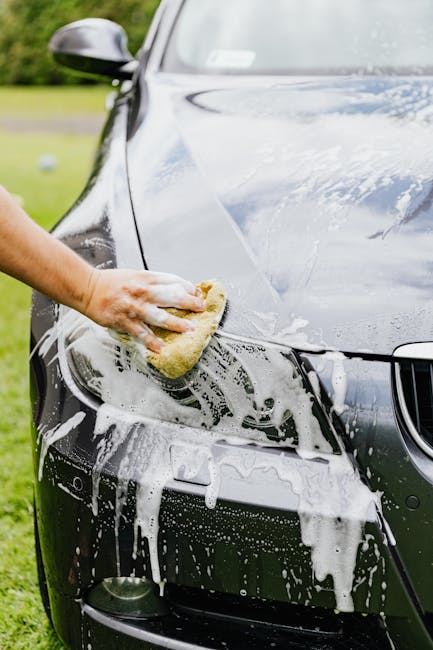
Have you ever found a pesky spot on your car’s paint and wondered if nail polish remover could fix it? It might seem like a quick and easy solution, but before you grab that bottle, you need to know what could happen to your car’s finish.
Using nail polish remover on your car paint might cause more harm than good—damaging the shine, dulling the color, or even eating away at the surface. If you care about keeping your car looking its best, understanding the risks is essential.
Keep reading to find out why nail polish remover can be risky for your car paint and what safer alternatives you can use instead.
Credit: www.rav4world.com
How Nail Polish Remover Works
Nail polish remover is a common household product used to clean nail polish quickly. It works by breaking down the tough layers of polish on nails. This ability comes from its chemical makeup, which dissolves the polish and makes it easy to wipe away.
Understanding how nail polish remover works helps explain its effects on other surfaces, like car paint. It contains specific chemicals that interact with materials differently. Some of these chemicals might be harsh on delicate surfaces.
Common Ingredients In Nail Polish Removers
- Acetone: A strong solvent that dissolves nail polish fast
- Ethyl Acetate: A milder solvent often found in acetone-free removers
- Isopropyl Alcohol: Helps dissolve polish and evaporates quickly
- Fragrances and Moisturizers: Added to improve smell and reduce dryness
Chemical Properties And Effects
Acetone evaporates quickly and breaks down plastics and oils. This makes it very effective for removing nail polish.
Ethyl acetate is less harsh but still dissolves many synthetic materials.
Both acetone and ethyl acetate can strip away paint or clear coatings. They weaken the surface by dissolving binders and resins.
Repeated contact with these solvents can dull or damage delicate finishes like car paint. They remove protective layers, leaving paint exposed to harm.

Credit: www.reddit.com
Interaction Between Nail Polish Remover And Car Paint
Nail polish remover and car paint do not mix well. Nail polish remover contains strong chemicals. These chemicals can affect the car’s paint surface. Understanding how nail polish remover interacts with car paint helps protect your vehicle’s finish.
Types Of Car Paint Finishes
Car paints vary in texture and durability. Common types include:
- Glossy finishes:Smooth, shiny, and reflective.
- Matte finishes:Flat with no shine, more delicate.
- Metallic finishes:Contain small metal flakes for shine.
- Pearlescent finishes:Change color slightly in different light.
Each finish reacts differently to chemicals. Some are more sensitive than others.
Potential Chemical Reactions
Nail polish remover usually contains acetone or ethyl acetate. These solvents dissolve nail polish fast.
On car paint, acetone can:
- Break down the clear coat layer.
- Cause discoloration or fading.
- Make the paint surface rough or dull.
Ethyl acetate is less harsh but still risky. It can weaken the paint’s protective layer.
Repeated or long exposure increases damage risk. Paint can crack or peel over time.
Short-term Damage Risks
Nail polish remover might seem like a quick fix if you accidentally get paint or glue on your car. But using it on your car’s paint can lead to short-term damage that’s often noticeable right away. Understanding these risks helps you decide if you really want to take that chance with your car’s finish.
Surface Discoloration
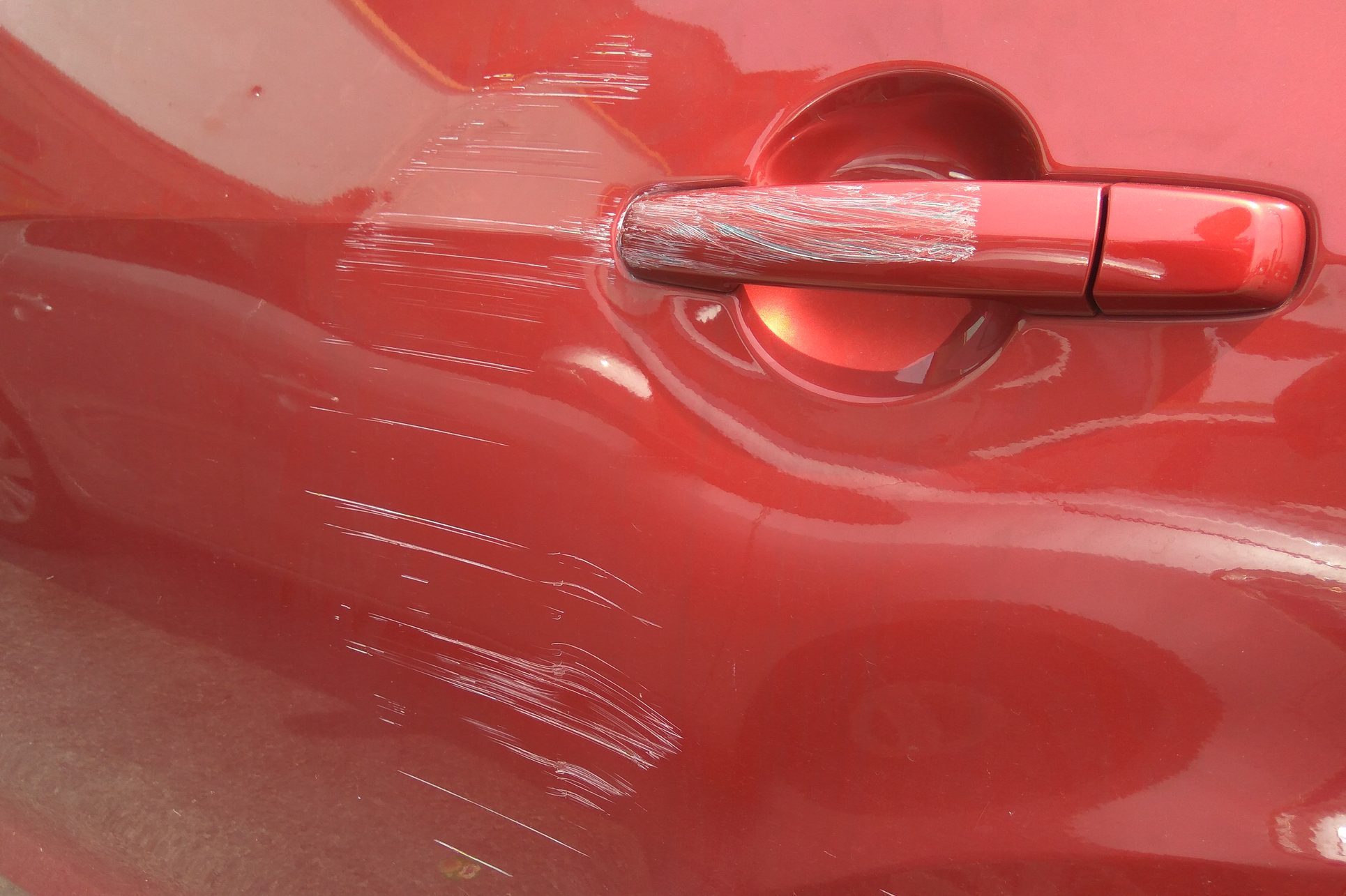
Nail polish remover contains acetone, a strong solvent that can strip away the clear coat protecting your car’s paint. This often causes visible discoloration, leaving dull or faded spots where the remover touched the surface.
Imagine wiping off a tiny spot on your car’s hood and suddenly seeing a lighter patch. That uneven look won’t blend back in and can be hard to fix without professional help.
Have you ever tested a small hidden area before using a product? Skipping this step with nail polish remover can lead to surprise damage.
Paint Softening And Peeling
Acetone doesn’t just discolor paint; it can soften it too. If left on the surface for too long, it may cause the paint layer to peel or flake off.
This damage usually appears within minutes, especially on older paint jobs or areas with thin clear coats. You might notice tiny chips or patches lifting, which exposes the metal underneath to rust risk.
Before grabbing nail polish remover, ask yourself if a safer alternative might protect your car’s finish better. Your paint deserves gentle care, not harsh chemicals that can cause lasting harm.
Credit: www.familyhandyman.com
Long-term Impact On Car Paint
The long-term impact of nail polish remover on car paint can be severe. Nail polish removers contain strong chemicals that break down paint layers. These chemicals can cause lasting harm, even if the damage is not immediately visible. Understanding the risks helps protect your car’s appearance and value.
Fading And Dulling Effects
Nail polish remover can strip away the clear coat on car paint. This clear coat protects the color and shine. Once removed, the paint looks faded and dull. The surface loses its smooth finish, making the car appear older. Over time, sunlight and dirt worsen this faded look.
Structural Paint Damage
Harsh chemicals in nail polish remover may eat into the paint layers. This causes cracks and peeling over time. The paint becomes weaker and more prone to damage. Small scratches can turn into bigger problems. Eventually, the metal beneath may start to rust.
Real-life Incidents And Case Studies
Nail polish remover can harm car paint, causing fading or discoloration. Real-life incidents reveal unexpected damage. Case studies often show even small amounts can lead to costly repairs.
Real-life incidents often reveal the surprising effects of everyday products on car paint. Nail polish remover, commonly found in households, has been reported to have unexpected consequences when accidentally spilled on car surfaces. This section explores real-life stories and case studies where nail polish remover impacted car paint, providing valuable insights and lessons.
Unexpected Mishap In The Driveway
One sunny afternoon, a car owner accidentally tipped over a bottle of nail polish remover in their driveway. The liquid splashed onto their car, leaving behind unsightly streaks on the paint. They quickly realized that the acetone in the remover had started to eat away at the clear coat, highlighting the importance of immediate action.
Garage Experiment Gone Wrong
An attempt to remove a stubborn stain using nail polish remover turned into a costly lesson for another vehicle owner. The remover not only erased the stain but also stripped off a layer of paint. This incident underscored the need for caution and alternative cleaning methods when dealing with stubborn marks on car surfaces.
Case Study: The Curious Teenager
A teenager, curious about the effects of different household items on car paint, conducted an experiment with nail polish remover. The results were startling, as the remover left noticeable marks on the paintwork. This case study serves as a cautionary tale about experimenting with unknown substances on valuable possessions.
Lessons From The Field: Professional Insights
Professionals in the automotive industry often encounter vehicles damaged by nail polish remover. They emphasize that while it can effectively remove paint, it is not designed for car surfaces. Their advice is to always use products specifically formulated for automotive use to avoid unintended damage.
What Would You Do?
Imagine finding your car with paint streaks after a seemingly harmless spill. Would you have known how to react? These stories remind us of the importance of being prepared and understanding the impact of household products on our vehicles.
Safe Alternatives To Nail Polish Remover For Car Care
Nail polish remover can harm car paint due to its strong chemicals. Choosing safe alternatives protects your vehicle’s finish. These options clean effectively without causing damage.
Proper Cleaning Products
Use products designed specifically for cars. These include car wash soaps, wax removers, and bug cleaners. They clean dirt and stains gently. Look for ones labeled safe for automotive paint. Avoid harsh chemicals like acetone or alcohol. Using the right products keeps paint smooth and glossy.
Diy Solutions That Won’t Harm Paint
Simple homemade solutions can clean your car safely. Mix warm water with mild dish soap for everyday cleaning. A vinegar and water solution can remove light stains without damage. Baking soda paste gently tackles tough spots. Always test on a small area first. Rinse well and dry with a soft cloth to avoid scratches.
Emergency Steps If Nail Polish Remover Contacts Car Paint
Nail polish remover can harm car paint quickly. Acting fast is crucial to reduce damage. Knowing emergency steps helps protect your vehicle’s look and value. Immediate action can stop the remover from soaking into the paint. Careful cleaning and repair choices restore the paint’s surface effectively.
Immediate Cleaning Methods
- Rinse the affected area with plenty of water right away.
- Use a soft cloth to gently blot the spot. Avoid rubbing harshly.
- Apply mild car soap mixed with water to clean the paint.
- Rinse again thoroughly to remove all soap and remover residue.
- Dry the area with a clean microfiber towel to prevent water spots.
Repair Options
- Use a scratch remover or polish to reduce minor paint damage.
- Apply a paint sealant or wax to protect the cleaned surface.
- Consult a professional detailer for deeper damage or discoloration.
- Consider repainting if the paint is severely damaged or peeled.
- Regularly inspect the repaired area to ensure lasting results.
Frequently Asked Questions
Can Nail Polish Remover Ruin Car Paint?
Yes, nail polish remover can damage car paint. It contains acetone, which strips away the protective clear coat and paint layers, causing dullness and discoloration.
How Does Acetone Affect Car Paint?
Acetone dissolves the clear coat and paint, leading to fading and peeling. It weakens the paint’s protective barrier, making it more prone to damage.
Is It Safe To Use Nail Polish Remover On Car Scratches?
No, using nail polish remover on scratches can worsen damage. It may remove surrounding paint and clear coat, making scratches more visible and harder to repair.
What Should I Do If Nail Polish Remover Contacts Car Paint?
Immediately rinse the area with water to dilute the remover. Then, wash the spot with car soap and apply a wax or polish to protect the paint.
Conclusion
Nail polish remover can harm car paint if used carelessly. It contains strong chemicals that may strip the paint’s protective layer. Small spots might seem fine at first, but damage can grow over time. Always avoid applying it directly on your car’s surface.
Choose safer cleaning products designed for vehicles instead. Protect your car’s paint with gentle care and proper maintenance. A little caution keeps your car looking good longer. Stay safe and keep your paint bright and smooth.