
Are you wondering when your child can safely switch to a forward-facing car seat? It’s a question every parent or caregiver asks, but the answer isn’t always clear.
Making this change at the right time is crucial for your child’s safety on the road. You’ll learn exactly when and why to make the switch, so you can feel confident every time you buckle up. Keep reading—your child’s safety depends on it.

Credit: maxicosi.com
Rear-facing Vs. Forward-facing Seats
Choosing between rear-facing and forward-facing car seats is a key decision for parents. Each option offers different safety benefits and guidelines. Understanding when to switch your child helps keep them safe on the road.
Benefits Of Rear-facing Seats
Rear-facing seats support the child’s head, neck, and spine during a crash. They absorb impact forces and reduce injury risk. This position spreads crash forces over the entire body.
Experts recommend keeping children rear-facing as long as possible. This is especially important for babies and toddlers under 2 years. Many seats now allow rear-facing for children up to 40 pounds or more.
- Protects vulnerable body parts in a crash
- Reduces risk of head and neck injuries
- Supports proper spinal alignment
- Recommended by safety organizations for infants and toddlers
When To Consider Forward-facing
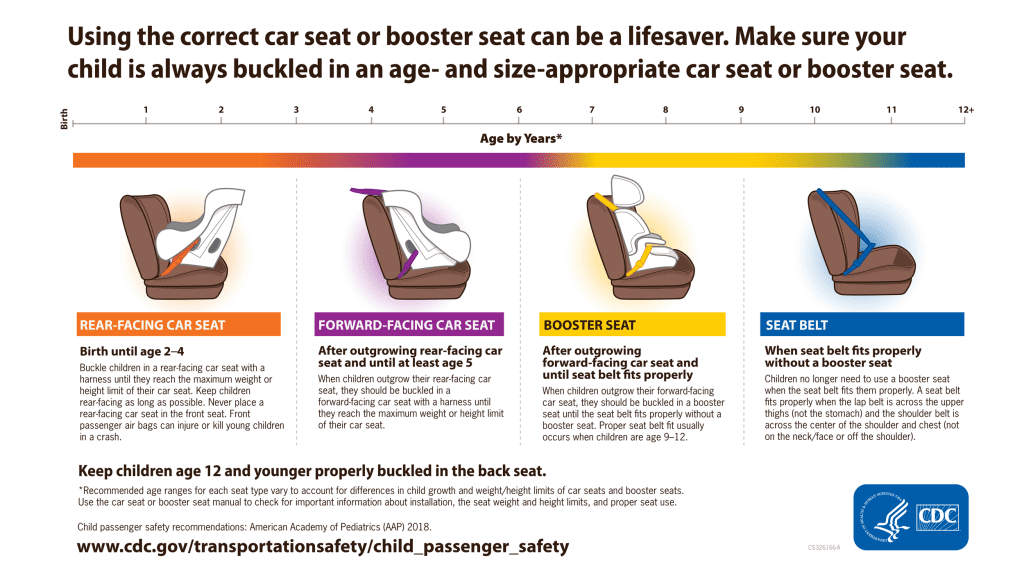
Forward-facing seats are suitable once children outgrow rear-facing limits. Check your car seat’s height and weight guidelines. Children usually switch around age 2 or older.
Use a forward-facing seat with a harness for maximum safety. This provides better restraint than booster seats. Children should stay in this seat until they reach the maximum size limit.
- Child meets or exceeds rear-facing height or weight limits
- Child is at least 2 years old
- Use a 5-point harness forward-facing seat
- Follow car seat manufacturer’s instructions

Credit: www.multicare.org
Age And Weight Recommendations
Understanding the right time to switch your child to a forward-facing car seat is crucial for their safety. Age and weight recommendations are key factors you need to pay close attention to before making the change. Ignoring these guidelines can put your child at risk, so let’s break down what you should know.
Minimum Age For Forward-facing
Most safety experts recommend keeping your child rear-facing until at least 2 years old. This is because rear-facing seats offer better protection for your child’s head, neck, and spine during a crash. If your toddler has reached 2 years but is still below the weight limit, you might want to wait a bit longer.
Have you ever rushed to switch your child too soon? Many parents do, thinking their toddler is ready just because they want more convenience. Remember, age is not just a number here; it’s about your child’s development and safety.
Weight And Height Limits
Car seats come with specific weight and height limits set by the manufacturer. Typically, forward-facing seats are designed for children who weigh between 20 to 65 pounds. However, some seats may allow kids up to 80 pounds or more, so always check your seat’s manual.
Height matters just as much as weight. Your child’s ears should be below the top of the car seat when seated. If your child outgrows these limits, it’s time to move on to the next stage of car seats or booster seats.
| Car Seat Stage | Typical Weight Range | Typical Height Limit | Minimum Age |
|---|---|---|---|
| Rear-Facing | Up to 40 lbs | Usually under 40 inches | Birth to at least 2 years |
| Forward-Facing | 20 to 65+ lbs | Up to 49 inches | At least 2 years |
| Booster Seat | 40 to 100+ lbs | Generally over 49 inches | Usually 4 years and up |
Checking these numbers before switching your child’s car seat can save you from costly mistakes. What’s your experience with managing your child’s car seat transitions? Sharing your story could help others make safer decisions.
Safety Standards And Regulations
Safety standards and regulations guide parents on the right time to turn kids forward in car seats. These rules protect children during travel and reduce injury risks. Understanding federal and state laws helps ensure car seat use is both legal and safe.
Federal Guidelines
The National Highway Traffic Safety Administration (NHTSA) sets key federal rules for car seat use. Children should remain in rear-facing seats until they reach the highest weight or height allowed by the seat’s manufacturer. This often means keeping kids rear-facing until at least 2 years old.
Federal guidelines emphasize:
- Rear-facing seats provide better head and neck protection.
- Forward-facing seats should only be used after meeting weight and height limits.
- Proper installation and use are crucial for safety.
State-specific Laws
Each state has its own rules about car seat orientation and age limits. Some states require children to stay rear-facing until age 2 or older. Others set weight or height minimums before allowing forward-facing seats.
Parents must check their state’s laws because:
- Rules vary widely across the country.
- Following local laws avoids fines and legal issues.
- State laws often reflect the latest safety research.
Signs Your Child Is Ready
Knowing when your child is ready to switch to a forward-facing car seat is important for their safety and comfort. It’s not just about reaching a certain age or weight but recognizing specific signs that show your child is prepared. Paying attention to these signals helps you make the best decision for your little one’s protection on the road.
Physical Indicators
One clear sign your child is ready to face forward is their physical growth. They should have outgrown the height and weight limits of their rear-facing seat, which are usually listed on the car seat label.
Look for these key points:
- Head Height:Your child’s head should be at least one inch below the top of the rear-facing car seat.
- Weight Limit:Check if your child exceeds the maximum weight allowed for rear-facing mode, often around 40 pounds.
- Neck Strength:Kids need enough neck muscle control to support their head facing forward without strain.
When my daughter’s head was constantly brushing the top of her rear-facing seat, I knew it was time to consider the switch. It wasn’t just about numbers; I noticed she seemed cramped and uncomfortable during rides.
Behavioral Cues
Besides physical signs, your child’s behavior can tell you a lot about their readiness. If they start showing signs of discomfort or frustration in the rear-facing seat, it might be time to change.
Watch for these behaviors:
- Squirming or Fidgeting:Frequent attempts to twist or move out of position can indicate discomfort.
- Resistance to Getting In:Reluctance or crying when placed in the rear-facing seat shows they might want more freedom to look around.
- Increased Curiosity:Kids who want to see the front or interact with the driver often prefer facing forward.
Once, my son kept trying to peek over my shoulder during drives. It was a strong hint he was ready to face forward, and after switching, he seemed much happier and more relaxed.
Have you noticed your child showing these signs? Observing both physical and behavioral cues ensures you make a confident choice that keeps your child safe and comfortable every trip.
Proper Installation Tips
Kids should stay rear-facing until they reach the car seat’s height or weight limit. Always follow the car seat manual for safe forward-facing installation. Proper harness adjustment and secure seat placement keep children safe during travel.
Proper installation of a forward-facing car seat ensures your child’s safety. It requires attention to detail and adherence to guidelines. This section covers essential tips to install the car seat correctly.Using The Harness Correctly
The harness is crucial for safety. Ensure the straps are snug. They should lie flat without twists. The chest clip must be at armpit level. This position keeps the child secure during a sudden stop. Always check the tightness. You shouldn’t pinch extra strap material.Securing The Car Seat
Properly secure the car seat to the vehicle. Use either the seat belt or the LATCH system. The car seat should not move more than an inch side-to-side. Always refer to both the car seat and vehicle manuals. They provide specific installation instructions. Regularly check the seat’s position for any shifts.
Credit: orbitbaby.com
Common Mistakes To Avoid
Parents often make common mistakes when switching their child to a forward-facing car seat. These errors can reduce safety and comfort. Avoiding these mistakes helps keep children secure during travel. Understanding these pitfalls guides parents in making the right decisions for their child’s car seat transition.
Switching Too Early
Many parents switch their child to a forward-facing seat before the child reaches the right age or weight. This can increase the risk of injury in a crash. Children should remain rear-facing until they outgrow the car seat’s rear-facing limits. Always check the car seat manual for weight and height recommendations. Waiting longer offers better protection for a child’s head and neck.
Improper Seat Positioning
Placing the car seat incorrectly reduces its effectiveness. The seat must be installed tightly and at the correct angle. A loose or tilted seat can cause harm in an accident. The harness should fit snugly without slack and be at or above the child’s shoulders. Ensure the seat belt or latch system is used properly to secure the car seat. Regularly inspect the seat positioning to maintain safety.
Expert Recommendations
Experts agree that choosing the right time to switch a child to a forward-facing car seat is crucial. Proper guidance helps keep kids safe during every trip. Recommendations come from trusted pediatricians and safety organizations. They base advice on research and real-world safety data.
Advice From Pediatricians
Pediatricians suggest keeping children rear-facing as long as possible. The American Academy of Pediatrics recommends children stay rear-facing until at least age 2. This position better protects a child’s head, neck, and spine. Many car seats now support rear-facing up to 40 pounds or more.
Doctors also stress checking the car seat’s height and weight limits. Kids should face forward only when they outgrow these limits. Parents must follow the car seat manufacturer’s instructions carefully. Safety depends on proper installation and use.
Safety Organization Tips
Safety groups like the National Highway Traffic Safety Administration (NHTSA) support the rear-facing rule. They highlight that rear-facing seats reduce injury risk in crashes. Their guidelines encourage parents to delay forward-facing as long as possible.
- Keep children rear-facing until they reach the seat’s maximum limits.
- Use forward-facing seats with a harness, not just a seat belt.
- Ensure the harness fits snugly and the chest clip is at armpit level.
- Regularly check car seat recalls and safety updates.
Following these expert tips helps protect children on the road. Safety starts with informed choices and careful attention to detail.
Transitioning To Booster Seats
Kids can face forward in a car seat once they reach the right age, weight, and height. Usually, this is after they outgrow the rear-facing limits set by the car seat manufacturer. Always check the car seat guidelines to keep children safe during the transition.
Transitioning your child from a rear-facing car seat to a booster seat is a significant milestone in their journey towards independence. It’s a decision that requires careful consideration of your child’s size, age, and readiness. Understanding when and how to make this transition safely is crucial for your child’s safety and comfort during car rides.When To Make The Switch
The right time to transition to a booster seat is not solely based on age. Instead, focus on your child’s height and weight. Many experts recommend waiting until your child is at least 4 years old, weighs at least 40 pounds, and has outgrown their forward-facing harness seat. Check the specific guidelines for your car seat, as they often provide height and weight limits. If your child is fidgeting or seems uncomfortable in their current seat, it might be time to consider a booster. Remember, patience is key to ensuring their safety.Booster Seat Safety
Ensuring the booster seat is installed correctly is paramount. Always follow the manufacturer’s instructions and use the seat belt to secure the booster. The seat belt should fit snugly across your child’s shoulder and chest, not their neck or face. Teach your child the importance of sitting still in their seat. Movements during the ride can compromise their safety. Encourage them to sit back against the seat and keep the seat belt properly positioned at all times. Using a booster seat is a step towards your child’s independence, but it’s essential to ensure it’s used correctly. Are you confident in your child’s readiness, and have you double-checked the installation? Prioritizing these steps can make a world of difference in keeping your little one safe.Frequently Asked Questions
When Is The Right Age For Forward-facing Car Seats?
Children should face forward after they outgrow rear-facing limits, typically around 2 years old. Always check height and weight guidelines for safety.
What Weight And Height Allow Forward-facing Seats?
Most seats require children to weigh between 20-40 pounds and be at least 2 years old. Height limits vary; follow car seat instructions closely.
Why Keep Kids Rear-facing Longer?
Rear-facing seats offer better head, neck, and spine protection during crashes. Keeping kids rear-facing until age 2 or more is safer.
Can Toddlers Face Forward Before 2 Years Old?
It’s best to wait until toddlers reach car seat limits. Forward-facing too early may increase injury risks in accidents.
Conclusion
Kids should stay rear-facing as long as possible for safety. Most experts suggest turning forward only after reaching height and weight limits. Always check your car seat manual for specific rules. Proper installation and correct harness use keep children safe.
Parents must follow guidelines and local laws carefully. Safety comes first when choosing the right car seat direction. Remember, every child grows at their own pace. Prioritize comfort and security during every ride. Keep learning and stay updated on car seat safety tips.
Safe travels protect your little ones every time.