
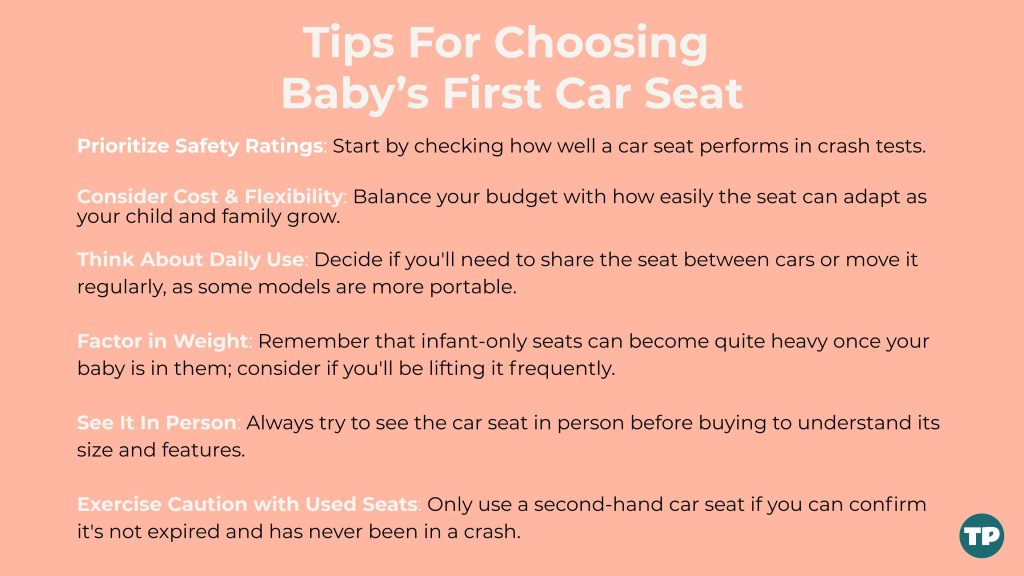
When you’re looking to buy a car, safety is probably one of your top concerns. But have you ever wondered how car safety ratings are actually determined?
Understanding these ratings can help you make smarter choices and protect yourself and your loved ones on the road. You’ll discover what goes into these ratings, how tests are done, and why they matter to you. Keep reading to learn the secrets behind those star scores and find out how they can guide you to a safer ride.
Credit: www.awjlaw.com
Crash Test Procedures
Crash test procedures are essential for understanding how well a vehicle can protect its occupants during an accident. These tests simulate real-world crashes to measure the car’s structural integrity and safety features. Knowing how these tests work helps you appreciate the safety ratings your car receives and why some models perform better than others.
Frontal Impact Tests
Frontal impact tests mimic a head-on collision, the most common type of crash. A car is driven at a set speed into a solid barrier to see how the front end absorbs the impact. Sensors inside the car measure forces on crash test dummies, showing potential injuries to the driver and passengers.
These tests reveal how well seat belts, airbags, and crumple zones protect you. Have you ever wondered why some cars’ fronts look so damaged after minor crashes while others seem nearly intact? It’s all about how energy is managed during impact.
Side Impact Tests
Side impact tests evaluate how a car holds up when hit from the side, a dangerous scenario due to limited space between the occupant and the point of impact. A moving barrier strikes the side of the test vehicle at a specific speed.
Inside, sensors check for injuries to the torso and head, as side airbags and reinforced door beams play a big role here. If you’re frequently driving in city traffic or narrow roads, these tests are crucial to your safety.
Rollover Resistance
Rollover tests measure a vehicle’s ability to stay upright during sharp turns or accidents that could tip the car over. This includes a static tilt test and a dynamic driving test to simulate real rollover risks.
Vehicles with a lower center of gravity and strong roof structures score better, reducing your chance of serious injury. Think about your daily routes—are you driving in hilly areas or making sharp turns where rollover risk matters?
Rear Impact Tests
Rear impact tests focus on how well a car protects occupants in a collision from behind, especially important for preventing whiplash. A moving barrier hits the back of the vehicle at a controlled speed.
Safety features like head restraints and seat design are crucial here. If you spend a lot of time in traffic jams or stop-and-go driving, a strong rear impact rating can make a big difference in your comfort and safety.
Safety Features Evaluated
Car safety ratings depend heavily on the safety features a vehicle includes. These features are tested and evaluated to see how well they protect occupants in crashes. Each feature plays a role in reducing injuries and saving lives. Experts study the design, performance, and reliability of these systems.
Airbags And Restraints
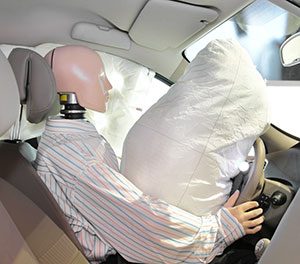
Airbags cushion passengers during a crash to reduce impact forces. Modern cars use multiple airbags placed around the cabin. Restraint systems include seatbelts and pre-tensioners that hold passengers tightly. The timing and deployment of airbags are tested in various crash scenarios.
Electronic Stability Control
Electronic Stability Control (ESC) helps drivers maintain control in slippery conditions. It senses loss of traction and applies brakes to individual wheels. This feature reduces the risk of skidding and rollovers. ESC is a key factor in preventing accidents before they happen.
Automatic Emergency Braking
Automatic Emergency Braking (AEB) detects potential collisions using sensors. It applies brakes automatically if the driver doesn’t react in time. This system helps avoid crashes or lessen their severity. AEB is tested in different traffic and speed conditions to ensure effectiveness.
Seatbelt Effectiveness
Seatbelt effectiveness is measured by how well it restrains passengers in crashes. Tests check how seatbelts reduce forward motion and prevent ejection. Proper fit and ease of use are also evaluated. Good seatbelts work with airbags and other features for full protection.
Rating Organizations
Car safety ratings come from trusted organizations that rigorously test vehicles to help you make informed choices. These groups use detailed crash tests and evaluations to show how well a car protects its passengers. Understanding who these organizations are gives you a clearer picture of how your safety is measured on the road.
National Highway Traffic Safety Administration
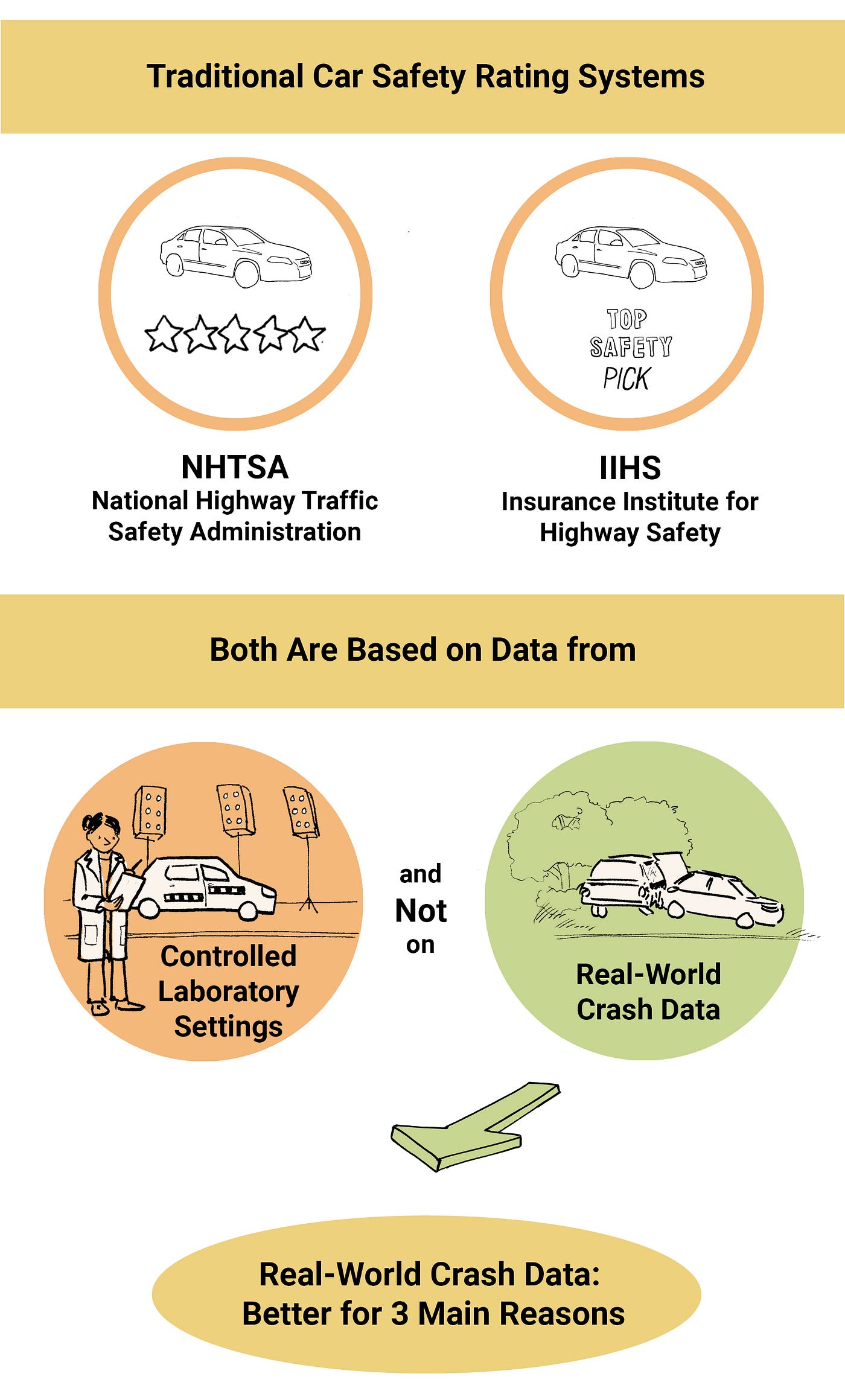
The National Highway Traffic Safety Administration (NHTSA) is a U.S. government agency that performs crash tests on new vehicles. They assign star ratings from 1 to 5, with 5 stars indicating the highest level of safety. You might have seen their ratings on car windows or in advertisements—these numbers come from tough frontal, side, and rollover crash tests.
What sets NHTSA apart is its focus on real-world crash data combined with lab results. This means their ratings reflect both controlled tests and actual accident outcomes. If you want straightforward, easy-to-understand scores, NHTSA’s ratings are a solid place to start.
Insurance Institute For Highway Safety
The Insurance Institute for Highway Safety (IIHS) is a nonprofit funded by auto insurers. Their tests go beyond the basics, including challenging small overlap front crashes and headlight performance checks. IIHS ratings use categories like Good, Acceptable, Marginal, and Poor, which might feel more descriptive than stars.
One thing I learned from IIHS reports is how important crash avoidance features are. They test systems like automatic emergency braking, so you know if a car actively helps prevent accidents. Are you paying enough attention to these features when shopping for a car?
European New Car Assessment Programme
The European New Car Assessment Programme (Euro NCAP) provides safety ratings for cars sold in Europe. Their approach combines adult and child occupant protection, pedestrian safety, and safety assist technologies into a percentage score. This comprehensive look helps you see how a car protects everyone—not just the driver.
Euro NCAP’s detailed reports include crash test videos and explanations, which can be eye-opening. Seeing a test in action might change how you view your next car purchase. Have you checked if your favorite model has a Euro NCAP rating before?
Data Collection And Analysis
Car safety ratings depend heavily on accurate data collection and detailed analysis. This process involves gathering diverse information from actual accidents and controlled tests. Experts then use this data to measure a vehicle’s ability to protect passengers during crashes. Understanding these methods reveals how safety scores reflect real-world performance.
Real-world Crash Data
Real-world crash data comes from police reports, insurance claims, and hospital records. It shows how cars perform in everyday accidents. Analysts study injury patterns, vehicle damage, and survival rates. This data helps identify weaknesses in car designs under real conditions. It provides a crucial link between laboratory results and actual safety outcomes.
Laboratory Testing
Laboratory testing uses crash dummies and sensors to simulate collisions. Cars are tested in controlled environments with precise impact scenarios. Tests include frontal, side, and rollover crashes. Each test measures forces on dummies to assess injury risk. These results provide consistent and repeatable data for rating vehicles. Lab tests ensure safety features meet strict standards before hitting the road.
Statistical Modeling
Statistical modeling combines crash data and test results to predict safety performance. Experts use computer algorithms to analyze trends and patterns. Models estimate the likelihood of injuries in different crash types. They also adjust for factors like vehicle type and road conditions. This approach refines safety ratings, making them more accurate and reliable. It bridges gaps between tests and real-world outcomes.
Interpreting Safety Scores
Understanding car safety ratings is crucial for every car buyer. These scores offer insights into how well a vehicle protects passengers during a crash. Interpreting these scores helps make informed decisions. Knowing what the scores mean ensures you choose a safer vehicle.
Star Ratings Explained
Star ratings simplify safety scores for easy understanding. They range from one to five stars. More stars mean better safety in crash tests. A five-star rating indicates excellent protection. One-star means minimal protection. These ratings help compare vehicles at a glance. They also highlight areas where a car excels or needs improvement.
Comparing Vehicle Classes
Vehicle classes differ in size, weight, and design. Safety ratings help compare vehicles within the same class. A compact car with a five-star rating might not be as safe as an SUV with four stars. The size and weight of vehicles affect crash outcomes. Compare vehicles within their class for a fair assessment.
Limitations Of Ratings
Safety ratings have limitations. They may not cover all real-world scenarios. Ratings focus on crash tests, ignoring other factors like handling. They don’t consider driver behavior or weather conditions. Ratings also evolve with technology. Newer cars might have features not tested yet. Always consider these factors alongside ratings for a complete view.

Credit: www.harwoods.co.uk
Advancements In Safety Testing
Advancements in safety testing have greatly improved how car safety ratings are determined. Modern tests use new tools and methods to better understand crash impacts. These improvements help protect drivers and passengers more effectively. Safety testing now blends technology with real-world data for accurate results.
Use Of Dummies And Sensors
Crash test dummies simulate human bodies in car crashes. They are equipped with sensors to measure forces on different body parts. Sensors track impact, pressure, and movement during collisions. This data shows how injuries might happen in real crashes. Engineers use it to improve car designs and safety features.
Simulation Technologies
Computer simulations model car crashes before physical tests. They allow testing many crash scenarios quickly and safely. Simulations reduce costs and help find safety issues early. Virtual models predict how cars react in different impacts. This technology makes safety testing faster and more precise.
Future Trends In Safety Evaluation
New trends focus on smarter and more detailed safety tests. Artificial intelligence helps analyze crash data better. Sensors may become more advanced to detect subtle forces. Testing may include more real-life situations like weather or road conditions. Future safety ratings will give clearer, more useful information to buyers.
Expert Tips For Consumers
Understanding car safety ratings helps buyers make smart choices. Experts share tips to use these ratings effectively. Focus on what matters most for you and your family. Stay informed to keep your vehicle safe over time.
Choosing Based On Ratings
Look for cars with high crash test scores. Pay attention to front, side, and rollover safety ratings. Choose vehicles with advanced safety features like airbags and automatic braking. Ratings from trusted sources like IIHS and NHTSA are reliable guides.
Considering Personal Needs
Think about your daily driving habits and road conditions. Consider the size and type of vehicle that fits your lifestyle. Families may need extra space and child safety features. Drivers in harsh climates should check for stability and traction control.
Staying Updated On Safety Recalls
Check for recalls regularly to avoid safety risks. Manufacturers fix defects by issuing free repairs. Use official websites or apps to monitor recalls on your car. Acting quickly keeps you and others safer on the road.
Credit: comarci.it-label.net
Frequently Asked Questions
What Factors Influence Car Safety Ratings?
Car safety ratings depend on crash test results, occupant protection, and safety technology effectiveness. Agencies evaluate frontal, side, and rollover crashes to determine ratings.
Who Conducts Car Safety Rating Tests?
Organizations like NHTSA and IIHS conduct car safety tests. They perform standardized crash tests and analyze vehicle safety features to assign ratings.
How Are Crash Tests Performed For Safety Ratings?
Crash tests use dummies to simulate real-world collisions. Tests measure injury risks to occupants, assessing structural integrity and restraint systems.
Why Are Safety Ratings Important For Car Buyers?
Safety ratings help buyers choose vehicles with better occupant protection. Higher ratings indicate advanced safety features and crashworthiness, reducing injury risks.
Conclusion
Car safety ratings help you pick safer vehicles. Experts test crashes, brakes, and more. These tests show how well a car protects you. Ratings guide buyers to choose wisely. Always check ratings before buying a car. Safer cars mean fewer injuries in accidents.
Understanding ratings keeps you and your family safe. Trust the tests to find reliable protection. Safety matters on every drive you take.