
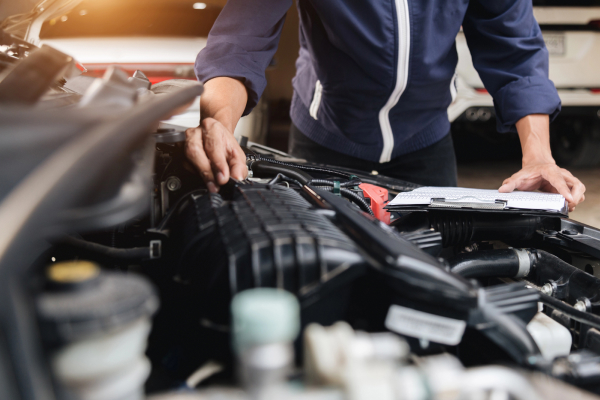
Are you wondering if your car needs a safety and emissions inspection this year in Utah? Keeping your vehicle up to date with these checks is crucial—not just because the law requires it, but because it keeps you and others safe on the road.
Missing an inspection can lead to fines, registration problems, and even costly repairs down the line. You’ll find clear answers about when and why your car needs these inspections, helping you avoid surprises and stay worry-free. Keep reading to find out exactly what you need to do to keep your car compliant and running smoothly.
Safety Inspection Requirements
Understanding Utah’s safety inspection requirements can save you time and keep your vehicle roadworthy. These inspections focus on making sure your car meets essential safety standards to protect you and others. Knowing whether your car needs this check this year helps avoid unexpected fines or registration issues.
Vehicles Subject To Safety Checks
Not every car in Utah requires a safety inspection each year. Generally, vehicles older than 6 model years must undergo this check. If your car is newer or classified as an electric vehicle, you might be exempt.
Do you drive a light truck or SUV? These often have different rules, so check the Utah DMV website or your registration notice for specific details. Missing this step can lead to surprises at renewal time.
Inspection Frequency And Timing
Safety inspections are typically required once every year or every two years depending on your vehicle type and county. If your vehicle is due, the inspection must be completed before renewing your registration.
Timing is crucial. Getting inspected too early or too late can cause your registration to be rejected. Keep track of your inspection due date on your registration or renewal notice to avoid this hassle.
Key Safety Components Tested
During the inspection, several critical parts of your vehicle are checked. Inspectors look closely at brakes, tires, lights, horn, windshield wipers, and mirrors. These components must function properly to pass.
Have you ever noticed a flickering headlight or worn brake pads? These small issues can cause your vehicle to fail inspection and require immediate repair. Staying on top of these checks can keep your car safe and your inspection stress-free.
Credit: www.jonescompletecarcare.com
Emissions Testing Rules
Utah enforces specific emissions testing rules to maintain air quality. These rules apply to certain areas and vehicle types. Knowing these details helps drivers comply with state laws and avoid fines.
Areas Requiring Emissions Tests
Only some parts of Utah need emissions testing. These areas usually have higher traffic and pollution levels.
- Salt Lake County
- Utah County
- Davis County
- Tooele County
- Weber County
Vehicles registered in these counties must complete emissions tests. Other areas in Utah do not require these tests.
Eligible Vehicle Models
Not all vehicles need emissions tests. The state targets specific model years and types.
- Gasoline-powered vehicles from model year 1968 and newer
- Passenger cars and light trucks
- Vehicles weighing less than 8,500 pounds
- Vehicles not exempt due to age or condition
Diesel vehicles, electric cars, and hybrids often have different rules. Check your vehicle’s eligibility before testing.
Test Procedures And Standards
Utah uses state-approved testing stations. The test measures pollutants like carbon monoxide and hydrocarbons.
The main steps include:
- Idling test or dynamometer test
- Inspection of the vehicle’s emissions system
- Review of the onboard diagnostic system (OBD)
Vehicles must meet the state’s pollution limits to pass. Failure means repairs and retesting are necessary.
Exceptions And Exemptions
Not every vehicle in Utah needs to go through safety and emissions testing every year. There are clear exceptions and exemptions that can save you time and money. Understanding these rules helps you avoid unnecessary inspections and keeps you informed about your responsibilities.
Vehicles Exempt From Testing
Some vehicles don’t have to take safety or emissions tests at all. This includes:
- Electric vehicles (EVs) since they produce no emissions.
- Gasoline-powered vehicles that are less than 4 years old.
- Vehicles that fall under specific government or military exemptions.
If you drive an EV or a newer car, you might be surprised to learn you could skip these tests. Does your car fit into one of these categories?
Age And Mileage Considerations
Age and mileage play a big role in exemption eligibility. Cars older than 40 years often qualify as classic vehicles and may be exempt from emissions tests.
On the other hand, vehicles with low mileage might sometimes be exempt depending on the county rules. Check your local DMV guidance to see if your mileage could impact your testing needs.
Special Cases And Waivers
Sometimes, you can apply for a waiver if your vehicle fails the emissions test but meets certain criteria.
- Vehicles with repair costs exceeding a set limit.
- Cars that can prove unusual hardship to the owner.
Have you ever wondered if your car’s failing test could be waived? Knowing the waiver options can help you avoid costly repairs and keep your vehicle on the road legally.

Credit: aceautoutah.com
How To Prepare Your Vehicle
Preparing your vehicle for safety and emissions inspections in Utah helps avoid delays and extra costs. A well-maintained car has a better chance of passing the tests the first time. Simple checks and fixes can make the process smoother. Start early to give yourself enough time to handle any issues.
Pre-inspection Maintenance Tips
- Check tire pressure and tread depth.
- Ensure all lights are working, including headlights and brake lights.
- Replace worn windshield wipers for clear visibility.
- Change engine oil if it is near the recommended interval.
- Keep the gas tank at least one-quarter full for accurate emissions testing.
Common Issues To Address
- Fix any dashboard warning lights, especially the check engine light.
- Repair brakes if they feel soft or make noise.
- Replace cracked or chipped windshield glass.
- Clean or replace air filters to improve engine performance.
- Ensure the exhaust system has no leaks or damage.
Finding A Certified Inspection Station
Utah requires inspections at certified stations only. These stations meet state standards for safety and emissions testing. Use the Utah Department of Public Safety website to find nearby locations. Call ahead to confirm hours and available services. Early booking can save time and avoid last-minute stress.
Consequences Of Non-compliance
Failing to meet Utah’s safety and emissions rules can lead to fines and vehicle registration delays. Driving without required inspections risks legal trouble and unsafe road conditions. Staying compliant helps avoid penalties and keeps your car roadworthy.
Owning a car in Utah means staying informed about safety and emissions requirements. Ignoring these regulations can lead to serious consequences. Non-compliance not only affects your car’s registration but also your finances and time. Let’s explore the impact of neglecting these responsibilities.Penalties And Fines
Failing to meet safety and emissions standards can result in hefty fines. These penalties are designed to ensure compliance and maintain environmental health. You might think skipping the test saves money, but the fine could be much higher than the test fee.Registration Renewal Impact
Your car’s registration renewal is directly linked to passing safety and emissions tests. Without a passing certificate, renewing your registration becomes impossible. Imagine planning a road trip only to find out your car can’t legally be on the road because of a missed test.Steps To Take After A Failed Test
Failing a safety or emissions test isn’t the end of the world. Start by identifying the issues highlighted in the test report. Work with a reliable mechanic to address these problems promptly. Once repairs are complete, return for a retest. It’s often cheaper and quicker than dealing with fines or registration issues. Think of it as a chance to ensure your car is in top condition, making your drives safer and more efficient.
Credit: www.raysmuffler.com
Resources And Support
Knowing where to find reliable information and support can make your Utah car safety and emissions check much easier. Instead of guessing or relying on secondhand info, accessing official resources keeps you informed and prepared. Here’s where you can turn for help and accurate guidance.
State Agency Contacts
The Utah Department of Environmental Quality and the Utah Department of Public Safety are your primary contacts for questions about safety and emissions requirements.
- Utah Department of Environmental Quality (DEQ): They handle emissions testing standards. You can call their main office or visit their website for updates on regulations.
- Utah Department of Public Safety (DPS): Responsible for vehicle safety inspections and registration rules. Their customer service can clarify any doubts about your vehicle’s compliance.
Have you tried calling these agencies directly? Sometimes a quick conversation clears up confusion faster than searching online.
Online Tools And Portals
Utah offers several online platforms where you can check if your vehicle needs inspection this year.
- Emissions Testing Eligibility Tool: Enter your vehicle details to find out if emissions testing is required in your county.
- Vehicle Inspection Status Portal: This lets you see your vehicle’s inspection history and whether it’s currently compliant.
Using these tools can save you time and prevent unnecessary trips to the inspection station.
Local Inspection Locations
Finding a convenient place for your safety and emissions test is crucial. Utah has many certified inspection stations spread across the state.
- Authorized Inspection Centers: These include automotive service shops and specialized testing facilities approved by the state.
- Mobile Inspection Services: Some areas offer mobile units that come to your location, adding flexibility.
Before you schedule, check reviews or ask locals about their experiences to avoid surprises. Where do you usually get your car inspected? Could trying a new location improve your experience?
Frequently Asked Questions
Does My Utah Car Need Safety Inspection This Year?
Yes, most vehicles in Utah require a safety inspection every year. This ensures your car meets state safety standards and is roadworthy.
Is An Emissions Test Mandatory In Utah Annually?
If you live in certain Utah counties, an emissions test is mandatory every year to reduce air pollution and maintain clean air quality.
How Do I Know If My Car Needs Emissions Testing?
Check the Utah DMV website or your vehicle registration notice. They specify if your car requires emissions testing based on location and vehicle type.
What Vehicles Are Exempt From Utah Safety And Emissions Tests?
Typically, new vehicles under five years old and electric cars are exempt from emissions tests. Classic cars may also have different requirements.
Conclusion
Knowing if your car needs safety and emissions tests in Utah helps you stay legal. These tests keep roads safe and clean. Check your vehicle’s registration date to find out if testing is required. Plan ahead to avoid fines or delays.
Regular checks also help spot problems early. Stay informed to keep your car running smoothly. Simple steps protect you, your passengers, and the environment. Safety and emissions tests matter for every driver in Utah.