
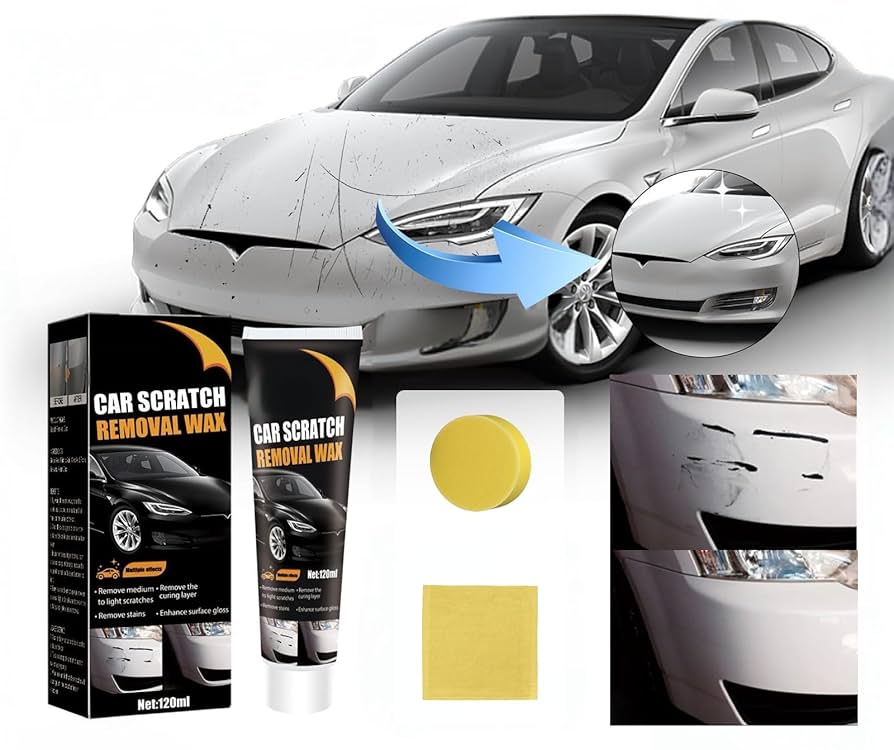
Have you noticed those annoying light scratches on your car that make it look less shiny and new? You’re not alone, and the good news is—you don’t have to spend a fortune at the shop to fix them.
With the right steps, you can polish out those scratches yourself and bring back your car’s smooth, flawless finish. Keep reading, and you’ll learn simple, effective tricks to restore your car’s shine quickly and easily. Your car deserves to look its best, and you’re just moments away from making that happen!
Identify Light Scratches
Identifying light scratches is the first step in restoring your car’s smooth finish. These scratches are usually shallow and do not penetrate the paint deeply. Recognizing them early helps in choosing the right polishing method. Light scratches often appear as faint marks and can sometimes be felt with a fingernail.
Proper identification prevents unnecessary damage to the car’s surface. It also saves time and effort during the polishing process. Take your time to examine the affected area closely under good lighting.
Check Scratch Depth
Run your fingernail gently over the scratch. If your nail does not catch, the scratch is likely light. Light scratches only affect the clear coat layer of the paint. Deeper scratches will feel rough or snag your nail.
Use a bright flashlight or natural light to inspect the scratch. Look for changes in color or texture around the mark. Light scratches often look white or slightly dull compared to the surrounding paint.
Clean The Affected Area
Wash the scratched area with soap and water before polishing. Dirt and debris can cause more scratches during the process. Use a soft cloth or sponge to clean gently.
Dry the area completely with a microfiber towel. This step ensures the polishing product works effectively. Clean surfaces provide a clear view of the scratch and prevent further damage.
Credit: www.amazon.ca
Gather Necessary Materials
Before polishing out light scratches on your car, gather all necessary materials. Having the right items ready saves time and ensures a smooth process. Proper materials help protect your car’s paint and achieve better results.
Choose The Right Polish
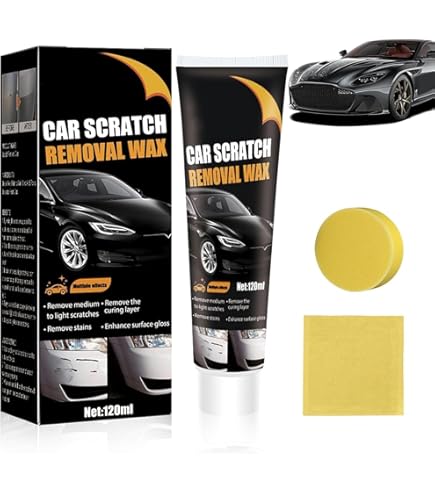
Select a polish designed for light scratches and minor imperfections. Look for a product with fine abrasives to avoid damaging the paint. Many polishes come with clear labels indicating their use for light scratch removal. A good polish restores shine and smoothness without harsh effects.
Select Applicator Tools
Use soft applicator pads or foam pads made for polishing. These tools help apply polish evenly and gently. Avoid rough cloths or sponges that can cause more scratches. Microfiber towels are ideal for wiping off excess polish without leaving fibers behind.
Prepare The Car Surface
Preparing the car surface is a crucial step before polishing out light scratches. A clean and well-protected surface ensures the polish works effectively without causing further damage. Taking time to prepare the area properly saves effort and improves the final shine.
Wash And Dry Thoroughly
Start by washing the car to remove dirt, dust, and grease. Use a gentle car shampoo and a soft sponge or mitt. Clean all affected areas carefully to avoid trapping particles under the polish.
Rinse the car well with clean water. Dry the surface completely using a microfiber towel. A dry surface helps the polish adhere better and reveals all scratches clearly.
Tape Off Surrounding Areas
Use painter’s tape to cover parts near the scratches. Protect areas like trim, rubber seals, and plastic parts from polish splatter. This step prevents staining or damage during the polishing process.
Apply the tape carefully, pressing down to avoid gaps. This creates a clean boundary and keeps the polish where you want it. Proper taping helps achieve a neat, professional finish.

Credit: www.amazon.ca
Apply Scratch Remover
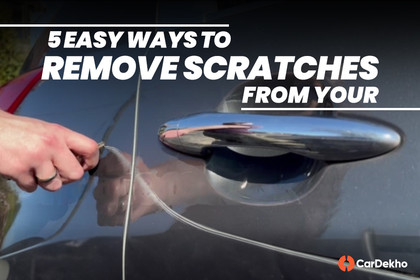
Apply scratch remover gently to buff out light scratches on your car. Use a soft cloth for best results.
Applying a scratch remover is a crucial step in restoring your car’s finish. It’s a process that can transform those pesky light scratches into a smooth, flawless surface. With the right technique, you can make your car look as good as new without spending a fortune at the auto shop.
Use Circular Motions
When applying scratch remover, using circular motions is key. This technique ensures even distribution of the product and helps in gently buffing out the scratches. Imagine you’re giving your car a gentle massage; this approach prevents any uneven patches and enhances the overall shine. Have you ever tried polishing a surface with straight lines only to find streaks left behind? Circular motions help avoid this by blending the scratch remover into the paint seamlessly. This method is effective because it covers more area, allowing you to work the product into the scratch from all angles.
Work In Small Sections
Tackling small sections at a time is crucial for achieving the best results. This approach allows you to focus on each scratch with precision and care. If you try to cover the entire area at once, you might miss spots or apply uneven pressure. By concentrating on smaller areas, you can ensure that each section gets the attention it deserves. You’ll also be able to see immediate results, which can be incredibly motivating. Remember, patience here is your best friend – rushing can lead to more harm than good. Have you noticed how detail-oriented tasks often yield the most satisfying results? This is no different. Working in small sections allows you to maintain control, ensuring that your efforts lead to a beautifully polished finish.
Buff And Polish
Buffing and polishing are key steps to remove light scratches from your car’s surface. These processes smooth the paint and restore shine. Buffing works by gently rubbing the affected area. Polishing enhances gloss and removes minor imperfections. Both can be done by hand or with a machine. Choosing the right method depends on your comfort and tools available.
Hand Buffing Techniques
Hand buffing offers precise control over small scratches. Use a soft microfiber cloth or foam applicator pad. Apply a small amount of polishing compound or scratch remover. Work in small circular motions on the scratched area. Keep pressure even but gentle to avoid damaging paint. Buff until the scratch fades and the surface feels smooth. Wipe off any residue with a clean cloth. Repeat the process if needed, but avoid overworking the paint.
Using A Polishing Machine
A polishing machine speeds up the buffing process and covers larger areas. Attach a soft foam polishing pad to the machine. Apply polish or compound directly on the pad or car surface. Turn on the machine at a low speed. Move the machine slowly over the scratch in overlapping circles. Do not press too hard; let the machine do the work. After polishing, wipe the area with a microfiber cloth. Inspect the surface and repeat if scratches persist. Always follow safety instructions and test on a small area first.
Credit: www.cardekho.com
Inspect And Repeat If Needed
After polishing your car, take time to inspect the area carefully. Light scratches may not disappear completely after one try. Checking the results helps decide if more work is needed. Patience and attention ensure the best finish on your car’s surface.
Check Scratch Visibility
Look closely at the polished area in natural light. Move your head to see the scratch from different angles. Some scratches fade but remain visible under certain lights. Use a clean cloth to wipe the surface gently. Dirt or polish residue can hide scratches. If the scratch is still noticeable, the area needs more polishing.
Apply Additional Layers
Apply another thin layer of polish on the scratched spot. Use a soft applicator or microfiber cloth for even coverage. Work the polish in small circles with light pressure. Let the polish dry slightly before buffing it off. Repeat these steps until the scratch fades more. Avoid over-polishing to protect your car’s paint.
Protect The Polished Surface
After polishing out light scratches, protect the car’s surface to keep it smooth and shiny. Polishing removes a thin layer of paint and exposes the fresh surface. This new surface is vulnerable to dirt, water, and UV rays. Taking steps to protect it helps maintain the car’s appearance and prevents damage.
Apply Wax Or Sealant
Wax or paint sealant forms a barrier on the polished surface. It stops dirt and moisture from reaching the paint. Wax is easy to apply and gives a warm shine. Sealants last longer and provide stronger protection.
- Choose a high-quality car wax or sealant.
- Apply a thin, even layer with a soft cloth.
- Let it dry according to instructions.
- Buff gently for a glossy finish.
Regular application keeps the surface shielded and looking fresh.
Regular Maintenance Tips
Keep the polished surface clean and protected with simple care. Wash the car often using gentle soap and water. Avoid harsh chemicals that can strip wax or sealant. Use microfiber towels to prevent new scratches.
- Park in shaded or covered areas to avoid sun damage.
- Dry the car after washing to prevent water spots.
- Reapply wax or sealant every few months.
- Inspect the surface regularly for new scratches.
Consistent care helps maintain the car’s polished look longer.
Frequently Asked Questions
How Do I Polish Out Light Scratches On My Car?
To polish out light scratches, clean the area first. Apply a small amount of polish with a microfiber cloth. Rub gently in circular motions until the scratch fades. Finish by wiping off excess polish and applying wax for protection.
What Tools Do I Need To Remove Light Car Scratches?
You need a microfiber cloth, car polish, and wax. Optionally, use a dual-action polisher for better results. Clean the car surface before polishing. These tools help safely reduce the appearance of light scratches.
Can I Polish Scratches Without Damaging My Car’s Paint?
Yes, using the right polish and gentle technique prevents damage. Avoid harsh abrasives and apply polish lightly. Always test on a small area first. Proper polishing restores shine without harming the clear coat.
How Often Should I Polish My Car To Remove Scratches?
Polish your car every 3 to 6 months for best results. Frequent polishing keeps the paint smooth and shiny. Avoid over-polishing, which can wear down the clear coat over time.
Conclusion
Light scratches on your car can be fixed at home with care. Use the right polish and gentle tools for best results. Take your time and work in small sections. Regular polishing keeps your car’s surface smooth and shiny. You don’t need special skills to make your car look better.
Just follow simple steps and stay patient. Your car will thank you with a fresh, clean look. Keep practicing, and scratches will become less visible. A little effort goes a long way in car care.