
If you’re a parent, you’ve probably noticed your baby’s head falling forward in their car seat. It’s not just uncomfortable for your little one—it can also worry you.
You want to keep your baby safe and comfortable every time you hit the road. But how can you stop that sleepy head from nodding forward without disturbing their nap? You’ll discover simple, effective tips to keep your baby’s head supported and secure.
Keep reading to learn how to make car rides safer and more comfortable for your child.
Reasons For Baby’s Head Falling Forward
Noticing your baby’s head falling forward in their car seat can be worrying. Understanding why this happens is the first step to keeping your little one safe and comfortable. Several factors contribute to this issue, and addressing them can make a big difference during every car ride.
Poor Head Control In Infants
Newborns and young infants often lack the neck strength to hold their heads upright. Their muscles are still developing, so it’s normal for their heads to flop forward, especially during sleep. Have you observed your baby’s head drooping when they nod off? This natural weakness means extra support is essential until they gain better control.
Car Seat Angle And Position
The angle of the car seat plays a crucial role in head positioning. If the seat reclines too far back or sits too upright, your baby’s head may fall forward or sideways. Checking your car seat’s manual for the recommended recline angle can prevent this. Does your car seat allow easy adjustments to find the perfect position for your baby’s comfort?
Incorrect Harness Adjustment
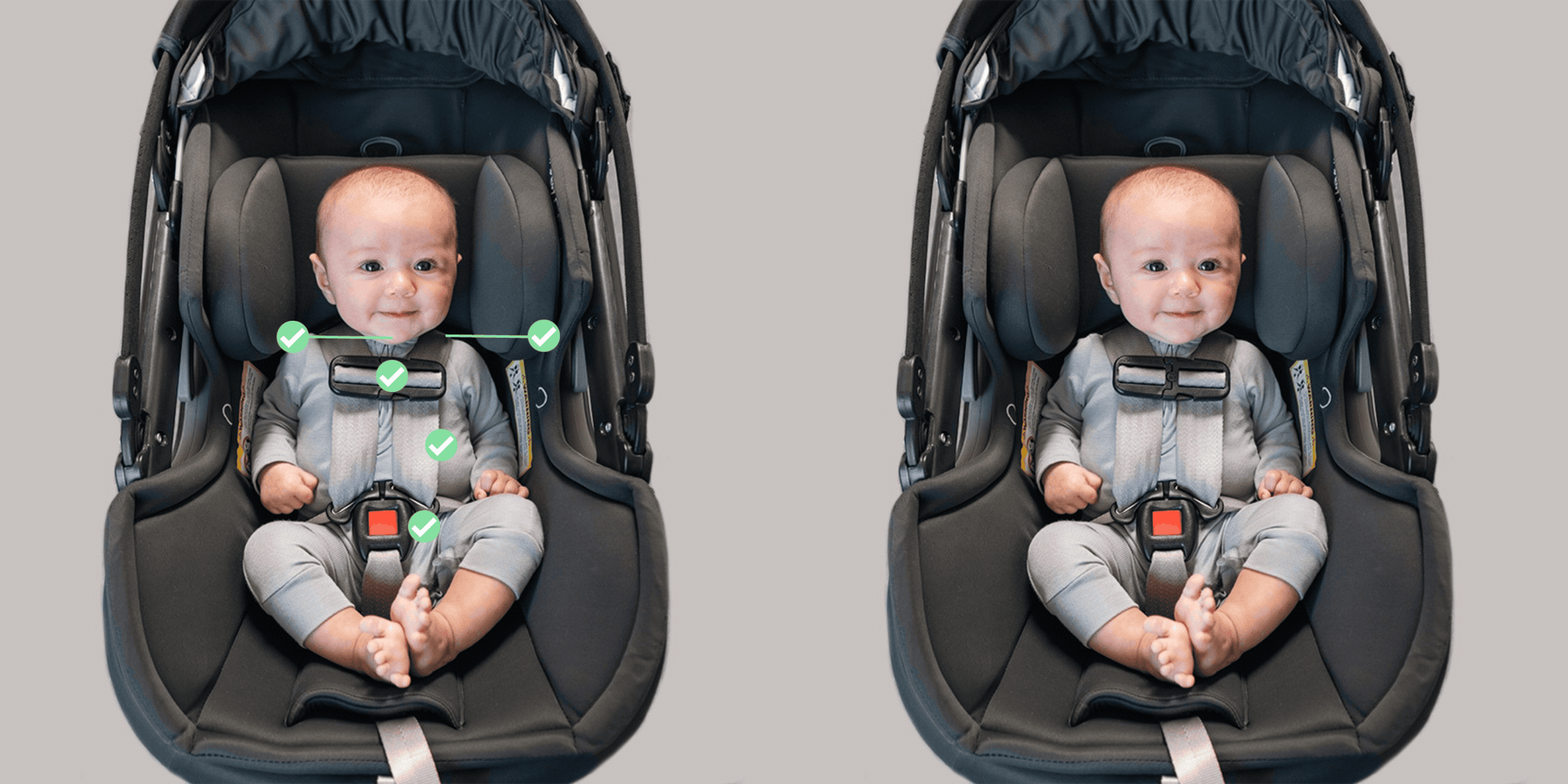
How you secure your baby in the car seat matters a lot. A harness that’s too loose or placed incorrectly won’t provide enough support to keep your baby’s head stable. Make sure the straps sit snugly at or just below your baby’s shoulders and that the chest clip is at armpit level. Could your harness settings be the reason your baby’s head keeps falling forward?

Credit: www.amazon.co.uk
Choosing The Right Car Seat
Choosing the right car seat plays a crucial role in preventing your baby’s head from falling forward during car rides. A well-chosen seat supports your baby’s posture and keeps their head stable, reducing discomfort and ensuring safety. Let’s look at what matters most when picking the perfect car seat for your little one.
Age And Weight Considerations
Your baby’s age and weight determine the type of car seat that offers the best support. Infant seats are designed for newborns up to about 1 year old or 22 pounds, providing snug padding and head support. Convertible seats can accommodate older babies and toddlers, but make sure to check if they have features that prevent head slumping.
Does your current car seat match your baby’s growth stage? Using a seat that’s too big or too small can cause their head to fall forward. Always refer to the manufacturer’s guidelines to find the right fit based on age and weight.
Support Features To Look For
Look for car seats with adjustable headrests and extra neck support. These features keep your baby’s head aligned and reduce the risk of it falling forward. Some seats include memory foam or cushioned inserts specifically designed to cradle the head gently.
Have you noticed how some car seats have side wings that help stabilize the head? These can be very effective. Also, consider a seat with a recline option, as a slight recline can ease neck strain and improve head posture.
Importance Of Proper Fit
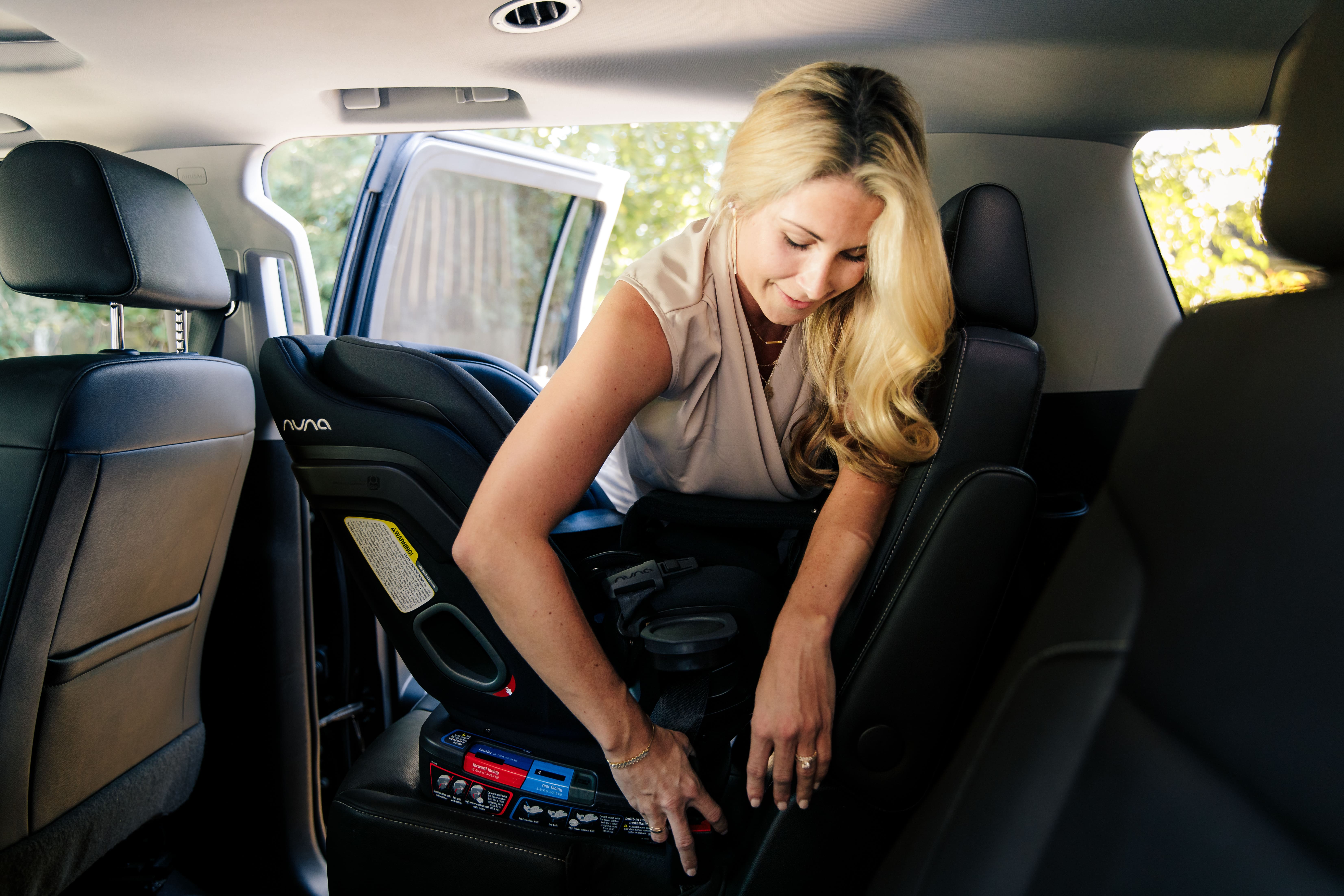
Even the best car seat won’t help if it doesn’t fit your child correctly. Straps should be snug but comfortable, and the seat must be installed tightly in your vehicle. A loose or improperly fitted seat allows too much movement, making it easier for your baby’s head to flop forward.
Think about how your baby feels in the seat. Is their head well-supported, or do you notice it dropping? Adjust the harness and padding until you see a secure, comfortable fit. This attention to detail can make a big difference in your child’s comfort and safety during every trip.
Adjusting Car Seat Angle
Adjusting the angle of your baby’s car seat plays a crucial role in preventing their head from falling forward. If the seat is too upright, your little one’s head may slump forward, which can block their airway and cause discomfort. Getting the angle right helps keep their head in a safe, natural position during every ride.
Recommended Recline Angles
Most infant car seats should be reclined between 30 and 45 degrees to support your baby’s head and neck properly. This range keeps the airway open and prevents the chin from resting on the chest. Always check your car seat manual for the exact recommended angle specific to your model.
It might be tempting to place the seat more upright so your baby can see better, but this increases the risk of head slump. On the other hand, reclining too far back can affect your baby’s breathing and comfort. Aim for a balance that supports safety and comfort.
Using Angle Indicators
Most car seats come with built-in angle indicators or level lines to help you set the correct recline. These are usually located on the base or side of the seat and show if the seat is tilted within the safe range. Pay attention to these markers every time you install the seat—it’s an easy way to avoid guesswork.
If your car seat doesn’t have an angle indicator, you can use a simple household level tool. Placing a level on the seat base can help you achieve the right recline angle consistently. This small step can make a big difference in your baby’s safety and comfort.
Avoiding Common Mistakes
One common mistake is installing the car seat too upright due to limited space in the vehicle. Don’t sacrifice proper angle for convenience; instead, try adjusting the front seat or changing the installation spot. Your baby’s safety should always come first.
Another error is ignoring the angle changes when switching from rear-facing to forward-facing seats. The recommended recline angle might differ, so double-check the manual every time you adjust or reinstall the seat. Have you checked your baby’s car seat angle today?

Credit: orbitbaby.com
Harness And Strap Tips
Keeping your baby’s head from falling forward in the car seat is crucial for their safety and comfort. The harness and straps play a big role in this. Adjusting them correctly can make all the difference in how well your little one stays supported during the ride.
Proper Harness Height
Make sure the harness straps are at the right height for your baby’s shoulders. For rear-facing seats, the straps should come from just below the shoulders. If the straps are too high or too low, your baby’s head can slump forward more easily.
Check the harness height each time you buckle your baby in, especially as they grow quickly. Adjusting the harness might seem small, but it helps keep their head aligned and supported.
Ensuring Snug Fit
A loose harness lets your baby’s head move too much, causing it to fall forward. The straps should be snug enough that you can slide only one finger between the harness and your baby’s chest. If you can pinch the strap, it’s too loose.
Try tightening the harness just enough to hold your baby securely without causing discomfort. This balance keeps their head steady and prevents unnecessary slumping during sudden stops or turns.
Using Chest Clips Correctly
The chest clip isn’t just a strap holder—it keeps the harness straps properly positioned. Place the chest clip at armpit level, centered on your baby’s chest. Too low or too high, and it won’t keep the straps from slipping off the shoulders.
Think of the chest clip as a guardrail for the straps. When correctly positioned, it stops the harness from loosening and your baby’s head from falling forward. Have you checked where your chest clip sits today?
Additional Support Options
Soft head supports and rolled towels can keep your baby’s head steady in the car seat. Adjusting the straps properly also helps prevent the head from falling forward. Regular breaks during long trips give your baby a chance to stretch and reset their posture.
When you see your baby’s head falling forward in their car seat, it’s natural to feel concerned. Ensuring your baby is both safe and comfortable during car journeys is crucial. Fortunately, there are additional support options to prevent this problem and provide peace of mind.Approved Head Supports
Using a head support specifically designed for car seats can be beneficial. These are usually made of soft materials and are shaped to cradle your baby’s head securely. Always check for products that are crash-tested and approved by safety standards to ensure they won’t compromise the car seat’s integrity.Using Rolled Towels Safely
A simple and effective solution involves using rolled towels. Place them on either side of your baby’s head to offer gentle support. It’s important to never place the towel behind your baby’s head or neck, as this can interfere with the seat’s harness system.Avoiding Unsafe Accessories
It can be tempting to use cute, colorful add-ons for your baby’s car seat. However, non-approved accessories might not be safe and could pose a risk during an accident. Stick to accessories that come with the car seat or those that are manufacturer-approved. Have you ever found yourself second-guessing these choices? Remember, your baby’s safety is the priority, and sometimes the simplest solutions are the best.Promoting Baby’s Neck Strength
Promoting your baby’s neck strength is key to preventing their head from falling forward in the car seat. Strong neck muscles help your baby hold their head steady and avoid discomfort. Building this strength takes time and gentle daily practice.
Simple activities can make a big difference in developing your baby’s neck control. Focus on exercises that encourage your baby to lift, turn, and hold their head. These moments also support overall motor skills and comfort during travel.
Tummy Time Benefits
Tummy time is a simple way to build neck muscles. Place your baby on their tummy for short periods each day. This encourages them to lift their head and look around.
- Start with a few minutes several times daily.
- Use a soft, safe surface for tummy time.
- Stay close to support and engage with your baby.
Tummy time strengthens neck and shoulder muscles. It helps improve head control and reduces the chance of the head falling forward in the car seat.
Encouraging Head Control
Help your baby practice holding their head up while sitting. Use safe, supported positions during playtime and feeding.
- Hold your baby upright against your chest.
- Use a baby seat that supports the neck properly.
- Gently guide your baby to turn their head side to side.
Consistent practice improves muscle strength and coordination. Your baby will gain better control over their head movements.
When To Consult A Pediatrician
Some babies may have delayed neck strength development. Watch for signs like persistent head lag or difficulty holding the head up.
- Notice if your baby struggles to lift their head by 4 months.
- Look for uneven head turning or stiffness.
- Check if your baby shows discomfort in the car seat.
Consult your pediatrician for advice and evaluation. Early support can help address any concerns and ensure healthy development.
Common Mistakes To Avoid
Stopping your baby’s head from falling forward in the car seat can be tricky, especially when common mistakes get in the way. These errors often seem harmless but can compromise your child’s safety and comfort. Knowing what to avoid helps you create a safer, more comfortable ride for your little one.
Overusing Pillows Or Blankets
It’s tempting to use extra pillows or blankets to prop up your baby’s head. However, too many soft items can interfere with the car seat’s harness system. This reduces the effectiveness of the seat and may even increase the risk of injury during sudden stops.
Instead, focus on using products specifically designed for car seats. Ask yourself: Are these items approved for car seat use? If not, it’s better to skip them.
Ignoring Car Seat Expiry Dates
Car seats don’t last forever. Many parents overlook the expiry date, unaware that materials degrade over time. A worn-out seat may not provide the proper support, causing your baby’s head to slump forward more easily.
Check the label on your car seat regularly. If it’s expired, don’t wait. Replace it promptly to ensure your baby’s safety and comfort.
Neglecting Regular Adjustments
Your baby grows quickly, and what fits perfectly today might not tomorrow. Failing to adjust straps and head supports regularly can lead to poor positioning. This often results in the head tipping forward, making the ride uncomfortable and unsafe.
Make it a habit to review and adjust the car seat setup every few weeks. Are the straps snug? Is the head support in the right place? These small checks can make a big difference.
When To Seek Professional Help
Ensuring your baby’s safety in a car seat is crucial. If your baby’s head keeps falling forward, it might be time to seek professional help. Knowing when to turn to experts can make a big difference in your child’s safety and comfort.
Car Seat Fitting Services
Consider visiting a car seat fitting service. They ensure the seat is installed correctly. Professionals can adjust the harness and seat position. This reduces the risk of your baby’s head falling forward. Many local safety organizations offer these services. It’s a small step that can greatly improve car seat safety.
Pediatrician Advice
Your pediatrician can offer valuable insights. They can check if there’s an underlying issue. Sometimes, babies may have physical reasons for poor head control. Early intervention can prevent future problems. Don’t hesitate to ask for guidance. They may also recommend specific support cushions.
Physical Therapy Options
Physical therapy can help improve neck strength. A therapist can assess your baby’s muscle development. They provide exercises to enhance head control. This can be especially helpful for premature babies. Consistent therapy can lead to significant improvements. Trust the expertise of trained professionals.
Credit: www.safeintheseat.com
Frequently Asked Questions
Why Does My Baby’s Head Fall Forward In The Car Seat?
A baby’s head may fall forward due to weak neck muscles and improper seat angle. Car seats not designed for newborns can also contribute to this issue. Ensuring the seat is reclined correctly and using appropriate support can prevent the head from falling forward.
How Can I Prevent Baby’s Head From Falling Forward?
To prevent this, recline the car seat properly and use infant inserts or neck supports. Ensure the harness is snug but comfortable. Regularly check that your baby’s head is well supported during travel, especially on long trips.
Is It Safe To Use Head Supports In Car Seats?
Yes, using manufacturer-approved head supports is safe and helps keep the baby’s head aligned. Avoid aftermarket products not approved for your car seat model. Always follow the car seat manual for proper installation and usage.
When Should I Worry About Baby’s Head Falling Forward?
If your baby’s head falls forward frequently and causes breathing difficulty or discomfort, consult a pediatrician. Persistent head nodding may indicate muscle weakness or other health issues needing professional advice.
Conclusion
Keeping your baby’s head from falling forward in the car seat is important. Use proper straps and adjust them to fit snugly. Support the baby’s head with safe, approved accessories. Always check the car seat angle to keep the baby’s head upright.
Regularly watch your baby during trips to ensure comfort. Small changes can make rides safer and more comfortable. Your baby will rest easier and stay secure on every journey. Consistent care helps prevent head slumping and keeps your baby safe.
Simple steps make a big difference.