
Have you ever tried to shift gears in your car, only to find it stuck or slipping? It’s frustrating, stressful, and can leave you feeling helpless on the road.
If you’re asking yourself, “Why can’t I change gears in my car? ” you’re not alone. This problem can happen for many reasons, and understanding them can save you time, money, and worry. Keep reading, and you’ll discover simple explanations and practical tips to get your car shifting smoothly again.
Don’t let gear troubles keep you from driving with confidence.
Common Causes Of Gear Shifting Problems
Struggling to change gears can be frustrating, especially when you need your car to respond smoothly. Identifying the common causes of gear shifting problems helps you understand what might be wrong and how to address it effectively. Let’s look at some typical issues that can prevent your car from shifting gears properly.
Transmission Fluid Issues
Transmission fluid plays a crucial role in gear shifting. If the fluid is low, dirty, or leaking, your transmission won’t operate smoothly. You might notice hard shifts or slipping gears. Checking the fluid level and condition regularly can save you from costly repairs.
Clutch System Failures
If your car has a manual transmission, the clutch is vital for gear changes. A worn-out clutch disc, damaged pressure plate, or a failing release bearing can make shifting difficult or impossible. Have you ever felt your clutch pedal sticking or making noise? That’s a clear sign it needs inspection.
Linkage And Cable Problems
The linkage and cables connect your gear lever to the transmission. If these components are stretched, bent, or misaligned, you may find it hard to select the right gear. Sometimes, simple adjustments or replacements can restore smooth shifting without major repairs.
Worn Synchronizers
Synchronizers help gears mesh smoothly during shifts. Over time, these can wear out, causing grinding noises or resistance when changing gears. If you hear unusual sounds or feel a rough shift, worn synchronizers might be the culprit requiring professional attention.
Faulty Transmission Sensors
Modern cars rely on sensors to manage gear shifts electronically. A faulty sensor can send incorrect signals, leading to hesitation or failure in gear changes. Diagnosing sensor problems often requires a scan tool, but fixing them can improve your car’s shifting responsiveness significantly.
Symptoms Indicating Gear Change Issues
Identifying gear change issues early can save costly repairs and keep your car running smoothly. Symptoms often appear before complete failure. Recognizing them helps you act quickly and avoid further damage.
These signs show your car struggles to shift gears properly. They may indicate problems in the transmission or clutch system. Knowing what to watch for ensures timely maintenance.
Grinding Or Clicking Sounds
Unusual noises during gear shifts are warning signs. Grinding usually means gears are not aligning well. Clicking sounds may indicate worn or damaged components inside the transmission. These noises signal the need for inspection and repair.
Stiff Or Jammed Gear Lever
Difficulty moving the gear lever is a common symptom. The lever may feel stiff or get stuck in one position. This problem often points to issues with the linkage or transmission fluid. It can prevent smooth gear changes and cause frustration while driving.
Slipping Gears
Slipping happens when the car changes gears without input or falls out of gear. The engine revs but the vehicle does not accelerate as expected. This issue often relates to worn clutch plates or low transmission fluid. It reduces control and may cause dangerous driving conditions.
Delayed Gear Engagement
Delays in gear engagement mean the car hesitates before moving after shifting. This lag often occurs in automatic transmissions and signals fluid or internal problems. The delay can cause jerky movements and unsafe driving experiences.
Diy Checks Before Visiting A Mechanic
Before rushing to a mechanic over your car’s inability to change gears, there are simple checks you can do yourself. These DIY inspections might save you time and money by identifying easy fixes or giving your mechanic a clearer picture of the problem. Let’s dive into some practical steps you can take right now.
Inspecting Transmission Fluid Levels
Transmission fluid plays a crucial role in gear shifting. Low or dirty fluid can cause your car to struggle when changing gears.
Locate the transmission fluid dipstick, usually found near the engine. With the engine warm and running, pull the dipstick, wipe it clean, then reinsert and remove it to check the level and color.
- Low fluid:Add the recommended transmission fluid carefully—don’t overfill.
- Dirty fluid:Dark or burnt-smelling fluid signals it’s time for a change.
Have you ever ignored fluid checks only to face bigger problems? This simple step often prevents costly repairs.
Checking Clutch Pedal Free Play
If your car has a manual transmission, the clutch pedal’s free play can affect gear shifting. Too little or too much free play can cause gears to grind or refuse to engage.
Press the clutch pedal with your hand and measure the small amount of movement before resistance kicks in. Check your car’s manual for the correct free play measurement.
- Too little free play may mean the clutch is always partially engaged.
- Too much free play might indicate cable stretch or adjustment needs.
Adjusting the clutch pedal is often a straightforward fix. Have you noticed how small adjustments can improve driving comfort?
Examining Gear Linkage Components
The gear linkage connects your gear stick to the transmission. If these parts are loose, worn, or damaged, changing gears can become difficult or impossible.
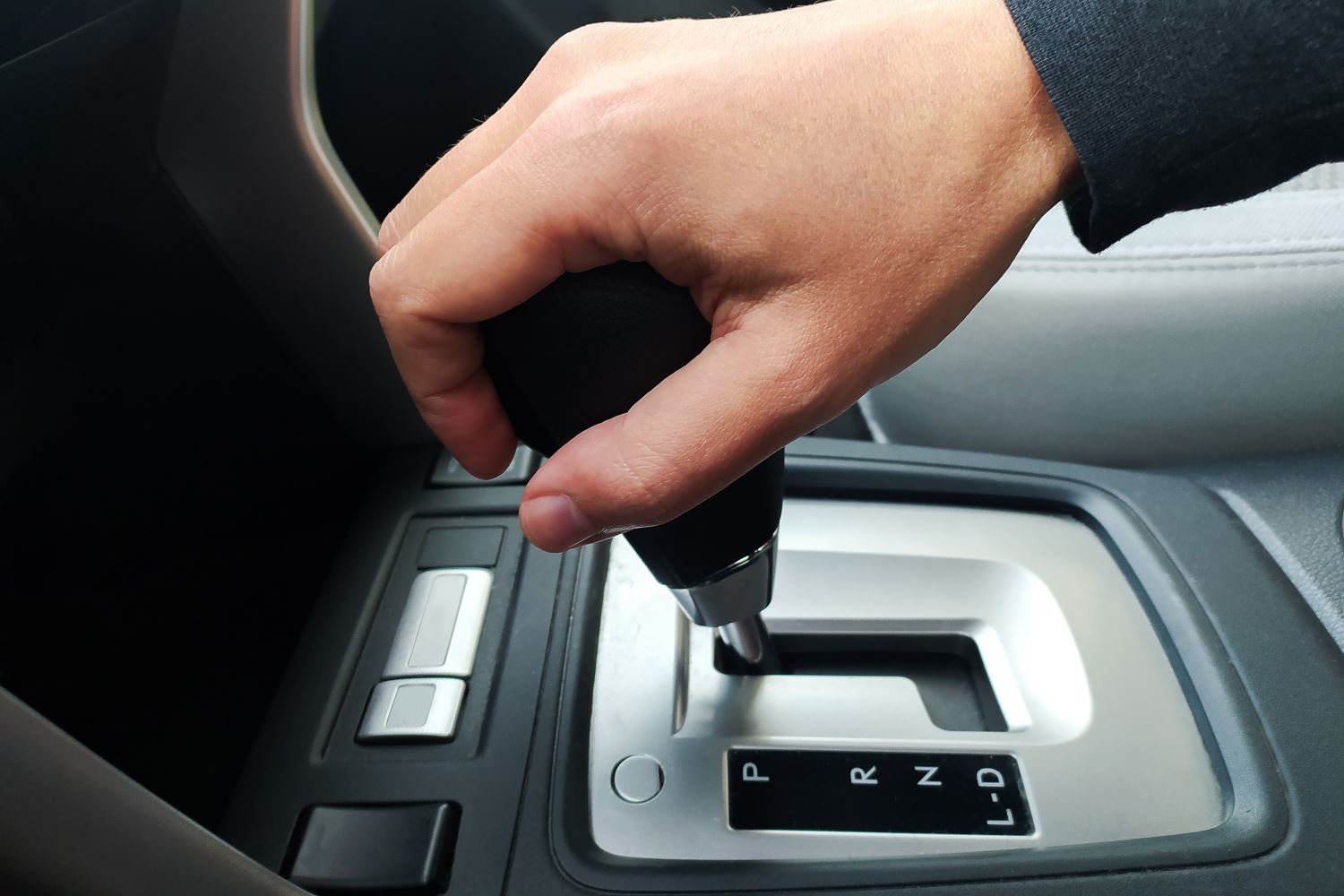
Look under the car or around the gear stick for any visible wear or broken parts. Wiggle the gear stick gently—if it feels loose or sticks in certain positions, the linkage might be the culprit.
- Inspect bushings and joints for signs of wear or cracking.
- Check for any disconnected or bent rods.
Sometimes, a quick tightening or replacing a worn bushing can restore smooth gear changes. Have you checked these parts during your last car inspection?
Credit: www.carparts.com
Effective Fixes For Manual Transmission Problems
Dealing with a manual transmission that refuses to shift can be frustrating. Luckily, many common issues have straightforward fixes you can tackle yourself or with a trusted mechanic. Understanding these fixes can save you time and money while getting your car back on the road smoothly.
Replacing Transmission Fluid
Old or dirty transmission fluid can cause shifting problems by reducing lubrication and increasing wear. Check your car’s manual for the recommended fluid type and replacement interval. Flushing out the old fluid and adding fresh transmission fluid often restores smooth gear changes.
Have you noticed your gear shifts feeling rough or grinding? This could be a clear sign that the transmission fluid needs attention. Don’t overlook this simple maintenance step—it might be the fix your car needs.
Adjusting Or Replacing The Clutch
A worn or improperly adjusted clutch can prevent your car from changing gears properly. If you experience difficulty pressing the clutch pedal or notice a burning smell, it might be time for an adjustment or replacement.
Adjusting the clutch pedal’s free play can sometimes solve the issue without replacing parts. However, if the clutch disc or pressure plate is worn out, swapping them is necessary. Have you checked your clutch pedal feel lately?
Repairing Or Replacing Linkage Parts
The linkage connects your gear stick to the transmission, allowing you to select gears. Over time, linkage rods or bushings can wear out or become misaligned, causing stiff or impossible gear changes.
Inspect the linkage for signs of damage or looseness. Tightening, realigning, or replacing worn linkage components can restore proper gear shifting. Could your shifting issues be traced back to a simple linkage problem?
Automatic Transmission Gear Change Solutions
Automatic transmission gear issues can be frustrating. But solutions are available. Addressing these problems promptly ensures smooth driving. Let’s explore some effective solutions.
Resetting Transmission Control Module
Resetting the transmission control module can resolve gear problems. Disconnect the car battery for a few minutes. Reconnect to reset the module. This resets stored error codes. Test drive to check improvements.
Fixing Solenoid And Sensor Issues
Solenoids and sensors play key roles in gear changes. Faulty solenoids can cause gear shifting problems. Inspect solenoids for damage or blockages. Clean or replace if necessary. Sensors also impact gear shifts. Ensure they are clean and functioning properly.
Addressing Transmission Overheating
Overheating affects gear performance. Check the transmission fluid level. Low fluid can cause overheating. Refill with the correct fluid type. Ensure proper cooling by checking the radiator. Clean any blockages to improve cooling efficiency.
Preventive Measures To Avoid Gear Problems
Gear problems can disrupt your driving experience and lead to costly repairs. Taking preventive measures helps you avoid the frustration of being stuck unable to change gears. Let’s look at practical steps you can take to keep your transmission smooth and reliable.
Regular Maintenance Schedule
Keeping up with your car’s maintenance schedule is key to preventing gear issues. Check your owner’s manual for recommended service intervals.
During routine visits, mechanics inspect your transmission system for wear and tear. Catching small problems early can save you from major breakdowns later.
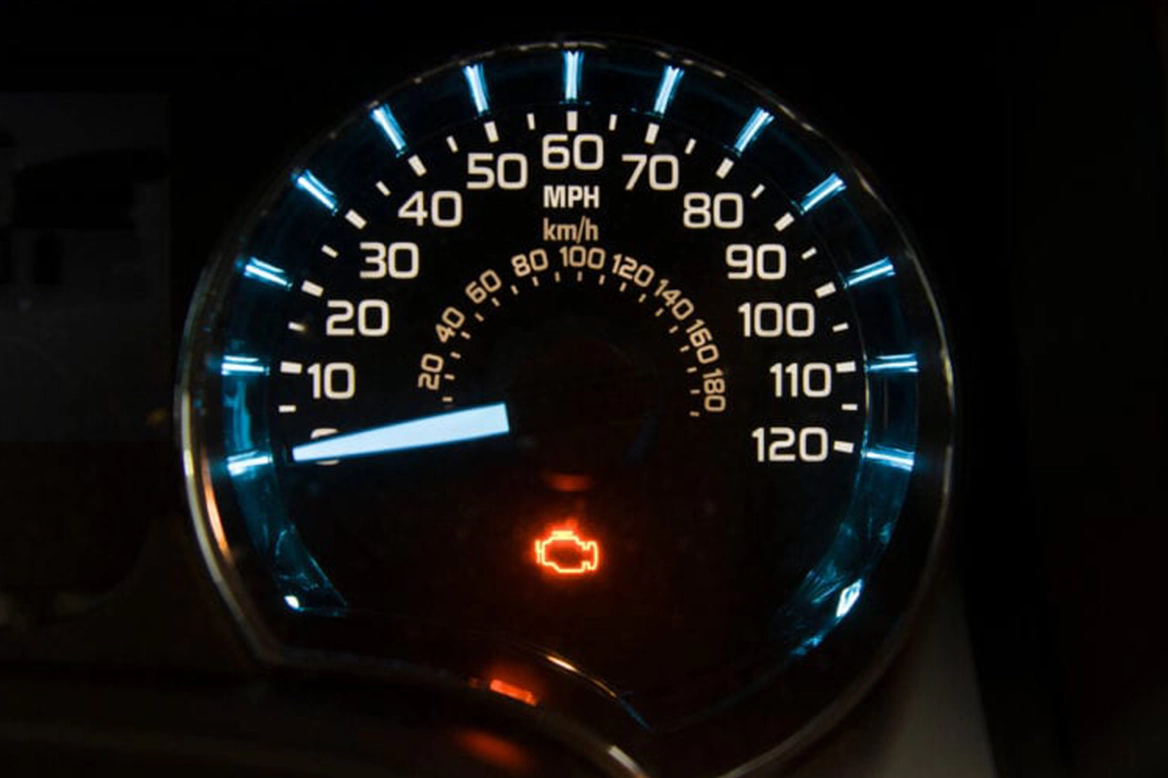
Have you ever ignored a simple warning light only to face a bigger problem down the road? Staying on top of regular checks can spare you that headache.
Proper Driving Techniques
The way you drive directly affects your car’s transmission health. Avoid shifting gears abruptly or forcing the shifter when the clutch isn’t fully engaged.
When you start your car, give it a few moments before moving. This practice allows the transmission fluid to circulate properly.
Think about how often you rush through gear changes during stop-and-go traffic. Slowing down and being gentle with the clutch and shifter can extend your transmission’s life.
Timely Fluid Changes
Transmission fluid lubricates and cools the gears inside your car. Over time, this fluid breaks down and becomes less effective.
Changing your transmission fluid at the intervals suggested by your car’s manufacturer keeps the gears running smoothly. Dirty or low fluid can cause slipping or difficulty shifting.
Have you checked your transmission fluid lately? It’s often overlooked but plays a huge role in preventing gear problems.
When To Seek Professional Help
Knowing when to seek professional help is key if you cannot change gears in your car. Some issues require expert attention to avoid further damage and high repair costs. Early diagnosis by a professional can save time and money.
Persistent Gear Shifting Failures
Constant problems shifting gears signal a deeper issue. If the gear shift sticks or slips repeatedly, it is not normal. Ignoring these signs can lead to transmission breakdown. A mechanic can identify the root cause and fix it properly.
Complex Transmission Repairs
Transmission systems are complicated and delicate. Repairs often need special skills and tools. Trying to fix complex problems alone can cause more harm. Trusted professionals have training to handle intricate transmission work safely.
Diagnostic Tools And Services
Modern cars use advanced technology in transmissions. Professionals use diagnostic tools to check electronic and mechanical parts. These tools detect hidden problems quickly and accurately. Visiting a service center ensures thorough inspection and precise repairs.

Credit: www.youtube.com
Credit: www.sunautoservice.com
Frequently Asked Questions
Why Can’t I Change Gears In My Car?
You may have low transmission fluid or a faulty clutch. Check fluid levels and inspect the clutch system for wear or damage.
How To Fix A Car That Won’t Shift Gears?
Start by checking the transmission fluid and clutch operation. If issues persist, visit a mechanic for a detailed inspection and repair.
Can Low Transmission Fluid Cause Gear Shifting Problems?
Yes, low or dirty transmission fluid can prevent smooth gear changes. Regularly check and replace the fluid as recommended by the manufacturer.
What Does A Slipping Clutch Mean For Gear Changes?
A slipping clutch causes difficulty in shifting gears and loss of power. It often requires adjustment or replacement by a professional mechanic.
Conclusion
Changing gears smoothly keeps your car running well. Problems shifting gears often point to simple fixes. Check the clutch, transmission fluid, or gear linkage first. Avoid driving if the issue feels serious. Timely repairs can save you from bigger troubles later.
Stay calm and address the problem step by step. Your car will thank you with better performance and safety. Keep learning about your vehicle to handle issues quickly. Safe driving starts with a well-maintained car.