
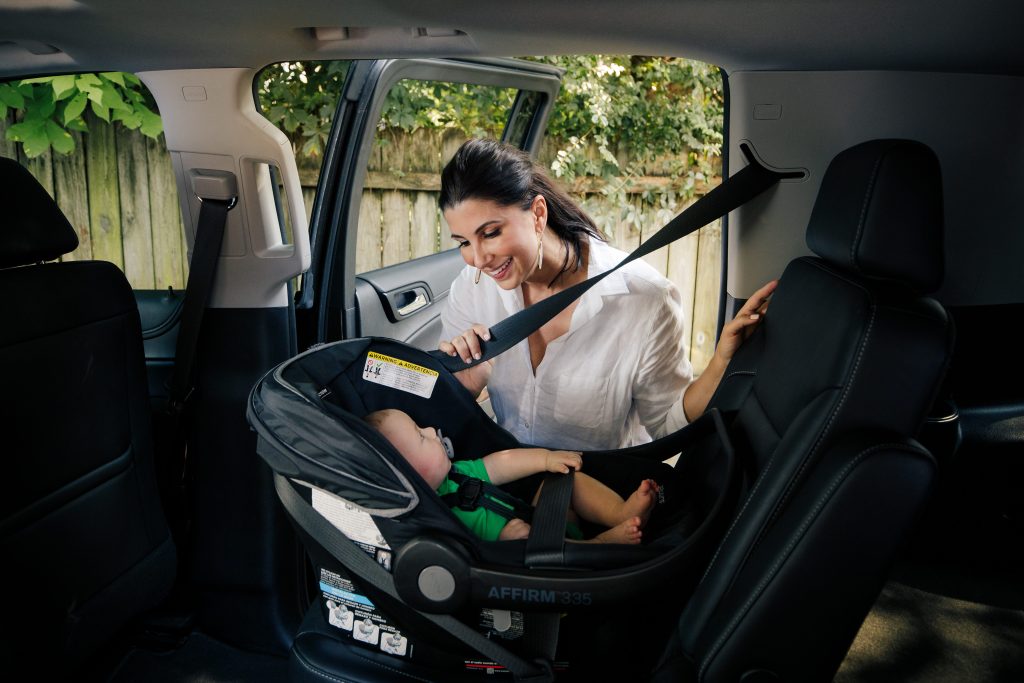
When it comes to your child’s safety during air travel, you want to be absolutely sure their car seat meets all the rules. You might be wondering, “Are Safety First car seats FAA approved?” This question is important because using the right car seat can make a huge difference in comfort and protection while flying.
Keep reading to find out exactly what you need to know, so you can travel with confidence and keep your little one safe every step of the way.
Credit: parttimetourists.com
Faa Approval Criteria
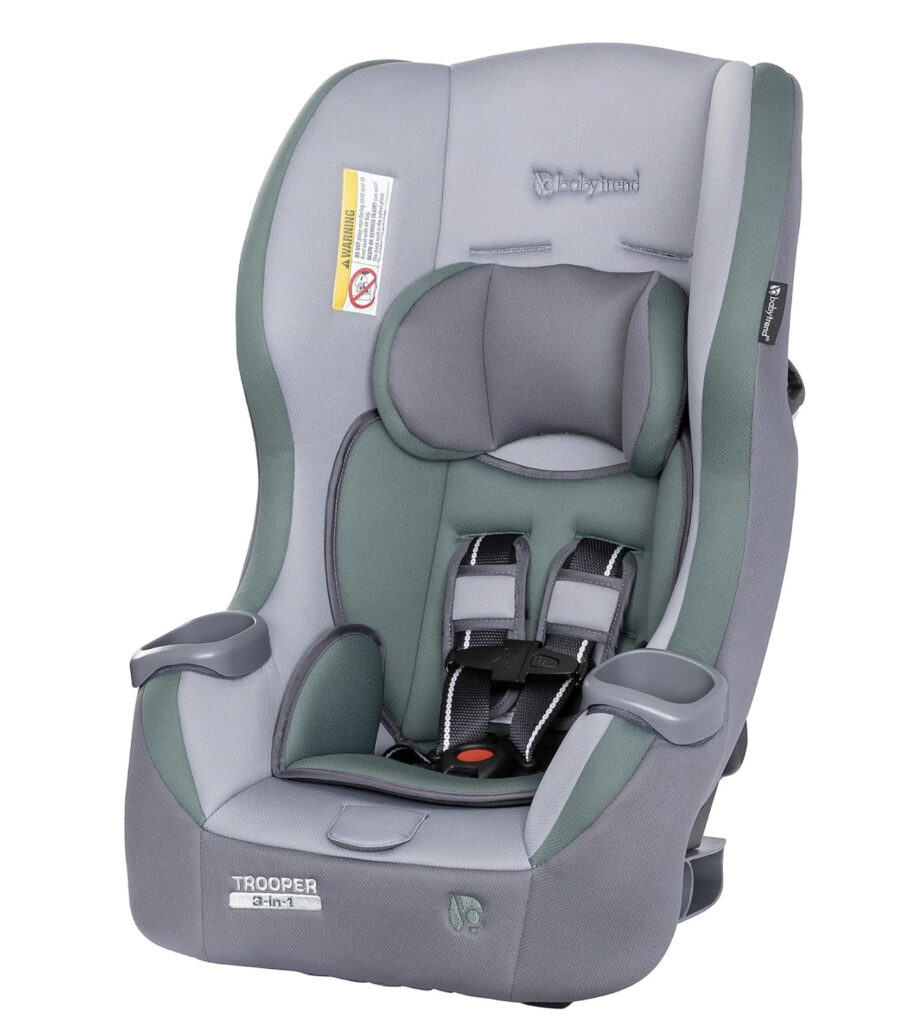
Understanding the FAA approval criteria for Safety First car seats is essential if you plan to travel by air with your child. The FAA has strict rules to ensure that any car seat used on an aircraft provides adequate safety during the flight. Knowing these criteria helps you choose a car seat that meets all necessary standards, giving you peace of mind.
Certification Requirements
To be FAA approved, a car seat must have a label indicating it is certified for use on aircraft. This label is usually found on the side or back of the car seat. Without this certification, airlines may not allow the car seat on board or might require you to check it as luggage.
Have you ever checked your car seat only to find it damaged or missing upon arrival? Choosing a certified seat lets you safely use it during the flight, avoiding that risk. The certification also means the car seat complies with federal safety rules for both cars and planes.
Testing Standards For Car Seats
The FAA requires car seats to pass rigorous crash testing that simulates the forces experienced during a plane’s takeoff and landing. These tests evaluate how well the car seat secures a child in the event of sudden stops or turbulence.
Beyond crash tests, car seats must show they can fit properly in aircraft seats. This means the seat’s dimensions and harness system should work with airplane seat belts. Have you checked if your car seat fits tightly on an airplane seat? This is a critical factor often overlooked.
Ultimately, the goal is to make sure your child stays secure and comfortable throughout the flight. When buying a car seat, look for clear evidence of meeting these FAA testing standards. This simple step can make a big difference in your travel experience and your child’s safety.
Credit: www.wanderluststorytellers.com
Safety First Car Seats Features
Safety First car seats focus on protecting children with smart features. These features combine comfort, durability, and safety to meet parents’ needs. Understanding these features helps you decide if these seats fit your family’s safety requirements.
Design And Construction
Safety First car seats use strong materials to protect children in crashes. They have thick padding for comfort and impact absorption. The seats include adjustable straps to fit growing kids securely. Their compact design fits well in most vehicles. Breathable fabrics keep children cool during long rides.
Safety Ratings And Reviews
These car seats often receive good safety scores from testing groups. Parents report ease of installation and reliable protection. Crash tests show good results in frontal and side impacts. Many users praise the clear instructions and secure fit. Independent reviews highlight the balance of safety and comfort.
Faa Approval Status Of Safety First Car Seats
Safety First car seats are popular among parents for daily use. Many wonder if these seats meet FAA standards for air travel. FAA approval means the seat can be safely used on airplanes. This section covers which Safety First models are FAA approved. It also explains how to recognize FAA-approved seats.
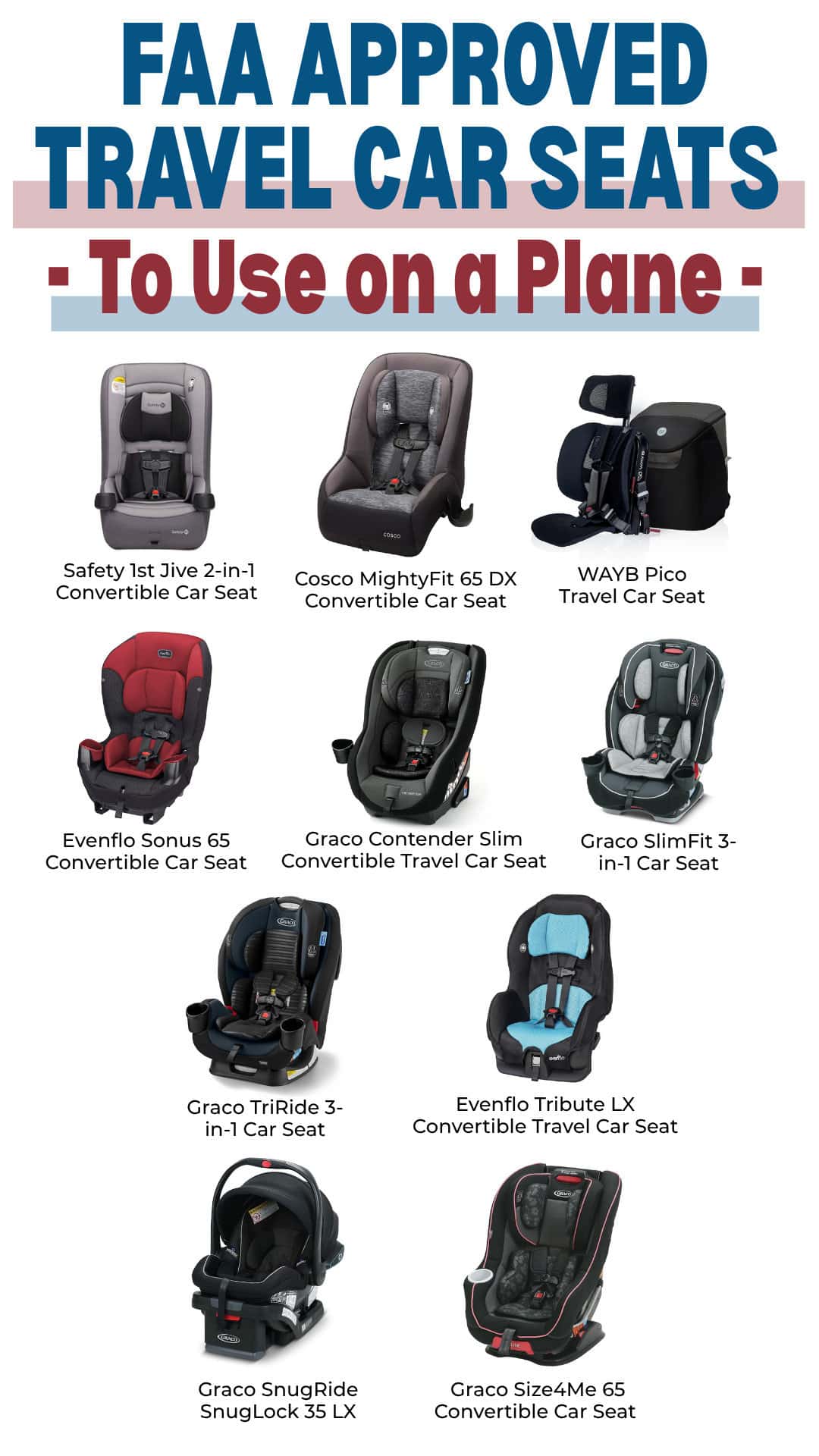
Which Models Are Approved
Not all Safety First car seats have FAA approval. Only some models meet the FAA’s strict guidelines. Commonly approved models include:
- Safety First Guide 65
- Safety First Advance 65
- Safety First Grow and Go
These seats have passed tests for airplane use. They fit well in airplane seats and have proper harness systems. Always check the latest FAA list to confirm if a model is approved.
How To Identify Faa-approved Seats
FAA-approved car seats have a special label. This label states the seat is certified for use on aircraft. Look for a sticker with text like:
- “This restraint is certified for use in motor vehicles and aircraft.”
The label is usually on the side or back of the seat. It may also include the approval code and date. If you do not see this label, the seat is likely not FAA approved. Always confirm before flying with a car seat.
Using Car Seats On Airplanes
Using car seats on airplanes can make your journey safer and more comfortable, especially when traveling with young children. Many parents wonder if their Safety First car seats meet FAA approval and how to install them properly during flights. Understanding the rules and having a clear plan can reduce stress and ensure your child’s safety from takeoff to landing.
Installation Tips
Start by checking if your car seat has a label stating it is FAA-approved. This label means the seat is tested for use on aircraft. If your Safety First car seat has this, you can use it in the airplane seat instead of holding your child in your lap.
Secure the car seat using the airplane’s seat belt, threading it through the seat belt path on the car seat. Avoid using the LATCH system on planes, as aircraft seats don’t have this feature. Make sure the car seat is tightly installed and does not move more than an inch side to side or front to back.
It can help to practice installing your car seat at home before your trip. Have you ever struggled with a car seat installation in a cramped airplane seat? Preparing ahead can save you time and frustration during boarding.
Airline Policies And Restrictions
Each airline has its own rules about car seats, so always check before you fly. Some airlines require you to notify them if you plan to use a car seat on board. Others may limit the size or type of car seat allowed due to space constraints.
Keep in mind that not all airplane seats fit car seats properly. Bulkhead seats often have more room but may have restrictions on car seat use. Window seats are usually best because they have a full seat belt that works well with car seats.
Have you contacted your airline about your Safety First car seat? Confirming policies early can prevent surprises at the gate and help you plan the best seating for your family’s needs.
Alternative Options For Air Travel
Safety First car seats meet FAA approval standards for use on airplanes. Many parents choose these seats for secure air travel. Alternative travel options include checking with airlines for specific seat policies and using approved child restraints.
Navigating air travel with young children can be a daunting task, especially when considering the safety of your child in-flight. While Safety First car seats offer top-notch protection on the road, they may not always be FAA approved for air travel. So, what other options do you have when planning your family’s next adventure in the skies? Let’s explore some practical alternatives to ensure your little one travels safely and comfortably.Convertible Seats Vs. Faa-approved Seats
Many parents assume that their trusty convertible car seats will seamlessly transition to air travel. However, not all convertible car seats meet the FAA’s stringent safety standards. Before you pack for your trip, check the label on your car seat for FAA approval. FAA-approved seats typically have a sticker indicating their compliance, ensuring they are safe for use during takeoff, landing, and turbulence. While convertible seats offer flexibility on the road, FAA-approved seats are specifically designed with aviation safety in mind. This distinction could make a significant difference in an emergency situation.Harnesses And Restraints Allowed On Planes
Did you know there are harnesses specifically designed for air travel? The CARES Child Safety Device is a popular choice, offering a lightweight and portable alternative to bulky car seats. It’s easy to install and fits snugly around the airplane seat, securing your child with a harness similar to that of a car seat. These harnesses are FAA-approved and cater to children weighing between 22 and 44 pounds. They provide a safe and convenient solution, allowing you to avoid lugging around a heavy car seat through crowded airports. Have you ever considered how much easier traveling could be with a simple, effective harness? Weigh your options and decide what works best for your family. Could a harness replace the car seat for your next flight? These innovative solutions might just change the way you think about air travel with kids.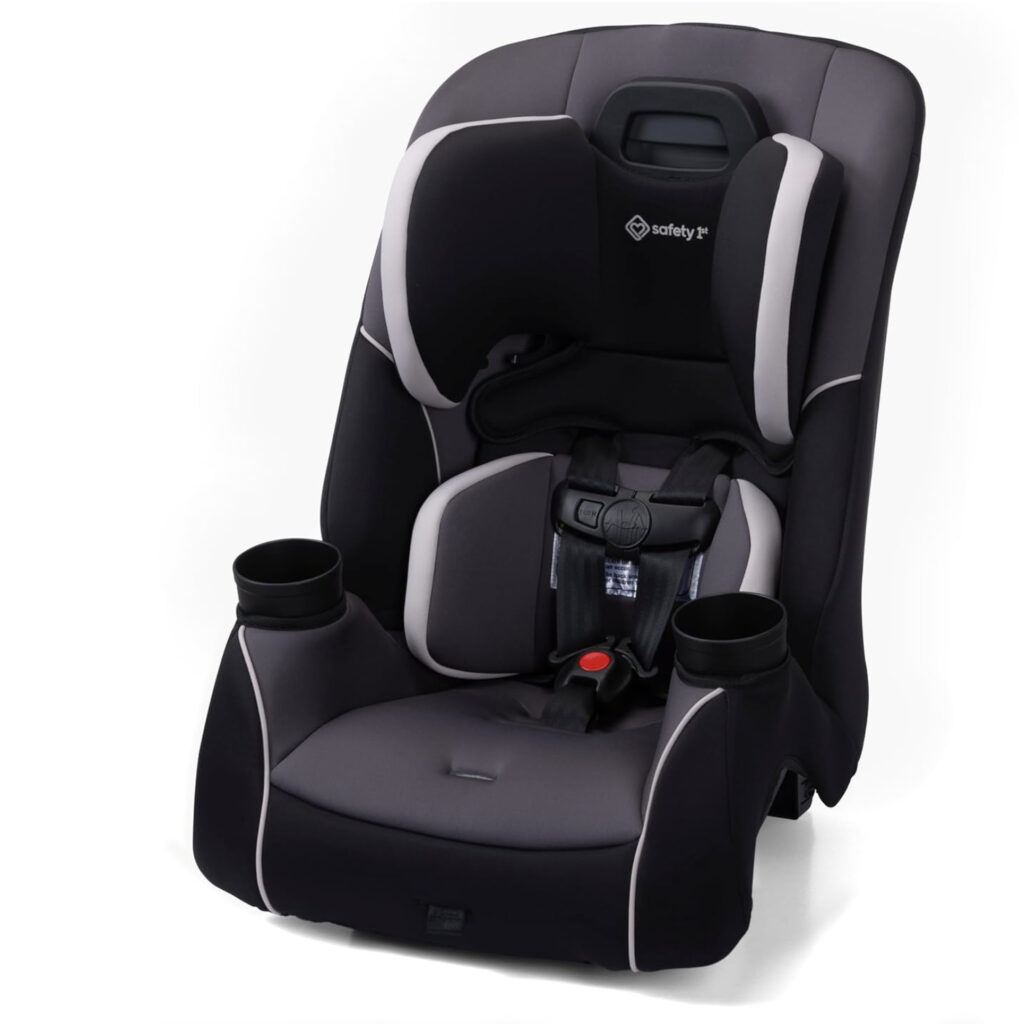
Credit: parttimetourists.com
Tips For Traveling Safely With Kids
Traveling with kids requires more than just packing bags and booking tickets. Safety should be your top priority, especially when it comes to car seats and comfort during the journey. Here are some key tips to help you travel safely and keep your child secure and happy on the road.
Preparing Your Child
Talk to your child about the trip ahead. Explain the importance of staying seated and buckled up in their car seat at all times. This helps set expectations and reduces resistance when it’s time to buckle up.
Bring along familiar items like a favorite toy or blanket. These small comforts can ease anxiety and keep your child calm during long rides. Planning regular breaks also helps prevent restlessness and gives your child a chance to stretch.
Ensuring Comfort And Security
Make sure the car seat is installed correctly and is appropriate for your child’s age and size. Double-check the harness to ensure it’s snug but not too tight. A poorly fitted harness can reduce safety and cause discomfort.
Dress your child in comfortable clothes that don’t interfere with the harness straps. Avoid bulky jackets or thick layers, as they can prevent the straps from fitting properly. Keep snacks and water within reach to avoid distractions while driving.
Have you ever noticed how a restless child can distract you while driving? Keeping them comfortable and secure helps you focus on the road and reduces stress for everyone involved.
Frequently Asked Questions
Are Safety First Car Seats Faa Approved For Flights?
Yes, many Safety First car seats meet FAA approval standards. They are tested for airplane use and comply with federal regulations.
How To Check If A Safety First Car Seat Is Faa Approved?
Look for a label on the car seat stating FAA approval or aircraft use. This confirms it is safe for air travel.
Can I Use Safety First Car Seats On Airplanes Safely?
Yes, approved Safety First car seats provide proper restraint and safety during flights. Always follow airline guidelines when installing.
Do All Safety First Car Seats Have Faa Approval?
No, not all models are FAA approved. Verify the specific model’s approval before flying to ensure compliance and safety.
Conclusion
Safety First car seats meet many safety standards for everyday use. FAA approval depends on the specific model and certification. Always check the label or manual before flying. Using a car seat approved for air travel helps keep your child secure.
Choose a seat that fits your needs and follows airline rules. Staying informed ensures a safer trip for your little one. Remember, safety and comfort go hand in hand when traveling by air.