
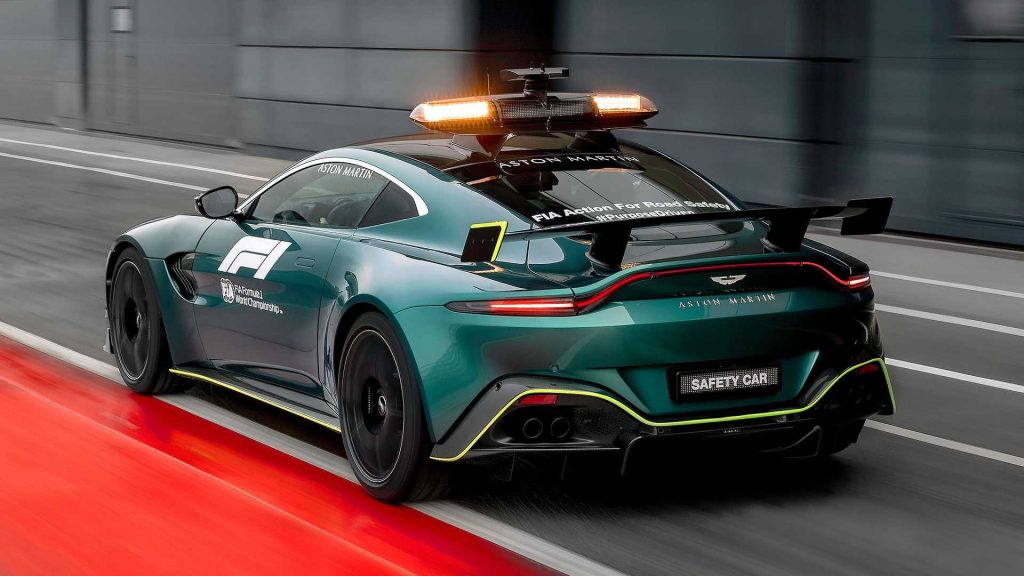
Have you ever wondered just how fast an F1 safety car can go? You might think it’s slow since it’s there to keep things safe, but the truth will surprise you.
Understanding the speed of a safety car can change the way you watch a race and appreciate the skill involved. Keep reading, and you’ll discover fascinating facts that will make your next Formula 1 race even more exciting. Your curiosity is about to be rewarded!

Credit: www.grixme.com
Role Of The F1 Safety Car
The role of the F1 Safety Car is crucial in maintaining both driver safety and race integrity. It acts as a controlled pace setter during dangerous track conditions. Understanding its function helps you appreciate the strategic elements of Formula 1 racing beyond just speed.
Purpose During Races
The Safety Car appears when accidents or hazardous conditions occur on the track. Its primary job is to slow down the race cars and bunch them up, preventing further collisions. This controlled speed ensures marshals can safely clear debris or attend to injured drivers.
Have you ever wondered why the race doesn’t just stop immediately after a crash? The Safety Car allows the event to continue smoothly while managing risks. It also influences race strategies—drivers must adjust fuel consumption and tire wear based on its pace.
Types Of Safety Cars Used
Not all Safety Cars are the same. Different models are chosen based on track layout, weather, and race regulations. Some are high-performance sports cars, capable of reaching speeds up to 200 km/h (124 mph) to keep the race cars from cooling down too much.
For example, Mercedes-AMG models have been popular choices in recent seasons. Each Safety Car is modified for maximum safety and communication with race control. This ensures you, the viewer, get a seamless and secure racing experience.
Top Speeds Of F1 Safety Cars
The top speeds of F1 safety cars are a key factor in maintaining the delicate balance between race control and driver safety. These cars must be fast enough to lead the pack without compromising the safety of the drivers or track marshals. Understanding their speed capabilities gives you a clearer picture of how safety is managed during critical moments in a race.
Maximum Speed Limits
F1 safety cars are typically high-performance supercars capable of reaching speeds between 160 to 190 mph (257 to 305 km/h). However, they rarely hit their absolute maximum speed during a race.
Speed limits on race circuits, as well as the need to keep the track safe for drivers, mean the safety car usually maintains a speed slightly below its top capability. For example, the Mercedes-AMG GT R, a common safety car, can reach around 198 mph, but it often cruises around 150-170 mph during deployment.
Factors Affecting Speed
Several factors influence how fast an F1 safety car actually goes during a race. Track layout is crucial—tight corners and narrow sections force the safety car to slow down to maintain control.
Weather conditions also play a huge role. Wet or slippery tracks reduce the safety car’s speed to avoid accidents while leading the pack.
Another factor is the number of cars following behind. The safety car must maintain a pace that keeps the F1 cars’ tires and brakes warm but doesn’t allow them to catch up too quickly, which could lead to dangerous overtaking or collisions.
Comparison With F1 Racing Cars
The F1 safety car plays a crucial role during races, but its speed and performance differ greatly from the actual F1 racing cars. Comparing these two helps us understand why the safety car is not built for speed but for control and safety. The differences highlight distinct purposes on the track.
Speed Differences
F1 racing cars can reach speeds over 220 mph (350 km/h). The safety car usually goes around 120-130 mph (193-209 km/h). This speed is enough to lead the pack safely without risking accidents.
The safety car must be fast but not faster than the racers. It keeps the race controlled during hazards or crashes. The speed difference keeps the race fair and safe for drivers.
Performance Capabilities
F1 cars have powerful engines designed for quick acceleration and sharp turns. They use lightweight materials like carbon fiber for better handling.
The safety car is heavier and built for stability, not agility. It has strong brakes and traction control to handle different track conditions safely.
While F1 cars focus on speed and cornering, the safety car focuses on smooth, safe driving. This balance ensures safety without disrupting the race flow.
Technical Specs Of Popular Safety Cars
Safety cars in Formula 1 are not just ordinary vehicles. They combine speed, power, and control to keep the race safe. Each safety car has specific technical features that help it perform well on the track. These specs ensure the safety car can keep up with F1 racers and manage the race pace effectively.
Engine And Power Output
Popular F1 safety cars use powerful engines. These engines often come from high-end sports cars. For example, a V8 or V6 turbocharged engine is common. Power output ranges between 500 and 650 horsepower. This power allows the safety car to reach high speeds quickly.
The engine is tuned for both speed and reliability. It must handle long stints on the track without overheating. Advanced cooling systems help keep the engine temperature stable during races.
Acceleration And Handling
Acceleration is crucial for safety cars. They need to match the pace of F1 cars immediately after a safety period starts. Typical acceleration from 0 to 60 mph takes about 3.5 to 4 seconds.
Handling is equally important. Safety cars feature advanced suspension and braking systems. These systems ensure smooth and stable driving on tight and fast corners. High-performance tires provide excellent grip on wet or dry surfaces.
Overall, these specs make F1 safety cars fast, agile, and reliable on the track.
Safety Protocols And Speed Regulations
The F1 safety car plays a crucial role during races. It ensures driver safety and regulates race conditions. With high speeds and potential hazards, strict protocols guide its deployment. These protocols balance safety and competition integrity.
Rules For Safety Car Deployment
The safety car enters the track under specific conditions. It appears during accidents, debris, or poor weather. The race director decides when to deploy the safety car. Its presence neutralizes the race, reducing speed and risk. Drivers must follow the safety car’s pace until conditions improve.
Driver Responsibilities
Drivers must maintain a safe distance behind the safety car. They must not overtake unless permitted. It’s crucial to keep tires warm and brakes ready. Communication with the team remains vital during this period. Drivers must stay alert for any updates or restart signals.

Credit: www.lemonde.fr
Memorable Safety Car Moments
Safety cars in Formula 1 are more than just pace-setters. They create moments that fans never forget. These moments often change the flow of the race and bring unexpected excitement. Drivers, teams, and fans watch closely during these times. The safety car’s speed and timing can surprise everyone.
Unexpected Speed Bursts
Safety cars usually drive slower than race cars. But sometimes, they speed up suddenly. These bursts catch drivers off guard. The safety car may accelerate to clear the track quickly. Drivers must stay alert to keep a safe distance.
One famous moment was in the 2018 Azerbaijan GP. The safety car went fast on the straights. This forced drivers to react quickly. It showed the safety car’s role is not just to slow the race but also to manage track conditions safely.
Impact On Race Outcomes
The safety car can change race results in surprising ways. It can close gaps between drivers. This gives slower cars a chance to catch up. Pit stop strategies also shift during safety car periods.
For example, at the 2011 Canadian GP, the safety car influenced the winner. It allowed some drivers to save tires and fuel. This helped them perform better in the final laps. Many races have been won or lost because of safety car timing.
Credit: f1mix.com
Frequently Asked Questions
How Fast Can An F1 Safety Car Go?
An F1 safety car typically reaches speeds of around 180 to 200 km/h (112 to 124 mph). This speed allows it to lead the race cars safely during caution periods without compromising track conditions or race integrity.
Why Is The F1 Safety Car Speed Limited?
The safety car speed is limited to maintain safe track conditions and control the race pace. It ensures drivers follow behind without overtaking, allowing marshals to handle incidents while keeping the race fair and secure.
What Type Of Car Is Used As An F1 Safety Car?
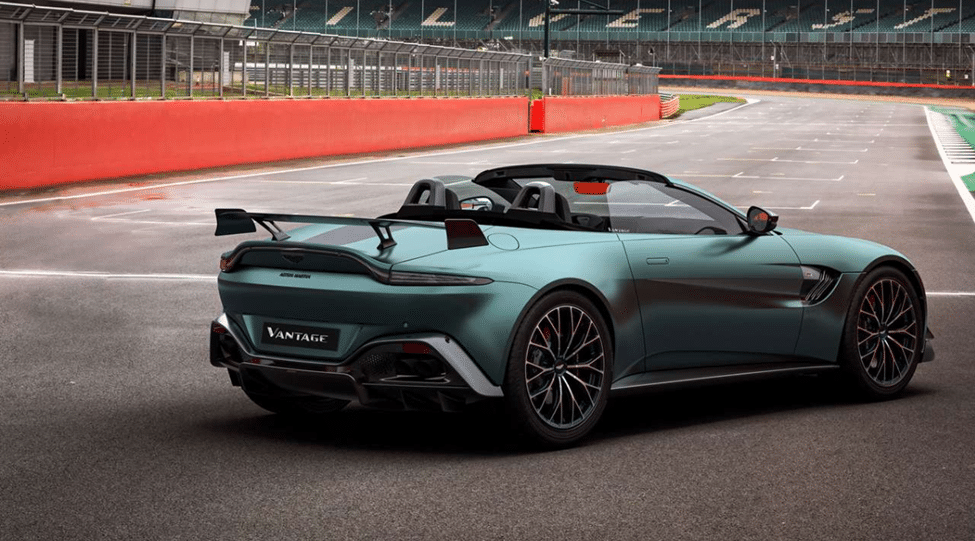
F1 safety cars are usually high-performance sports cars from brands like Mercedes, Porsche, or Aston Martin. These cars combine speed, agility, and safety features, making them ideal for leading the race under caution.
How Does The Safety Car Affect Race Strategy?
The safety car slows the race pace, bunching up the field and affecting pit stop timing. Teams often adjust strategies to capitalize on the reduced speed and close racing conditions.
Conclusion
The F1 safety car drives fast but stays controlled. It keeps drivers safe during accidents or hazards. Speeds vary but usually stay below racing pace. Safety is its top priority on the track. Understanding its speed helps fans appreciate race rules.
The safety car plays a key role in F1 races. It balances speed with caution to protect everyone. This makes racing safer and more exciting to watch.