
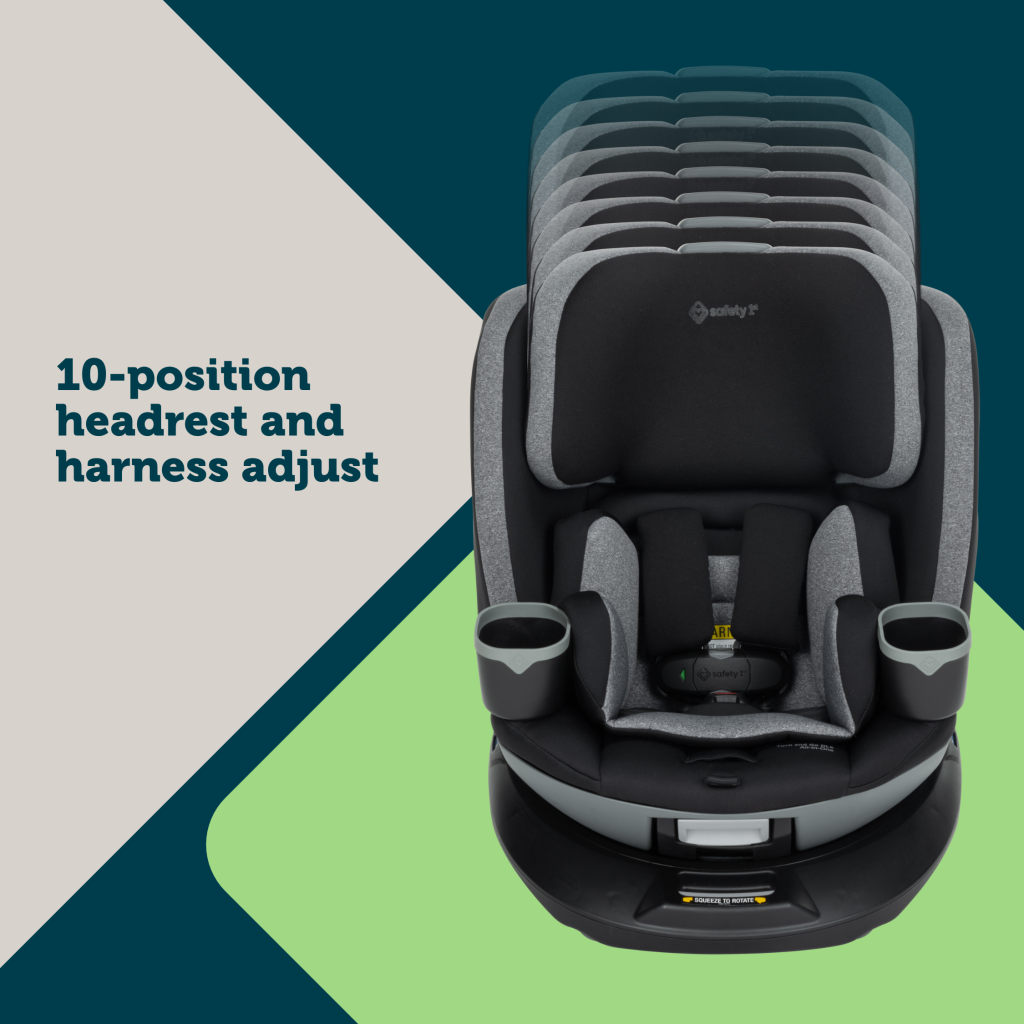
Making sure your child’s car seat is adjusted correctly is one of the most important steps to keep them safe on every ride. But if you’re feeling unsure about how to adjust your Safety First car seat, you’re not alone.
Getting the straps, harness, and recline just right can be tricky. This guide will walk you through simple, clear steps so you can feel confident that your little one is secure and comfortable. Keep reading, and you’ll learn exactly what to do to protect your child every time you buckle up.
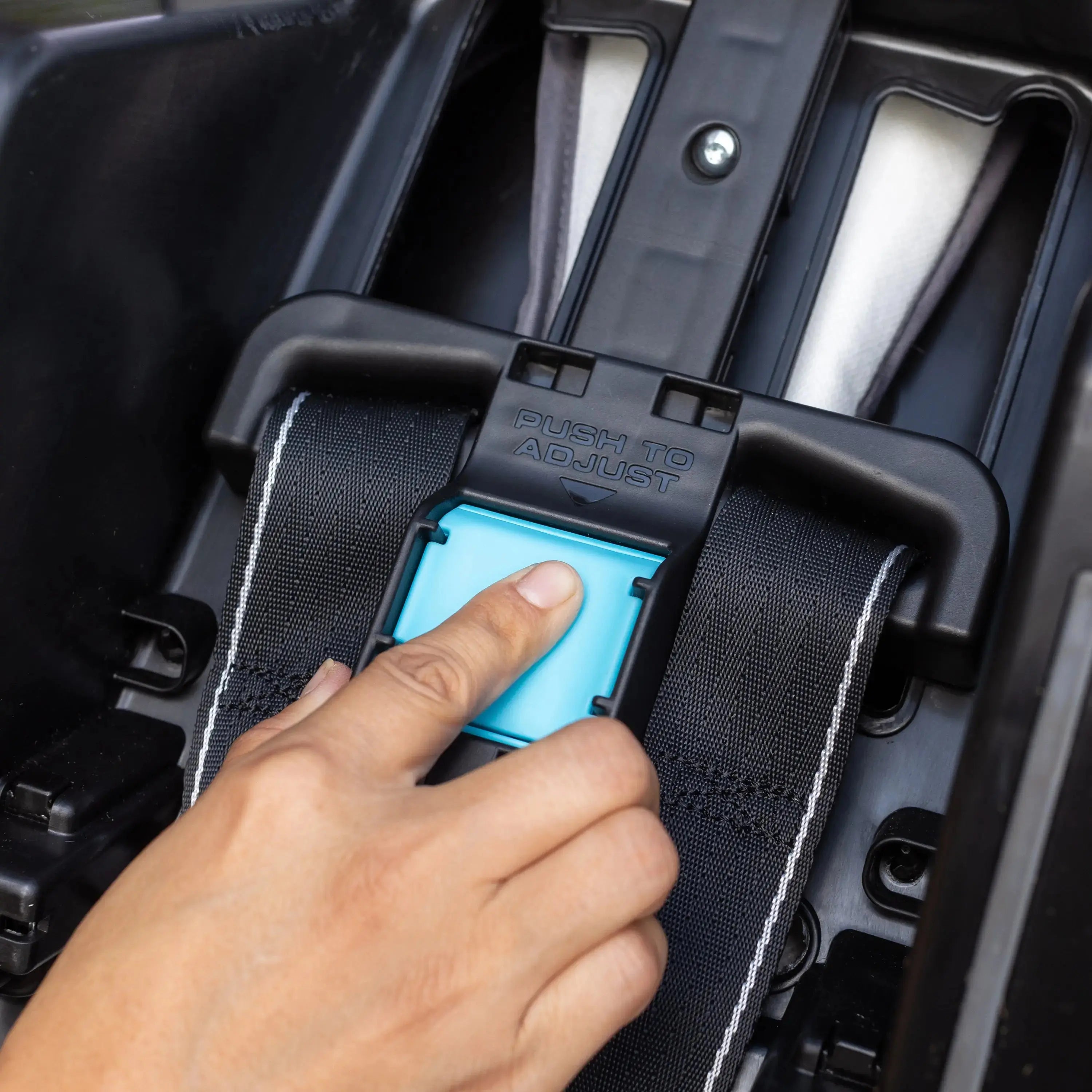
Credit: babytrend.com
Choosing The Right Car Seat
Choosing the right car seat is vital for your child’s safety. The correct seat protects your child during every ride. It fits their size and growing needs. This choice reduces risks and boosts comfort. Understanding your options helps make the best decision.
Types Of Safety First Car Seats
Safety First offers several car seat types. Each suits a specific stage of your child’s growth.
- Infant Car Seats:Designed for newborns and small babies. These seats face the rear of the car.
- Convertible Car Seats:Can be used rear-facing for infants and forward-facing for toddlers. They last longer as your child grows.
- Booster Seats:For older children who outgrow forward-facing seats. They help position the seat belt properly.
Matching Seat To Child’s Age And Weight
Each car seat has limits based on age and weight. These limits ensure the seat protects your child properly.
| Seat Type | Recommended Age | Weight Range | Position |
|---|---|---|---|
| Infant Seat | Birth to 12 months | 5 to 22 lbs | Rear-facing |
| Convertible Seat | 6 months to 4 years | 5 to 40 lbs (rear-facing) 22 to 65 lbs (forward-facing) | Rear or forward-facing |
| Booster Seat | 4 years and up | 40 to 100 lbs | Forward-facing |
Check your child’s current weight and age before choosing a seat. The right fit keeps your child safe and comfortable.
Installing The Car Seat Securely
Installing your Safety First car seat securely is the key to keeping your little one safe on every trip. A properly installed car seat reduces the risk of injury during sudden stops or accidents. Taking the time to install it correctly will give you peace of mind and protect your child effectively.
Using The Seat Belt Method
The seat belt method is a reliable way to secure your car seat if your vehicle doesn’t have the LATCH system or if you prefer using the seat belt. Start by threading the seat belt through the car seat’s belt path, which is clearly marked on the seat itself.
Make sure to buckle the seat belt firmly and lock it by pulling the belt all the way out and then letting it retract. This locking mechanism keeps the seat belt tight around the car seat.
Pull the car seat towards you while tightening the seat belt to remove any slack. A tight seat belt means the car seat won’t shift more than an inch side to side or front to back.
Using The Latch System
The LATCH system (Lower Anchors and Tethers for Children) is designed to make car seat installation easier and safer. Locate the lower anchors in your vehicle’s back seat; they are usually found in the crack between the seat back and seat cushion.
Attach the car seat’s connectors to the lower anchors, ensuring they click into place. Tighten the straps to secure the seat firmly, pressing down on the car seat to get a snug fit.
Don’t forget to connect the top tether strap to the designated anchor point behind your seat. This helps reduce forward movement in a crash, adding an extra layer of safety.
Checking For Tightness
After installing your car seat, checking for tightness is crucial. Grab the car seat at the belt path and try to move it side to side and front to back. If it moves more than one inch, it’s not tight enough.
Sometimes, even a small adjustment can make a big difference. Tighten the seat belt or LATCH straps again and press down firmly on the car seat while pulling the straps to eliminate slack.
Have you ever thought about how much safety is compromised with a loose car seat? Taking a few extra minutes to double-check tightness can protect your child from unnecessary harm.
Adjusting The Harness Straps
Adjusting the harness straps on your Safety First car seat is crucial for your child’s safety and comfort. The harness keeps your little one secure during every ride, so it’s important to get it just right. Here’s how you can make sure the straps fit perfectly.
Positioning Harness At Shoulder Level
The harness straps should always be positioned at or just below your child’s shoulders for rear-facing seats. For forward-facing seats, the straps need to be at or just above the shoulders.
Check your car seat’s manual to find the correct slot for the harness straps. If the straps are too low or too high, they won’t hold your child securely in a crash.
Ensuring Snug Fit
After positioning the straps, pull the harness adjustment strap to tighten them. The straps should lie flat without any twists and feel snug against your child’s body.
A good test is the “pinch test”: try to pinch the strap near the shoulder. If you can pinch any slack, tighten the harness further. This keeps your child from moving around too much.
Using The Chest Clip Correctly
Place the chest clip at armpit level, aligned with your child’s chest. This keeps the harness straps positioned properly over the shoulders.
If the clip is too high or too low, the straps may slip off or not protect your child adequately. Adjusting this clip correctly is a small step that makes a big difference in safety.

Credit: www.amazon.com
Adjusting The Car Seat Recline
Adjusting the recline of your Safety First car seat ensures your child travels comfortably and safely. A proper recline angle supports the baby’s head and neck during rides. It also helps prevent slumping, which can block airways.
Knowing how to find and set the right recline is key. This adjustment varies by the child’s age and the seat’s installation position. Always check the car seat manual for specific recline instructions.
Finding The Right Recline Angle
Locate the recline adjustment on the car seat base or back. It may be a lever, dial, or button. Adjust until the seat reaches the angle recommended for your child’s age and weight.
For infants, a more reclined position keeps their airway open. Older children can sit more upright. Use a level surface to check the recline angle if needed.
- Infants: around 30 to 45 degrees recline
- Toddlers: closer to 45 to 60 degrees
- Follow the manufacturer’s guidelines
Using Recline Indicators
Many Safety First car seats include built-in recline indicators. These help you set the correct angle easily. The indicator might be a bubble level, line, or color marker.
Check the indicator after adjusting the recline. Make sure it matches the recommended position for your child’s age group. Adjust the seat until the indicator shows the proper angle.
Using these indicators reduces guesswork. It ensures the seat is safe and comfortable every time.
Securing The Car Seat In Different Vehicles
Adjust the car seat straps to fit snugly around your child for safety. Secure the base tightly using your vehicle’s seat belt or LATCH system. Always check for a firm fit by moving the seat side to side and front to back.
Securing the Car Seat in Different Vehicles When you’re on a quest to adjust a Safety First car seat, securing it properly in various vehicles is a vital step. Every vehicle can be quite different, from seat shapes to belt systems. Getting it right ensures your child’s safety and your peace of mind.Adapting To Various Seat Shapes
Different vehicles come with a variety of seat shapes, which can affect how your car seat fits. Some seats are flat, while others are contoured, and this can impact the angle and stability of the car seat. To adapt, use the adjustable recline feature on your Safety First car seat. This feature helps you align the seat properly, ensuring it sits snugly against the vehicle’s seat. You might find that adding a rolled-up towel or a small blanket can help level the car seat if it tips forward. This small adjustment can make a big difference in maintaining the correct angle, especially in vehicles with deep seats.Checking For Seat Belt Compatibility
Not all seat belts are created equal, and this can influence how you secure your car seat. Some vehicles have shorter belts that might not reach around the car seat easily, while others have long belts that might require additional locking mechanisms. Check your vehicle’s manual to understand the seat belt system. It will guide you on whether you need a locking clip or if the seat belt can be locked by pulling it all the way out and letting it retract. If your vehicle is equipped with LATCH (Lower Anchors and Tethers for Children) systems, consider using it for an easier and often more secure installation. Always ensure that the seat belt or LATCH is tight with no more than one inch of movement at the base. Have you ever found yourself wrestling with a stubborn seat belt, trying to make it click? Remember, a little patience goes a long way.Regular Safety Checks And Maintenance
Keeping your Safety First car seat in top shape is key to protecting your little one. Regular safety checks and maintenance help catch issues before they become risks. This practice not only ensures the seat functions correctly but also gives you peace of mind every time you buckle up.
Inspecting For Wear And Tear
Take time to carefully examine every part of the car seat. Look for cracks in the plastic shell, frayed or twisted straps, and broken buckles. Even small damage can compromise safety during a crash.
Don’t forget to check the car seat’s expiration date, usually found on a sticker or molded into the plastic. Using an expired seat can reduce protection because materials degrade over time.
Ask yourself: Have you noticed any odd smells or discoloration? These might signal damage from heat or chemicals. Catching these early lets you replace parts or the entire seat before it’s too late.
Cleaning And Caring For The Car Seat
Keeping your car seat clean is more than just hygiene—it preserves the materials and keeps everything working smoothly. Use mild soap and water to clean the fabric, avoiding harsh chemicals that weaken fibers.
Remove the cover according to the manufacturer’s instructions and wash it gently. Let it air dry completely before putting it back to avoid mold and mildew buildup.
Wipe down plastic and metal parts with a damp cloth regularly. Dirt and grime can build up in buckles and adjustment mechanisms, making them harder to use or less reliable.
Have you ever noticed your car seat getting sticky or stiff? A simple cleaning routine can prevent this and keep your child’s seat secure and comfortable for every ride.
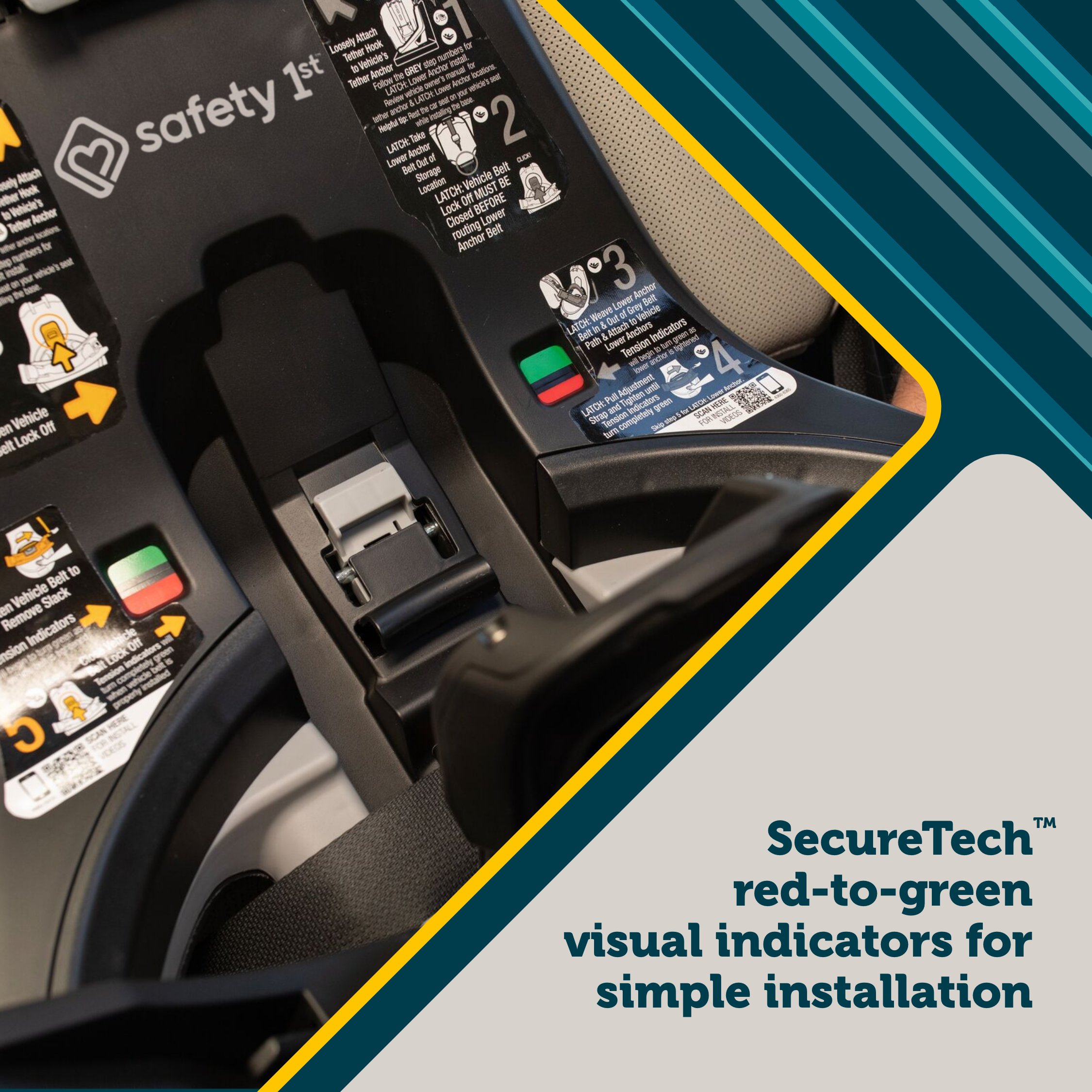
Credit: safety1st.com
Frequently Asked Questions
How Do I Adjust The Harness On A Safety First Car Seat?
To adjust the harness, loosen the strap by pressing the release button. Slide the harness straps to the correct height. Tighten the straps so they fit snugly on your child without slack.
When Should I Change The Recline Angle On The Car Seat?
Adjust the recline angle based on your child’s age and weight. Infants need a more reclined position, while toddlers require a more upright seat for safety and comfort.
How Tight Should The Car Seat Straps Be?
Straps should be snug enough that you cannot pinch any slack. They must lie flat against your child’s body without twisting for maximum safety.
Can I Adjust The Headrest On A Safety First Car Seat?
Yes, most Safety First car seats have adjustable headrests. Raise or lower the headrest to align with your child’s head for proper support and protection.
Conclusion
Adjusting a Safety First car seat keeps your child safe on every trip. Always check the straps and buckles for a snug fit. Make sure the seat is stable and does not move side to side. Remember to follow the car seat manual for proper installation.
Regularly inspect the seat as your child grows. A well-adjusted car seat gives peace of mind and protects your little one. Safety starts with the right fit. Keep your child secure and enjoy worry-free rides.