
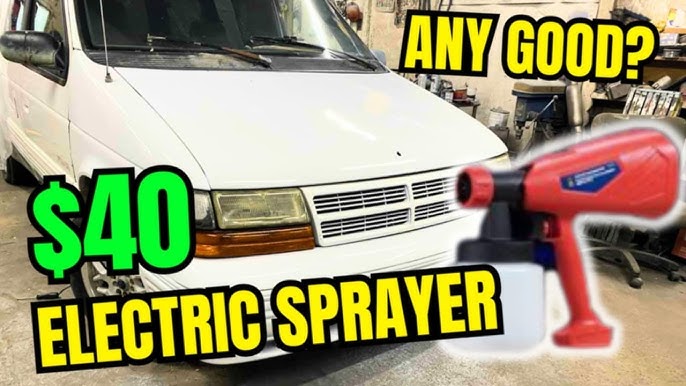
Have you ever wondered if you can paint your car with an airless sprayer? If you’re looking for a fast and efficient way to give your vehicle a fresh new look, this question is probably on your mind.
You want to know if an airless sprayer will give you a smooth, professional finish or if it might cause more trouble than it’s worth. You’ll discover the truth about using airless sprayers on cars, the pros and cons, and tips to get the best results.
Keep reading—you might just find the perfect solution for your next car painting project.
Airless Sprayer Basics
Understanding the basics of an airless sprayer is essential if you’re considering using one to paint your car. These sprayers offer a unique way to apply paint, but they work very differently from traditional spray guns. Knowing how they operate and their common uses can help you decide if they fit your project needs.
How Airless Sprayers Work
An airless sprayer pumps paint at very high pressure through a tiny nozzle. This creates a fine spray without using compressed air. The paint particles are smaller and more evenly distributed, which can give you a smooth finish.
Unlike conventional spray guns that rely on air to atomize paint, airless sprayers use hydraulic pressure. This means less overspray and faster coverage, but it also requires careful control to avoid thick or uneven layers.
Have you ever tried painting with a brush and noticed streaks? Airless sprayers reduce that problem by delivering paint in a steady, consistent flow. However, mastering the pressure and distance is key to getting the best results.
Common Uses For Airless Sprayers
Airless sprayers are widely used for large, flat surfaces like walls, fences, and decks because they cover areas quickly and efficiently. You’ll often see them used in home painting projects rather than detailed automotive work.
They work best with thicker paints and coatings, such as latex or elastomeric paints. This makes them ideal for exterior house painting but less common for the thin, specialized automotive paints that require precision.
- Painting walls and ceilings
- Applying primers and sealers on large surfaces
- Coating fences, decks, and siding
- Commercial and industrial painting tasks
Given these typical uses, do you think an airless sprayer can handle the fine detail and smooth finish your car’s paint job demands? The answer depends on your skill level and the specific equipment you choose.
Car Painting Requirements
Painting a car requires more than just slapping on some paint. It demands careful attention to detail and the right materials. Whether you’re considering using an airless sprayer or another method, understanding the core requirements will set you up for success.
Surface Preparation
Before you even think about paint, the car’s surface must be clean and smooth. Dirt, rust, and old paint chips need to be removed to ensure the new paint sticks properly. Sanding the surface down to a smooth finish is key—skipping this can cause uneven coverage or peeling later.
Have you ever tried painting over a dirty or rough surface? It rarely turns out well. Taking the time to prep your car’s surface pays off in a flawless finish.
Types Of Automotive Paint
Not all paints are created equal. You’ll find several types, including:
- Enamel:Durable and glossy, but takes longer to dry.
- Urethane:Common in professional shops, offers excellent durability and finish.
- Basecoat/Clearcoat:A two-step system that provides a deep, shiny appearance.
Choosing the right paint depends on your goals and the equipment you have. Do you want a quick job or a showroom-quality finish?
Ideal Spray Equipment
While airless sprayers are great for some projects, car painting demands precision. Traditional HVLP (High Volume Low Pressure) sprayers give you more control over the paint flow and atomization, reducing overspray and providing a smoother finish.
That said, if you’re thinking about using an airless sprayer, consider its limitations on fine detail and paint thickness. Matching your equipment to the paint and project will make the difference between a professional look and a disappointing result.
Suitability Of Airless Sprayers For Cars
Airless sprayers use high pressure to push paint through a tiny nozzle. This creates a strong spray that covers large areas quickly. Cars have many curves and small details. Choosing the right sprayer affects the paint job quality and ease of use. Understanding airless sprayers’ suitability helps decide if they fit automotive painting.
Advantages Of Using Airless Sprayers
- Fast coverage saves time on large car panels.
- Thick paints apply smoothly without thinning.
- Strong spray penetrates hard-to-reach areas.
- Less overspray means less wasted paint.
- Durable design works well for repeated use.
Limitations And Challenges
- High pressure can cause uneven paint on curves.
- Hard to control fine details and edges.
- More overspray risk on small parts.
- Requires skill to avoid runs and drips.
- Not ideal for thin, delicate automotive paints.
Comparison With Hvlp And Conventional Sprayers
| Feature | Airless Sprayer | HVLP Sprayer | Conventional Sprayer |
|---|---|---|---|
| Paint Control | Less precise | Highly precise | Moderate control |
| Overspray | Low to moderate | Very low | High |
| Speed | Fast | Moderate | Moderate to fast |
| Paint Types | Thick and heavy | Thin and delicate | Various types |
| Ease of Use | Requires experience | Easy for beginners | Moderate |

Credit: www.youtube.com
Step-by-step Painting Process
Painting a car with an airless sprayer can seem daunting, but breaking the process into clear steps makes it manageable. Each phase, from preparing the surface to finishing touches, affects your final result. Understanding these steps helps you avoid common mistakes and achieve a smooth, professional-looking finish.
Preparing The Car Surface
Start by thoroughly cleaning the car to remove dirt, grease, and old wax. Use a degreaser and then wash with soap and water, drying completely afterward.
Next, sand the surface to create a smooth, even base for the paint to stick. Use fine-grit sandpaper for best results, focusing on any rough or rusty areas.
Finally, wipe the car with a tack cloth to remove dust particles. Mask off parts you don’t want to paint using painter’s tape and plastic sheeting.
Mixing And Loading Paint
Choose the right type of paint compatible with your airless sprayer—usually automotive enamel or urethane. Follow the paint manufacturer’s instructions for thinning, if needed.
Mix the paint thoroughly to ensure color consistency. Avoid shaking, which can create bubbles; instead, stir gently but well.
Pour the paint into the sprayer’s container carefully, ensuring it is free of debris or lumps that could clog the nozzle.
Spraying Techniques
Hold the sprayer about 12 inches from the car’s surface. Keep your wrist steady and move the sprayer in smooth, even strokes, overlapping each pass slightly.
Maintain a consistent speed and distance to avoid drips or uneven coverage. Practice on a scrap piece first to get a feel for the spray pattern.
Spray multiple thin coats rather than one thick coat. This approach reduces runs and helps the paint dry evenly.
Drying And Finishing
Allow each coat to dry according to the paint’s instructions before applying the next. Rushing this step can cause smudging or bubbles.
Once the final coat is dry, inspect the surface for imperfections. Lightly sand any rough spots with ultra-fine sandpaper to smooth them out.
Finish with a clear coat for added protection and shine. Let it cure fully before handling or driving the car to preserve your hard work.
Expert Tips For Best Results
Painting a car with an airless sprayer needs careful preparation and the right spray settings. Choose thin paint and practice on a test surface for smooth coverage. Keep a steady hand to avoid drips and uneven layers.
Painting your car with an airless sprayer can be a rewarding DIY project, but achieving professional-grade results takes more than just the right tools. Understanding the nuances of the process and applying expert tips can make all the difference. From selecting the appropriate nozzle size to maintaining consistent pressure and avoiding common pitfalls, these insights can transform your car painting experience.
Choosing The Right Nozzle Size
Selecting the correct nozzle size is crucial for achieving a smooth, even coat. A nozzle that’s too large can result in excessive paint flow, leading to drips and uneven coverage. On the other hand, a nozzle that’s too small might not provide adequate coverage, making the task tedious and inefficient. Consider the type of paint you are using. Thicker paints, like primer, may require a larger nozzle, while thinner paints, such as clear coats, need smaller ones. Always refer to your sprayer’s manual or consult a professional to ensure you’re using the correct size for your specific paint and project.
Maintaining Consistent Pressure
Consistent pressure is essential for an even application of paint. Fluctuations in pressure can lead to streaks and uneven layers, diminishing the overall quality of your paint job. Regularly check your sprayer’s pressure settings and make adjustments as needed. If your sprayer has a pressure gauge, use it to monitor and maintain the recommended level. Some sprayers allow for automatic pressure adjustments, but it’s always wise to be vigilant and manually verify settings during use.
Avoiding Common Mistakes
Even seasoned DIYers can make errors when painting a car with an airless sprayer. One frequent mistake is not preparing the car’s surface adequately. Ensure the car is clean, sanded, and free of any debris before starting. This step is crucial to prevent imperfections in the final finish. Another common error is rushing the painting process. Allow ample drying time between coats to avoid runs and sags. Remember, patience and attention to detail are key to achieving a showroom-quality finish. By focusing on these expert tips, you enhance your chances of a successful car painting project. Have you considered how these strategies can elevate your DIY endeavors?

Credit: www.youtube.com
Safety And Cleanup
Handling an airless sprayer for painting your car is not just about getting a smooth finish. It’s equally about keeping yourself safe and managing cleanup effectively. Neglecting these steps can lead to health risks and damage your equipment, turning a fun project into a frustrating one.
Protective Gear Recommendations
You must protect your skin, eyes, and lungs while spraying paint. Wear a respirator mask designed for paint fumes to avoid inhaling harmful chemicals. Don’t skip goggles; they shield your eyes from splashes and airborne paint particles.
Long sleeves, gloves, and coveralls prevent paint from touching your skin. Have you ever noticed how paint on your skin feels uncomfortable hours later? Proper gear avoids that irritation and keeps you safe from toxic exposure.
Proper Cleaning Of The Sprayer
Cleaning your airless sprayer right after use prevents clogs and extends its life. Flush the system with the appropriate solvent—water-based paint needs water, while oil-based paint requires mineral spirits. Avoid leaving paint to dry inside the sprayer; it can cause permanent damage.
Disassemble the nozzle and filters to clean them thoroughly. It’s a small step, but it makes restarting your next project much easier. Do you want to spend your next painting day fixing equipment instead of painting?
Disposal Of Paint Waste
Properly disposing of leftover paint and cleaning fluids protects the environment. Never pour paint or solvents down the drain or on the ground. Instead, use designated hazardous waste disposal sites or follow local guidelines for paint disposal.
Collect rags and brushes used in cleaning and store them safely until you can dispose of them. Improper disposal can lead to fines and environmental harm. How often do you think about where your paint waste ends up?

Credit: www.youtube.com
Frequently Asked Questions
Can You Use An Airless Sprayer On A Car?
Yes, you can use an airless sprayer on a car. It provides even coverage but requires careful technique to avoid overspray and runs.
What Are The Benefits Of Airless Sprayers For Cars?
Airless sprayers offer fast application and smooth finishes. They reduce paint waste and work well for large surface areas like cars.
Are Airless Sprayers Better Than Traditional Spray Guns?
Airless sprayers deliver higher pressure for faster jobs. However, traditional spray guns offer more control and detail for automotive painting.
What Paint Types Work With Airless Sprayers On Cars?
You can use latex, enamel, and urethane paints in airless sprayers. Proper thinning is essential for smooth application on cars.
Conclusion
Painting a car with an airless sprayer is possible but has challenges. Airless sprayers deliver paint fast, which can cause uneven coverage. You need practice to control the spray and avoid paint runs. Proper preparation of the car surface is very important for good results.
Using the right paint type and thinning it correctly helps a lot. For best outcomes, consider small test areas before painting the whole car. With care and patience, an airless sprayer can work, but many prefer traditional sprayers for smooth finishes.
Choose the method that fits your skill and project needs.