

Have you ever wondered what happens when a crash or dangerous situation suddenly appears during a thrilling Formula 1 race? That’s where the Safety Car comes in.
It might seem like just another car on the track, but its role is crucial in keeping drivers safe and the race fair. If you want to understand how this special car changes the game and why it’s so important, keep reading.
This article will reveal everything you need to know about the Safety Car in F1 and how it impacts your favorite sport.
Safety Car Basics
The Safety Car plays a crucial role in Formula 1 racing. It helps manage race conditions during accidents or hazardous situations on the track. Understanding the basics of the Safety Car enhances the race experience for fans and newcomers alike.
Purpose In F1
The Safety Car controls the speed of the race cars when danger appears. It slows down all drivers to prevent accidents. This allows marshals and medical teams to work safely on the track. It also keeps the race fair by maintaining car positions during interruptions.
When It Appears
The Safety Car comes out during crashes, debris on track, or bad weather. Race officials decide to deploy it to protect drivers and staff. Cars must follow the Safety Car until the track clears and officials say it is safe to race again.
Types Of Safety Cars
Formula 1 uses different Safety Cars depending on the track and conditions. These cars are high-performance vehicles able to keep up with F1 cars at slow speeds. Some famous brands used include Mercedes, Aston Martin, and BMW. Each Safety Car is specially prepared for quick response and safety.
Rules During Safety Car Period
The safety car plays a crucial role in keeping drivers safe during unexpected incidents on the track. But what exactly happens once the safety car is deployed? There are strict rules that every driver must follow, which ensures fairness and safety during this period. Understanding these rules can change how you watch a race and appreciate the strategic moves teams make.
Driver Restrictions
Once the safety car is out, drivers must reduce their speed and maintain their position behind it. Overtaking is strictly forbidden unless a driver is instructed to pass by race control. Drivers must keep a safe distance but also avoid falling too far behind to maintain the race order.
Another key point is that drivers are not allowed to leave the track or perform erratic maneuvers. This keeps everyone predictable and prevents accidents in the slower pack. Have you ever noticed how tightly the cars bunch up behind the safety car? That’s because these restrictions keep the field compact.
Pit Stop Procedures
Pit stops during a safety car period can be a game-changer. Teams often use this opportunity to change tires or fix minor issues without losing as much time as they would under normal racing conditions. However, drivers must enter the pit lane at the regulated speed limit to avoid penalties.
One tricky part is timing your pit stop. If too many cars pit simultaneously, you might face delays. But waiting too long might cost you track position once the race restarts. Your favorite team’s strategy during these moments can reveal a lot about their race plan.
Restart Protocol
The restart after a safety car period is one of the most intense moments in F1. The safety car will turn off its lights to signal the approaching restart, but drivers must still keep their position until they cross the start/finish line. Jumping the restart can lead to penalties.
Drivers at the front control the pace, often trying to surprise their rivals with a sudden acceleration. This requires sharp focus and quick reflexes. Are you watching closely to see who masters the restart? It’s a thrilling test of skill under pressure.
Impact On Race Strategy
The Safety Car plays a crucial role in shaping the race strategy in Formula 1. It slows down the race and bunches up the cars, changing many tactical elements instantly. Teams and drivers must adapt quickly to make the most of this pause.
Tire And Fuel Management
The Safety Car period helps drivers save tire life and fuel. Cars run at lower speeds, reducing tire wear and fuel consumption. This can extend a tire stint or allow for more aggressive driving later. Teams may choose to change tires during this time, gaining a fresh set without losing much track position.
Position Changes
The bunching of cars allows drivers to gain or lose places easily. Overtaking is limited behind the Safety Car, but pit stops can shuffle the order. Teams may try risky strategies, hoping to jump rivals during the pit window. Some drivers may restart with a better tire advantage, making position battles more intense once racing resumes.
Team Decisions
Teams must act fast during Safety Car periods. They analyze data and decide whether to pit or stay out. Communication between driver and team is key to adjust plans on the fly. Choosing the right strategy can mean the difference between winning and losing. Safety Car moments often reveal smart tactical calls and mistakes alike.
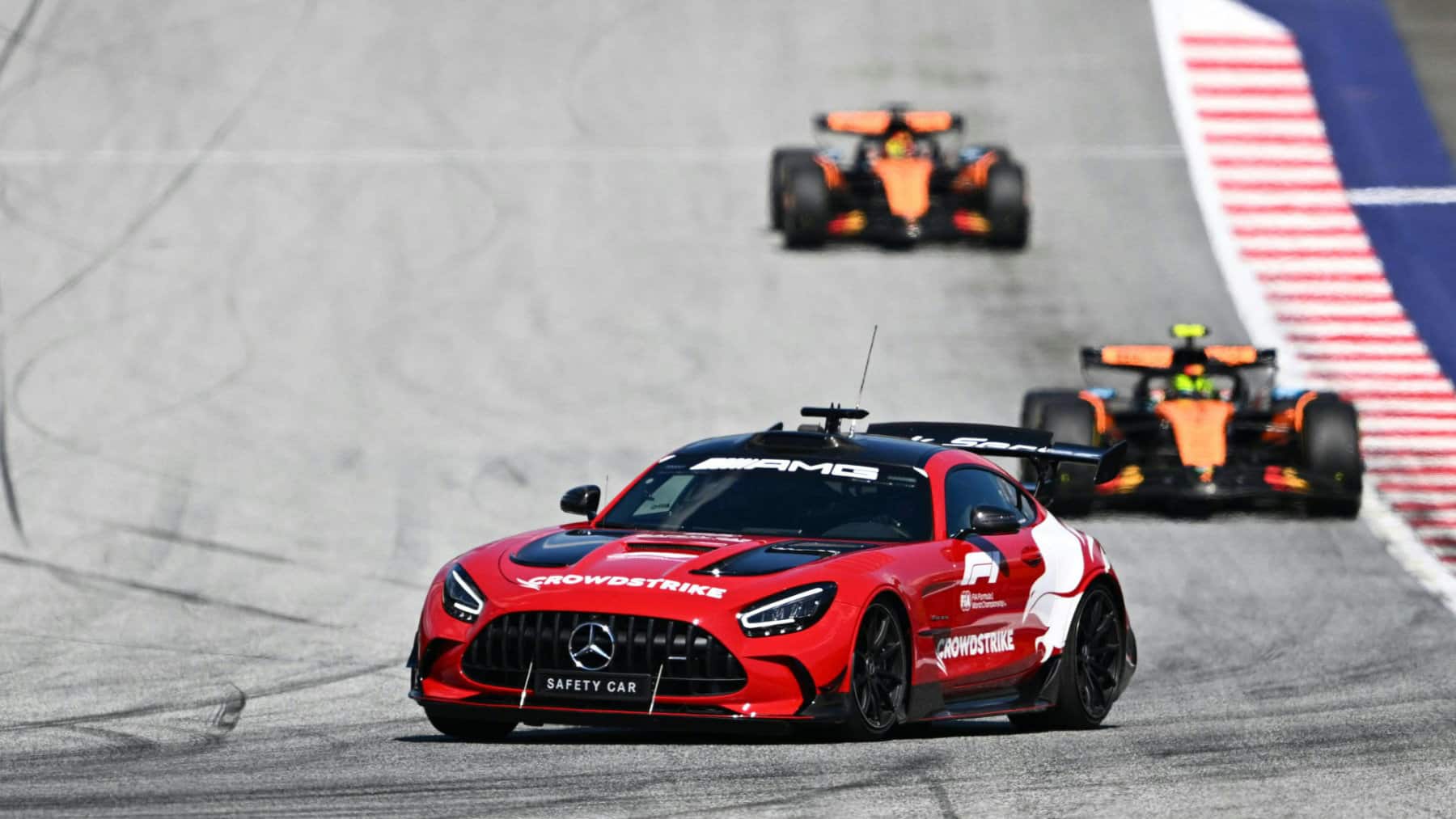
Credit: www.motorsportmagazine.com
Notable Safety Car Moments
The Safety Car in Formula 1 has played a crucial role in shaping race outcomes and adding unexpected twists. Its deployment often changes the dynamics on the track, affecting strategies and driver positions. Let’s look at some of the most notable moments when the Safety Car made a significant impact.
Historic Races Affected
One unforgettable instance was the 2008 Belgian Grand Prix. The Safety Car came out after a massive crash, which shuffled the field and helped Lewis Hamilton secure a crucial victory in his championship fight.
Another memorable case occurred at the 2011 Canadian Grand Prix. The multiple Safety Car periods turned the race into a thrilling endurance test, eventually leading to Jenson Button’s dramatic win after numerous overtakes and restarts.
These races show how the Safety Car can turn everything upside down. Have you ever wondered how your favorite driver might have fared without these interruptions?
Controversies And Debates
The Safety Car isn’t without its controversies. The 2021 Abu Dhabi Grand Prix sparked heated debates when the way the Safety Car was deployed in the final laps influenced the championship’s outcome.
Many fans and experts questioned whether race control followed consistent rules, highlighting how critical these decisions are. It raises the question: should the deployment rules be clearer or more flexible to ensure fairness?
Controversies like these remind you that the Safety Car’s role is more than safety—it can become a pivotal factor that changes the course of history in F1 racing.
Future Of Safety Cars
A Safety Car in F1 leads the race to control speed during accidents or hazards on track. Future safety cars may use advanced tech for better race management and driver safety. They play a key role in keeping races fair and secure.
The future of Safety Cars in F1 is an exciting topic that sparks both curiosity and innovation. As technology rapidly advances and the sport evolves, the role of the Safety Car is poised for transformation. This evolution not only promises enhanced safety but also a more engaging experience for fans and drivers alike.Technological Advances
Technology is reshaping the Safety Car landscape at a dizzying pace. Imagine a Safety Car equipped with real-time data analytics, capable of making split-second decisions that enhance race safety. Autonomous driving features could also be integrated, allowing the Safety Car to operate with precision and efficiency, minimizing human error. This tech-savvy future isn’t just a dream. It’s already in motion with hybrid and electric models being tested in motorsports. These eco-friendly vehicles not only reduce emissions but also showcase cutting-edge technology. Are you ready for a Safety Car that communicates directly with race control, adjusting speed and strategy dynamically? This is the kind of innovation that could redefine race safety standards.Potential Rule Changes
The rules governing Safety Cars could see significant changes as well. Adjustments may be made to when and how the Safety Car is deployed, impacting race strategy and excitement. Imagine a scenario where Safety Cars are used more strategically to bunch up the field, creating more competitive racing. This could make races unpredictable and thrilling, keeping you on the edge of your seat. Rule changes might also address the duration a Safety Car stays on track. Shorter Safety Car periods could enhance the flow of the race, maintaining momentum and viewer engagement. What changes would you like to see in the rules to enhance your F1 experience? Your ideas could shape the future of this thrilling sport.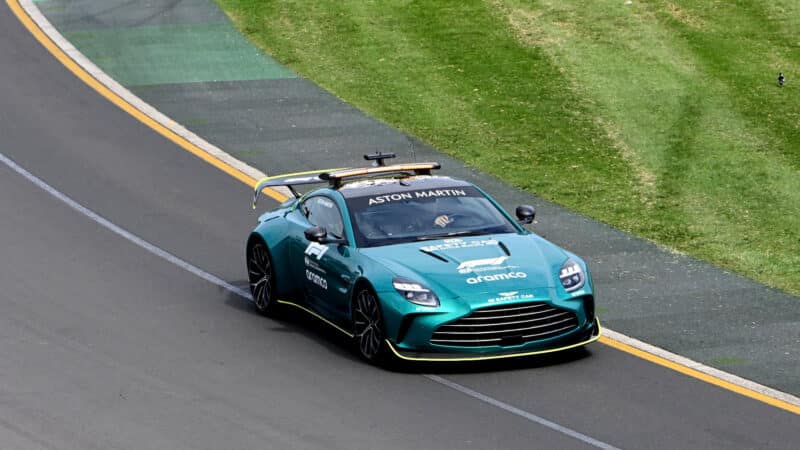
Credit: www.motorsportmagazine.com
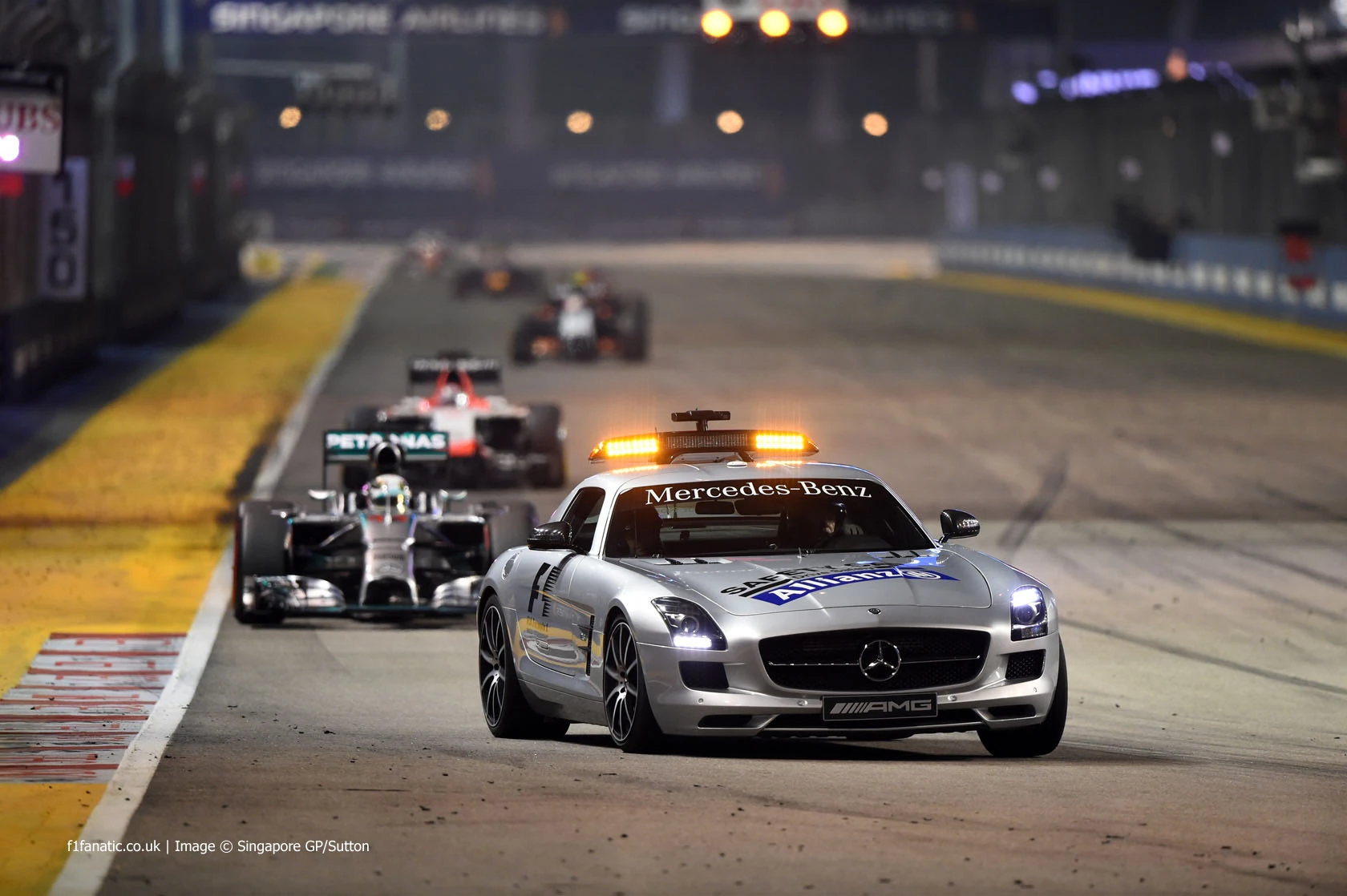
Credit: f1.fandom.com
Frequently Asked Questions
What Is The Role Of The Safety Car In F1?
The Safety Car controls the race pace during hazards. It ensures driver safety by slowing the pack and neutralizing the race until the track is clear.
When Is The Safety Car Deployed In An F1 Race?
The Safety Car is deployed after crashes, debris, or dangerous weather. It helps manage safety risks and allows marshals to clear the track safely.
How Does The Safety Car Affect Race Strategy?
The Safety Car bunches up the field, reducing gaps between drivers. Teams often use this chance to make pit stops and adjust their strategies.
Who Drives The Safety Car In Formula 1?
The Safety Car is driven by a professional driver appointed by the FIA. They must maintain a controlled, steady pace to keep the race safe.
Conclusion
The Safety Car plays a vital role in Formula 1 races. It helps keep drivers safe during crashes or bad weather. By slowing the cars, it prevents accidents and allows marshals to clear the track. Fans might see it often, but its purpose is serious.
Understanding the Safety Car adds to the excitement of watching F1. Every race can change when it appears. Safety comes first, and the Safety Car ensures that for everyone on the track. It’s a key part of F1’s rules and safety system.