
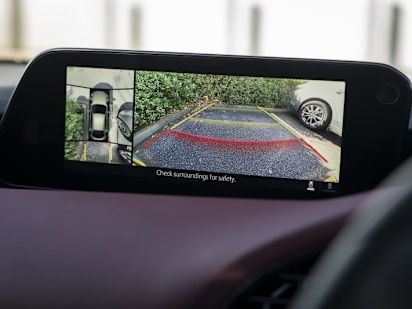
When you get behind the wheel, your safety should always come first. But do you really know the features in your car that protect you every time you drive?
Understanding the key safety features can give you peace of mind and help you make smarter choices on the road. You’ll discover five essential safety features that could save your life. Keep reading to learn what they are and why they matter to you.

Credit: www.vehiclefix.in
Airbags
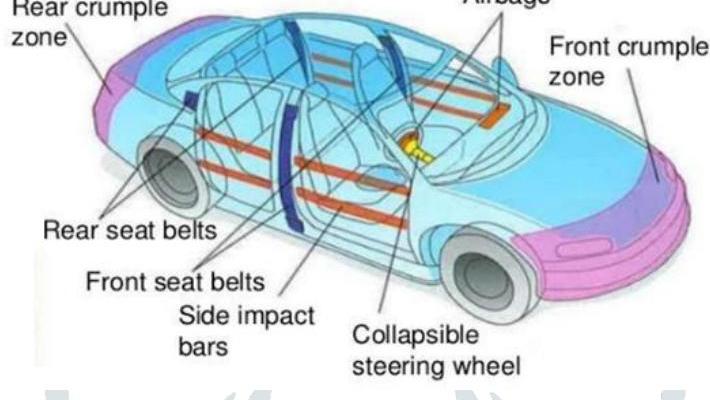
Airbags are one of the most important safety features in modern cars. They act as a cushion during collisions, reducing the risk of serious injuries. You might not see them until they are needed, but their presence can make a huge difference in protecting you and your passengers.
Types Of Airbags
Cars today come equipped with several types of airbags designed to protect different parts of your body. The most common ones include:
- Front airbags:Positioned in the steering wheel and dashboard, these protect your head and chest during frontal crashes.
- Side airbags:Installed in the doors or seats, they shield your torso and pelvis from side impacts.
- Curtain airbags:These deploy from the roof lining and cover the windows, protecting your head in side collisions or rollovers.
- Knee airbags:Located below the dashboard, they reduce leg injuries in a crash.
Knowing what airbags your car has can help you understand how well you and your family are protected.
How Airbags Protect Passengers
Airbags inflate in milliseconds after a collision is detected, creating a soft barrier between your body and hard surfaces. This rapid deployment helps spread the force of impact, lowering the chance of severe injury.
Think about a sudden stop—you might slam into the steering wheel or dashboard without airbags. The airbags absorb the energy and prevent your body from hitting those surfaces directly.
Have you ever wondered why airbags work best with seat belts? Seat belts hold you in place, allowing the airbags to cushion the blow instead of you moving too far forward. Together, they form a powerful team in keeping you safe.

Credit: www.seatcoversolutions.com
Anti-lock Braking System
The Anti-lock Braking System (ABS) is a crucial safety feature designed to help you maintain control of your car during sudden stops. It prevents the wheels from locking up when you apply the brakes hard. This system works silently but plays a powerful role in keeping you safe on the road.
Function Of Abs
ABS constantly monitors the speed of each wheel through sensors. If it detects a wheel about to lock up, it quickly reduces brake pressure on that wheel. This prevents skidding and allows your tires to keep rolling, which helps you steer while braking.
Imagine you’re driving on a wet road and need to stop suddenly. Without ABS, your wheels might lock, causing you to lose control. With ABS, the system adjusts brake pressure many times per second, giving you better stability and control.
Benefits In Emergency Braking
During emergency stops, ABS helps shorten your stopping distance on most surfaces. It also lets you steer around obstacles while braking hard, something you can’t do if your wheels are locked.
Have you ever panicked and slammed the brakes, only to skid out of control? ABS reduces the chances of that happening. It makes sudden braking safer, especially on slippery or uneven roads.
- Improves vehicle control during hard braking
- Reduces the risk of skidding and accidents
- Allows you to steer around hazards while stopping
- Works effectively in rain, snow, and gravel conditions
Next time you’re behind the wheel, think about how ABS is quietly helping you stay safe, especially when every second counts. Would you feel confident stopping suddenly without it?
Electronic Stability Control
Electronic Stability Control (ESC) is a vital safety feature in modern cars. It helps drivers maintain control during sharp turns or slippery conditions. ESC uses sensors to monitor the vehicle’s movement and steering input. When it detects a loss of traction, it acts quickly to keep the car stable. This technology reduces the risk of skidding and accidents.
Preventing Skids And Loss Of Control
ESC prevents skids by adjusting brake pressure on individual wheels. It can slow down a wheel that is slipping and help the car follow the driver’s intended path. This control works especially well on wet, icy, or uneven roads. ESC supports the driver in maintaining control during sudden maneuvers or emergency turns. It is a key factor in reducing rollover crashes and spinouts.
When Esc Activates
ESC activates automatically without driver input. Sensors constantly check the car’s speed, steering angle, and wheel rotation. If the system senses a mismatch between steering and vehicle direction, it intervenes. Brakes apply to specific wheels, and engine power may reduce. Drivers often feel a slight pulsing in the brake pedal during ESC action. This feedback signals that the system is working to stabilize the vehicle.
Seat Belts
Seat belts are the first line of defense in protecting you during a car accident. They keep you secured in your seat, preventing serious injuries caused by sudden stops or collisions. Despite their simplicity, seat belts save thousands of lives every year.
Modern Seat Belt Technologies
Today’s seat belts are more advanced than the basic straps you might remember from older cars. Many come with pretensioners that tighten the belt instantly during a crash, reducing slack and holding you firmly in place.
Load limiters are another feature; they allow some controlled give in the belt to reduce pressure on your chest, minimizing injury. Some vehicles now include seat belt reminders and adjustable anchors to improve comfort and encourage consistent use.
Have you noticed how your car sometimes beeps until you buckle up? That’s a safety alert designed to save your life by making sure you don’t forget this critical step.
Importance Of Proper Usage
Wearing a seat belt incorrectly can be almost as dangerous as not wearing one at all. The belt should lie flat across your chest and over your hips—not your stomach—to distribute force safely during impact.
Many people slacken their belts or place the shoulder strap behind their back, which severely reduces protection. Have you checked your seat belt fit today? Small adjustments can make a big difference in how well it protects you.
Always make sure your seat belt is snug and not twisted. This simple habit can prevent injuries and ensure the belt does its job when you need it most.
Collision Avoidance Systems
Collision Avoidance Systems play a crucial role in modern car safety. These systems help prevent accidents by detecting potential dangers. They alert drivers and take action to avoid collisions. With advancements in technology, these systems have become more sophisticated.
Types Of Collision Sensors
Collision sensors are the eyes and ears of avoidance systems. Different types exist to detect various threats. These sensors include:
- Radar Sensors:Use radio waves to detect objects in front of the car.
- Camera Sensors:Capture images to identify obstacles and road signs.
- Ultrasonic Sensors:Emit sound waves for close-range object detection.
- LiDAR Sensors:Measure distance using laser light reflections.
Each sensor type contributes to a safer driving experience.
Automatic Braking Features
Automatic braking is a key component of collision avoidance. It helps prevent or reduce the impact of collisions. This feature activates the brakes without driver input. It relies on data from collision sensors to work effectively.
Automatic braking systems have evolved over time. They can recognize pedestrians, other vehicles, and obstacles. Some systems even adapt to the speed of the car ahead. This ensures a safe stopping distance is maintained.
These features enhance driver confidence and safety on the road. They are essential in modern vehicles, providing peace of mind to all drivers.
Credit: www.academia.edu
Frequently Asked Questions
What Are The Top 5 Safety Features In A Car?
The top 5 safety features include airbags, anti-lock brakes, seat belts, electronic stability control, and rearview cameras. These features protect passengers and help prevent accidents by improving vehicle control and visibility.
How Do Airbags Improve Car Safety?
Airbags cushion passengers during collisions, reducing injury risk. They deploy instantly upon impact, protecting the head and chest from hitting hard surfaces inside the car.
Why Is Electronic Stability Control Important?
Electronic stability control helps prevent skidding and loss of control. It automatically applies brakes to individual wheels, enhancing vehicle stability during sudden turns or slippery conditions.
How Do Seat Belts Save Lives In Crashes?
Seat belts restrain passengers, preventing ejection and reducing injury severity. They distribute crash forces across stronger body parts, minimizing damage during sudden stops or collisions.
Conclusion
Car safety features protect you and your passengers every time you drive. Seat belts, airbags, and anti-lock brakes help prevent injuries in crashes. Electronic stability control keeps the car steady on slippery roads. Backup cameras improve your view when reversing.
These features work together to make driving safer. Always choose a car with good safety tools. Staying safe on the road matters most. Drive smart, stay alert, and trust your car’s safety systems. Safety saves lives.