
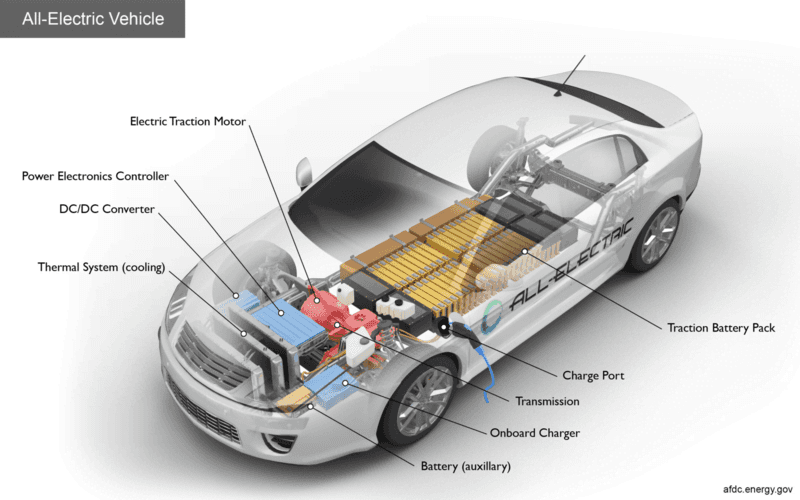
Have you ever wondered if electric cars have gears like traditional vehicles? If you’re curious about how your electric car changes speed and handles power, you’re not alone.
Understanding whether your car has gears can change how you think about driving and maintaining it. Keep reading to uncover the surprising truth about gears in electric cars and what that means for your driving experience.
Electric Car Transmission Basics
Understanding the basics of electric car transmissions can change how you view these vehicles. Unlike traditional cars, electric cars often don’t need complex gear systems. This simplicity affects performance, maintenance, and your driving experience.
How Electric Motors Work
Electric motors deliver power directly to the wheels. They generate torque instantly, which means you get smooth and quick acceleration without shifting gears.
Most electric cars use a single-speed transmission. This setup keeps things simple and efficient. The motor’s wide power band eliminates the need for multiple gears.
Think about your last drive in an electric car. Did you notice the absence of gear changes? That’s because the motor adapts its speed and power seamlessly.
Comparison With Gasoline Engines
Gasoline engines rely on multiple gears to stay in the optimal power range. You often shift gears to keep the engine running efficiently.
Electric motors, on the other hand, maintain consistent power over a wide range of speeds. This means fewer moving parts and less mechanical complexity.
- Gasoline engines:Require transmissions with several gears.
- Electric motors:Usually operate with a single-speed gearbox or direct drive.
This difference means electric cars often have lower maintenance costs. It also affects how they feel on the road — smoother and quieter.
Have you experienced the smooth acceleration of an electric car? How did it compare to your expectations based on traditional cars?

Credit: www.youtube.com
Do Electric Cars Use Gears?
Electric cars differ from traditional vehicles in many ways, especially when it comes to their transmission systems. You might wonder if electric vehicles (EVs) actually use gears like gasoline-powered cars. The answer is both simple and intriguing—electric cars do use gears, but not always in the way you expect.
Single-speed Gearboxes Explained
Most electric cars use a single-speed gearbox. This means the motor connects directly to the wheels without switching gears. The electric motor’s broad torque range allows it to operate efficiently at various speeds, eliminating the need for multiple gears.
Think about how your smartphone adjusts volume smoothly without separate steps. Similarly, a single-speed gearbox keeps things simple and smooth, reducing mechanical complexity and maintenance.
Multi-speed Transmissions In Evs
Some electric vehicles, especially high-performance or heavy-duty models, use multi-speed transmissions. These gearboxes help optimize power delivery and improve acceleration or top speed.
For instance, the Porsche Taycan features a two-speed transmission on the rear axle to enhance its performance at higher speeds. This setup can give you a more dynamic driving experience, but it also adds weight and complexity.
Would you prefer a straightforward, low-maintenance drive, or are you interested in the extra performance multi-speed systems can provide? Your driving needs can guide the choice between these gear options in electric cars.
Benefits Of Fewer Gears
Electric cars usually have fewer gears than traditional vehicles, and this difference brings several benefits worth considering. Reducing the number of gears can simplify the car’s mechanics and enhance how it performs on the road. Let’s look closer at why having fewer gears might actually improve your driving experience.
Simplified Design And Maintenance
Fewer gears mean a less complex transmission system. This simplicity reduces the chances of mechanical failures, saving you from costly repairs down the line.
With fewer moving parts, maintenance becomes easier and less frequent. You won’t need to worry about shifting issues or clutch replacements as often as with traditional gearboxes.
Think about your last car’s transmission troubles—would you prefer a system that requires less attention? Electric vehicles with simpler gear setups offer exactly that peace of mind.
Improved Efficiency And Performance
Electric motors deliver consistent torque, so they don’t rely heavily on multiple gears to maintain speed. This means fewer gears can actually boost efficiency by minimizing energy loss during gear shifts.
With less time spent changing gears, acceleration feels smoother and more responsive. You’ll notice quicker starts and seamless transitions that make driving more enjoyable.
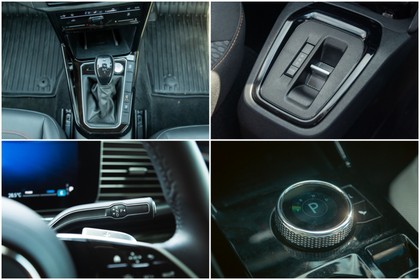
Have you ever experienced lag during gear shifts in a gasoline car? Electric cars cut down on that delay, giving you more control and a better overall ride.
Credit: www.cardekho.com
When Are Multiple Gears Needed?
Electric cars usually have a single gear because electric motors deliver strong torque at low speeds. This design keeps things simple and efficient. Still, multiple gears can be useful in some cases. They help electric vehicles perform better under special conditions or needs.
High-performance Electric Vehicles
Electric sports cars or racing vehicles often need more than one gear. High speeds require different torque and power settings. Multiple gears allow the motor to operate efficiently across a wide speed range. This improves acceleration and top speed. It also helps control the vehicle better during fast driving.
Specialized Applications
Certain electric vehicles used in heavy-duty tasks or rough terrains benefit from multiple gears. Examples include electric trucks, buses, and off-road vehicles. Multiple gears provide the extra power needed to climb hills or carry heavy loads. They also enhance control and safety in difficult driving conditions.
Future Of Electric Car Drivetrains
Electric cars usually do not have gears like traditional vehicles. Their motors deliver smooth power without shifting gears, making driving simpler and quieter. This design helps improve efficiency and reduces maintenance needs.
The future of electric car drivetrains is an exciting landscape, full of promise and innovation. As the world shifts towards sustainable energy, electric vehicles (EVs) are taking center stage. The drivetrain, a crucial component of any vehicle, is undergoing transformative changes that could redefine how we view transportation. Have you ever wondered what lies ahead in the evolution of electric car drivetrains?Innovations In Transmission Technology
Electric cars typically use a single-speed transmission, which simplifies the driving experience and reduces mechanical complexity. However, recent advancements are shaking things up. Multi-speed transmissions are being explored to enhance efficiency and performance, especially for high-speed driving. Imagine driving on a highway with seamless power delivery and improved energy efficiency. This is the potential of new transmission technologies. Some automakers are experimenting with two-speed gearboxes, promising a balance between power and range.Impact On Driving Experience
How does a simpler drivetrain affect your driving experience? Electric vehicles offer smooth acceleration and whisper-quiet operation. You might find the lack of gear shifts refreshing, providing a more relaxed drive. Yet, for some, the tactile feedback of gear changes is a cherished aspect of driving. To address this, manufacturers are developing systems that simulate gear shifts for those who miss that dynamic feel. Could this be the perfect blend of past and future? The future of electric car drivetrains is not just about technology but also about enhancing your driving experience. Are you ready to embrace these changes, or do you long for the traditional roar of an engine?
Credit: www.motorist.co.th
Frequently Asked Questions
Do Electric Cars Have Traditional Gears Like Gas Cars?
Most electric cars use a single-speed transmission instead of traditional multi-gear systems. This is because electric motors provide instant torque, eliminating the need for multiple gears to manage power and speed.
Why Don’t Electric Cars Need Multi-speed Transmissions?
Electric motors deliver consistent torque across a wide speed range. This makes multiple gears unnecessary, simplifying the drivetrain and improving efficiency.
Can Electric Cars Have Multiple Gears For Performance?
Some high-performance electric cars use two-speed gearboxes for better acceleration and top speed. However, this is rare and not common in most electric vehicles.
How Does Single-speed Transmission Benefit Electric Cars?
Single-speed transmissions reduce mechanical complexity and maintenance needs. They also provide smooth, quiet operation and improve overall reliability for electric vehicles.
Conclusion
Electric cars usually do not have many gears like regular cars. Most use a single-speed transmission. This design makes driving smooth and easy. It also reduces the chance of parts breaking. Electric motors provide strong power right away. So, shifting gears is not needed.
This means less noise and less maintenance. Understanding this helps you see how electric cars work simply. They offer a quiet and comfortable ride without complex gear systems.