
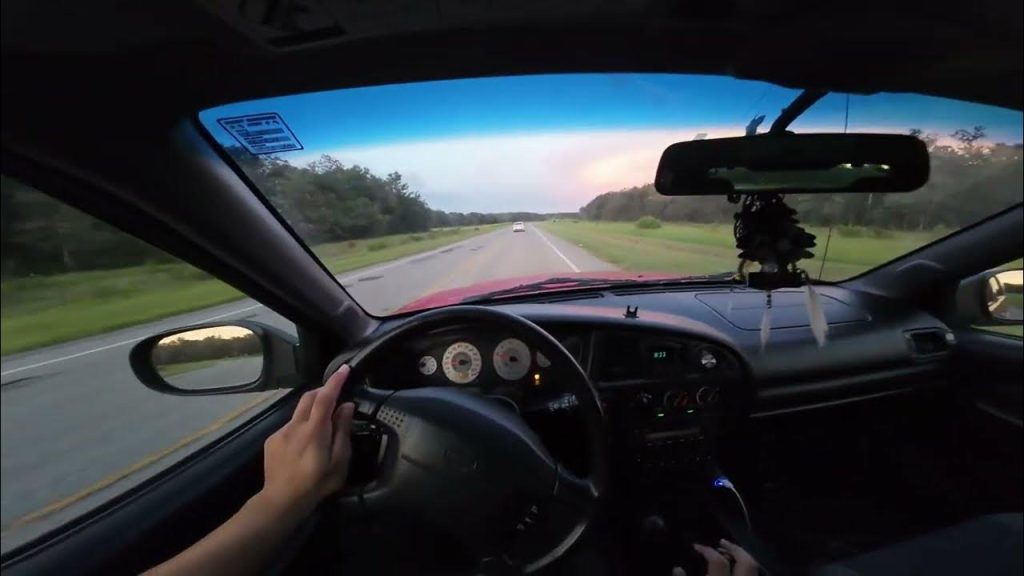
Have you ever wished you could shift gears smoothly without using the clutch? Learning how to float gears in your car can make driving feel more seamless and impressive.
It’s a skill that takes practice but can save wear on your clutch and give you better control behind the wheel. You’ll discover simple steps to master floating gears and avoid common mistakes that beginners make. Ready to take your driving skills up a notch?
Keep reading to unlock the secrets of floating gears like a pro.

Credit: www.youtube.com
Basics Of Gear Floating
Understanding the basics of gear floating can change how you drive, especially if you want smoother shifts and less wear on your car. This technique allows you to shift gears without using the clutch pedal, but it requires precise timing and control. Let’s break down what gear floating really means, why some drivers prefer it, and when it makes sense to use it.
What Is Gear Floating
Gear floating is a driving skill where you change gears without pressing the clutch. Instead, you match the engine speed to the transmission speed to smoothly slide the gear into place. This requires careful coordination between the throttle and gear lever.
Think of it as syncing two moving parts perfectly to avoid grinding gears. Some experienced drivers use it to save time or reduce clutch wear, but it’s not for beginners.
Benefits Of Floating Gears
- Reduced Clutch Wear:You don’t rely on the clutch as much, which can extend its life.
- Smoother Shifts:When done right, gear floating creates seamless gear changes without jerks.
- Improved Driving Efficiency:It can make driving more fluid, especially on highways or in performance driving.
However, mastering this skill takes practice. You might initially cause more wear if timing is off, so it’s important to listen to your car and adjust accordingly.
When To Use Floating
Gear floating is most useful during long highway drives where you need to shift gears quickly without stopping. It also helps in situations where clutch use is impractical, like in heavy traffic or performance driving.
But be cautious—using it in stop-and-go traffic can wear out your transmission if you’re not skilled. Ask yourself: do you have enough control over your engine revs to match speeds perfectly?
Try practicing in a safe, open area before attempting to float gears in busy traffic. Your car will respond better if you understand exactly when and how to use this technique.
Preparing Your Car
Preparing your car before floating gears ensures a smooth and safe driving experience. This process involves checking key components and understanding your vehicle’s suitability. Taking time to prepare your car helps avoid damage and improves control while floating gears.
Check Clutch And Transmission
Inspect the clutch for smooth engagement and release. A worn clutch can cause slipping or jerking. Test the transmission by shifting through all gears while stationary. Listen for unusual noises or resistance. Proper clutch and transmission function is critical for floating gears.
Suitable Cars For Floating
Floating gears works best with manual transmission vehicles. Cars with smooth gearboxes and light clutch pedals are easier to float. Some older models or heavy trucks may not respond well to this technique. Know your car’s transmission type and condition before attempting to float gears.
Safety Precautions
- Practice in a safe, open area away from traffic.
- Wear your seatbelt and keep both hands on the wheel.
- Maintain full attention to road and surroundings.
- Do not float gears on steep hills or in heavy traffic.
- Ensure brakes and steering are fully functional.
Techniques For Floating Gears
Floating gears can transform your driving experience, making gear shifts smoother and faster. Mastering the right techniques helps you avoid unnecessary wear on your clutch and transmission. Let’s dive into practical ways you can float gears effectively and confidently.
Matching Engine Speed
Matching engine speed is key to floating gears smoothly. Before shifting, you need to bring the engine RPM close to the speed of the next gear. This reduces jolts and strain on your transmission.
Try this: when upshifting, gently ease off the accelerator to lower RPMs. For downshifting, give a slight throttle blip to raise RPMs. This balance helps the gears mesh without grinding.
Shifting Without Clutch
Shifting without using the clutch requires precise timing and feel. You must carefully relieve pressure on the current gear while matching engine speed to the next gear.
Here’s what to do: ease off the accelerator, gently move the gear lever to neutral, and then shift into the desired gear once the engine speed aligns. It takes practice, but your hand and foot coordination will improve quickly.
Timing Your Shifts
Timing is everything when floating gears. If you shift too early or too late, you risk damaging your transmission or causing rough shifts.
Pay attention to the sound and feel of your engine. When you hear the RPMs drop or rise near the target gear’s speed, that’s your cue to shift. Over time, you’ll develop an instinct for perfect timing.

Credit: www.reddit.com
Common Mistakes To Avoid
Floating gears can be a smooth and efficient technique if done correctly. However, many drivers make common mistakes that lead to rough shifts, increased wear, or even damage to the transmission. Knowing what to avoid can save you money and keep your driving experience seamless.
Forcing Shifts
Trying to force a gear change when it doesn’t want to happen is a quick way to cause damage. The transmission synchronizers need time to match speeds between gears. If you push too hard, you risk grinding gears or damaging internal parts.
Think about the last time you tried to jam a shift without proper timing—did it feel smooth? Patience and gentle control of the clutch and throttle are key to floating gears successfully.
Ignoring Engine Rpm
Matching the engine RPM to the transmission speed is crucial. Shifting without paying attention to RPM can cause jerks or wear out your clutch faster. The goal is to keep engine speed and gear speed in harmony.
Ask yourself: are you listening to your engine’s sound and feeling the car’s response? Adjusting throttle input to maintain proper RPM helps you avoid unnecessary stress on the drivetrain.
Overusing Floating
Floating gears isn’t meant to be used all the time. Overdoing it can lead to premature wear on your clutch and transmission components. It’s a skill best reserved for specific situations like racing or avoiding clutch wear in stop-and-go traffic.
Have you noticed any roughness or slipping after trying to float gears constantly? Using it sparingly and knowing when to rely on the clutch will extend your car’s life and keep your shifts smooth.
Practice Tips For Smooth Shifting
Learning to float gears can be a rewarding skill. It requires practice and patience. With the right approach, you can achieve smooth shifting. Here are some tips to help you practice effectively.
Start In Low Traffic Areas
Begin your practice sessions in areas with minimal traffic. Open parking lots or quiet roads work well. This reduces stress and allows you to focus. You can take your time without pressure from other drivers.
Listen To Engine Sounds
Your car’s engine communicates through its sounds. Pay attention to these cues. The engine’s pitch changes as it revs. Learn to recognize the right moment for shifting. This will help you achieve smoother gear changes.
Gradually Increase Speed
Start with lower speeds to build confidence. As you improve, increase your speed gradually. This helps you adapt to different driving conditions. It also enhances your ability to float gears smoothly.

Credit: www.youtube.com
Maintaining Your Transmission
Maintaining your car’s transmission is key to keeping your vehicle running smoothly, especially if you want to master techniques like floating gears. A well-maintained transmission can save you from costly repairs and unexpected breakdowns. Paying attention to its condition helps you spot issues early and ensures your driving experience remains seamless.
Regular Fluid Checks
Transmission fluid plays a crucial role in lubricating and cooling your car’s gears. Checking the fluid regularly helps you avoid damage caused by overheating or friction. You should look for the right fluid level and clean, bright color—dark or burnt-smelling fluid signals trouble.
Make it a habit to check your transmission fluid at least once a month. If you notice any leaks or drops in fluid level, top it up with the recommended type for your vehicle. This simple step can extend the life of your transmission significantly.
Signs Of Transmission Wear
How can you tell if your transmission needs attention? Some common signs include slipping gears, delayed engagement, or unusual noises like grinding or whining. If your car hesitates when shifting or if the gears feel rough, it’s time to investigate further.
Pay attention to any burning smells or fluid leaks under your car. These symptoms often indicate internal wear or damage. Catching these early can help you avoid a full transmission replacement.
When To Consult A Mechanic
Not all transmission issues are easy to fix on your own. If you notice persistent slipping, strange noises, or fluid leaks, it’s wise to get a professional opinion. Mechanics have the tools and expertise to diagnose problems that might not be obvious at first glance.
Have you ever ignored a small transmission issue only to face a bigger problem later? Scheduling a timely inspection can prevent that headache. Don’t wait until you’re stuck on the road—consult a mechanic at the first sign of trouble.
Frequently Asked Questions
What Does Floating Gears Mean In A Car?
Floating gears means shifting gears without using the clutch pedal. It involves matching engine speed to transmission speed to change gears smoothly and without jerking.
Is Floating Gears Harmful To My Car’s Transmission?
If done incorrectly, floating gears can damage the transmission. However, skilled drivers can float gears safely without causing harm by precisely matching engine and gear speeds.
When Should I Use Floating Gears While Driving?
Floating gears is useful during long downhill drives or when shifting in slow-moving traffic. It helps reduce clutch wear and improves smoothness in gear changes.
How Do I Practice Floating Gears Safely?
Start practicing on flat, low-traffic roads. Listen to engine sounds and feel gear engagement to match speeds accurately. Avoid rushing and keep safety a priority.
Conclusion
Floating gears in a car takes practice and patience. It helps you shift smoothly without using the clutch much. Start slow and listen to the engine’s sound. Feel the gear’s movement with your hand. Avoid forcing the gear, or it may get stuck.
Over time, this method saves wear on your clutch. Drive carefully and stay calm while learning. Soon, floating gears will feel natural and easy. Keep practicing regularly to improve your skill. Safe driving always comes first.