
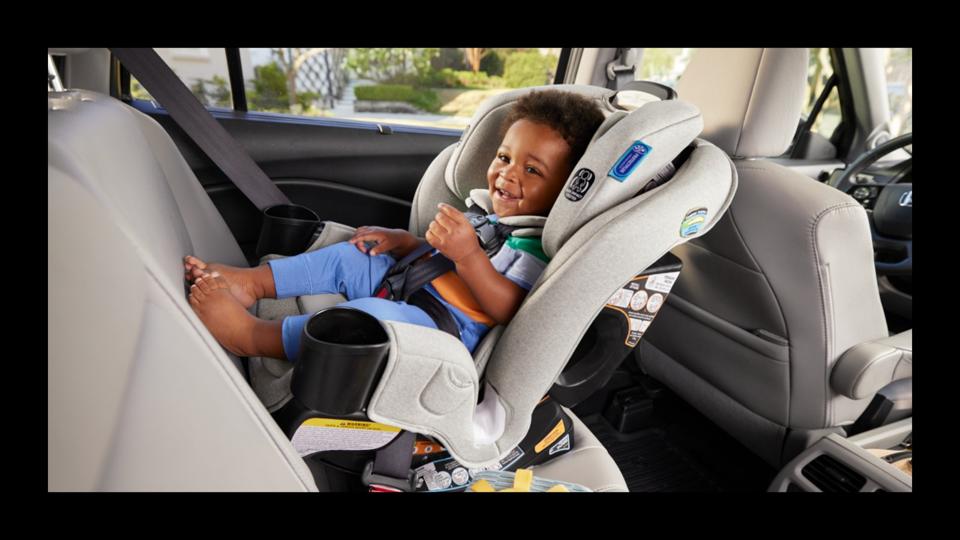
You want to keep your baby safe and comfortable during every car ride. But how long should your baby actually stay in a car seat?
Sitting too long can cause discomfort or even health risks, while too short might not give you enough protection during travel. Finding the right balance is key for your baby’s well-being and your peace of mind. Keep reading to discover expert tips on the ideal car seat duration, signs to watch for, and how to make every trip safe and stress-free for your little one.

Credit: chicco.ca
Recommended Car Seat Duration
Understanding the recommended duration for a baby in a car seat is vital for safety. Car seats protect babies during travel but should not be used for too long at a time. Prolonged sitting in a car seat can cause discomfort and health risks. Following the right guidelines ensures your baby stays safe and comfortable on every trip.
Newborns And First Months
Newborns need to be in rear-facing car seats for every ride. Experts suggest limiting continuous time in the seat to about 1 hour. This helps avoid breathing problems and pressure on their developing bodies. Short breaks should be taken if you travel longer. Always keep the car seat reclined properly to support their neck and head.
Infants And Toddlers
Infants and toddlers should remain rear-facing as long as possible. Most can stay in this position until they reach the car seat’s weight or height limit. Like newborns, avoid sitting longer than 2 hours at a stretch. Regular stops help them stretch and move. Use a properly installed car seat with good padding for comfort during trips.
Extended Car Seat Use
Extended use means using the car seat beyond travel, like naps or daily sitting. This is not recommended for long periods. Babies need time outside the seat to move and develop muscles. Limit non-travel use to less than 1 hour at a time. Always place your baby on a firm, flat surface when not traveling to support healthy growth.
Signs To Take Breaks
Knowing when to take breaks from your baby’s car seat is crucial for their comfort and safety. Babies can’t tell you when they’re uncomfortable, so it’s important to watch for clear signs. Taking timely breaks helps prevent fussiness and reduces the risk of physical strain.
Baby’s Comfort Signals
Pay close attention to your baby’s behavior while in the car seat. Signs like frequent crying, arching their back, or restlessness often mean they need a break.
Notice if your baby’s face turns red or if they start sweating—these are clear indicators of discomfort. Sometimes, a simple yawn or rubbing their eyes signals they want to be out of the seat.
Have you noticed how your baby behaves differently after a long car ride? These little cues help you decide when it’s time to stop and soothe them.
Duration Limits For Safety
Experts recommend limiting continuous time in a car seat to about 2 hours. Staying longer can affect your baby’s breathing and spinal development.
If you’re on a long trip, plan regular stops every 1.5 to 2 hours to take your baby out for a stretch and some fresh air. This routine not only keeps your baby comfortable but also helps you stay alert while driving.
Remember, even if your baby seems calm, their body needs a break. Could a quick pause be the key to a smoother journey for both of you?
Safe Car Seat Practices
Keeping your baby safe in a car seat isn’t just about having one—it’s about using it correctly every time. Safe car seat practices protect your child during every drive, whether it’s a quick trip to the store or a long road journey. Understanding how to install the seat properly, position the harness, and avoid common mistakes can make a huge difference in your baby’s safety.
Proper Installation Tips
Start by reading both your car seat manual and your vehicle’s manual carefully. Each car and seat model can have unique instructions that affect how you install the seat.
- Use the seat belt or the LATCH system—never both at the same time unless the instructions allow it.
- Ensure the car seat doesn’t move more than one inch side to side or front to back when installed.
- Check the angle of the seat to keep your baby’s airway open—many seats have built-in angle indicators to help.
Have you tested your installation by giving the seat a firm shake at the base? If it moves too much, it’s time to tighten the straps or try a different installation method.
Correct Harness Positioning
The harness is your baby’s direct link to safety. Make sure the straps lie flat without twists and are snug enough that you can’t pinch any slack at the shoulder.
- For rear-facing seats, position the harness straps at or just below your baby’s shoulders.
- The chest clip should be at armpit level, not on the tummy or neck.
- Dress your baby in thin layers—not bulky coats—so the harness fits properly against their body.
Have you ever tried tightening the harness with your baby in the seat and noticed it’s either too loose or uncomfortable? Adjusting it correctly makes every trip safer and more comfortable.
Avoiding Common Mistakes
Even well-meaning parents can make errors that reduce car seat effectiveness. Avoid these common pitfalls to keep your baby truly secure.
- Don’t use expired car seats; materials can degrade over time.
- Never place a rear-facing car seat in the front seat if your vehicle has an active passenger airbag.
- Avoid using second-hand seats without knowing their full history—accidents or missing parts can compromise safety.
- Don’t add aftermarket products like head supports or covers unless they come with the car seat manufacturer’s approval.
Have you double-checked for recalls or safety notices on your car seat model? Staying informed is one of the easiest ways to avoid hidden risks.

Credit: www.safetyandhealthmagazine.com
Alternatives During Long Trips
Babies should not stay in a car seat for more than two hours at a time during long trips. Frequent breaks help them stretch and avoid discomfort. Offering alternatives like carrying breaks or stroller walks keeps your baby safe and happy on the road.
During long trips, keeping your baby comfortable and safe in a car seat can be challenging. Extended periods in a car seat may lead to discomfort and potential health concerns for your little one. However, there are several alternatives and strategies you can consider to ensure both safety and comfort during those lengthy journeys.Frequent Stops And Movement
One practical approach is to plan frequent stops during your trip. These breaks allow your baby to stretch and move, reducing the risk of discomfort and restlessness. Aim to stop every two hours, even if it’s just for a quick five-minute walk around a rest area. During these stops, encourage movement by gently stretching your baby’s arms and legs. This can help improve circulation and prevent stiffness. These short breaks are not just beneficial for your baby but also for you to refresh and recharge.Using Approved Travel Accessories
Investing in approved travel accessories can significantly enhance your baby’s travel experience. Accessories like head and neck supports, specifically designed for car seats, can provide additional comfort. Ensure that any accessory you use is safety-tested and recommended for car seat use. Consider using sunshades for the windows to protect your baby from direct sunlight, which can make car rides uncomfortable. Another handy accessory is a baby mirror, allowing you to keep an eye on your little one without turning around. How do you ensure your baby remains comfortable during long car rides? Share your tips and experiences in the comments below!Health Risks Of Prolonged Use
Keeping your baby in a car seat for extended periods might seem harmless, but it comes with certain health risks that you should be aware of. Babies have delicate bodies that need proper support and movement. Staying in one position too long can lead to problems you might not expect.
Physical Discomfort
Your baby’s muscles and joints can become stiff and sore after sitting in a car seat for a long time. Unlike adults, babies can’t tell you when they feel uncomfortable or cramped. You might notice fussiness or increased crying, which can be a sign of discomfort.
Babies need to stretch and change positions regularly to avoid developing flat spots on their heads or muscle strain. If you’ve ever had to sit in a tight chair for hours, you know how painful it can get. Imagine how much harder it is for a tiny body that can’t adjust itself.
Potential Breathing Issues
One critical concern with prolonged car seat use is how it affects your baby’s breathing. The semi-reclined position can cause the head to slump forward, partially blocking the airway. This position reduces oxygen flow and can lead to breathing difficulties.
Premature or newborn babies are especially vulnerable. Even a short time in a compromised position can cause shallow breathing or oxygen desaturation. Have you ever noticed your baby turning red or appearing to struggle to breathe during a long ride? That’s a warning sign you shouldn’t ignore.
To protect your baby’s health, consider breaking up long trips with frequent stops. Let your baby out of the car seat to move and breathe freely whenever possible. Your baby’s comfort and safety depend on it.
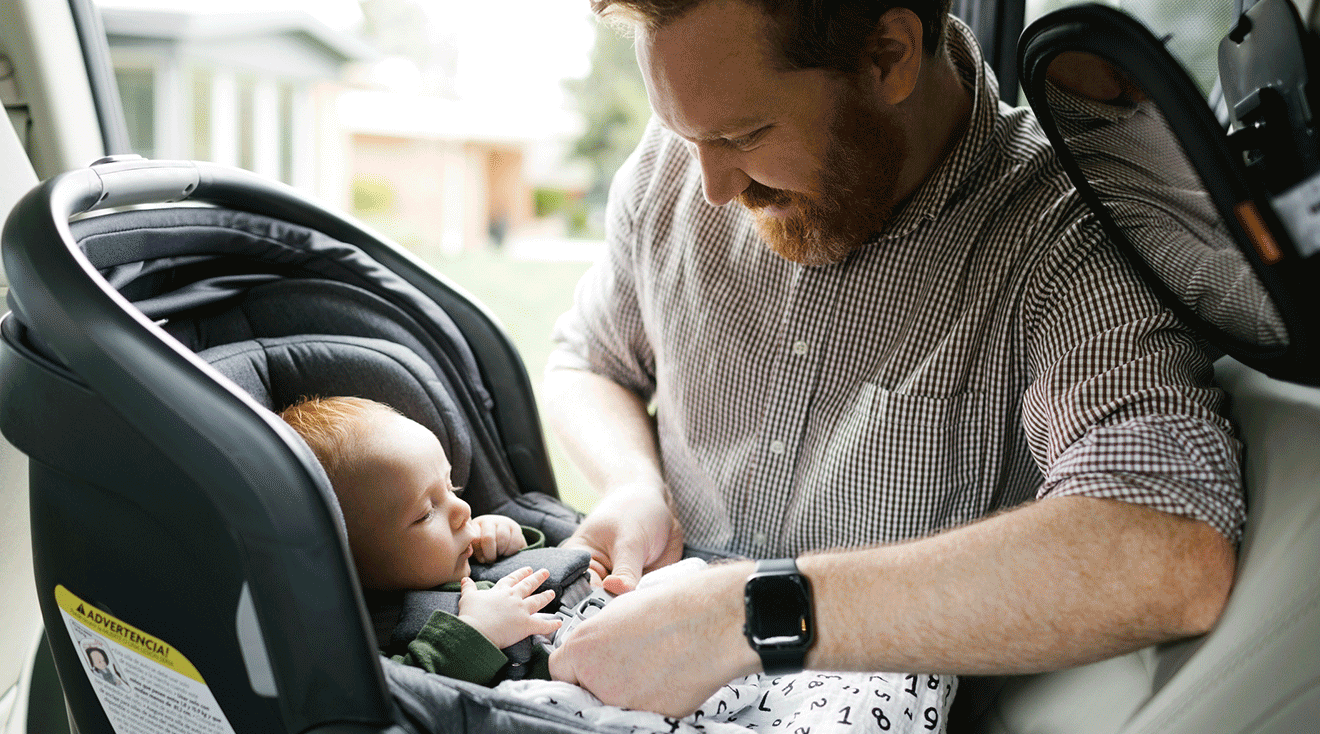
Credit: www.thebump.com
Frequently Asked Questions
How Long Can A Baby Stay In A Car Seat Safely?
Babies should stay in a car seat no longer than 2 hours at a time. Prolonged sitting can affect breathing and posture. Always take breaks during long trips to remove the baby from the seat and allow movement.
When Should A Baby Transition Out Of An Infant Car Seat?
Babies should transition when they reach the car seat’s height or weight limit. Usually, this is around 1 year old or 20-22 pounds. Always follow the manufacturer’s guidelines for safety and comfort during the switch.
Can Babies Sleep In Car Seats For Long Periods?
Babies can sleep in car seats but only for short periods. Extended sleep in car seats may cause breathing problems and discomfort. It’s best to transfer them to a flat, firm surface once at the destination.
What Are Risks Of Keeping Babies Too Long In Car Seats?
Prolonged time in car seats can lead to poor posture, breathing difficulties, and flat head syndrome. It can also cause discomfort and restrict movement. Limit car seat use and provide regular breaks for your baby’s health.
Conclusion
Babies need to stay in car seats for safety during travel. Experts suggest using rear-facing seats until at least age two. This position protects a baby’s head and neck best. Always follow your car seat’s weight and height limits. Avoid letting your baby sit in the car seat for too long at once.
Take breaks during long trips to keep your baby comfortable. Prioritize safety over convenience every time you travel. Keep these tips in mind for your child’s well-being on the road. Safety first, always.