
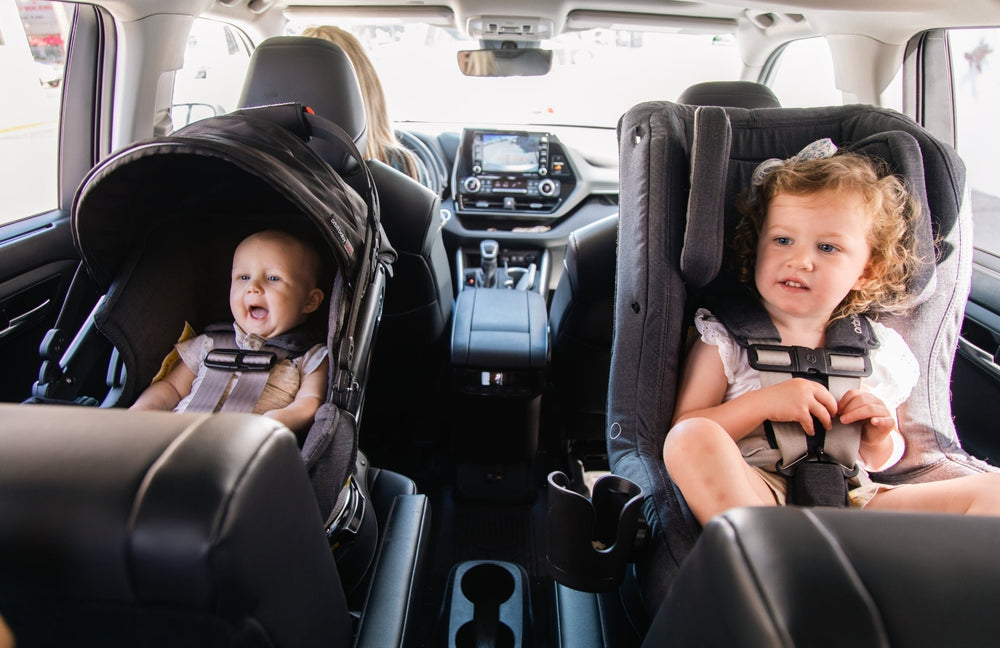
You want to keep your baby safe every time you drive. But when is the right time to turn your baby’s car seat to face forward?
It’s a question many parents ask, and the answer isn’t as simple as you might think. Turning your baby too soon can be risky, while waiting too long might feel inconvenient. You’ll discover the key signs and guidelines to help you decide the perfect moment to face your baby forward.
Keep reading to learn how to protect your little one and feel confident every time you hit the road.
Credit: www.gobranding.asia
Rear-facing Vs Forward-facing Seats
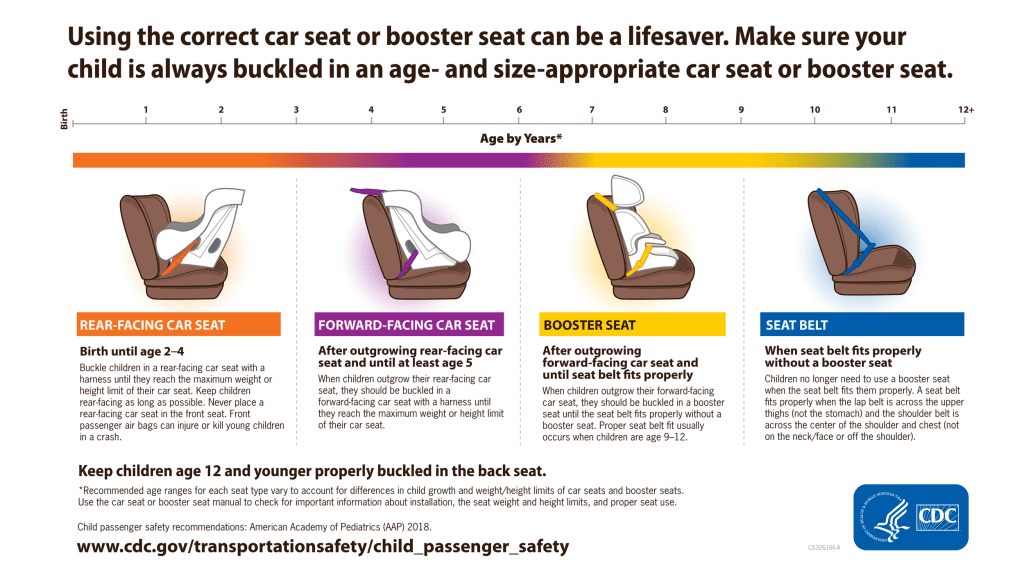
Choosing between rear-facing and forward-facing car seats is crucial for baby safety. The seat direction affects how well a child is protected during a crash. Rear-facing seats support the head, neck, and spine better. Forward-facing seats offer more visibility but less protection for small children. Understanding the benefits and recommendations helps parents make safer choices.
Benefits Of Rear-facing Seats
- Supports the head, neck, and spine in a crash
- Reduces risk of serious injury by spreading crash forces
- Provides better protection for babies’ soft bones and muscles
- Recommended by safety experts for longer periods
- Helps keep the child’s body aligned during sudden stops
Age And Weight Recommendations
| Seat Type | Recommended Age | Weight Limits |
|---|---|---|
| Rear-Facing | Birth to at least 2 years old | Up to 40 pounds or as per seat manual |
| Forward-Facing | After reaching rear-facing limits, usually 2+ years | Typically 20 to 65 pounds, varies by model |

Credit: incarsafetycentre.co.uk
Current Safety Guidelines
Understanding when your baby can face forward in a car seat is essential for their safety. The current safety guidelines emphasize keeping your child in a rear-facing seat for as long as possible. This approach is based on extensive research and expert recommendations that prioritize your child’s protection in the event of a collision.
Recommendations From Pediatricians
Pediatricians strongly advise that children remain in rear-facing car seats until at least the age of two, or until they exceed the height or weight limits set by the car seat manufacturer. Why is this so critical? Rear-facing seats provide better support for a baby’s head, neck, and spine during sudden stops or crashes. Many parents may feel eager to switch their child to a forward-facing seat, thinking it offers more comfort or visibility. However, the enhanced safety benefits of a rear-facing position significantly outweigh these concerns. Trust your pediatrician’s advice, as their guidance is backed by the latest scientific data.
Regulations By Safety Authorities
Safety authorities, including the National Highway Traffic Safety Administration (NHTSA), emphasize that children should remain rear-facing until they reach the upper weight or height limits of their car seat. It’s not just about age but about size and fit. Have you checked your car seat’s manual recently? It contains vital information about these limits. Additionally, many states have laws mandating specific requirements for car seat positions based on a child’s age and size. Staying informed about these regulations ensures you’re not only compliant but also prioritizing your child’s safety on every journey.
With these guidelines in mind, are you confident in your car seat setup? Ensuring your child’s car seat is correctly installed and used according to these recommendations is one of the best ways to protect them on the road. Making informed decisions now can have a lasting impact on their safety and well-being.
Signs Your Baby Is Ready To Face Forward
Deciding when to turn your baby’s car seat to face forward is a big step. It’s not just about age but about whether your baby’s body and behavior show readiness. Watching for certain signs helps you make a safe choice that fits your child’s unique growth.
Physical Milestones
Your baby needs enough neck and head control before facing forward. Can your baby hold their head steady without support? This is a crucial physical milestone to watch for.
Check if your baby can sit up well with minimal support. Sitting upright means their spine and muscles are stronger, which makes forward-facing safer.
Look for growth in weight and height too. Most experts recommend waiting until your baby is at least 20 pounds and fits the car seat’s forward-facing weight limit comfortably.
Behavioral Indicators
Notice how your baby reacts during rides in a rear-facing seat. Are they restless or uncomfortable? Sometimes, fussiness could mean they’re ready for a change.
Observe if your baby shows curiosity about their surroundings. Forward-facing seats offer a wider view, which might suit a baby eager to explore visually.
Ask yourself: Does your baby seem cramped or restricted in the rear-facing position? If they stretch or try to move away from the seat’s sides, it might be time to switch.

Credit: www.thule.com
Risks Of Early Forward-facing
Switching your baby to a forward-facing car seat too soon can expose them to serious dangers. Understanding the risks helps you make safer choices for your child’s car travel. Let’s look closely at why waiting is crucial.
Injury Statistics
Research shows toddlers in forward-facing seats before the recommended age have a higher chance of injury during crashes.
- Children under 2 years old are 75% more likely to be injured if they face forward too early.
- Rear-facing seats reduce injury risk by up to 90% in severe collisions.
- Common injuries include head trauma, facial injuries, and broken bones.
Have you ever wondered why safety experts strongly advise rear-facing seats until age 2 or beyond?
Impact On Baby’s Neck And Spine
Your baby’s neck muscles and spine are still very fragile and developing.
When facing forward, the sudden force of a crash can strain their neck and spine beyond what they can handle safely. Rear-facing seats support their head, neck, and spine by distributing crash forces more evenly.
Ignoring this can lead to serious spinal injuries or even paralysis.
Would you risk your child’s delicate neck just to save a few minutes of car seat adjustment?
Choosing The Right Car Seat
Choosing the right car seat is vital for your baby’s safety. It ensures proper support and protection during every ride. The right seat also fits your child’s age, size, and weight. This choice reduces injury risks and boosts comfort.
Parents must understand different seat types and how to install them correctly. A good car seat grows with your child and meets safety standards. Always check the car seat’s labels and instructions before buying.
Types Of Forward-facing Seats
Forward-facing seats come in various styles. Each offers specific features suited to your child’s needs.
- Convertible Seats:These start as rear-facing and switch to forward-facing. They work for toddlers and young children.
- Combination Seats:Use a harness in forward-facing mode. Later, switch to a booster seat without the harness.
- Forward-Facing Only Seats:Designed for children who have outgrown rear-facing seats. Usually have a 5-point harness for safety.
Installation Tips
Proper installation is key to car seat safety. Follow these tips for a secure fit:
- Read the car seat manual and your vehicle’s guide carefully.
- Use the seat belt or LATCH system to secure the seat firmly.
- Check that the seat does not move more than one inch side to side or front to back.
- Adjust the harness snugly against your child’s chest and shoulders.
- Ensure the seat is at the correct angle for comfort and protection.
- Visit a local inspection station or certified technician for help if unsure.
Transitioning Your Baby Safely
Transitioning your baby from a rear-facing to a forward-facing car seat is a big step that requires careful attention. Safety should always be your top priority while making this change. Moving too soon can increase risks, but waiting too long might cause discomfort or fussiness for your child.
Preparing Your Child
Before switching your baby to face forward, ensure they meet the height and weight limits set by the car seat manufacturer. Check the manual carefully—these limits are designed with safety in mind. Also, watch how your baby reacts during car rides; signs of discomfort might mean they are not ready yet.
Talk to your child about the change if they are old enough to understand. Making it a positive experience can help ease the transition. You might say something like, “Now you get to see the road and all the fun things outside!”
Gradual Adjustment Techniques
Start by taking short trips with your child facing forward. This lets them get used to the new position without overwhelming them. Pay attention to their mood and comfort during these rides.
Consider adding familiar toys or blankets to the seat for reassurance. These small comforts can make a big difference. If your child resists, try alternating between rear and forward-facing for a few days to help them adapt.
Have you noticed how your baby’s behavior changes when you adjust their car seat? Sometimes a little patience and gradual change can turn a stressful ride into a smooth one.
Common Myths About Car Seat Orientation
Deciding when to turn your baby’s car seat forward can be confusing. Many parents face conflicting advice and unclear rules. It’s easy to get caught up in myths that might affect your child’s safety.
Debunking Popular Misconceptions
One common myth is that babies get uncomfortable or claustrophobic in rear-facing seats. In reality, most babies are perfectly content and even safer when facing the rear. The snug fit actually helps protect their head and neck during sudden stops.
Some believe that once a baby can sit up, they’re ready to face forward. But sitting up doesn’t mean the spine and neck are ready for the increased forces involved in a forward-facing crash. Safety experts recommend waiting until your baby reaches the car seat’s height or weight limit for rear-facing.
Another misunderstanding is that forward-facing seats prevent motion sickness. However, rear-facing seats often reduce the chance of your child feeling sick because they can see the whole car interior, not just the road rushing by.
Clarifying Safety Facts
Research shows that rear-facing car seats reduce injury risk by up to 75% compared to forward-facing ones. This is because the rear-facing position spreads crash forces over the entire body, especially the strong back and shoulders.
Experts suggest keeping your child rear-facing until at least 2 years old, or until they hit the upper limit of their rear-facing seat. Check the car seat manual closely—limits vary between models and brands.
What’s your child’s car seat limit? Have you double-checked it recently? Staying informed on this can make a big difference. Your baby’s safety depends on these small but crucial details.
Frequently Asked Questions
When Is It Safe For A Baby To Face Forward?
A baby can face forward after reaching at least 2 years old and meeting height and weight limits. Rear-facing is safest until then, as it offers better protection during crashes.
Why Keep Babies Rear-facing Longer?
Rear-facing seats support a baby’s head, neck, and spine better in crashes. This position reduces injury risks and is recommended until age 2 or until the child outgrows the car seat limits.
What Are Car Seat Weight Limits For Forward-facing?
Most forward-facing car seats require a minimum weight of 20 pounds. Always check your specific car seat’s manual for exact weight and height requirements before turning your baby forward.
How Does Height Affect Forward-facing Transition?
Height matters because a taller child may outgrow rear-facing limits first. Follow car seat guidelines based on height to ensure your baby’s head and body are properly supported.
Conclusion
Babies should face rearward until they are at least two years old. This position keeps them safer during car rides. Once your child meets the height and weight limits, you can switch to facing forward. Always check your car seat’s instructions carefully.
Following safety rules protects your little one. Remember, safety comes first in every trip. Keep your child secure and comfortable. Safe travels start with the right car seat choice. Stay informed, stay cautious, and enjoy worry-free drives with your baby.