
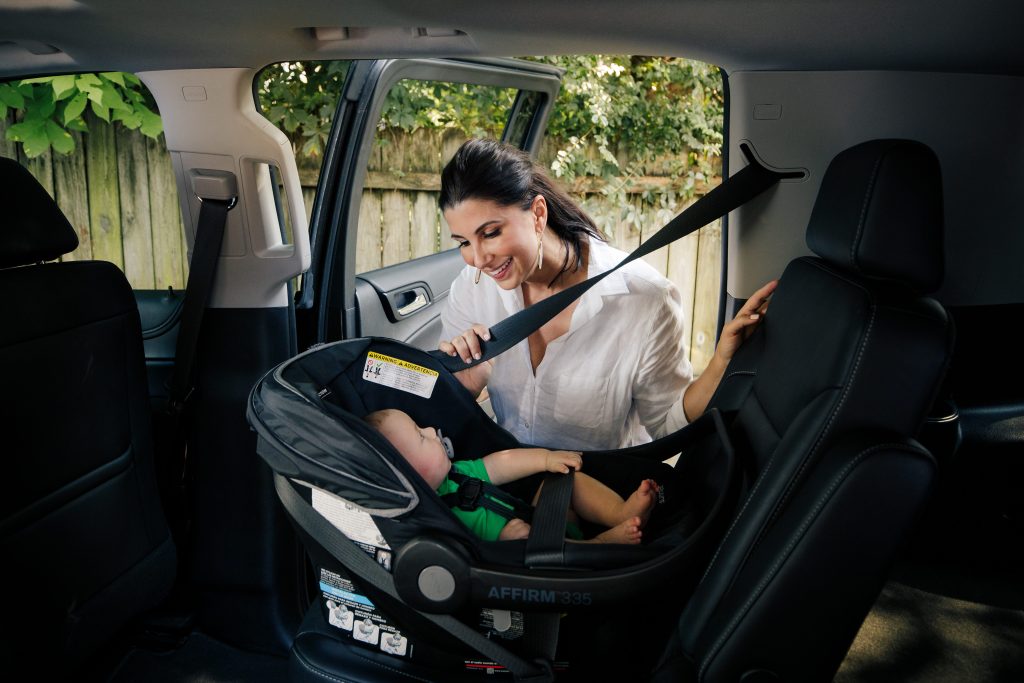
Are you wondering if you can use a baby carrier in the car? It’s a question many parents ask, especially when safety and convenience are top priorities.
You want to keep your little one close and comfortable, but is a baby carrier safe for car travel? The answer might surprise you and could change the way you think about traveling with your baby. Keep reading to learn what experts say, the risks involved, and the safest options for you and your child.
This information could make all the difference in your next car ride.

Credit: babytrend.com
Baby Carriers And Car Safety
Baby carriers are a fantastic way to keep your little one close while on the move. However, when it comes to car safety, using a baby carrier inside a vehicle is a topic that needs careful consideration. Your child’s safety in a car depends heavily on the right equipment, and understanding the difference between baby carriers and car seats can make all the difference.
Types Of Baby Carriers
Baby carriers come in several styles, each designed for comfort and convenience outside the car:
- Wraps:Soft fabric wrapped around your body, creating a snug pouch for your baby.
- Slings:A single piece of fabric worn over one shoulder to hold the baby on your side or front.
- Soft-structured carriers:These have padded straps and buckles, providing more support and easier adjustments.
- Backpack carriers:Designed for older babies, allowing you to carry them on your back during longer walks.
While these carriers are excellent for carrying your baby during daily activities, none are built to protect your child in a moving vehicle.
How Baby Carriers Differ From Car Seats
Car seats are specifically engineered to protect your baby during car rides. They have safety features like impact-absorbing materials, secure harnesses, and are tested to meet strict crash standards.
Baby carriers, on the other hand, prioritize comfort and closeness, not crash protection. They lack the structural design to withstand the forces during a collision.
If you’ve ever tried to buckle a baby carrier directly into a car seatbelt, you might have noticed how unstable and unsafe it feels. That’s because these carriers don’t lock your baby securely in place like a car seat does.
Have you ever wondered why airline regulations and car safety guidelines strictly require car seats instead of carriers? It’s because safety experts have proven that only certified car seats can adequately protect a child in a crash.
Using a baby carrier in a car might seem like a quick solution, but it compromises your child’s safety. Always opt for a properly installed car seat designed for your child’s age and size for every trip in the car.
Risks Of Using Baby Carriers In Cars
Using a baby carrier in a car poses serious risks. Baby carriers do not meet safety standards for car travel. This can lead to dangerous situations during a crash or sudden stop.
Lack Of Proper Restraint
Baby carriers do not provide the correct support in a car. Cars require approved child safety seats with harnesses. These seats secure the baby firmly to protect from impact. Carriers lack the structure to hold the baby safely. Without proper restraint, the baby can move too much. This increases the chance of injury in an accident.
Potential Injury Factors
- Carriers can slip or shift during sudden braking.
- Hard car surfaces can cause head or neck injuries.
- Carriers do not absorb crash forces well.
- The baby’s airway might be blocked due to poor positioning.
- In a crash, the carrier can become a projectile.
These factors make baby carriers unsafe for car use. Always use a car seat designed for travel safety.
Car Seat Alternatives For Babies
Using a baby carrier in a car is unsafe and not recommended. Babies need proper protection during travel. Car seat alternatives provide the right support and safety. Choosing the correct option depends on your baby’s age and size. Below are two common types of car seats designed for infants and toddlers.
Infant Car Seats
Infant car seats are designed for newborns and small babies. They usually come with a handle for easy carrying. These seats face the rear of the car for better protection. Most infant car seats have a five-point harness to secure your baby safely. They are lightweight and easy to install. Many models fit into a stroller for convenience.
Convertible Car Seats
Convertible car seats grow with your child. They can be used as rear-facing seats for infants. Later, they convert to forward-facing seats for toddlers. These seats offer longer use than infant car seats. They provide strong safety features and adjustable harnesses. Convertible seats are heavier but offer good value over time.
Safe Travel Tips For Parents
Traveling with a baby requires extra care and attention. Safety should be the top priority. Using the right equipment and knowing how to secure your baby can prevent accidents. Parents must understand the best practices for safe travel. Below are essential tips to help keep your baby secure in the car.
Choosing The Right Car Seat
Select a car seat that fits your baby’s age, weight, and height. Look for seats that meet safety standards. Rear-facing seats are safest for infants. Avoid using baby carriers as car seats. Choose a seat with good padding and side impact protection.
Proper Installation Techniques
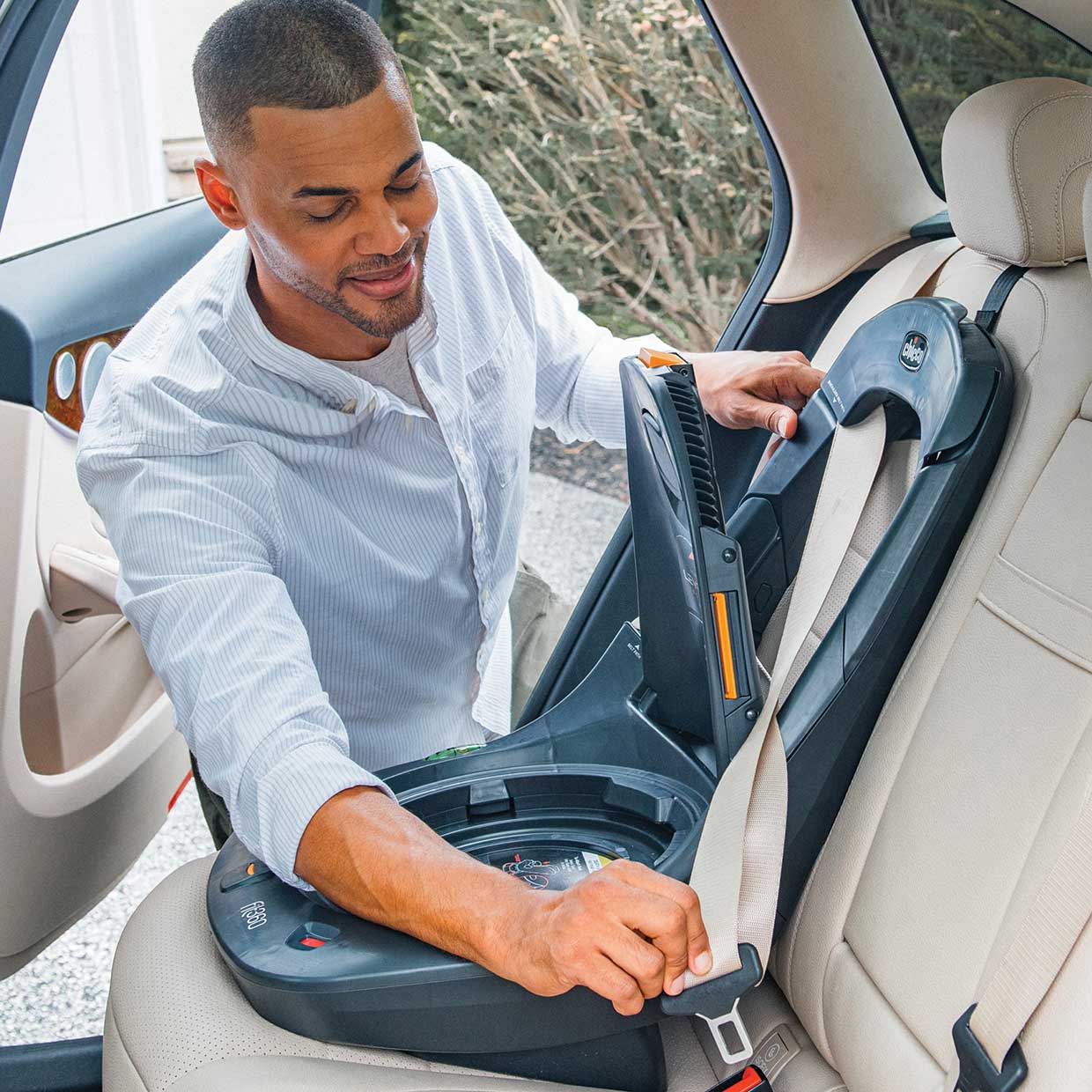
Install the car seat firmly in the vehicle. Use the seat belt or LATCH system correctly. The seat should not move more than one inch side to side. Check the seat’s angle to support your baby’s head. Follow the car seat manual carefully for installation steps.
Securing Your Baby Correctly
Place your baby in the car seat facing backward. Buckle all harness straps snugly against your baby’s body. The chest clip should be at armpit level. Avoid bulky clothing under the harness. Double-check all straps before every trip.
Emergency Situations And Baby Carriers
In emergency situations, keeping your baby safe is the top priority. Baby carriers offer convenience, but they require special attention during emergencies. Understanding how to handle these situations can make a difference. Let’s explore crucial steps to ensure your baby’s safety.
When To Remove Baby From Carrier
In urgent situations, assess if the carrier is safe. Consider removing your baby if:
- The carrier obstructs movement or visibility.
- The carrier’s straps are tangled or caught.
- There’s a risk of impact or collision.
Quickly assess the situation. Prioritize your baby’s safety above convenience.
Safe Ways To Transport Baby Quickly
If you need to move swiftly, use safe methods. Consider these options:
- Hold your baby securely against your chest.
- Use one hand to support the head and neck.
- Keep your baby close, avoiding sharp turns or fast movements.
Practice these moves to ensure you’re ready for emergencies. Prioritize safety and calmness.
Credit: www.chiccousa.com
Expert Recommendations And Guidelines
Experts offer clear advice about using baby carriers in cars. Safety remains the top priority for parents and caregivers.
Understanding expert recommendations helps keep babies safe during travel. Knowing the rules and guidelines can prevent accidents and injuries.
Pediatrician Advice
Pediatricians warn against using baby carriers as car seats. Car seats must meet strict safety tests to protect infants.
Baby carriers lack the necessary features to secure a child in a crash. Doctors recommend using only approved car seats for travel.
Parents should place babies in rear-facing car seats until age two. This position supports the baby’s head, neck, and spine during sudden stops.
Doctors also suggest checking car seat installation regularly. Proper use reduces risks and enhances safety for young passengers.
Government Safety Standards
Government agencies set safety standards for child passenger restraints. These standards ensure seats protect children in accidents.
Baby carriers do not meet these legal requirements for car travel. Using only approved car seats is mandatory by law in many areas.
Look for labels showing compliance with safety certifications like FMVSS 213 in the U.S. or ECE R44/04 in Europe.
Following these guidelines reduces injury risks. Always secure children in certified car seats during vehicle rides.

Credit: cozynsafe.com
Frequently Asked Questions
Can You Use A Baby Carrier In A Moving Car?
No, using a baby carrier in a moving car is unsafe and not recommended. Always use a proper car seat designed for travel safety.
Is A Baby Carrier A Substitute For A Car Seat?
No, a baby carrier cannot replace a car seat. Car seats provide necessary protection during car rides.
How To Safely Transport A Baby In A Car?
Use a certified infant car seat installed correctly. Avoid using baby carriers or wraps inside the vehicle.
Are Baby Carriers Approved For Car Travel?
No, baby carriers are not approved for car travel. They lack the safety features required for car accidents.
Conclusion
Using a baby carrier in a car is not safe for your child. Car seats are made to protect babies during travel. Always use a proper car seat that fits your baby’s size. A baby carrier does not provide enough support in a crash.
Keep your child secure to avoid injuries. Safety should be the top priority on every trip. Choose the right car seat to ensure your baby’s safety. Remember, protecting your child starts with using the correct car gear.