
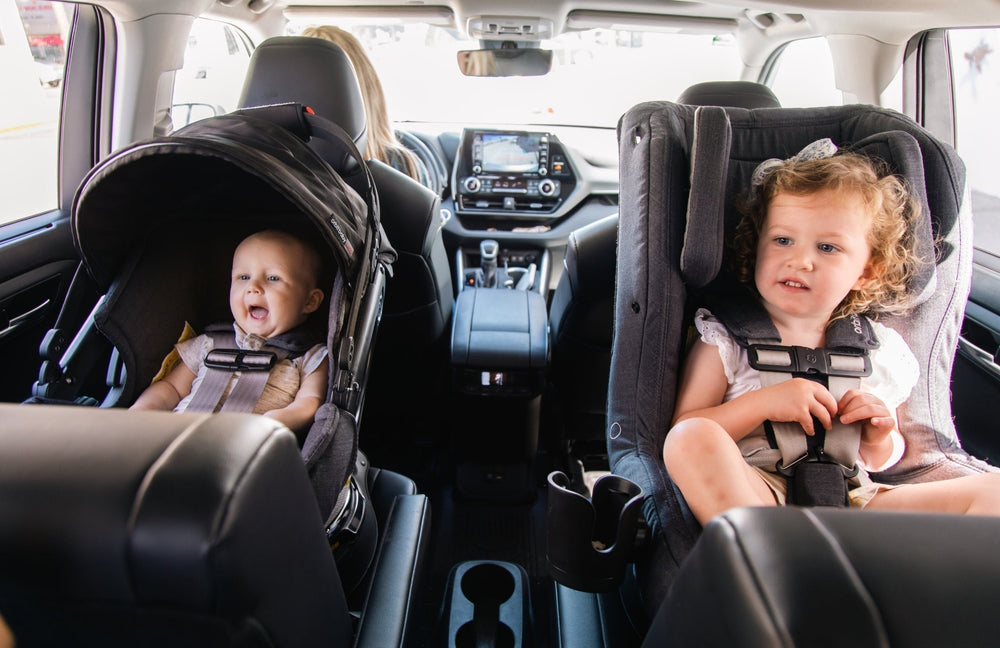
Are you wondering when it’s safe and best for your baby to face forward in the car? You want to keep your little one as safe as possible, but the rules and recommendations can be confusing.
Knowing the right time to switch your baby’s car seat direction isn’t just about following laws—it’s about protecting your child every time you hit the road. You’ll discover exactly when and why you should turn your baby forward, so you can feel confident and secure every trip you take together.
Keep reading to learn the key signs and expert advice that will help you make the best choice for your child’s safety.
Recommended Age For Forward Facing
Knowing the right time to turn a baby’s car seat forward is important. Safety experts give clear advice to keep children safe in vehicles. The recommended age helps parents decide when to switch from rear-facing seats. Following these guidelines reduces the risk of injury in accidents.
Minimum Age Guidelines
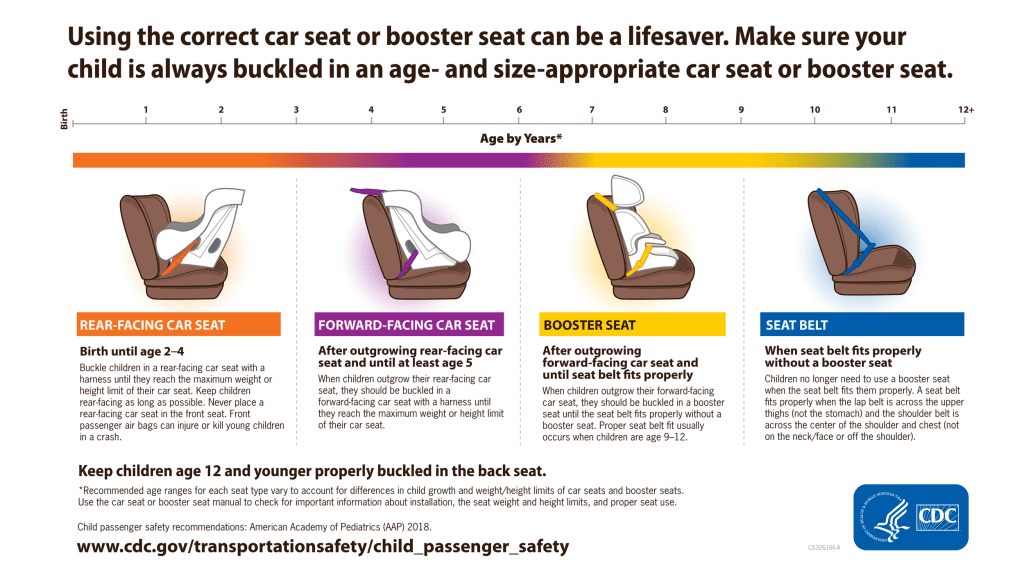
Most safety organizations suggest babies stay rear-facing until at least 2 years old. Some recommend waiting until 2 to 4 years for better protection. The American Academy of Pediatrics advises keeping children rear-facing as long as possible. This position supports the head, neck, and spine during a crash.
Every child is different. Age is one factor, but others matter too. The key is to follow the car seat’s rules and local laws.
Weight And Height Considerations
Weight and height limits on car seats guide the switch to forward-facing. Rear-facing seats have maximum weight and height limits. Once a child grows beyond these, it is safer to turn the seat forward.
Typical limits for rear-facing seats are around 40 pounds and 40 inches. Check the car seat manual for exact numbers. Always use the seat that fits your child best.
Consider both age and size before changing the seat direction. This helps ensure the child’s safety during travel.
Benefits Of Rear-facing Seats
Choosing to keep your baby in a rear-facing car seat longer than the minimum recommended time comes with clear benefits. This positioning supports both safety and development in ways that forward-facing seats can’t match. Understanding these advantages can help you make confident choices about when to switch your child to face forward.
Safety Advantages
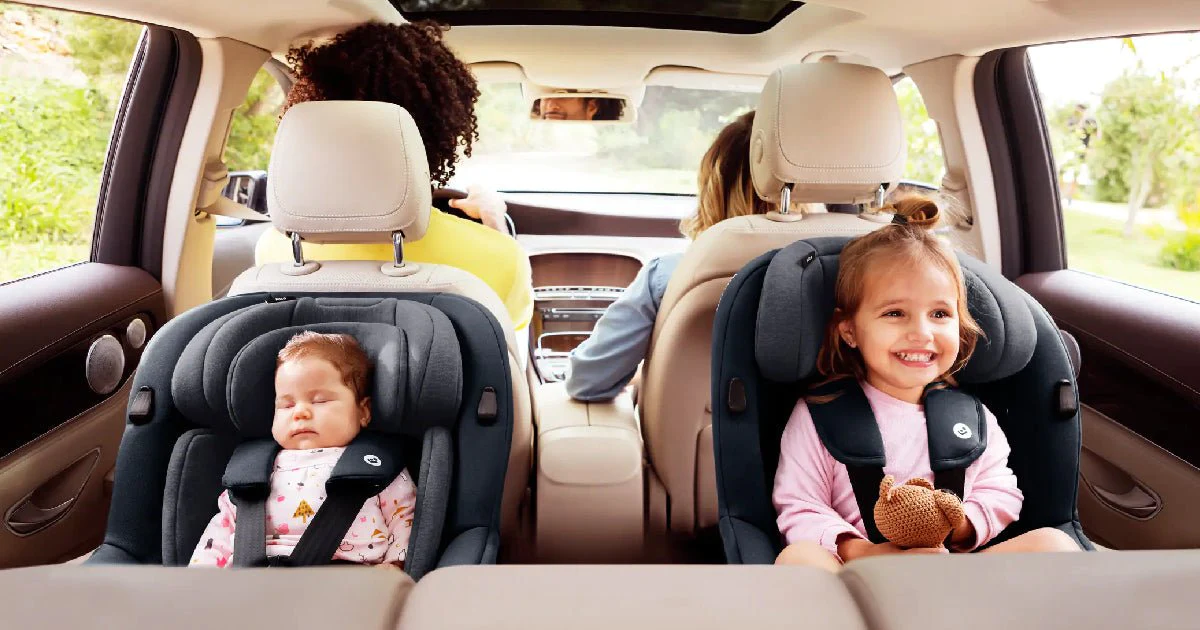
Rear-facing seats protect your baby’s head, neck, and spine much better during a crash. When an accident happens, the seat absorbs the impact and spreads the force across the back of the seat, reducing strain on your child’s body.
Studies show that children under two are up to five times safer in rear-facing seats. Think about how fragile a baby’s neck is compared to an adult’s; facing backward cushions that vulnerability effectively.
Have you noticed how your baby’s head tends to flop forward when they fall asleep in a forward-facing seat? Rear-facing seats provide better support, keeping your child’s airway open and their head stable during the ride.
Impact On Child Development
Keeping your baby rear-facing doesn’t just protect them physically—it also supports healthy posture and muscle development. The reclined position encourages proper spinal alignment as your baby grows.
Rear-facing seats give your baby a different perspective of the world, which can aid in visual tracking and spatial awareness. They observe movement and objects in a way that helps their brain process depth and distance more effectively.
Wondering if staying rear-facing might limit your baby’s interaction with you? Actually, many parents find it easier to maintain eye contact and communicate with their child in a rear-facing seat, strengthening your bond during trips.
Signs Your Baby Is Ready
Knowing the right time to turn your baby’s car seat forward is important for safety. Babies develop at different rates. Watch for clear signs that show your baby is ready. These signs help ensure a safer ride for your little one.
Physical Milestones
- Your baby can sit up well without help.
- They have good head control and can hold it steady.
- Their neck muscles are strong enough to support their head.
- They weigh at least 20 pounds, meeting many car seat guidelines.
Behavioral Cues
- Your baby shows interest in facing forward during rides.
- They seem uncomfortable or fussy in the rear-facing position.
- Your baby can look around and follow objects with their eyes.
- They can hold their body steady and don’t slump forward.
Credit: www.gntos.org
Choosing The Right Car Seat
Choosing the right car seat is important for your baby’s safety. The seat must fit your child’s age, weight, and height. It should also match your car’s design and your daily needs. A good car seat keeps your baby secure and comfortable during every trip. Parents should check labels and instructions carefully before buying.
Types Of Forward-facing Seats
Forward-facing car seats come in different styles. Each style suits a certain age and size range. Here are the common types:
- Convertible seats: Used rear-facing first, then switched forward-facing.
- Combination seats: Only forward-facing with a harness, later changes to a booster.
- High-back booster seats: Provide extra head and neck support for older children.
- Backless booster seats: For children who have outgrown harness seats but still need a boost.
Check weight and height limits before choosing a seat.
Installation Tips
Proper installation is key to car seat safety. Follow these tips to install correctly:
- Read the car seat manual and your vehicle’s manual.
- Use the LATCH system or seat belt to secure the seat tightly.
- Ensure the seat does not move more than one inch side to side or front to back.
- Adjust the harness straps to fit snugly against your child’s body.
- Check that the seat is at the correct recline angle for your child’s age.
Regularly inspect the seat and straps for wear and tear.
Common Mistakes To Avoid
Ensuring your baby’s safety in the car is crucial. Many parents make mistakes when transitioning their baby’s car seat. Knowing these common pitfalls helps protect your child. Let’s explore some mistakes to avoid.
Premature Transition Risks
Switching to a forward-facing seat too early is risky. Babies under two years are safest in rear-facing seats. Their neck and spine are still developing. A rear-facing seat offers better support during sudden stops. Check your baby’s weight and height. Ensure they meet the seat’s limits before transitioning.
Incorrect Seat Installation
Improper installation is a common mistake. It compromises safety. Always read the car seat manual carefully. Make sure the seat is tightly secured. There should be no more than an inch of movement. Use the correct belt path for your car type. Some cars require a top tether for forward-facing seats. Check if your vehicle has one and use it.
Additional Safety Tips
Ensuring your baby’s safety in the car extends beyond just knowing when to face them forward. Paying attention to how you use the car seat and regularly checking its condition can make a huge difference. These simple habits protect your little one and give you peace of mind on every trip.
Proper Harness Usage
Using the harness correctly is crucial. The straps should lie flat without any twists, and the chest clip must be at armpit level. If the harness is too loose, your baby could move too much during a sudden stop.
Have you ever struggled to get the straps tight enough? Try tightening until you can’t pinch any slack between your fingers. This “pinch test” helps ensure the harness is snug and secure.
Regular Seat Checks
Car seats can shift or loosen over time, especially if your baby grows or you move the seat between cars. Check the seat’s installation every few weeks to confirm it’s firmly in place.
Look for cracks or wear in the seat’s shell and straps. Even small damages can affect safety, so replace any parts that look worn out or outdated. How often do you inspect your baby’s car seat? Making it a habit could save your child’s life.
Legal Requirements By Region
Understanding the legal requirements for when babies can face forward in a car is crucial for keeping your little one safe. These laws vary widely depending on where you live, so knowing the rules in your region helps you avoid fines and, more importantly, protects your child. Let’s look at how these regulations differ across regions and what that means for your family.
Us Regulations
In the United States, most states require children to ride rear-facing until at least age 2. This rule aligns with safety recommendations from organizations like the American Academy of Pediatrics (AAP).
After reaching the minimum age, children may transition to forward-facing seats with a harness. However, some states have stricter laws, extending rear-facing requirements based on weight or height limits rather than just age.
- California and New York mandate rear-facing until age 2 or until the child reaches the highest weight or height allowed by the car seat manufacturer.
- Florida allows forward-facing after 1 year and 20 pounds, but safety experts advise waiting longer.
Have you checked your state’s current laws? Many parents assume the minimum age is enough, but following the exact rules can make a big difference in crash safety.
International Differences
Outside the US, rules about facing forward vary even more. Countries like Sweden recommend keeping children rear-facing until age 4, backed by strong safety data.
In the UK, the law requires children to use a rear-facing seat until they are 15 months old, but safety experts suggest longer. Australia also has strict laws, often requiring rear-facing until at least age 1 or 2.
| Country | Minimum Rear-Facing Age | Additional Notes |
|---|---|---|
| Sweden | 4 years | Recommended for safety, not just legal requirement |
| United Kingdom | 15 months | Law requires rear-facing until 15 months |
| Australia | 1-2 years | Varies by state; safety experts recommend longer |
Are you aware of the laws if you travel abroad with your child? Different countries have different standards, so checking ahead can save you trouble and ensure your child’s safety.
Credit: dceastleigh.org
Expert Recommendations
Experts advise keeping babies rear-facing until at least age two for safety. Forward-facing is safer only when the child meets weight and height limits. Always follow car seat manufacturer instructions and local laws.
When it comes to ensuring your baby’s safety in the car, expert recommendations play a crucial role. It’s not just about following the law, but understanding the best practices advised by those who know best. Whether it’s advice from pediatricians or guidelines from safety organizations, knowing when to transition your baby to a forward-facing car seat can make all the difference.Pediatrician Advice
Most pediatricians recommend keeping your child in a rear-facing car seat for as long as possible. This position offers better support for their head, neck, and spine in the event of a crash. Many pediatricians suggest waiting until your child is at least two years old or has reached the maximum height or weight allowed by your car seat’s manufacturer. Pediatricians often emphasize the importance of checking your specific car seat’s guidelines. They also encourage parents to consider their child’s comfort and ability to sit correctly in a forward-facing seat. Have you discussed car seat safety with your pediatrician during your baby’s check-ups?Safety Organization Guidelines
Safety organizations like the American Academy of Pediatrics (AAP) and the National Highway Traffic Safety Administration (NHTSA) provide clear guidelines. They recommend keeping children rear-facing until at least the age of two, and longer if possible. This is because rear-facing seats better distribute the force of a collision across the child’s body. The NHTSA also advises parents to follow the “age, weight, and height” rule. This means you should only switch your child to a forward-facing car seat when they exceed the rear-facing seat’s limits. Have you checked the latest updates from these organizations to ensure your child’s safety? Ensuring your baby’s safety in the car isn’t just about meeting legal requirements. It’s about understanding and applying expert advice to make informed decisions. Are you ready to take the next step in keeping your little one safe on the road?
Credit: findforbaby.com
Frequently Asked Questions
When Is It Safe For Babies To Face Forward In Car Seats?
Babies can face forward when they reach at least 2 years old. They should also meet height and weight limits recommended by car seat manufacturers. Rear-facing seats offer better protection for infants and toddlers, so keep them rear-facing as long as possible.
Why Keep Babies Rear-facing Longer In Cars?
Rear-facing car seats support the head, neck, and spine better during crashes. Babies’ bodies are fragile and benefit from rear-facing protection. Experts recommend keeping children rear-facing until at least age 2 or until they exceed the seat’s height or weight limits.
What Are The Risks Of Early Forward-facing For Babies?
Facing forward too soon increases the risk of serious injury during collisions. The baby’s head and neck are vulnerable in forward-facing positions. Following safety guidelines reduces the chance of harm and ensures better crash protection.
How Do Car Seat Laws Affect Forward-facing Age?
Many states require children to remain rear-facing until age 2 or until they outgrow rear-facing seats. Laws vary, so check local regulations. Following laws and manufacturer guidelines ensures maximum safety for your child.
Conclusion
Babies should ride rear-facing as long as possible. Experts say this keeps them safer in crashes. Most kids face forward after they outgrow their rear-facing seat. Usually, this happens around age two or when they reach the seat’s height or weight limit.
Always check your car seat’s instructions. Safety rules can change, so stay updated. Your child’s safety is the top priority. Keep them secure by following these simple guidelines every time you travel.