
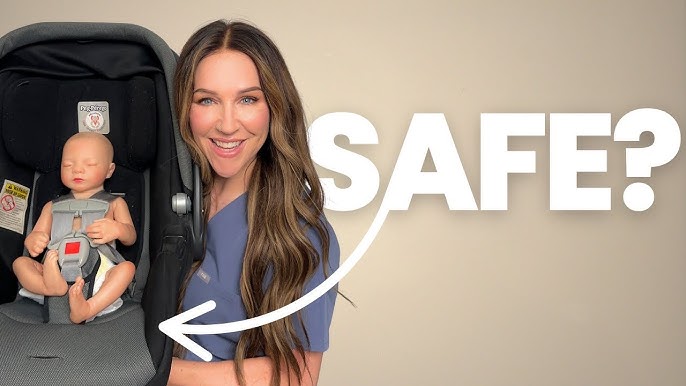
Strapping your baby safely in a car seat is one of the most important things you do as a parent. You want to make sure your little one is secure, comfortable, and protected every time you hit the road.
But it’s easy to feel unsure if you’re doing it right. What if the straps are too loose? Or too tight? What’s the best way to position your baby? In this guide, you’ll learn simple, clear steps to strap your baby in a car seat correctly.
By the end, you’ll have the confidence to keep your child safe and enjoy every trip with peace of mind. Keep reading—you and your baby deserve nothing less.
Choosing The Right Car Seat
Choosing the right car seat is essential for your baby’s safety. It ensures proper support and protection during travel. Picking the correct seat depends on your child’s age, weight, and height. It also involves understanding the different types of seats and checking their safety ratings. A well-chosen car seat fits your baby and your vehicle perfectly.
Types Of Car Seats
There are three main types of car seats. Each serves a specific age and size group. Infant car seats face the rear and suit newborns and small babies. Convertible seats switch from rear-facing to forward-facing as your child grows. Booster seats raise your child to fit the car’s seat belt correctly.
Age And Weight Guidelines
- Infant seats: for babies up to 30-35 pounds, usually under 1 year old
- Convertible seats: rear-facing for infants, forward-facing for toddlers up to 65 pounds
- Booster seats: for children over 4 years old and weighing at least 40 pounds
Always follow the seat’s label for exact weight and height limits. These rules keep your baby safe and comfortable.
Checking Safety Ratings
Safety ratings show how well a car seat performs in crashes. Look for seats tested by trusted organizations. Check for labels like JPMA certification or those meeting Federal Motor Vehicle Safety Standards. Read reviews from parents and safety experts. A high-rated seat offers better protection and peace of mind.
Preparing The Car Seat
Preparing the car seat is an essential part of keeping your baby safe during every trip. A well-prepared seat ensures the harness fits correctly and the seat stays secure. Taking time to prepare the car seat helps avoid common mistakes and increases comfort for your child.
Inspecting For Damage
Check the car seat carefully before each use. Look for cracks in the plastic shell or broken parts. Ensure the harness buckles and clips work smoothly. Avoid using a damaged car seat as it may not protect your baby properly. Also, confirm the seat has not expired by checking the label.
Cleaning And Maintenance
Keep the car seat clean to prevent skin irritation. Remove crumbs, dirt, and spills regularly. Use mild soap and water to clean the fabric. Avoid harsh chemicals that can weaken materials. Let the seat dry completely before using it again. Regular cleaning helps maintain the seat’s safety and appearance.
Adjusting Harness Straps
Adjust the harness straps to fit your baby snugly. Straps should lie flat without twists. Position the harness at or just below your baby’s shoulders for rear-facing seats. For forward-facing seats, place straps at or above the shoulders. Tighten the straps so you cannot pinch any slack. Proper adjustment keeps your baby secure and comfortable.
Positioning The Baby
Positioning your baby correctly in the car seat is crucial for safety and comfort. Even slight misalignments can affect how well the seat protects your child during sudden stops or accidents. Paying close attention to how your baby is placed helps you avoid common mistakes that many parents unknowingly make.
Proper Seating Posture
Your baby’s back should be flat against the seat with hips and shoulders aligned. Avoid slouching or leaning to one side, as this can reduce the effectiveness of the harness. A straight posture ensures the harness straps stay in the right place, securing your baby firmly.
Have you noticed your baby sliding down or leaning forward during rides? Adjusting the seat angle or adding a small rolled towel behind the back can help maintain a good posture without interfering with safety.
Supporting The Head And Neck
Newborns and younger infants lack strong neck muscles, so their head needs gentle support. Use the car seat’s built-in headrest or a specially designed insert to keep the head from flopping sideways. This support prevents strain and keeps airways open during travel.
Be cautious with aftermarket products claiming to support the head—they may not be tested for safety. Always check if the head support is approved by safety standards before use.
Clothing Considerations
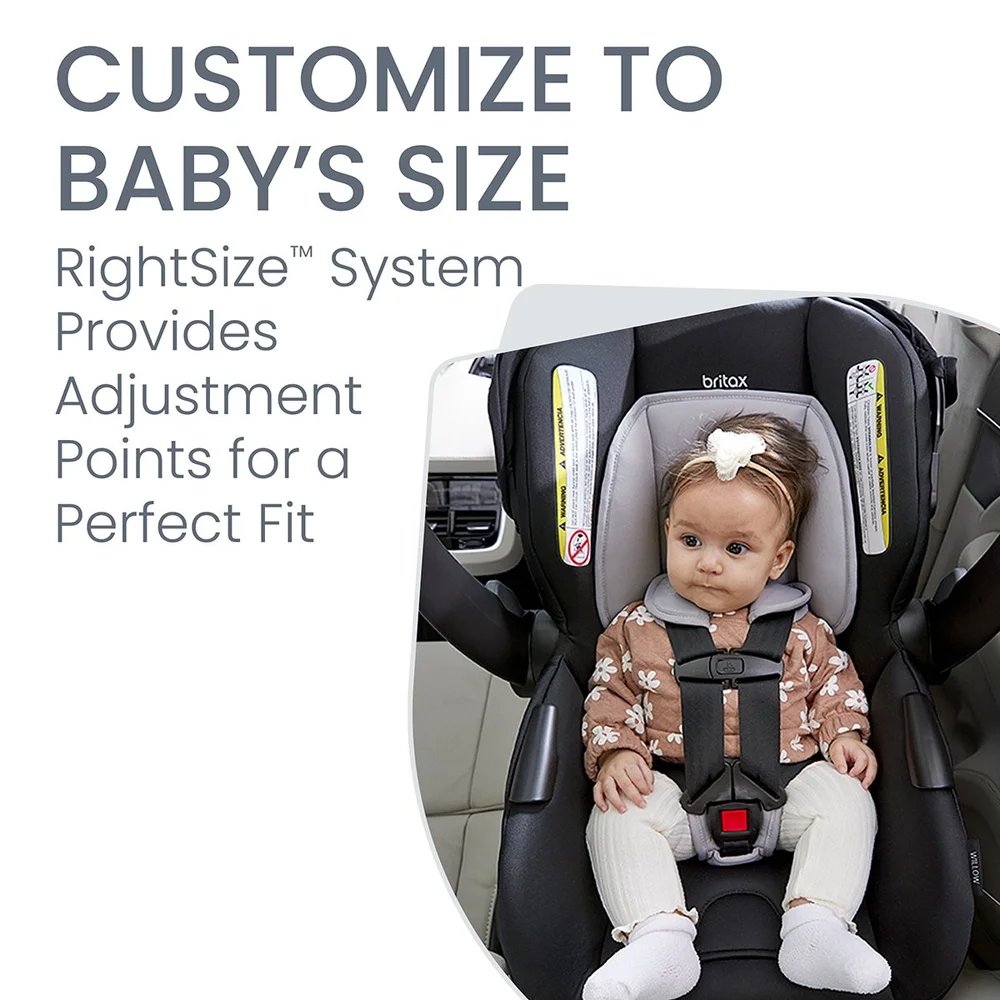
Bulky clothing like thick coats or snowsuits can create slack in the harness, making it less effective. Dress your baby in thin, warm layers instead, and cover them with a blanket after strapping in. This approach keeps your baby warm without compromising the harness fit.
Have you ever struggled to tighten the harness over a puffy jacket? You’re not alone. Tightening the straps snugly against the body is key to preventing movement inside the seat, so removing bulky clothing is often necessary for safety.
Credit: www.britax.ca
Securing The Harness
Securing the harness properly is one of the most important steps in making sure your baby is safe and comfortable during every car ride. A correctly fastened harness keeps your little one snug and protected, reducing the risk of injury. Let’s look at how you can do this the right way with attention to detail.
Placing The Straps Correctly
Position the harness straps so they come from the slots at or just below your baby’s shoulders if rear-facing. This ensures the straps provide the best support in case of sudden stops. Avoid twisting the straps; they should lie flat against your baby’s body.
Have you noticed how a twisted strap can cause discomfort or even reduce safety? Straight straps distribute force evenly, which is essential for protection.
Adjusting Tightness
Pull the harness straps until they are snug but not too tight. You should not be able to pinch any slack between your fingers at the shoulder area. A tight harness keeps your baby secure without restricting breathing or movement.
If you feel unsure, try the “pinch test” next time you fasten the straps. It’s a simple way to confirm the right tightness without guesswork.
Chest Clip Placement
Slide the chest clip to the armpit level, right across your baby’s chest. This placement keeps the harness straps properly positioned on your baby’s shoulders. A chest clip placed too low or too high can cause the straps to slip off or cause discomfort.
Think about how an ill-placed clip might shift during a drive. Keeping it at armpit level ensures consistent safety and comfort.
Installing The Car Seat
Securing a baby in a car seat involves careful steps. First, adjust the harness to fit snugly. Position the chest clip at armpit level for safety. Ensure the seat is properly installed and stable. These actions provide essential protection for your little one during travel.
Installing the car seat correctly is a crucial step in ensuring your baby’s safety during travel. It’s not just about clicking a few buckles; it’s about understanding the best method that suits your vehicle and offers the utmost protection. Whether you’re a first-time parent or an experienced one, perfecting this task can ease your mind on the road.Using The Seat Belt Method
The seat belt method is a versatile choice, compatible with most vehicles. To start, thread the seat belt through the designated path on the car seat base. Ensure the belt is flat and free from twists. Next, buckle the seat belt and lock it by pulling it all the way out until it clicks. Then, let it retract to remove any slack. Tighten it firmly to reduce movement. Finally, check the seat’s stability by applying pressure with your hand. It should not move more than an inch in any direction. A secure fit means peace of mind.Using The Latch System
The LATCH system, which stands for Lower Anchors and Tethers for Children, simplifies installation. Begin by locating the lower anchors in your vehicle’s seat crevice. They are usually marked with a small icon. Attach the car seat’s connectors to these anchors, listening for the click that signals a secure connection. Adjust the strap to tighten it. If available, use the top tether for an extra layer of stability. This step is often overlooked but can significantly enhance safety.Checking For Secure Installation
After installation, it’s crucial to verify that the car seat is securely in place. Push and pull the seat at the base. It should not shift more than an inch side-to-side or front-to-back. Examine the seat belt or LATCH straps to ensure they are tight and locked. Remember, the goal is minimal movement. Consider setting a calendar reminder to periodically check the car seat’s fit. It’s easy for things to loosen over time, especially with frequent use. Have you ever wondered if your installation technique is as foolproof as it seems? Double-checking can be the difference between safety and risk. Prioritize it every time you hit the road.
Credit: www.amazon.ca
Common Mistakes To Avoid
Strapping your baby into a car seat might seem straightforward, but small mistakes can compromise their safety. Avoiding these common errors ensures your child is secure and comfortable during every ride. Let’s look at some key pitfalls you should watch out for.
Loose Straps
Loose straps are a frequent mistake that can put your baby at risk in a crash. Straps should be snug enough that you cannot pinch any slack between your fingers. If you can easily pull the harness away from your baby’s body, it’s too loose.
Think about how easily a loose strap could allow your baby to shift position during sudden stops. Have you checked your harness tension today? Adjust the straps every time you buckle your child in—they can loosen over time without you noticing.
Incorrect Chest Clip Position
The chest clip is more than just a buckle—it keeps the harness straps correctly positioned on your baby’s shoulders. Placing it too low or too high reduces its effectiveness and can cause serious injury in a crash.
The correct position is at armpit level, right across the chest. Imagine the clip as a seatbelt guide. If it’s not aligned with your baby’s armpits, the straps can slip off, making the harness less secure.
Bulky Clothing Under Harness
Many parents put thick coats or bulky clothing on their baby before strapping them in, thinking it will keep them warm. In reality, bulky layers compress in a crash, leaving the harness too loose to protect your child.
Instead, dress your baby in thinner layers and use a blanket over the harness for warmth. Have you noticed how winter coats can create gaps between the harness and your child’s body? Avoid bulky clothing under the straps to keep your baby truly secure.
Additional Safety Tips
Ensuring your baby’s safety in a car seat goes beyond just strapping them in correctly. Paying attention to additional safety tips can make a significant difference in protecting your little one during every ride. These extra measures help you catch potential issues early and keep the car seat performing as it should.
Regularly Inspecting The Seat
Check your car seat often for any signs of wear and tear. Look for cracks in the plastic, frayed straps, or broken buckles. Even small damages can affect the seat’s ability to protect your baby in a crash.
Make it a habit to clean the straps and buckles regularly. Dirt and debris can cause the harness to malfunction. Have you noticed any stiffness or difficulty in buckling? That’s a sign to clean or replace parts immediately.
Replacing After Accidents
If your car seat has been in a crash, replace it right away. Even if it looks fine, its internal structure could be compromised. Using a damaged seat puts your baby at serious risk.
Keep track of minor accidents too—those fender benders might not seem serious but can still weaken the seat. Ask yourself: would you trust the seat to protect your child after an impact?
Following Manufacturer Instructions
Always follow the car seat manufacturer’s instructions to the letter. Each model has specific guidelines for installation and usage. Ignoring these can lead to incorrect setup, reducing safety.
Have you saved the manual or bookmarked the online version? It’s worth reviewing the instructions regularly to stay updated on any recalls or safety notices. Remember, using the seat exactly as designed is crucial for your baby’s protection.

Credit: maxicosi.com
Frequently Asked Questions
How Tight Should Baby Car Seat Straps Be?
Straps should be snug enough that you cannot pinch any slack. A tight fit ensures your baby’s safety during travel. Check that the harness lies flat without twists. Proper tightness minimizes injury risks in case of sudden stops or accidents.
Where Should The Chest Clip Be Placed?
Position the chest clip at your baby’s armpit level. This placement keeps the harness straps in the correct position. It prevents the straps from slipping off the shoulders. Always adjust the chest clip after securing the straps.
Can I Strap Baby With Bulky Clothing On?
Avoid strapping your baby with bulky clothes or thick coats. Bulky clothing can compress in a crash, making straps loose. Instead, dress your baby in thin layers and cover them with a blanket after strapping. This keeps the harness snug and safe.
When Should I Switch To A Forward-facing Car Seat?
Use a rear-facing seat until your baby reaches the height or weight limit. Forward-facing seats are recommended after the rear-facing limits are exceeded. Rear-facing positions provide better head and neck support for infants and toddlers.
Conclusion
Strapping your baby in a car seat keeps them safe on every trip. Always check the straps fit snugly without being too tight. Make sure the chest clip stays at armpit level. Double-check the seat is installed correctly in your car.
Taking these steps helps protect your little one. Safety is simple with the right care and attention. Keep practicing and soon it will feel natural every time. Safe travels start with proper car seat use. Your baby’s safety matters most on the road.