
Are you wondering when your child should start facing forward in their car seat? It’s a question every parent asks, and the answer matters for your child’s safety.
Making this switch too early or too late can impact how well your little one is protected during a ride. You’ll discover the key signs and guidelines to know exactly when your child is ready to face forward. Keep reading to learn how to keep your child safe and comfortable every time you hit the road.
Rear-facing Car Seat Benefits
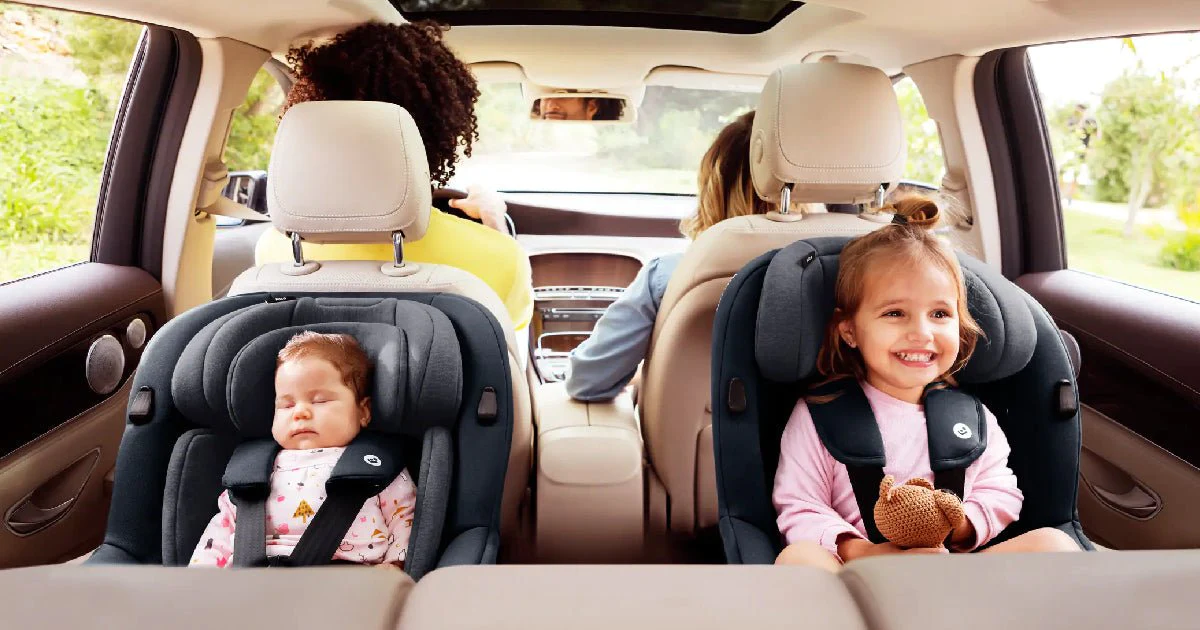
Rear-facing car seats offer important safety benefits for young children. They provide the best support for infants’ and toddlers’ bodies. This seat position helps protect the most vulnerable parts of a child’s body during travel. Keeping kids rear-facing as long as possible is a smart choice for parents.
Protection For Infants And Toddlers
Infants and toddlers have softer bones and weaker necks. Rear-facing seats support their head, neck, and spine better. In a crash, the seat spreads the force over the entire body. This reduces the risk of serious injuries. The design holds children in a safer position during sudden stops.
Crash Impact And Safety
During a crash, the body moves forward quickly. Rear-facing seats absorb the impact by cradling the child. The seat back acts like a shield to protect the head and neck. This reduces the strain on delicate body parts. Studies show rear-facing seats lower injury rates in accidents.
Credit: www.humboldt.ca
Age And Weight Recommendations
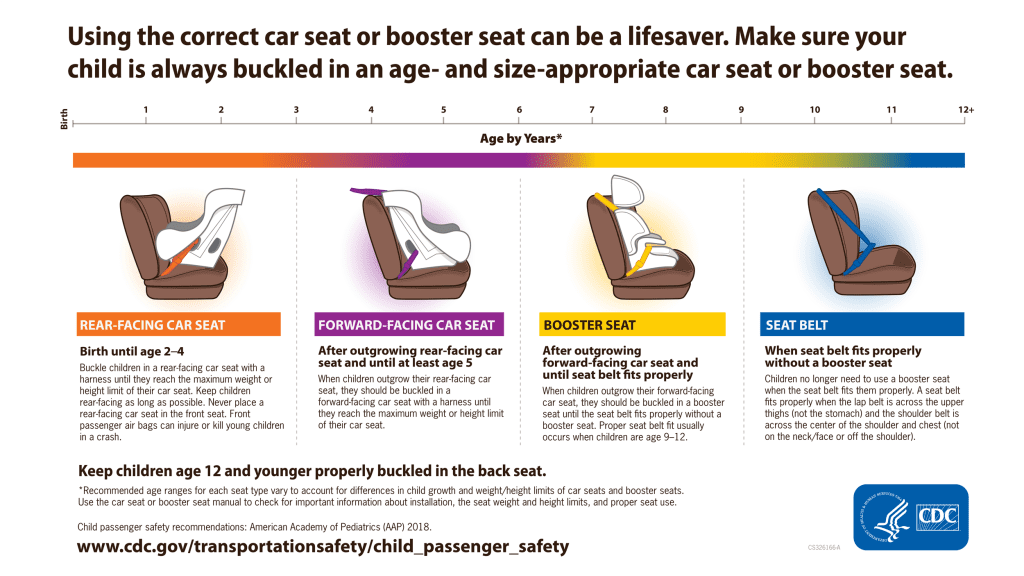
Knowing the right age and weight for turning your child’s car seat forward keeps them safer. Car seats protect kids best when used correctly. Each child grows at a different pace. Age and weight rules help parents decide the best time to face forward. This guide breaks down these key factors for clear understanding.
Minimum Age For Forward Facing
Experts suggest keeping kids rear-facing until at least 2 years old. Many safety groups recommend staying rear-facing longer if possible. Forward-facing too early can increase injury risk in a crash. The child’s neck and spine develop better with rear-facing seats. Always check your car seat manual for specific age guidelines.
Weight And Height Limits
Each car seat has weight and height limits for safe use. Forward-facing seats usually support children from about 20 to 65 pounds. Height limits vary, often up to 49 inches tall. Children should stay in a forward-facing harness seat until they reach these limits. Afterward, a booster seat is needed to fit the seat belt properly.
Signs Your Child Is Ready
Knowing when your child is ready to face forward in their car seat is crucial for their safety and comfort. It’s not just about age or weight but a combination of physical and behavioral signs. Watching closely for these signals helps you make a confident decision that protects your little one on every ride.
Physical Growth Indicators
Your child’s size plays a big role in readiness. They should have the neck strength to hold their head up steadily without support. This is important because facing forward requires better head control during sudden stops or turns.
Check if your child meets the minimum weight and height recommended by your car seat manufacturer. Usually, this means they’ve outgrown the rear-facing limits, but don’t rush just because of numbers. Notice how their shoulders fit under the harness straps; if the straps are too low or tight, it’s time to switch.
Behavioral Readiness
Observe how your child behaves in the rear-facing seat. Are they sitting comfortably without fussing? If they seem restless or try to climb out frequently, they might be ready to face forward. This can make rides less stressful for both of you.
Children who can follow simple instructions and stay seated calmly are better candidates for facing forward. Ask yourself: Does your child listen when you say “stay seated”? Their ability to cooperate can make a big difference in safety.

Credit: orbitbaby.com
Choosing The Right Car Seat
Choosing the right car seat for your child is more than just a safety measure; it’s about ensuring comfort and peace of mind during every trip. The transition from rear-facing to forward-facing seats depends on various factors, including your child’s age, weight, and height. Understanding the options available helps you make the best decision tailored to your child’s needs.
Types Of Forward-facing Seats
Forward-facing car seats come mainly in two types: harness seats and combination seats. Harness seats are designed for younger children and usually have a 5-point harness system that secures your child at the shoulders, hips, and between the legs. Combination seats start as forward-facing harness seats but can later convert to booster seats once your child outgrows the harness limits.
Think about how long you want to use the seat. A combination seat might save you money by growing with your child, but a dedicated harness seat often offers a better fit for smaller kids. What kind of trips do you usually take? Long drives might require more padding and adjustable features.
Harness And Installation Tips
Even the best car seat won’t protect your child if it’s installed incorrectly. Make sure the harness fits snugly—no slack should remain, and the chest clip must be at armpit level. You can test the harness by trying to pinch the strap at the shoulder; if you can pinch any excess webbing, it’s too loose.
Installation might seem tricky, but using the vehicle’s LATCH system or seat belt correctly is key. Double-check the car seat manual and your vehicle’s handbook for specific instructions. If you ever feel unsure, many communities offer car seat inspections—don’t hesitate to ask for help to get it right.
Common Mistakes To Avoid
Transitioning a child to a forward-facing car seat is a milestone. But, many parents make mistakes during this change. Avoiding these errors ensures your child’s safety on the road. Understanding the common pitfalls can help you make informed decisions.
Premature Forward Facing
Many parents switch seats too early. Children should remain rear-facing until age two or longer. The longer, the safer. Rear-facing seats provide better head and neck support. Always check the car seat’s weight and height limits. Follow these guidelines to determine when to switch.
Incorrect Harness Usage
Proper harness use is crucial for safety. Straps must be snug and positioned correctly. The chest clip should sit at armpit level. Loose straps can cause injuries during sudden stops. Regularly check and adjust the harness as your child grows. Ensure the harness fits every time you buckle up.
Legal Requirements By Region
Understanding the legal requirements for when kids can face forward in their car seats is crucial for every parent and caregiver. These rules vary widely depending on where you live, reflecting different safety priorities and research findings. Knowing the specifics in your region helps you keep your child safe and avoid fines or penalties.
Us Regulations
In the United States, laws about when children can face forward vary by state. Most states require children to ride rear-facing until at least 2 years old, but some recommend staying rear-facing longer for better protection.
For example, states like California and New York enforce rear-facing until age 2 or until the child reaches the height or weight limit of the rear-facing seat. After that, children can transition to forward-facing with a harness.
- Age minimums:Usually 2 years old, but some states allow earlier turns if size limits are met.
- Weight and height limits:Many states follow manufacturers’ recommendations for when to switch.
- Penalties:Fines and points on your license are common for non-compliance.
Did you know that some states also specify booster seat requirements after the forward-facing seat? This shows how layered child passenger safety laws can be.
International Guidelines
Outside the US, countries have their own rules, often based on international safety standards like those from the United Nations or the European Union. These guidelines emphasize keeping children rear-facing for as long as possible.
For instance, in many European countries, kids are required to stay rear-facing until at least 15 months, with some parents choosing to go up to 4 years based on safety advice.
| Country/Region | Minimum Rear-Facing Age | Notes |
|---|---|---|
| United Kingdom | 15 months | Recommended to keep rear-facing longer if possible |
| Sweden | 4 years | Known for strict rear-facing laws and low injury rates |
| Australia | 6 months minimum | Strong recommendation to stay rear-facing until 2 years or more |
Have you checked how your country’s rules compare? Sometimes, local laws might lag behind current safety research, so it’s worth staying informed and making the safest choice for your child.
Transitioning Safely
Transitioning your child to a forward-facing car seat is a significant step in their safety journey. It’s not just about flipping the seat around; it requires careful attention to your child’s readiness and comfort. Taking time to transition safely can prevent anxiety for both you and your child while ensuring maximum protection on the road.
Gradual Adjustment Steps
Start by letting your child sit in the forward-facing seat while the car is parked. This helps them get used to the new position without any pressure. Next, take short drives to build their comfort and confidence gradually.
Pay close attention to their reactions. If they seem uneasy or upset, slow down the process and offer reassurance. Use familiar toys or music to make the experience positive and engaging.
Remember, switching forward-facing isn’t a race. Wait until your child meets height and weight limits recommended by the car seat manufacturer. How can you tell if your child is truly ready? Look for signs like sitting still, following instructions, and fitting securely in the seat.
Maintaining Child Comfort
Comfort plays a big role in keeping your child happy and safe during rides. Check that the harness fits snugly but isn’t too tight, and adjust straps as your child grows. Make sure the seat padding supports their head and back properly.
Consider the temperature inside the car. Use sunshades or breathable fabrics to keep your child cool in summer and warm in winter. Small comforts, like a favorite blanket or pillow, can make a big difference on longer trips.
Have you noticed how a relaxed child makes your drive smoother and safer? Paying attention to comfort helps reduce fussiness and distractions, letting you focus fully on the road ahead.
Additional Safety Tips
Ensuring the safety of your child in a car seat is crucial. Following additional safety tips can provide peace of mind and enhance protection. Pay attention to every detail for the best safety outcomes.
Regular Seat Inspections
Check the car seat regularly for wear and tear. Ensure all straps and buckles are functioning correctly. A loose strap could compromise safety. Verify the seat is not expired. Car seats have expiry dates for a reason. Check the manual for the exact date.
Proper Seat Placement
Place the car seat in the back seat. The middle position is safest, away from airbags. Ensure the seat is tightly secured. It should not move more than an inch side to side. Install the seat according to the manufacturer’s instructions. Always double-check after installation.

Credit: babyallergyprevention.com.sg
Frequently Asked Questions
When Should Kids Face Forward In Car Seats?
Kids should face forward after reaching the car seat’s height or weight limit for rear-facing. This is usually around age 2 to 4. Rear-facing offers better protection for the head and neck in crashes.
Why Is Rear-facing Safer For Toddlers?
Rear-facing seats better support a child’s head, neck, and spine during impact. This position reduces injury risk by distributing crash forces across the body. Experts recommend rear-facing as long as possible within car seat limits.
What Are The Height And Weight Limits For Forward-facing?
Forward-facing limits vary by car seat model but usually start at 20-30 pounds. Height limits range from 30 to 49 inches. Always check your car seat manual for exact limits before switching to forward-facing.
Can Kids Switch To Booster Seats After Forward-facing?
Kids typically switch to booster seats after outgrowing forward-facing seats. They need to meet the car seat’s height and weight limits first. Booster seats help properly position the seat belt for safety.
Conclusion
Kids should stay rear-facing as long as possible for safety. Most experts say until age two or when they reach the seat’s weight limit. Turning a child forward too soon raises injury risks. Always check your car seat’s instructions carefully.
Make sure the seat fits your child’s size and weight. Use the right seat for each growth stage. Safety comes first on every trip. Keep your child secure and comfortable inside the car. Trust the guidelines to protect your little ones well.