
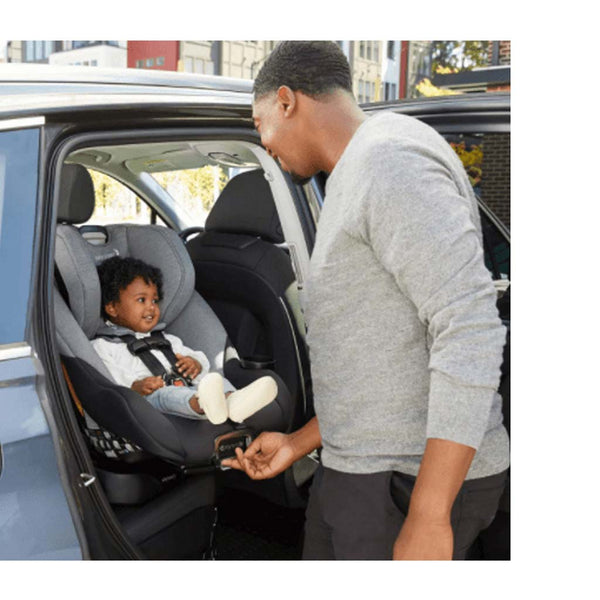
Are you wondering when your baby can safely turn around in their car seat? It’s a question every parent asks because your child’s safety is your top priority.
Making the right decision about car seat direction isn’t just about comfort—it can protect your little one in ways you might not realize. Keep reading to discover the best time to switch your baby’s car seat and why waiting could make all the difference for your child’s safety.
Car Seat Orientation Basics
Choosing the right car seat orientation is vital for your baby’s safety. Understanding the basics helps you decide when to switch your baby from rear-facing to forward-facing. Car seats come in two main types based on direction: rear-facing and forward-facing. Each type offers different levels of protection. Knowing the benefits of each type guides parents to keep their babies safe during car rides.
Rear-facing Vs Forward-facing Seats
Rear-facing seats face the back of the car. Forward-facing seats face the front. Babies start in rear-facing seats. These seats support their head, neck, and spine better in a crash. Most experts advise keeping babies rear-facing as long as possible. Forward-facing seats are for older toddlers who outgrow rear-facing limits. Switching too soon can increase injury risk. Always check your car seat’s height and weight rules.
Why Rear-facing Is Safer
Rear-facing seats spread crash forces over the entire body. They protect delicate neck and spine areas. In a crash, the seat cradles the baby and reduces forward movement. Forward-facing seats allow more head and neck movement, which can cause injury. Safety studies show rear-facing seats reduce serious injury risk by up to 75%. For this reason, keeping your baby rear-facing until at least age two is safest.

Credit: www.bambibaby.com
Age And Weight Guidelines
Understanding the age and weight guidelines for turning your baby around in their car seat is crucial for their safety. Every child grows at a different pace, so it’s important to pay attention to both their age and physical development before making this switch. Knowing these specifics helps you avoid common mistakes that could put your little one at risk.
Recommended Age For Turning Forward
Most safety experts suggest keeping your baby in a rear-facing car seat until they are at least 2 years old. This recommendation is based on the fact that rear-facing seats provide better support for a child’s head, neck, and spine in the event of a crash.
However, if your child is approaching two years but still fits comfortably and meets the weight requirements for rear-facing, it’s safer to wait. Have you noticed how quickly your child grows? Sometimes they reach weight limits before their second birthday, and that’s an important factor to consider.
Weight And Height Limits
Car seats come with specific weight and height limits designed by manufacturers and safety organizations. These limits ensure that the seat’s safety features work effectively.
| Car Seat Type | Typical Weight Range | Typical Height Limit |
|---|---|---|
| Rear-Facing Infant Seat | 5 to 40 pounds | Up to 32 inches |
| Convertible Rear-Facing Seat | 5 to 50 pounds | Up to 49 inches |
| Forward-Facing Seat with Harness | 20 to 65 pounds | Up to 49 inches |
Always check your car seat’s manual for exact numbers because these can vary. If your child is close to the weight or height limit for rear-facing, it’s a sign to prepare for the forward-facing switch.
Have you ever checked the labels on your car seat? They often get overlooked but contain vital information. Taking a moment to review these details can make a big difference in your child’s safety on the road.
Signs Your Baby Is Ready
Knowing when your baby can safely turn around in a car seat is important. This change usually happens when your baby shows clear signs of readiness. Watching for these signs helps keep your little one safe and comfortable during rides. Some signs come from your baby’s body growth, while others come from their behavior.
Physical Development Milestones
Your baby needs strong neck and head control before turning the car seat. Look for these milestones:
- Can hold their head steady without support
- Can sit up with little or no help
- Shows good muscle strength in the neck and back
- Weighs enough to meet car seat manufacturer guidelines for forward-facing
These physical skills help your baby stay safe facing forward. They also reduce the risk of injury in case of sudden stops.
Behavioral Cues
Babies show readiness with their actions and reactions. Watch for these signs:
- Shows interest in surroundings when facing forward
- Becomes restless or fussy in the rear-facing position
- Looks around more and tries to reach objects in front
- Can follow moving objects with their eyes and head
These behaviors show your baby may prefer forward-facing. They also suggest they can handle the new view safely.
Risks Of Early Transition
Transitioning your baby to a forward-facing car seat too early can expose them to significant risks. Babies have delicate neck muscles and developing spines, making rear-facing seats the safest option for as long as possible. Understanding the dangers of switching too soon helps you protect your child effectively during car rides.
Injury Risks In Crashes
Rear-facing car seats support your baby’s head, neck, and spine better during a crash. When turned forward too early, these vulnerable areas can suffer more severe injuries. Studies show that infants in forward-facing seats face a higher chance of serious harm in collisions.
Think about the force in a sudden stop or crash. The backward-facing position spreads the impact across the entire back, reducing strain on the neck. Forward-facing seats focus that force on smaller areas, increasing injury risk.
Common Mistakes Parents Make
Many parents switch their babies to forward-facing seats based on age rather than size and readiness. This mistake overlooks crucial factors like weight and height limits recommended by the car seat manufacturer. Relying only on age can put your child in danger.
Another common error is underestimating the importance of keeping the seat rear-facing as long as possible. Sometimes, pressure from grandparents or well-meaning friends leads to premature transitions. It’s your responsibility to prioritize safety over convenience or advice that contradicts guidelines.
Have you checked your car seat’s manual lately? Sometimes parents miss updates or specific instructions, which are vital for correct use. Taking a few minutes to review can prevent costly mistakes and keep your baby safer on every trip.
Choosing The Right Car Seat
Choosing the right car seat for your baby is a crucial decision every parent faces. Safety is paramount, but so is comfort and convenience. Understanding the different types of car seats and when each is appropriate can ensure your child remains safe and comfortable during every car ride.
Convertible Car Seats
Convertible car seats are a versatile option that grow with your child. They can be used in a rear-facing position for infants and then converted to a forward-facing position as your child grows. This adaptability can save you money and ensure your child’s safety for a longer period.
When my daughter was born, I opted for a convertible car seat. It was a relief knowing that I wouldn’t have to purchase a new seat as she grew. Does this sound like a practical choice for your family?
Booster Seats Options
Booster seats are designed for older children who have outgrown their forward-facing car seats. They help position the seatbelt correctly on your child’s body, which is crucial for safety in the event of a crash. Some booster seats come with a high back, while others are backless.
Consider your car’s design and your child’s comfort when choosing a booster seat. My friend’s son preferred a backless booster because it gave him more freedom to move and look around. What do you think your child would prefer?
Credit: www.thebump.com
Proper Installation Tips
Proper installation of your baby’s car seat is crucial before considering when they can turn around. A well-secured seat not only keeps your child safe but also ensures the seat functions as designed. Taking the time to get this right can make all the difference during every trip.
Securing The Car Seat
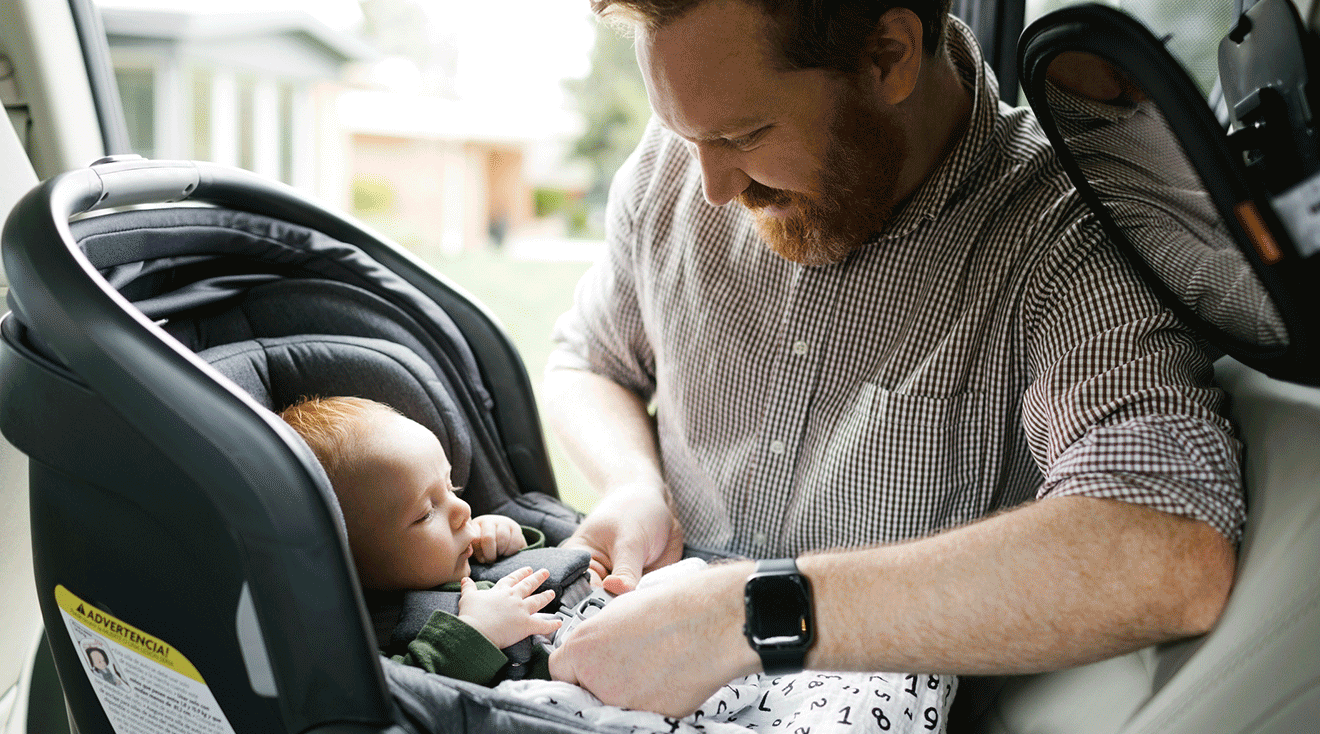
Start by choosing the correct seat for your baby’s size and weight. Always follow the manufacturer’s instructions to install the seat tightly in the vehicle. A good test is to try moving the seat side to side and front to back—if it shifts more than an inch, it’s not secure enough.
Use either the seat belt or the LATCH system, but never both unless your car seat manual says it’s allowed. Check that the angle of the seat matches the recommended recline for your baby’s age to keep their airway open. Have you ever felt unsure if your installation was tight enough? Asking a certified technician to inspect your work can provide peace of mind.
Harness Adjustments
The harness is your baby’s direct line of protection in a crash. Adjust it to fit snugly against your baby’s chest without any slack. The straps should lie flat without twists, and the chest clip must be positioned at armpit level.
Remember to adjust the harness height as your baby grows. The straps should come through the slots at or just below your baby’s shoulders when rear-facing. If the harness is too loose or too high, it can increase the risk of injury.
Have you checked your harness fit after every few months or after bulky clothes? It’s an easy step that many parents overlook but can significantly improve safety.
Legal Requirements And Recommendations
Understanding the legal requirements and recommendations for turning babies around in car seats is crucial. Laws and safety guidelines aim to protect children during travel. These rules vary by location but share a common goal: keep babies safe.
State Laws On Car Seat Use
Each state has specific laws about car seat use. Many states require children to ride rear-facing until at least age 2. Some states allow longer rear-facing based on weight and height limits. Parents must follow these laws to avoid fines and ensure child safety.
States may also regulate the type of car seat used and installation methods. Knowing your state’s rules helps make the right choice for your child’s car seat position.
Guidelines From Safety Organizations
Safety groups like the American Academy of Pediatrics (AAP) provide clear advice. They recommend keeping babies rear-facing as long as possible. This is usually until the child reaches the highest weight or height allowed by the car seat manufacturer.
Rear-facing seats protect the baby’s head, neck, and spine better in crashes. These organizations stress proper installation and use. Following their guidance helps reduce injury risks for young passengers.
Maintaining Safety As Baby Grows
Babies should stay rear-facing in car seats until at least 2 years old or until they reach the seat’s height and weight limits. Turning forward too early can increase injury risks. Always check the car seat manual for specific guidelines to keep your child safe.
Maintaining Safety as Baby Grows As your baby grows, the car seat requirements will change. Ensuring your little one’s safety while traveling is crucial, and adapting to their development is key. Are you prepared to make the necessary adjustments?Regular Seat Inspections
Frequent checks of the car seat are essential as your baby grows. Inspect the straps, buckles, and padding for wear and tear. Ensure the seat is securely fastened to the car, as a loose seat can compromise safety. Regular inspections can prevent unexpected mishaps. A friend once discovered her baby’s car seat was slightly loose—something a quick check could have prevented. Don’t wait for an accident to realize something is wrong.When To Upgrade The Seat
Growth spurts can happen overnight. When your child reaches the maximum height or weight limit of their current seat, it’s time to upgrade. Transitioning to a bigger seat ensures continued protection. Consider your child’s comfort too. A snug fit can lead to discomfort and fussiness, making car rides less enjoyable for everyone. Keep an eye on how your baby fits in the seat, and plan for the next stage. Is your baby safe and comfortable on the road? Adjustments might just be the key to peace of mind.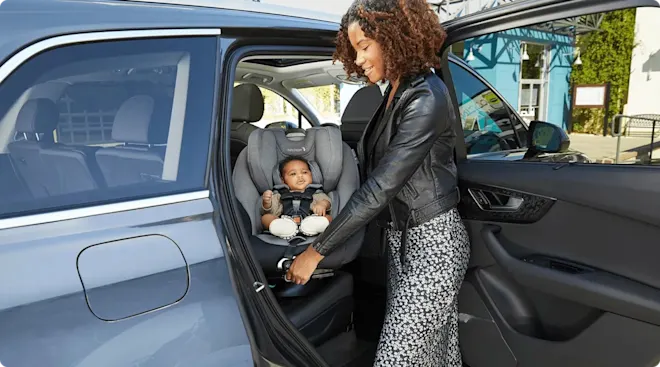
Credit: www.thebump.com
Frequently Asked Questions
When Is It Safe To Turn Babies Forward In Car Seats?
Babies can safely turn forward after reaching at least 2 years old. They should also meet the car seat’s height and weight limits. Rear-facing seats offer better protection for young children in crashes.
Why Keep Babies Rear-facing Longer In Car Seats?
Rear-facing seats support the head, neck, and spine better during collisions. Experts recommend rear-facing until age 2 or beyond for maximum safety. This position reduces injury risk in sudden stops.
What Are The Risks Of Early Forward-facing?
Turning babies forward too soon increases injury risks in accidents. Their neck and spine are still developing and vulnerable. Early forward-facing can lead to severe head and spinal injuries.
How Do I Know When To Switch Car Seat Positions?
Check your car seat’s height and weight limits for rear-facing mode. Also, follow pediatrician advice and safety guidelines. When your child outgrows the rear-facing limits, it’s time to turn forward.
Conclusion
Babies should stay rear-facing as long as possible. This keeps them safer in crashes. Most experts say to wait until at least age two. Check your car seat’s weight and height limits. Follow the car seat manual for correct use.
Always secure your child properly every time. Car seats save lives. Keep your baby safe on every ride. Trust your instincts and stay informed. Safety first, always.