
Are you wondering when your baby can safely ride in a stroller without the car seat? You’re not alone.
Many parents want to know the right time to make this switch, balancing convenience with their little one’s safety and comfort. Getting this timing right can make outings easier and more enjoyable for both you and your baby. Keep reading, and you’ll discover clear, simple guidelines to help you decide when your baby is ready to travel in a stroller on its own.
Stroller Basics
Choosing the right stroller is key for your baby’s comfort and safety. Understanding stroller basics helps parents make good decisions. Knowing the different types of strollers and the role of car seats in strollers is important. This knowledge ensures your baby rides safely and happily.
Types Of Strollers
Strollers come in many styles for different needs. Some popular types include:
- Standard strollers – good for everyday use and offer good support.
- Lightweight strollers – easy to carry and great for quick trips.
- Jogging strollers – designed for running and rough terrain.
- Travel systems – combine stroller and car seat for convenience.
- Umbrella strollers – fold small and are easy to store.
Each type suits different ages and activities. Pick one that matches your lifestyle and your baby’s stage.
Role Of Car Seats In Strollers
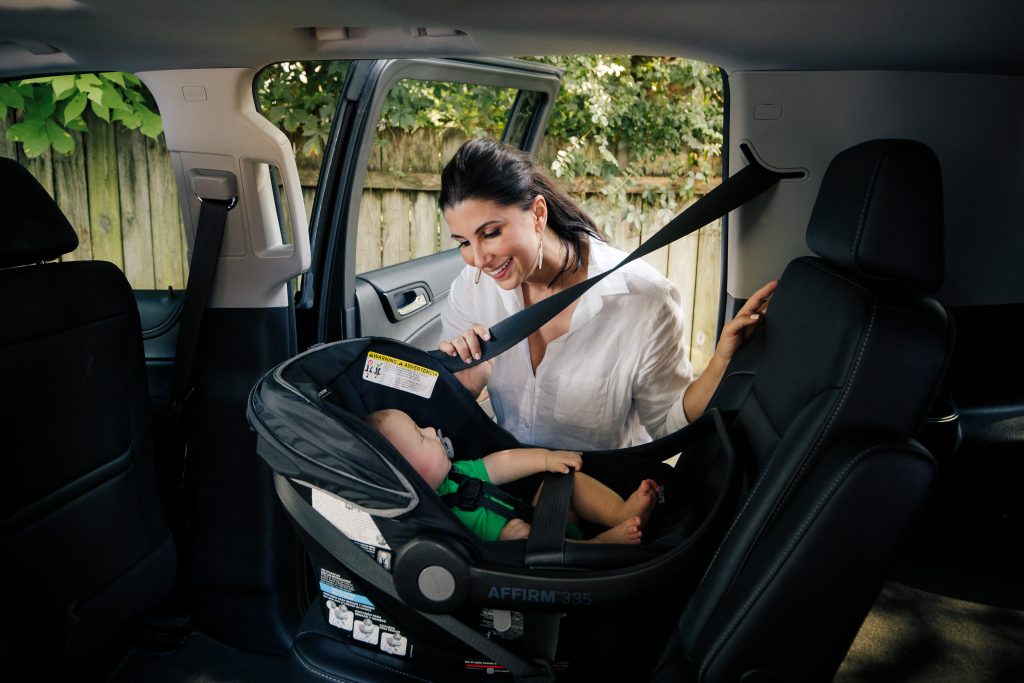
Car seats often attach to strollers for newborn safety. They keep babies secure and supported during rides.
Using a car seat in a stroller is best for babies under six months. Their neck muscles are still weak. The car seat provides needed head and body support.
Once a baby can sit up well, parents can use the stroller seat without the car seat. Check the stroller’s guidelines for weight and age limits.
Age And Development Factors
Knowing when your baby can safely ride in a stroller without a car seat depends heavily on their age and development. Babies develop skills like head control and the ability to sit up at different times. Watching your child closely can help you decide the right moment to switch to just the stroller.
Head And Neck Control
One key sign your baby is ready for the stroller alone is strong head and neck control. Babies usually gain this skill between 3 to 4 months old. Without good control, their head can flop forward or sideways, which is unsafe in a stroller.
Try gently letting your baby sit in your lap with no support. Can they hold their head steady for a few seconds? If yes, it’s a good indicator they might handle a stroller seat. If not, keep using the car seat for added support.
Sitting Up Unassisted
Sitting up without help is another major milestone before ditching the car seat. Most babies reach this around 6 months, but some take longer. When your baby can sit upright on their own, they can better handle the stroller’s seating position.
Test this by placing your baby on the floor or a firm surface. If they can maintain a sitting position without tipping over, they’re likely ready. This skill means they have the muscle strength and balance to stay comfortable and safe in the stroller.
Safety Considerations
Safety is the top priority when deciding to use a stroller without a car seat. Babies need proper support and protection during every ride. Understanding key safety features helps prevent accidents and injuries. Parents should check the stroller’s design and restraints before placing their child inside.
Harness And Straps
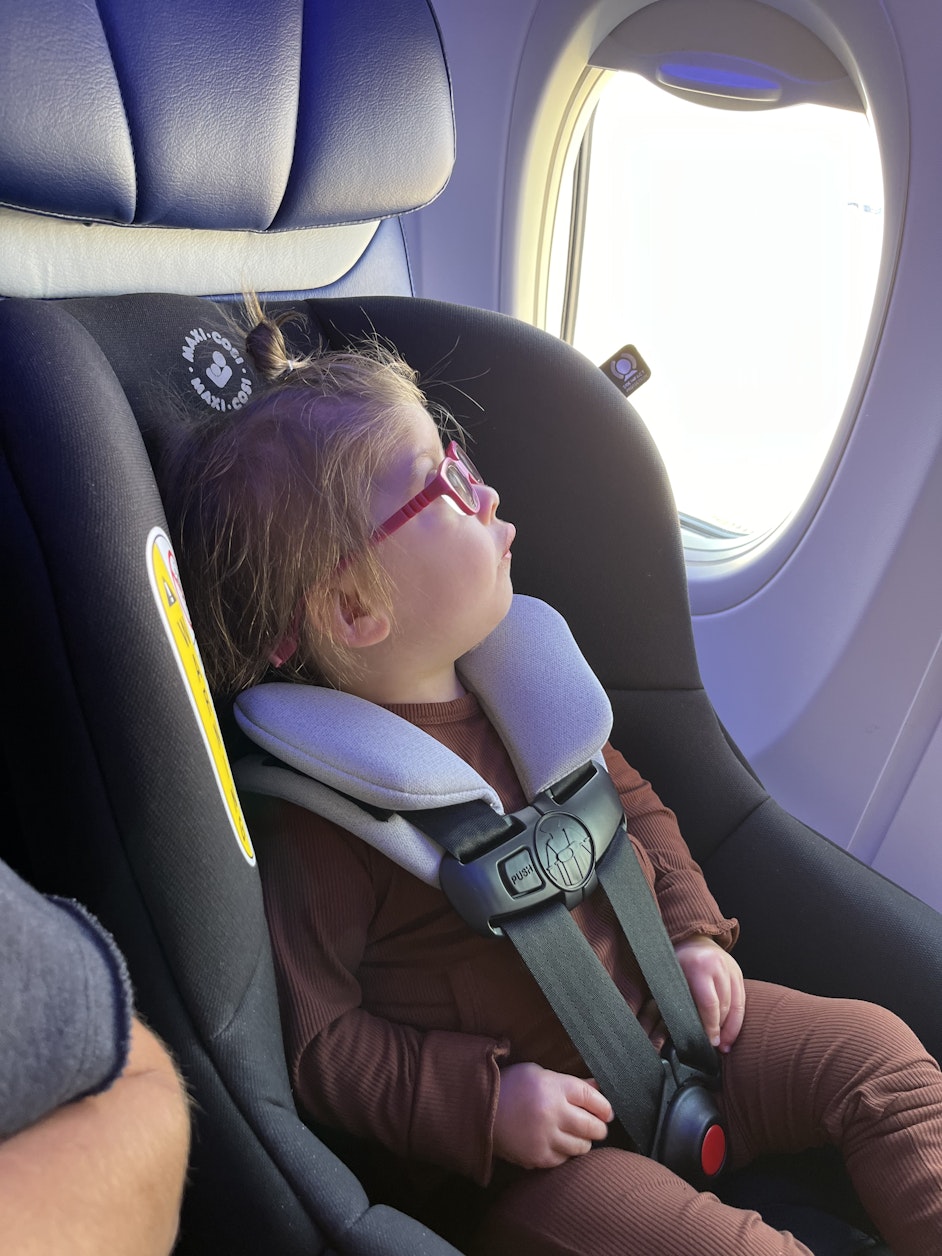
A secure harness keeps the baby safely in place. Look for a five-point harness system that holds the shoulders, waist, and between the legs. Straps should be adjustable to fit snugly without being too tight. Always fasten the harness before moving the stroller.
Stroller Stability
Stability prevents the stroller from tipping over. Choose a stroller with a wide base and strong frame. Test it on flat and slightly uneven surfaces. Lock the wheels when stopping to avoid unwanted movement. Avoid overloading the stroller with bags or heavy items.
Avoiding Falls And Injuries
Never leave the baby unattended in the stroller. Avoid placing the stroller on steep slopes or near stairs. Use stroller brakes every time you stop. Ensure the baby’s head and neck are well supported during the ride. Check regularly that all parts are secure and in good condition.
Credit: www.safeintheseat.com
Signs Baby Is Ready
Knowing when your baby is ready to ride in a stroller without a car seat is crucial for their safety and comfort. There are clear signs that indicate your little one can handle the stroller on its own. Paying close attention to these signs will help you make the right decision and enjoy outings with ease.
Physical Milestones
Your baby’s physical development is a key indicator of readiness. Look for strong head and neck control—can your baby hold their head steady without support? This usually happens around 4 to 6 months of age.
Another milestone is the ability to sit up with minimal assistance. When your baby can sit upright comfortably, the stroller can support them safely without the need for a car seat. You might notice your baby practicing sitting during tummy time or play.
Behavioral Cues
Behavior tells you a lot about your baby’s comfort level in a stroller. Does your baby seem content and calm when placed in the stroller? If they fuss or try to arch their back frequently, they might not be ready yet.
Watch how your baby reacts to movement. Babies who enjoy stroller rides often show curiosity by looking around and relaxing. If your baby easily falls asleep and seems relaxed, it’s a good sign they are comfortable without the car seat.
Have you noticed your baby reaching for toys or engaging with their surroundings during stroller rides? This shows growing confidence and stability. Observing these signs can give you the assurance to leave the car seat behind safely.
Transition Tips
Transitioning your baby to a stroller seat can feel overwhelming. Understanding how to do it smoothly ensures safety and comfort. Here, we’ll explore helpful tips to ease this transition.
Choosing The Right Stroller Seat
Selecting the right stroller seat is crucial. Look for a seat that offers adequate support. Ensure it has a recline feature for nap times. Check the weight limit and adjustability options. A five-point harness adds safety. Prioritize a seat with breathable fabric for comfort. Test the stroller’s maneuverability before purchase.
Gradual Adjustment Strategies
Introduce the stroller seat gradually. Start with short walks around the house. Let your baby sit in it for brief periods. Increase the time as they get comfortable. Consider using familiar toys to create a positive association. Take them on short outdoor strolls. Observe their reactions and adjust accordingly. Always ensure the stroller is stable during use.

Credit: www.riverbabygroup.com
Common Mistakes To Avoid
Choosing the right time to let your baby ride in a stroller without the car seat can be tricky. Many parents make avoidable mistakes that affect their child’s safety and comfort. Understanding these common errors helps you keep your baby secure and happy on every outing.
Ignoring Baby’s Neck And Head Control
One of the biggest mistakes is moving your baby to a stroller without a car seat before they can hold their head up steadily. Babies need strong neck muscles to sit safely in a stroller. If your little one’s head flops forward or sideways, it’s a sign they’re not ready yet.
Think about a time when your baby suddenly slumped in the stroller. It’s not just uncomfortable—it can be dangerous. Waiting until your baby can maintain head control reduces the risk of injury and keeps them more comfortable during rides.
Skipping Proper Harness Use
Another common error is assuming the stroller’s seat belt or harness isn’t necessary once the car seat is removed. Even if your baby looks secure, harnesses are essential for safety. They prevent sudden falls or jolts when moving over uneven surfaces.
Always buckle your baby in snugly. Loose straps or skipping the harness altogether can lead to accidents, especially if your stroller hits a bump or if your baby moves unexpectedly.
Choosing The Wrong Stroller Type
Not all strollers are suitable for babies who no longer use car seats. Some designs don’t offer enough support or recline options for young infants. Using a stroller that’s too upright too soon can strain your baby’s back and neck.
Look for strollers with adjustable recline positions and good padding. These features help keep your baby comfortable and supported as they grow.
Assuming All Babies Are Ready At The Same Age
Every baby develops at their own pace. Pressuring yourself to switch to a stroller without a car seat based on age alone can cause problems. Your baby might not be physically ready, even if they’ve hit a certain month milestone.
Pay attention to your baby’s cues and developmental signs rather than just the calendar. If your baby seems uncomfortable or fussy, it might be best to wait a little longer.
Overlooking Weather And Environment Factors
Sometimes parents forget that strollers without car seats offer less protection from the elements. Babies are more exposed to wind, sun, and rain, which can affect their comfort and health. Using a car seat often provides a cozy, shielded space.
When switching to just the stroller seat, consider adding accessories like sunshades or rain covers. This small step can make your outings more pleasant for your baby.
Expert Recommendations
Experts give clear advice about when babies can ride in strollers without a car seat. Safety and comfort are the main concerns. Babies need strong neck muscles and good head control before using a stroller alone.
Most health professionals say infants should be at least 6 months old. By this age, many babies can hold their heads up steadily. This reduces the risk of injury or discomfort during stroller rides.
Developmental Milestones To Watch
- Baby can hold head up without support
- Baby can sit with minimal assistance
- Baby shows good muscle control and alertness
Safety Guidelines From Pediatricians
- Use a stroller with proper harness straps
- Choose a stroller with good back support
- Always supervise your baby while in the stroller
Recommendations From Child Safety Organizations
- Wait until the baby can sit up independently
- Ensure the stroller reclines fully for younger babies
- Avoid using strollers without car seats for newborns

Credit: www.thebump.com
Frequently Asked Questions
When Can A Baby Use Stroller Without Car Seat?
Babies can use a stroller without a car seat once they have good head and neck control. This usually happens around 4 to 6 months. Always check your stroller’s guidelines to ensure it supports your baby safely without a car seat.
How To Know If Baby Is Ready For Stroller Alone?
A baby is ready for stroller use alone when they can sit up steadily without support. Look for strong neck muscles and ability to hold head upright. This readiness usually appears between 4 and 6 months of age.
Is It Safe For Newborns To Use Stroller Without Car Seat?
Newborns should not use strollers without a car seat or bassinet attachment. They need full support for their head and spine. Use a compatible car seat or bassinet designed for newborn safety when strolling.
What Stroller Features Support Babies Without Car Seats?
Look for strollers with reclining seats, adjustable harnesses, and good head support. These features help keep babies safe and comfortable without a car seat. Always follow manufacturer recommendations for age and weight limits.
Conclusion
Babies need strong neck muscles before using a stroller alone. Usually, this happens around 6 months old. Always check your stroller’s rules for age and weight limits. Keep your baby safe by using proper straps and support. Watch your baby closely during every ride.
Strollers without car seats offer more comfort as babies grow. Taking these steps helps your baby enjoy fresh air safely. Trust your instincts and your baby’s readiness. Safety first, always.