
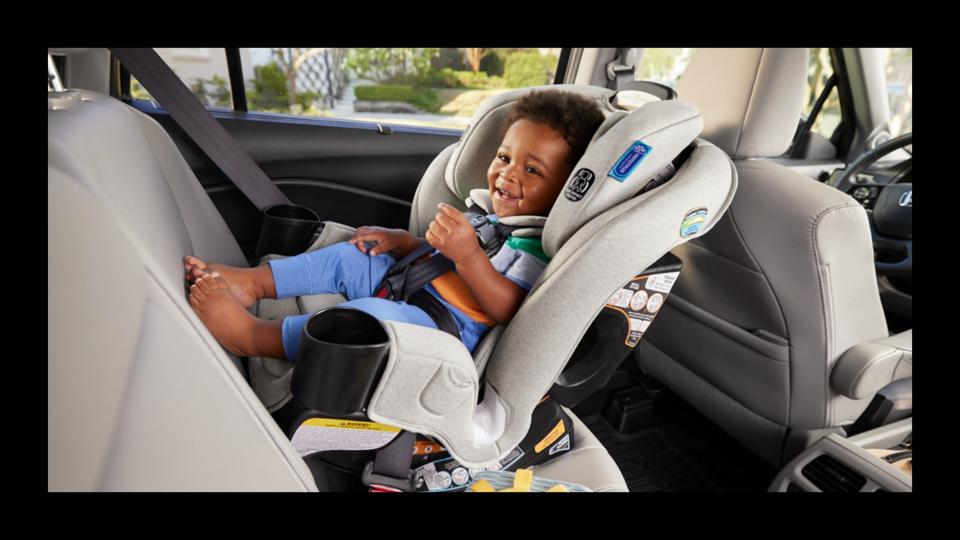
You want to keep your baby safe and comfortable during car rides. But how long can your baby stay in a car seat without it becoming risky?
Too much time in a car seat can cause discomfort and even health issues for your little one. You’ll discover the ideal time limits for your baby’s car seat use and tips to make every trip safe and pleasant. Keep reading to protect your baby and make every car ride worry-free.
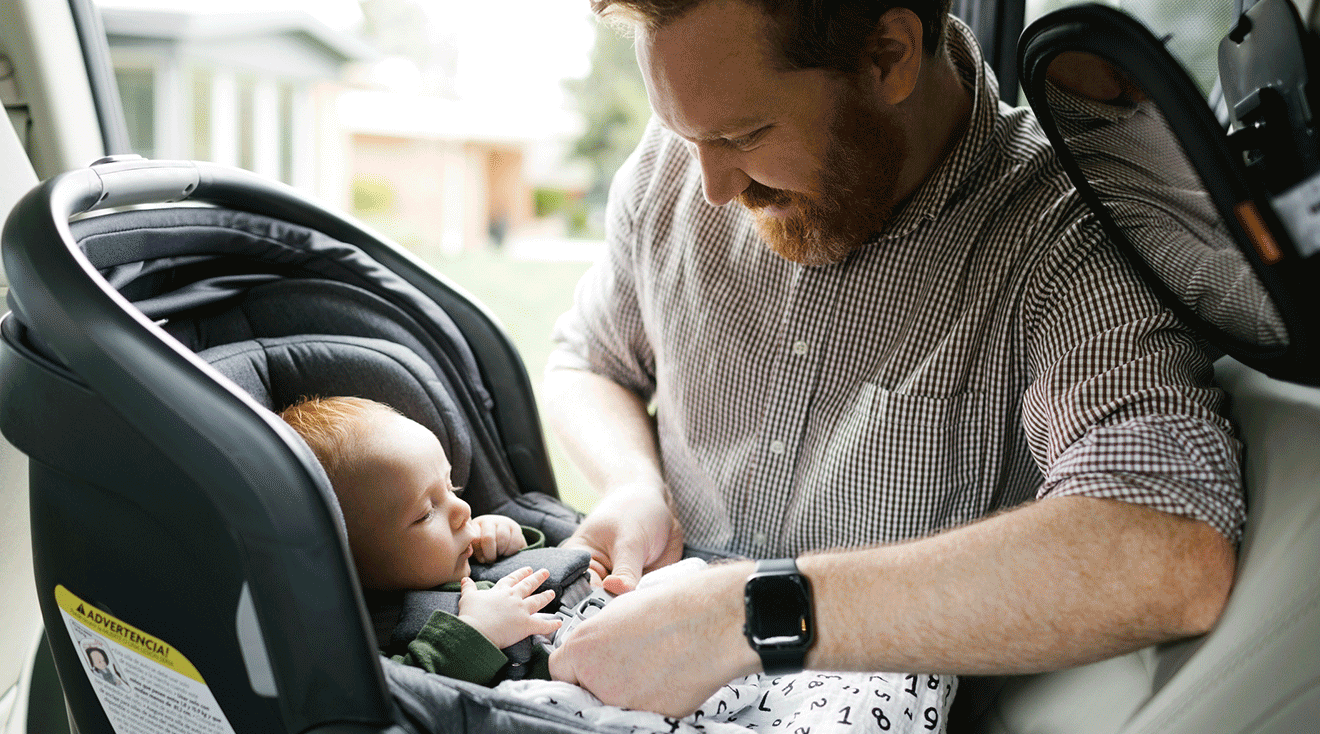
Credit: www.thebump.com
Recommended Car Seat Duration
Knowing the recommended time for a baby to stay in a car seat is important for their safety and comfort. Long periods in a car seat can affect a baby’s breathing and posture. Parents should follow guidelines to ensure their baby stays safe during travel. Car seat duration depends on the baby’s age, weight, and behavior.
Age And Weight Guidelines
Newborns and young infants should not stay in a car seat for more than two hours at a stretch. Their neck muscles are weak, and long sitting can cause breathing problems. As babies grow, they can stay longer but still need breaks.
- Babies under 12 months: Maximum 2 hours continuously
- Babies 12-24 months: Up to 3 hours with breaks
- Children over 2 years: Follow car seat manufacturer’s advice
Car seat weight limits also affect duration. Heavy babies may feel tired faster. Always check the car seat manual for weight and time recommendations.
Signs Baby Needs A Break
Watch for signs that your baby needs to get out of the car seat. Restlessness or crying can mean discomfort. If your baby’s face looks red or pale, stop and check immediately.
- Frequent crying or fussiness
- Difficulty breathing or noisy breathing
- Stiff or awkward posture
- Falling asleep in an uncomfortable way
Taking breaks during long trips keeps your baby safe and happy. Remove your baby from the seat and let them stretch or move for a few minutes.

Credit: chicco.ca
Risks Of Prolonged Car Seat Use
Keeping your baby in a car seat for too long can lead to several risks that often go unnoticed. While car seats are essential for safety during travel, extended use may cause discomfort and health issues. Understanding these risks helps you make better decisions about when to take breaks and how to keep your baby safe and comfortable.
Physical Discomfort And Pressure
Babies have delicate bodies that can quickly feel the strain of staying in one position too long. The hard shell and straps of a car seat can create pressure points, leading to soreness or even skin irritation.
Have you noticed your baby fussing or becoming unusually restless during long car rides? This can be a sign of physical discomfort caused by the car seat. Frequent breaks to remove the baby from the seat and allow movement are crucial to prevent this.
Breathing And Circulation Concerns
Prolonged sitting in a semi-reclined position might affect your baby’s breathing and blood circulation. The position can cause the head to fall forward, potentially restricting airflow and making it harder for your baby to breathe comfortably.
It’s important to watch for signs like irregular breathing or a change in skin color. To keep your baby safe, limit car seat time and ensure their head stays in a neutral position, especially during naps.
Safe Practices For Car Seat Use
Babies should not stay in a car seat for more than two hours at a time. Long periods can affect their breathing and comfort. Always take breaks to remove the baby and let them stretch safely.
Ensuring your little one’s safety during car rides is a priority for every parent. Proper car seat use is essential in protecting your child from potential harm. However, many parents are unsure about the best practices for car seat installation and usage. Let’s dive into some safe practices to keep your child secure on the road.Proper Seat Installation
Correctly installing a car seat can be a daunting task, yet it’s crucial for your child’s safety. Start by thoroughly reading the car seat’s manual. It provides specific instructions tailored to your seat model. Make sure the car seat is firmly secured and doesn’t move more than an inch side-to-side or front-to-back when installed. A tightly fitted car seat reduces the risk of injury in sudden stops or crashes. Remember, a well-installed car seat is the foundation of safety.Correct Harness Positioning
Positioning the harness properly is key to keeping your baby snug and secure. Ensure the harness straps are at or below your baby’s shoulders for rear-facing seats. For forward-facing seats, the straps should be at or above the shoulders. The harness should be snug enough so you can’t pinch any excess webbing at the shoulder. This provides a snug fit that holds your baby in place without discomfort. As your child grows, regularly adjust the harness to maintain the correct fit. Each car ride is an opportunity to protect your child. Are you confident in your car seat practices? By focusing on proper installation and harness positioning, you’re not just following guidelines—you’re actively safeguarding your child’s future.Alternatives For Baby Comfort
Keeping a baby comfortable in a car seat requires careful attention. Long periods in the seat can cause discomfort or fussiness. Parents can use alternatives to help babies stay calm and content during car rides. These options support baby’s comfort and safety at the same time.
Frequent Breaks And Movement
Stopping often during long trips helps babies stretch and move. Take breaks every one to two hours. Remove the baby from the car seat during these stops. Hold and cuddle the baby to soothe them. Gentle movement can ease stiffness and restlessness. Walk around with the baby to improve circulation. These breaks reduce the risk of discomfort and overheating.
Using Car Seat Accessories Safely
Accessories can make the car seat cozier but must be safe. Use only products approved for car seat use. Soft head supports and neck pillows help keep baby’s head steady. Avoid loose blankets or pillows inside the seat; they can cause hazards. Choose breathable fabrics to prevent sweating. Regularly check straps and buckles to ensure they fit well. Safety comes first, even with comfort aids.
Travel Planning Tips
Traveling with a baby in a car seat requires thoughtful planning to keep your little one safe and comfortable. Knowing how long your baby can stay in the car seat without a break is crucial. Careful travel planning helps you avoid unnecessary stress and ensures a smooth trip for everyone involved.
Scheduling Rest Stops
Plan your route with frequent rest stops every 1 to 2 hours. Babies should not remain in a car seat for more than two hours at a time to avoid discomfort and potential health risks. Use these stops to take your baby out, stretch their legs, and give them a chance to move freely.
Pick rest areas with shaded spots or indoor facilities where you can safely feed and change your baby. Keep a checklist of essentials like diapers, snacks, and toys in your travel bag to make these stops quick and efficient. Have you noticed how a short break can reset your baby’s mood and energy?
Monitoring Baby’s Behavior
Watch for signs that your baby needs a break from the car seat. Fussiness, crying, or unusual stillness may indicate discomfort. Pay attention to their breathing and skin color to ensure they’re safe and comfortable.
Use mirrors to keep an eye on your baby without turning around while driving. Adjust the car seat angle if needed, but always follow safety guidelines. How often do you check on your baby during longer drives?

Credit: www.safetyandhealthmagazine.com
Frequently Asked Questions
How Long Can A Baby Stay In A Car Seat?
Babies should not stay in a car seat for more than 2 hours continuously. Prolonged sitting can affect breathing and posture. Always take breaks during long trips for your baby’s comfort and safety.
When Should A Baby Transition From Infant Car Seat?
Transition when your baby exceeds the car seat’s height or weight limit. Usually, this happens around 12 months. Follow the manufacturer’s guidelines to ensure maximum safety during transitions.
Is It Safe For Babies To Sleep In Car Seats?
Short naps are safe, but prolonged sleeping in car seats is not recommended. It may cause breathing difficulties or positional asphyxia. Always monitor your baby and avoid extended periods in the seat.
How Often Should You Check Car Seat Straps?
Check car seat straps before every trip. Ensure they are snug and properly positioned to keep your baby secure. Proper strap adjustment prevents injuries during sudden stops or accidents.
Conclusion
Babies should stay in a car seat for as long as they fit safely. Check the seat’s weight and height limits often. Always follow the car seat instructions carefully. Take breaks during long trips to keep your baby comfortable. Never leave your baby alone in the car seat.
Proper use helps protect your child in every ride. Keep your baby safe and secure on the road. Safety matters most, so choose the right car seat time.