
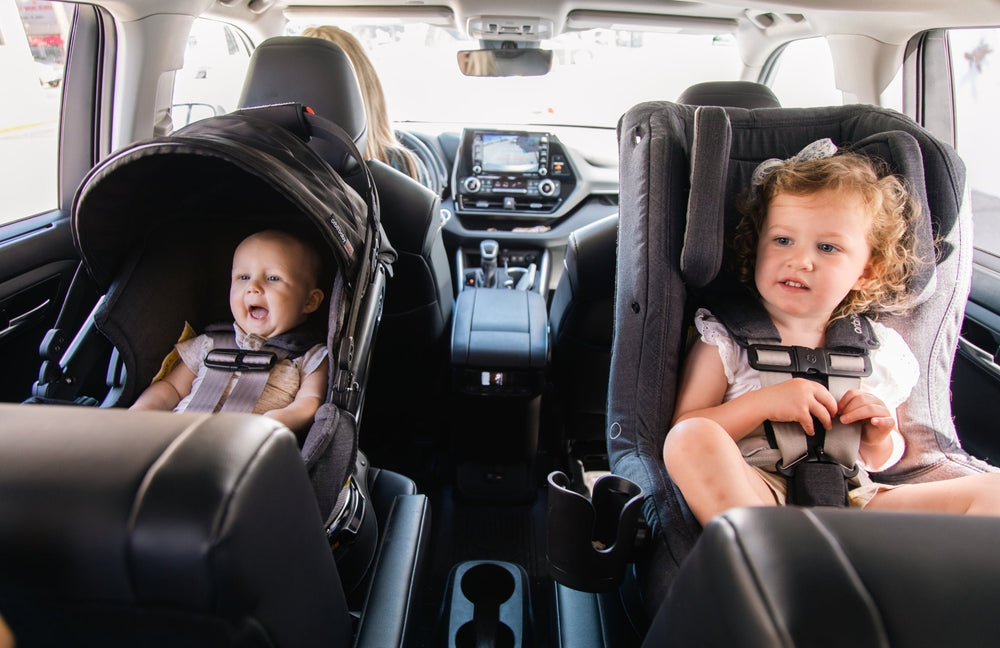
You want to keep your baby safe every time you hit the road. One question many parents ask is, “When can my baby face forward in a car seat?” It’s not just about comfort—it’s about protecting your little one from harm.
Making the right choice at the right time can make all the difference. You’ll discover exactly when it’s safe to turn your baby forward and why waiting just a bit longer can keep them safer. Keep reading—you won’t want to miss these important facts that every parent needs to know.

Credit: www.safetyandhealthmagazine.com
Rear-facing Vs. Forward-facing Seats
Choosing between rear-facing and forward-facing car seats is a key decision for every parent. The direction your baby faces affects their safety in a crash. Experts recommend keeping babies rear-facing as long as possible. This section explains the benefits of rear-facing seats and the risks tied to early forward-facing.
Benefits Of Rear-facing Seats
- Supports the baby’s head, neck, and spine during sudden stops.
- Distributes crash forces over the entire body, reducing injury risk.
- Offers better protection in frontal and side-impact crashes.
- Recommended for infants and toddlers until they reach height and weight limits.
- Helps keep the airway open by supporting the head in a natural position.
Safety Risks Of Early Forward Facing
- Increases the risk of head and neck injuries in a crash.
- Baby’s spine is not fully developed to handle forward impact forces.
- Forward-facing seats expose the child to greater crash forces.
- Premature switching can lead to more serious injuries during accidents.
- Many injuries happen because children outgrow rear-facing seats too soon.
Age And Weight Guidelines
Understanding the age and weight guidelines is key to knowing when a baby can face forward in a car seat. These rules help keep your child safe during every trip. Car seats are designed to protect babies best when used according to these guidelines.
Every car seat has specific limits for age, weight, and height. These limits ensure the seat supports your child properly. Following these guidelines reduces the risk of injury in case of an accident.
Recommended Age For Forward Facing
Experts suggest keeping babies rear-facing until at least 2 years old. Rear-facing seats support the head, neck, and spine better during crashes. Some children may stay rear-facing longer, depending on their size and car seat limits.
After 2 years, if your child meets the car seat’s weight and height limits, you can turn the seat forward. Many safety organizations encourage waiting as long as possible before switching.
Weight And Height Considerations
Weight limits for forward-facing seats often start around 20 to 22 pounds. Height limits vary but usually range from 29 to 40 inches. Check your car seat manual for exact numbers.
Children who exceed the rear-facing weight or height limits should switch to a forward-facing seat. Always use the seat that fits your child’s current size best.
Using a car seat with proper weight and height limits keeps your child safer. Adjust the harness and straps to match your child’s size every time.
Car Seat Types And Features
Choosing the right car seat for your baby is crucial for safety and comfort. Understanding the types and features can help you decide when it’s appropriate to turn your baby’s car seat forward. Each car seat offers different options that affect how and when your child can face forward.
Convertible Car Seats
Convertible car seats are designed to grow with your child, starting rear-facing and switching to forward-facing as they get older. These seats usually support rear-facing up to at least 2 years old, or until your child reaches the height or weight limit specified by the manufacturer.
Many parents are surprised to learn that keeping their baby rear-facing longer offers better protection. Convertible seats often have higher weight limits for rear-facing, sometimes up to 40 pounds or more. This means you can safely keep your child facing backward beyond their first birthday, which experts recommend.
Harness Systems And Adjustments
The harness system is a key feature that impacts when your baby can face forward. Look for seats with adjustable harness heights so you can easily switch between rear and forward-facing positions without buying a new seat.
Make sure the harness fits snugly over your child’s shoulders and chest. If the harness slots are too low or too high, it might be time to change the seat’s direction or even upgrade to a different model.
Have you checked your car seat’s manual recently? It often contains detailed instructions on harness adjustments and weight limits, helping you make safer decisions for your baby’s travel.
Legal Requirements By Region
Different regions have specific rules on when babies can face forward in car seats. These laws depend on the child’s age, weight, and height. Always check local regulations to ensure safety and compliance.
Understanding when a baby can face forward in a car seat is crucial for their safety and your peace of mind. The legal requirements vary by region, making it essential to know the rules that apply where you live. Let’s explore the legal landscape across different regions, providing you with the clarity you need.Laws In The United States
In the United States, car seat laws are dictated by each state, leading to a patchwork of regulations. Most states mandate that children must be rear-facing until at least age two. This aligns with recommendations from the American Academy of Pediatrics, which advises keeping children rear-facing as long as possible. However, some states have more flexible laws, allowing forward-facing transitions based on weight and height rather than age alone. It’s crucial to check your specific state’s regulations to ensure compliance and optimize safety for your little one.Regulations In Other Countries
Globally, car seat regulations can differ significantly, reflecting diverse safety standards and cultural norms. In Europe, the European Union’s regulation ECE R129, also known as i-Size, requires children to be rear-facing until at least 15 months old. In countries like Australia, laws are even stricter, often necessitating rear-facing until at least 30 months. Whether you’re traveling or living abroad, understanding these international differences can help you make informed decisions for your child’s safety. Have you ever considered how these regional differences might impact your travel plans or relocation decisions? Making sense of these laws ensures you’re not only compliant but also prioritizing your child’s well-being on every journey.Signs Your Baby Is Ready
Knowing when your baby can face forward in a car seat is important for safety. Watching for signs helps you decide the right time. Babies grow at their own pace, so noticing these signs matters more than just age. Here are key indicators that your baby might be ready.
Physical Development Milestones
- Your baby can hold their head steady without support.
- Neck muscles are strong enough to control head movements.
- Your baby sits up well with little to no help.
- They have good control of their upper body and back.
- Baby’s weight and height meet the car seat’s forward-facing limits.
Behavioral Cues
- Your baby seems uncomfortable facing backward for long trips.
- They try to turn their body or head toward the front.
- Your child shows curiosity about the outside world during rides.
- They respond better to toys or visuals placed in front.
- Baby appears more alert and calm when facing forward.

Credit: incarsafetycentre.co.uk
Installation Tips For Forward-facing Seats
Installing a forward-facing car seat requires careful attention. Ensuring safety involves understanding key steps. Proper installation protects your child during travel. Below are essential tips to help you.
Proper Harness Use
Make sure the harness fits snugly around your child. The straps should lie flat without twisting. Position the chest clip at armpit level. This placement ensures maximum safety.
Securing The Seat Correctly
Attach the car seat using the vehicle’s seat belt or LATCH system. Refer to your car’s manual for guidance. Ensure the seat does not move more than an inch. Check the seat’s stability regularly.
Common Mistakes To Avoid
Many parents are eager to turn their baby’s car seat forward-facing as soon as possible. However, rushing this transition or not adjusting the harness correctly can compromise your child’s safety. Understanding common mistakes can help you make the best choices for your little one’s protection on the road.
Switching Too Soon
One of the biggest mistakes is switching your baby to a forward-facing seat before they meet the height and weight requirements. Car seats are designed to keep your child safe in a rear-facing position for as long as possible—often until at least age two.
Did you know that rear-facing seats better support your baby’s head, neck, and spine in a crash? Moving forward-facing too early exposes your child to greater injury risks. Always check the car seat manual and your state laws before making the switch.
Incorrect Harness Adjustment
Another common error is not adjusting the harness properly after turning the seat forward. The harness should be snug and positioned at or above your child’s shoulders when forward-facing.
Loose straps or incorrect placement can reduce the harness’s effectiveness. You might think it’s easier to leave it as is, but every adjustment counts. Take time to ensure the harness fits well—your child’s safety depends on it.

Credit: maxicosi.com
Additional Safety Measures
Ensuring your baby’s safety in a car seat goes beyond just knowing when to face them forward. You have to take extra steps to secure the seat properly and check its condition often. These additional safety measures can make a big difference in protecting your child during every ride.
Using Tether Straps
Tether straps add an important layer of stability to forward-facing car seats. They connect the top of the seat to an anchor point in your vehicle, reducing forward movement in a crash. If you don’t use the tether strap, the seat can tip or shift more than it should.
Check your car’s manual to find the right tether anchor points. Make sure the strap is tight and not twisted each time you install the seat. Have you tested how secure the seat feels after attaching the tether? A firm seat means better protection.
Regular Seat Inspections
Car seats can wear down or get damaged over time. Regular inspections help you catch any loose parts, cracks, or frayed straps before they become a problem. Look for expiration dates too—old seats might not meet current safety standards.
Set a reminder to check your baby’s car seat every few months. Pay attention to the harness system, buckles, and padding condition. Have you noticed any damage or difficulty in securing the straps during these inspections? Fixing small issues early keeps your baby safer.
Frequently Asked Questions
When Is It Safe For A Baby To Face Forward In A Car Seat?
Babies can face forward after reaching the car seat’s height or weight limit for rear-facing. This is usually around 2 years old but varies by seat. Always follow the car seat manufacturer’s guidelines and local safety laws for best protection.
Why Keep A Baby Rear-facing As Long As Possible?
Rear-facing seats better support a baby’s head, neck, and spine in a crash. This position reduces injury risk significantly. Experts recommend rear-facing until at least age 2 or until the seat’s rear-facing limits are reached.
What Weight Or Height Allows Forward-facing Car Seats?
Most forward-facing seats require babies to weigh between 20-30 pounds and be at least 1 year old. Height limits vary, so check your car seat manual. Always confirm your child meets the specific seat’s requirements before turning forward.
How Does Forward-facing Affect Baby’s Safety In A Crash?
Forward-facing seats offer less neck support during sudden stops or crashes. This position exposes babies to higher injury risk if turned too early. Rear-facing seats provide the safest option by distributing crash forces more evenly across the body.
Conclusion
Babies should face backward in a car seat until they reach age two. This position keeps their head and neck safe during a crash. Turning forward too soon can cause serious injuries. Always check your car seat’s weight and height limits before switching.
Follow safety guidelines to protect your child on every trip. Keeping your baby rear-facing longer helps reduce risks. Safety first. Your child depends on it.