
Where exactly should your baby car seat be placed for the safest ride? If you’re like most parents, this question might feel overwhelming.
You want to protect your little one the best way possible, but the choices can be confusing. Placing the car seat in the right spot can make a huge difference in your child’s safety during every trip. Keep reading, and you’ll discover simple, clear advice that helps you make the best decision—giving you peace of mind every time you buckle up.
Best Seat For Baby Car Seats
Choosing the best seat for a baby car seat is vital for safety. The right spot protects your child in case of sudden stops or accidents. It also ensures comfort during every trip. Many experts agree on specific areas inside the car that offer more security. Understanding these can help parents make smart decisions.
Rear Seat Benefits
The rear seat is the safest place for a baby car seat. It keeps the child away from airbags and front-seat collisions. The back seat absorbs impact better in crashes. It also offers more space for properly installing the car seat. Most safety guidelines recommend placing baby seats in the rear.
Avoiding Front Seat Risks
Front seats carry higher risks for babies. Airbags can seriously injure infants during accidents. The front seat is closer to the dashboard and windshield. This increases the chance of harm in crashes. Avoid putting baby car seats in the front for safety reasons.
Center Seat Advantages
The center seat in the rear row is often the safest spot. It provides a buffer from side impacts. This position reduces the chance of injury in side collisions. It also offers better visibility for parents watching the baby. Installing a car seat in the center can be tricky but worth it for added protection.
Types Of Baby Car Seats
Choosing the right baby car seat is crucial for your child’s safety and comfort during travel. Understanding the different types of seats available helps you make an informed decision that fits your child’s age, size, and your vehicle’s layout. Each type offers unique benefits and suits different stages of your baby’s growth.
Rear-facing Seats
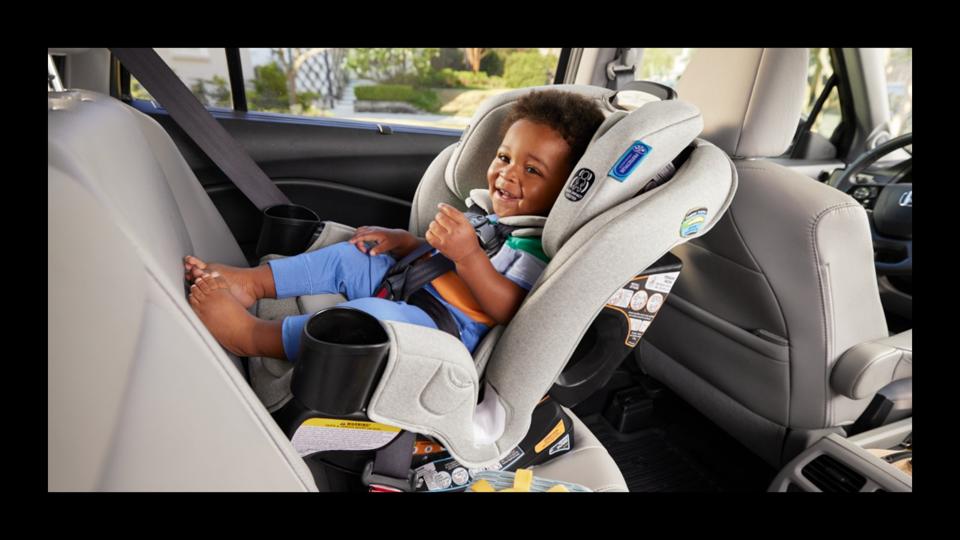
Rear-facing seats are designed for infants and young toddlers. They offer the best protection by supporting your child’s head, neck, and spine in a crash. Most safety experts recommend keeping your baby rear-facing as long as possible, usually until at least age two.
Think about how your baby’s fragile neck needs extra support. Rear-facing seats provide just that, cushioning your child against sudden stops. Have you checked if your car’s back seat has the right fit for a rear-facing seat? This placement often fits best in the middle of the back seat, away from airbags and door impacts.
Convertible Seats
Convertible seats grow with your child, switching from rear-facing to forward-facing. This flexibility means you won’t need to buy a new seat as your baby grows. They tend to be bulkier but offer longer usage, which can save money in the long run.
Consider your daily routine—does your child often nap in the car? Convertible seats usually recline more comfortably for naps. Also, check how easy it is to switch the seat’s direction; some models make this a simple task, while others require more effort.
All-in-one Seats
All-in-one seats combine rear-facing, forward-facing, and booster functions in a single unit. They are designed to support your child from infancy through school age. This all-inclusive approach minimizes the hassle of buying multiple seats but requires a larger initial investment.
Have you thought about the space in your vehicle? All-in-one seats can be larger, potentially limiting room for other passengers. However, if you want a long-term solution without changing seats frequently, these might be the best choice for your family.
Installation Tips
Installing your baby car seat correctly is vital for your child’s safety. Even a small mistake can reduce the seat’s effectiveness during a crash. Here are some practical tips to help you secure the car seat firmly and confidently.
Using Latch System
The LATCH system is designed for easy installation without using the seat belt. Look for lower anchors in your car’s back seat, usually marked with small symbols or located between the seat cushions.
Attach the car seat’s connectors to these anchors and tighten the straps until the seat doesn’t move more than an inch side-to-side or front-to-back. Have you noticed how much simpler it is to install a seat with LATCH compared to using just the seat belt?
Seat Belt Installation
If your car doesn’t have the LATCH system, the seat belt is your go-to option. Thread the seat belt through the car seat’s belt path exactly as the manual shows—this varies between rear-facing and forward-facing seats.
Lock the seat belt by pulling it all the way out and then letting it retract slowly, which engages the locking mechanism. Make sure the belt is tight and the seat doesn’t wiggle excessively.
Checking Seat Tightness
Once installed, test the car seat’s tightness by grabbing it at the base and trying to move it side-to-side and front-to-back. It should not shift more than an inch in any direction.
Don’t forget to check the angle of the seat, especially for rear-facing seats, as a wrong angle can affect your baby’s breathing. Have you ever double-checked your installation only to find a small adjustment made a big difference?

Credit: chicco.ca
Common Placement Mistakes
Placing a baby car seat might seem straightforward, but common placement mistakes can put your child’s safety at risk. These errors often happen because of small oversights, yet they have big consequences. Understanding these pitfalls helps you keep your baby secure every time you hit the road.
Incorrect Angle Issues
The angle of the car seat is crucial for your baby’s comfort and safety. If the seat is too upright, newborns can slump over, blocking their airways. Too reclined, and it might reduce the seat’s ability to protect during a crash.
Check your car seat’s manual and use angle indicators or adjusters. One parent I know thought a slight tilt was fine until they noticed their baby’s head kept falling forward. Adjusting the angle made all the difference in keeping their infant safe and comfortable.
Loose Straps Problems
Loose straps are a common but dangerous mistake. If straps aren’t snug, your baby can move too much during sudden stops or accidents. The harness should lie flat without twists and be tight enough that you can’t pinch any slack.
Try the “pinch test”: if you can pinch the strap between your fingers, it’s too loose. Regularly check the straps, especially after adjusting the seat or your child’s clothing. Your baby’s safety depends on this simple but vital step.
Wrong Seat Selection
Choosing the wrong car seat for your child’s age, weight, or height can compromise safety. An infant seat won’t fit a toddler properly, and a forward-facing seat too early can expose your child to serious injury risks.
Look for seats that meet current safety standards and fit your child’s measurements exactly. Don’t hesitate to ask for help at a certified car seat inspection station. Ensuring the right seat means your child is protected at every stage of growth.
Legal Requirements And Safety Standards
Ensuring your baby’s safety in the car is crucial. Understanding legal requirements and safety standards for car seats helps protect your child. This knowledge guides parents in making informed decisions about car seat placement and usage.
State Laws On Car Seats
Each state has specific laws regarding car seat use. These laws dictate the type of car seat based on a child’s age, weight, and height. Parents must know their state’s requirements to ensure compliance. Violating these laws can result in fines or penalties.
Federal Safety Guidelines
The National Highway Traffic Safety Administration (NHTSA) provides federal guidelines. These guidelines offer best practices for car seat safety. They recommend rear-facing seats for infants and toddlers. Forward-facing seats are advised for older children. Booster seats are suggested for children until seat belts fit properly.
Expiration And Recall Awareness
Car seats have expiration dates. Over time, materials can degrade, reducing safety. Always check the label for the expiration date. Awareness of recalls is also important. Manufacturers may recall car seats due to safety defects. Register your car seat to receive recall notifications.
Adapting Seat Placement As Baby Grows
As your baby grows, their car seat needs change too. Keeping your child safe means adjusting the seat placement and type at the right times. Knowing when and how to make these changes can protect your little one better and make your travel experience smoother.
Switching From Rear To Forward Facing
Babies should stay rear-facing as long as possible, usually until they reach the height or weight limit of their rear-facing seat. This position offers better protection for the head, neck, and spine during a crash. Once your child outgrows the rear-facing limits, it’s time to switch to a forward-facing seat with a harness.
Have you checked your car seat’s manual recently? Different brands have different limits, so always double-check before making the switch. Remember, moving too soon can increase risk, so patience pays off here.
Booster Seat Transition
After outgrowing the forward-facing harness seat, your child will need a booster seat to properly fit the car’s seat belt. Boosters help position the seat belt over the child’s shoulder and lap correctly, reducing injury risk. Your child should be mature enough to sit properly without slouching or leaning, usually around 4 to 7 years old.
Are you noticing your child trying to move the seat belt behind their back or under their arm? This is a sign they might not be ready to use a booster or seat belt alone yet. Consistent booster use is key to safety until they fit seat belts correctly without help.
When To Use Seat Belts Alone
Children can switch to using the car’s seat belt alone only after they have outgrown the booster seat and the seat belt fits them properly. Proper fit means the lap belt lies low across the hips, not the stomach, and the shoulder belt crosses the chest and shoulder, not the neck or face.
Think about your child’s height and weight, not just age. Most kids need to be at least 4 feet 9 inches tall to safely use seat belts without a booster. If you’re unsure, test the belt fit before making the change.
Additional Safety Measures
Placing a baby car seat correctly is vital, but extra safety steps ensure maximum protection. Small details can make a big difference in your child’s safety during car rides. These additional measures help keep your baby secure and comfortable every trip.
Proper Harness Use
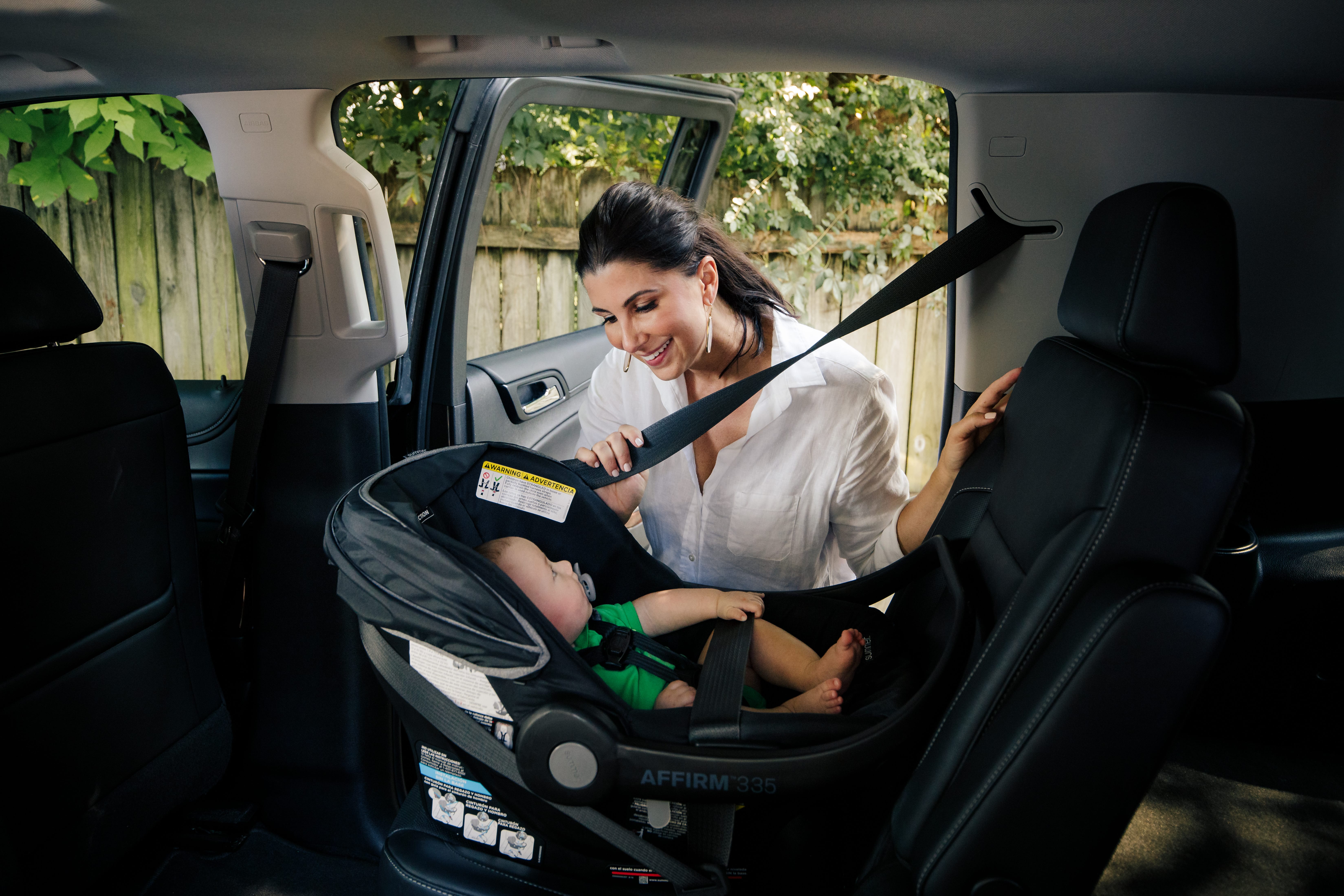
The harness must fit snugly against the child’s body. Loose straps reduce protection in a crash. The chest clip should be at armpit level to keep straps in place. Check that the harness is not twisted or caught on anything. Always tighten the straps until you cannot pinch any slack.
Avoiding Bulky Clothing
Thick coats or bulky clothes create gaps between the child and harness. These gaps can cause injuries during sudden stops. Dress your baby in thin layers and cover them with a blanket after securing the harness. Remove bulky clothing before strapping in to ensure a tight fit.
Regular Seat Inspections
Inspect the car seat regularly for wear and damage. Check the harness, buckles, and shell for cracks or fraying. Make sure the seat is installed tightly with little movement. Follow manufacturer guidelines for expiration dates and recalls. Replace the car seat if you find any defects or after a crash.
Credit: www.safeintheseat.com

Credit: www.thule.com
Frequently Asked Questions
Where Is The Safest Place For A Baby Car Seat?
The safest place for a baby car seat is the rear middle seat. It is farthest from impact zones during collisions. This location reduces injury risk by providing maximum protection from side and front crashes.
Can A Baby Car Seat Be Placed In The Front Seat?
Placing a baby car seat in the front seat is not recommended. Airbags can cause serious injury to infants during deployment. Always install the seat in the rear seats for optimal safety.
How Do I Properly Secure A Baby Car Seat?
Use the vehicle’s seat belt or LATCH system to secure the seat tightly. The car seat should not move more than an inch side-to-side or front-to-back. Follow the manufacturer’s instructions carefully for correct installation.
When Should A Baby Face Forward In Their Car Seat?
Babies should face rearward until at least 2 years old or until they reach the seat’s height and weight limits. Rear-facing seats better protect the head, neck, and spine in a crash.
Conclusion
Placing a baby car seat correctly keeps your child safe on every trip. The back seat, especially the middle, is often the safest spot. Always follow the car seat instructions and your vehicle’s manual. Secure the seat tightly and check it regularly.
Safety matters most, so take time to install the seat right. A well-placed car seat gives you peace of mind while driving. Keep your baby safe by choosing the best spot in your car. Safety first, always.