
Have you ever wondered if your baby’s car seat has an expiration date? It’s a question many parents don’t think about until it’s too late.
You want to keep your little one safe, but how do you know when a car seat is no longer reliable? Using an expired car seat could put your child at risk without you even realizing it. You’ll discover why baby car seats do expire, how to find out if yours is still safe, and what steps you should take next.
Keep reading to make sure your baby stays secure every time you hit the road.
Credit: www.thebump.com
Why Car Seats Have Expiry Dates
Baby car seats aren’t just bulky accessories; they are critical safety devices designed to protect your child in every trip. But have you ever wondered why these seats come with expiration dates? Understanding why car seats expire can help you make smarter decisions for your child’s safety and avoid risks that aren’t always obvious.
Material Wear And Tear
Over time, the materials in a car seat—like plastic, fabric, and foam—break down. Sun exposure, temperature changes, and regular use cause the plastic to become brittle and less effective at absorbing impact. Even if the seat looks fine, these hidden damages can reduce its ability to protect your child during a crash.
Safety Standard Updates
Car seat safety rules change as new research and technology emerge. What was considered safe five years ago might not meet today’s stricter regulations. Expiry dates ensure you upgrade to products that comply with the latest safety standards, giving your child the best possible protection.
Manufacturer Guidelines
Every car seat manufacturer tests their products to determine a safe lifespan. These guidelines are based on extensive crash testing and material durability studies. Ignoring expiration dates means using a seat beyond what the manufacturer guarantees, which could put your child at unnecessary risk.

Credit: www.thecarmomofficial.com
How To Find Expiry Dates On Car Seats
Knowing how to find the expiry date on your baby car seat is crucial for your child’s safety. Expired car seats can lose effectiveness, even if they look fine on the outside. Let’s walk through some simple ways you can check the expiry date to make sure your seat is still reliable.
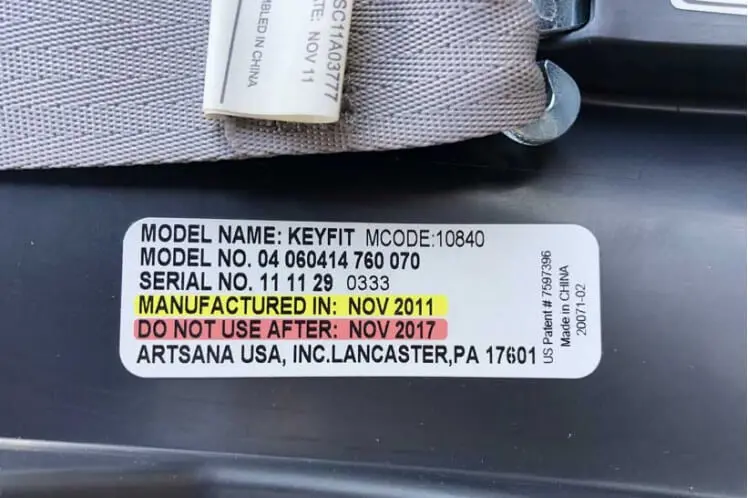
Checking Labels And Stickers
Most baby car seats have a label or sticker with important information, including the expiry date. Look carefully on the back, bottom, or side of the seat for a sticker that shows the manufacture date and the expiration timeline.
The expiry date might be printed as a specific month and year or as a number of years after the manufacture date. If you find a manufacture date like “03/2020” and the seat is good for six years, you can calculate the expiry date yourself.
Consulting The Manual
Your car seat’s manual is a valuable resource for finding expiry details. If you still have the manual, check the sections about safety and maintenance. Manufacturers often list the lifespan of the seat and how to locate the expiration information.
If you’ve misplaced the manual, don’t worry. Many brands offer downloadable versions on their websites, so you can easily find the exact expiry details for your model.
Contacting The Manufacturer
If you’re unsure about the expiry date or can’t find it anywhere, reach out directly to the manufacturer. They can provide precise information based on your car seat’s model number and serial number.
Keep your seat’s details handy when you call or email. This step might seem extra, but it’s worth the effort for peace of mind and your child’s safety.
Risks Of Using Expired Car Seats
Using an expired baby car seat can put your child at serious risk. Car seats have a limited lifespan. Over time, they lose their ability to protect your child properly. Understanding these dangers helps parents make safer choices.
Compromised Safety Features
Safety features in car seats wear out over time. The harness may become less secure. Padding materials can degrade and lose cushioning power. These changes reduce protection during a crash.
Structural Weakness
Plastic and metal parts weaken as they age. Cracks and brittleness may develop unseen. This damage can cause the seat to break under impact. The seat might fail to hold your baby securely.
Outdated Technology
Newer car seats use improved safety designs. Older models miss these advances. Expired seats may lack modern features like better side impact protection. Using old seats means missing out on improved safety standards.
When To Replace Your Baby Car Seat
Knowing when to replace your baby car seat is crucial for your child’s safety. Car seats don’t last forever, and using an expired or damaged seat can put your little one at risk. Here are clear signs to watch out for so you can keep your child secure on every ride.
After A Crash
If your car seat has been involved in any kind of crash, even a minor one, it’s time to replace it. The impact can cause invisible damage that weakens the seat’s structure. Using a compromised seat can fail to protect your child during another accident.
Think about it—would you trust a helmet that has already been hit hard? The same logic applies here. Don’t take chances with your baby’s safety.
Visible Damage
Check your car seat regularly for cracks, frayed straps, or broken buckles. Any visible damage means the seat might not function properly during a crash. Even small tears or worn-out padding can affect the overall protection.
If you spot anything unusual, replace the seat immediately. It’s better to be safe than sorry, especially when your child’s life is at stake.
Exceeding Weight Or Height Limits
Every car seat has specific weight and height limits set by the manufacturer. Once your child grows beyond these limits, the seat won’t provide the right fit or support. This can lead to improper harnessing and increased injury risk.
Pay close attention to the guidelines in your car seat manual. When your child outgrows the seat, switch to the next appropriate model to ensure continued safety.
Tips For Choosing A Safe Car Seat
Baby car seats have expiration dates to ensure safety standards are met. Check the label for the seat’s expiry date before use. Using an expired seat can reduce protection in a crash.
Choosing a safe car seat ensures your child’s safety during travel. The right seat can protect them in case of an accident. Here are essential tips for selecting the best car seat for your child.Certification And Standards
Ensure the car seat meets strict safety standards. Look for labels indicating compliance with national regulations. Certified car seats undergo rigorous testing for safety. This guarantees they offer reliable protection.Proper Fit For Your Child
The car seat must fit your child’s age and size. Check weight and height limits. A good fit ensures better safety in case of a crash. Make sure the harness is adjustable for a snug fit.Ease Of Installation
Choose a car seat that’s easy to install correctly. Incorrect installation can compromise safety. Look for seats with clear instructions and easy-to-use features. Consider models with latch systems for a secure fit in your vehicle.
Credit: www.thecarmomofficial.com
Maintaining Your Baby Car Seat
Maintaining your baby car seat is key to ensuring your child’s safety on every trip. Regular care not only extends the life of the seat but also keeps it functioning as it should. Are you confident your car seat is ready for every ride?
Regular Cleaning
Clean your baby car seat often to remove crumbs, spills, and dirt. Use mild soap and water or a cleaner recommended by the manufacturer. Avoid harsh chemicals that could weaken the fabric or plastic parts.
Remove the cover and straps if possible, and wash them separately. Let everything dry completely before reassembling to prevent mold or mildew. A clean seat is more comfortable and safer for your baby.
Inspecting For Damage
Check your car seat regularly for cracks, broken parts, or frayed straps. Even small damage can affect its ability to protect your child in an accident. Don’t hesitate to replace any parts that look worn or broken.
Ask yourself: Have you noticed any unusual wear or damage since your last inspection? If yes, take action immediately. Safety isn’t worth risking over a minor oversight.
Storing Correctly
When not in use, store your baby car seat in a dry, cool place away from direct sunlight. Extreme heat or cold can weaken plastic components and affect the seat’s performance. Avoid leaving it in the trunk or garage for long periods.
Keep it upright and avoid stacking heavy items on top. Proper storage helps maintain the car seat’s shape and keeps all parts in good condition for the next use.
Frequently Asked Questions
Do Baby Car Seats Have An Expiration Date?
Yes, baby car seats do expire. Most manufacturers set an expiration date between 6 to 10 years from the manufacture date. This ensures safety standards are met, as materials can degrade over time, reducing protection during a crash.
Why Do Baby Car Seats Expire?
Baby car seats expire because materials weaken and safety technology evolves. Over time, plastic parts can degrade and lose strength. Additionally, updated safety regulations mean older seats may not meet current crash standards.
Can Expired Baby Car Seats Still Be Used?
Using expired car seats is not recommended. Expired seats may not provide adequate protection in crashes. For your child’s safety, always replace car seats after their expiration date.
How To Find A Car Seat’s Expiration Date?
Check the label on the car seat, usually on the side or bottom. It lists the manufacture date and the expiration date. If you cannot find it, consult the car seat’s manual or manufacturer’s website.
Conclusion
Baby car seats do expire and for good reasons. Over time, materials weaken, reducing protection in crashes. Always check the expiration date on your seat. Using an expired seat can put your child at risk. Stay safe by replacing seats as recommended.
Remember, safety is key when it comes to baby gear. Keep your child secure with a seat in good condition. Regularly inspect the seat for damage or wear. Trust only seats that meet current safety standards. Your child’s safety depends on a reliable car seat.