

You want to keep your baby safe every time you hit the road. But have you ever wondered how your baby should look when properly seated in a car seat?
It’s not just about buckling them in—there’s a right way to position your little one to ensure maximum safety and comfort. You’ll discover exactly how your baby should be placed in a car seat, the signs to watch for, and simple tips to get it just right.
Keep reading to protect your precious passenger on every trip.
Choosing The Right Car Seat
Choosing the right car seat for your baby is one of the most important decisions you will make as a parent. It’s not just about picking a seat that looks good or fits your car; it’s about ensuring your baby’s safety and comfort every time you hit the road. You want a seat that supports your baby’s growth, fits your lifestyle, and meets the highest safety standards.
Types Of Car Seats For Babies
There are several types of car seats designed specifically for babies. Infant car seats are rear-facing and portable, perfect for newborns and small infants. Convertible car seats can switch from rear-facing to forward-facing, offering longer use as your baby grows.
Which type fits your routine better? If you often take quick trips, an infant seat might be easier. For longer use without changing seats frequently, a convertible option could be smarter and more cost-effective.
Weight And Height Limits
Every car seat has specific weight and height limits to keep your baby safe. These limits indicate when it’s time to switch to a bigger seat or a different type. Always check the manufacturer’s guidelines before buying or upgrading your seat.
Did you know some babies outgrow their infant car seats before their first birthday? Keeping track of these limits helps you avoid pushing your baby into a seat that no longer fits properly, which can be dangerous.
Car Seat Safety Ratings
Safety ratings are your best friend when picking a car seat. Look for seats that have been tested by independent organizations and have high safety scores. These ratings reflect how well the seat protects your baby in crashes and how easy it is to install correctly.
Ask yourself: how confident are you in installing the seat? Some highly rated seats come with user-friendly features like clear instructions and adjustable harnesses that make installation easier and safer.
Proper Car Seat Installation
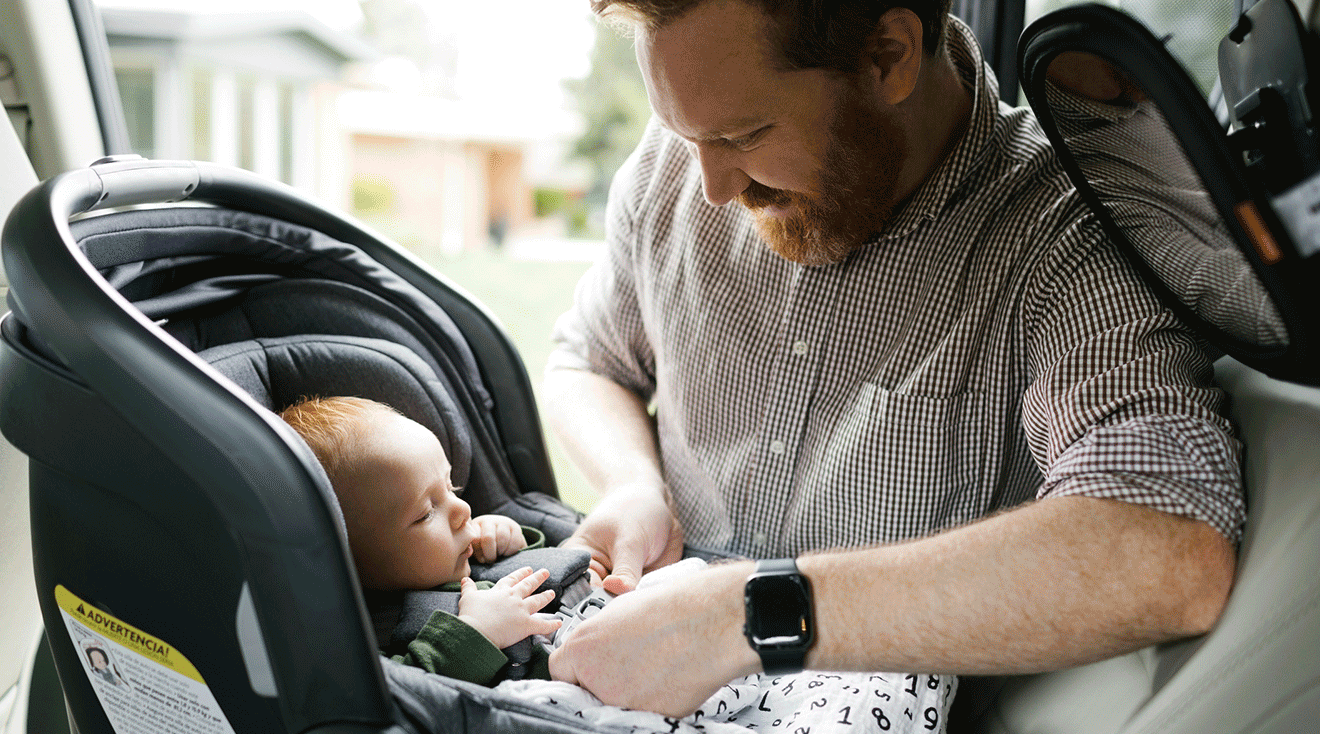
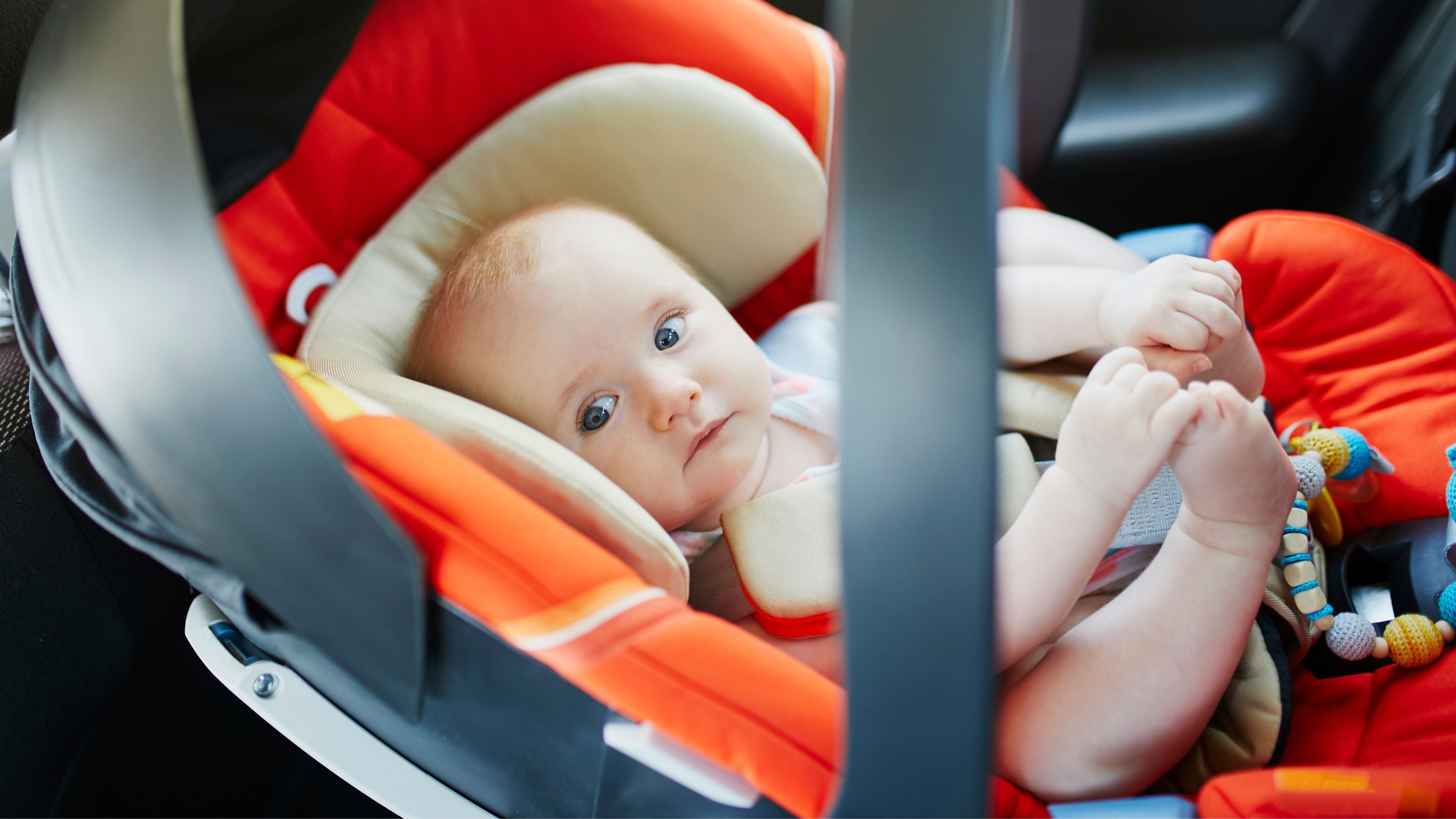
A baby should sit snugly with straps flat and secure across their chest and shoulders. Their head must stay supported without tilting forward. Proper fit keeps the baby safe and comfortable during every ride.
Proper car seat installation is crucial for a baby’s safety during travel. Ensuring the car seat fits correctly can prevent accidents and injuries. Parents must understand how to install a car seat properly. Follow the guidelines to guarantee your baby’s safety on every journey.Using The Latch System
The LATCH system simplifies car seat installation. LATCH stands for Lower Anchors and Tethers for Children. It uses built-in anchors in your car. Attach the car seat’s connectors to these anchors. This ensures a secure fit. Check your car manual for LATCH locations. Not all vehicles have them.Securing With Seat Belts
If LATCH isn’t available, use seat belts. Thread the seat belt through the car seat’s belt path. Ensure the belt is flat and not twisted. Engage the seat belt’s locking mechanism. This will keep the seat stable during sudden stops. Always check the car seat manual for guidance.Checking For Tightness And Movement
After installation, check for tightness. The car seat should not move more than an inch. Push the seat at the base to test. If it moves, tighten the belt or LATCH straps. A tightly secured seat provides better protection. Regularly inspect and adjust as needed.Positioning The Baby Correctly
Positioning a baby correctly in a car seat ensures safety and comfort during every ride. Proper placement helps protect the baby’s delicate body and reduces the risk of injury. Parents must pay close attention to angle, straps, and support to keep their baby secure.
Rear-facing Angle Guidelines
The car seat should recline at a 30 to 45-degree angle. This angle keeps the baby’s airway open and prevents the head from falling forward. Many car seats have built-in angle indicators to help set the correct position. Check the angle each time before every trip.
Strap Placement And Tightness
Straps must be at or below the baby’s shoulders for rear-facing seats. The harness should lie flat without twists. Tighten the straps until you cannot pinch any slack at the shoulder. Proper tightness keeps the baby snug and stops excessive movement.
Head And Neck Support
The baby’s head should rest comfortably without slumping to the side or forward. Use the car seat’s built-in headrest or add approved inserts if needed. Support protects the neck and helps maintain a clear airway. Avoid bulky clothes that can push the baby out of position.
Credit: www.thebump.com
Clothing And Accessories To Avoid
Choosing the right clothing and accessories for your baby in a car seat matters a lot. Some items can affect safety and comfort during travel. Avoiding bulky clothes, certain blankets, and aftermarket products helps keep your baby secure. Here is what to watch out for.
Bulky Clothing Risks
Thick jackets and puffy snowsuits can cause safety issues. These clothes create extra space between the baby and harness straps. In a crash, the straps might not hold the baby tightly. This increases the risk of injury. Use thin layers and cover the baby with blankets after buckling in. Always check that the harness fits snugly against your baby’s body.
Blankets And Covers
Blankets are great for warmth but should never go under the harness straps. Place blankets over the buckled straps instead. Avoid heavy or thick covers that can interfere with the harness fit. Some covers change the angle of the car seat and reduce protection. Use only blankets designed for car seat use or approved by safety experts.
Aftermarket Products
Products like strap pads, head supports, and seat liners may seem helpful. Many are not tested with car seats and can affect safety. These items might block the harness or change how the seat fits. Always use accessories that come with the car seat or are approved by the manufacturer. Avoid homemade or uncertified add-ons to keep your baby safe.
Common Mistakes To Avoid
Ensuring your baby is safe in a car seat means avoiding common mistakes. These errors can reduce the seat’s protection. Parents often miss small but important details. Fixing these mistakes keeps your baby secure and comfortable.
Loose Straps
Straps that are too loose allow your baby to move too much. This can cause injury during sudden stops. Tighten the straps so you cannot pinch any slack. The straps should lie flat against your baby’s body.
Incorrect Harness Height
The harness must be at the right level for your baby’s size. For rear-facing seats, straps should be at or just below the shoulders. For forward-facing seats, they should be at or just above the shoulders. Wrong height can reduce safety in a crash.
Using Expired Car Seats
Car seats have expiration dates because materials wear out. Using an expired seat can be dangerous. Check the seat’s label for the expiration date. Replace the seat if it is past this date to ensure maximum protection.
.jpg)
Credit: www.thule.com
Regular Car Seat Maintenance
Regular car seat maintenance keeps your baby safe and comfortable. A well-maintained car seat works properly during every trip. It prevents unexpected failures and extends the seat’s life.
Maintaining the car seat involves cleaning, checking for damage, and knowing when to replace it. These simple steps help ensure the seat remains secure and reliable.
Cleaning Guidelines
Keep the car seat clean to avoid stains and odors. Remove the cover carefully and wash it as the manual says. Use mild soap and warm water for spot cleaning. Avoid harsh chemicals that can weaken fabrics or straps. Let the cover dry fully before putting it back. Wipe plastic and metal parts with a damp cloth regularly. Clean buckles to prevent dirt buildup that may block locking.
Inspecting For Damage
Check the car seat often for cracks or broken parts. Look at the harness straps for fraying or cuts. Ensure buckles click and release smoothly. Examine the shell for dents or missing pieces. Loose parts can make the seat unsafe. Make sure the installation system is intact and works correctly. Inspect all components after every long trip or rough handling.
Replacing After Accidents
Replace the car seat after any car crash, even minor ones. Impact can cause invisible damage that weakens the seat’s safety. Using a damaged seat increases injury risk in another crash. Follow the manufacturer’s guidelines on when to replace the seat. Do not try to repair cracked or broken parts yourself. Always use a new or certified replacement seat after accidents.
Credit: www.todaysparent.com
Frequently Asked Questions
How Should A Baby’s Head Be Positioned In A Car Seat?
A baby’s head should rest naturally without slumping forward. Proper support prevents airway blockage and ensures safety during travel.
What Is The Correct Harness Fit For A Baby In A Car Seat?
Harness straps should lie flat and snug against the baby’s chest. You should not be able to pinch excess strap material.
How Can You Tell If The Car Seat Recline Is Correct?
The car seat should recline enough to keep the baby’s airway open. Most seats have indicators to guide the proper angle.
Where Should The Chest Clip Be Placed On A Baby?
The chest clip must be at armpit level. This position secures the harness and protects the baby in case of impact.
Conclusion
A baby should sit safely and comfortably in a car seat. The harness must fit snugly without pinching the skin. The straps should lie flat and not twist. The baby’s head should rest without falling forward. Always follow the car seat’s instructions carefully.
Proper positioning helps keep your baby safe on every trip. Check the seat often as your baby grows. Safety first, peace of mind always.