

Are you wondering when your child can safely stop using a car seat? It’s a question many parents ask as their little ones grow up.
You want to keep your child safe without feeling unsure about the rules or risking a fine. Knowing the right age and what the law says can make all the difference. Keep reading to find out exactly when your kid can ride without a car seat—and how to make sure they stay protected every step of the way.
Car Seat Laws By Age
Car seat laws by age vary across regions but follow general safety guidelines. These laws ensure children travel securely at every growth stage. Understanding these rules helps parents protect their kids effectively. Age and size influence the type of restraint children must use. Below is a clear breakdown of typical car seat requirements by age.
Infant And Toddler Requirements
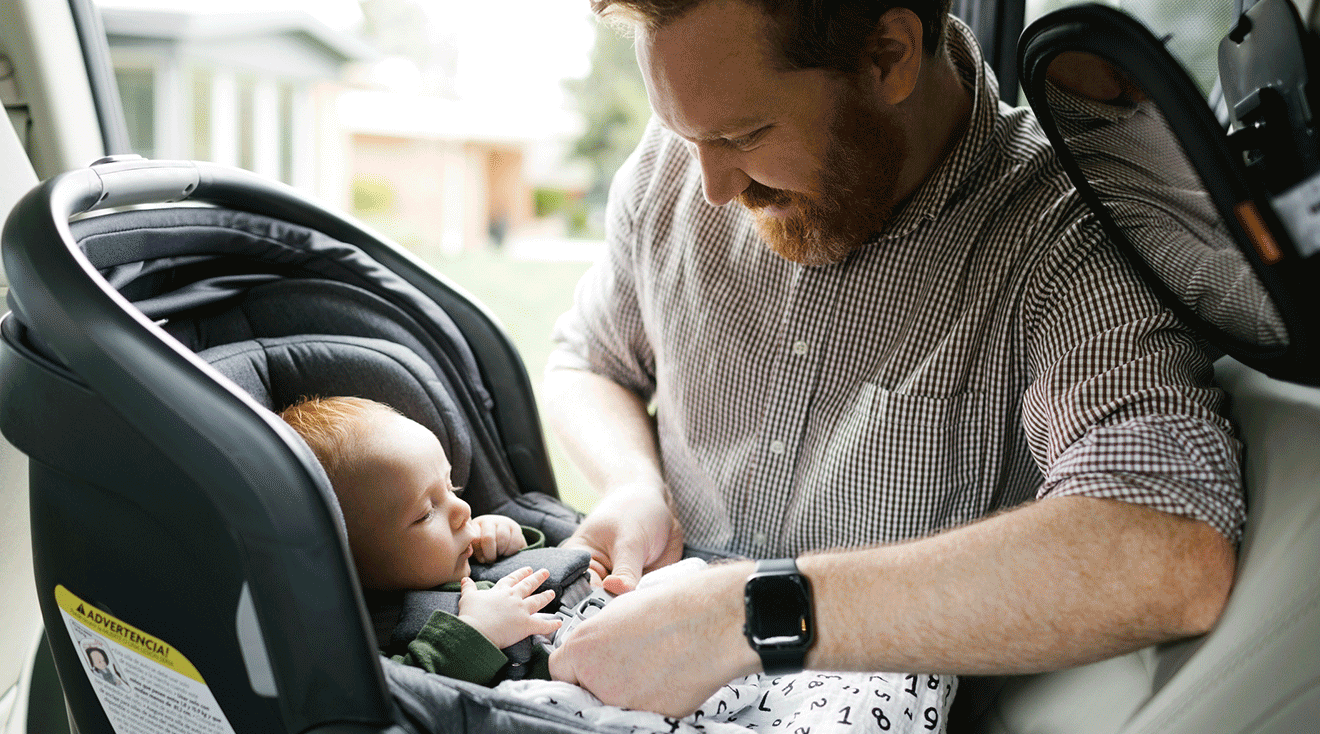
Infants must ride in rear-facing car seats. This position supports their neck and spine during sudden stops. Toddlers continue using rear-facing seats until they reach weight or height limits. Afterward, they switch to forward-facing car seats with harnesses. Laws often require children under two years old to remain rear-facing. Always check specific state or country rules for exact limits.
Transitioning To Booster Seats
Booster seats come next after forward-facing car seats. Kids usually switch between ages four and eight, based on size. Booster seats position the seat belt correctly over a child’s body. This prevents injury from improper belt fit. Some laws set minimum height and weight for booster use. The child must fit safely in the booster before moving on.
When Seat Belts Become Suitable
Seat belts alone become suitable once children outgrow boosters. This usually happens between ages eight and twelve. The lap belt should lie flat across the upper thighs. The shoulder belt must cross the chest and shoulder, not the neck or face. Kids must sit properly without slouching for seat belts to work well. Many laws recommend using boosters until children reach 4’9” tall.
Credit: www.thebump.com
Factors Influencing Car Seat Use
Deciding when your child no longer needs a car seat isn’t just about age. Several important factors affect this decision, and understanding them can help keep your child safe while ensuring you follow the law. Let’s break down the key elements that influence car seat use so you can make an informed choice for your family.
Child’s Height And Weight
Your child’s height and weight are critical in determining when to transition out of a car seat. Most car seats have specific limits—once your child exceeds these, it’s time to consider the next stage, like a booster seat or seat belt.
For example, many forward-facing car seats support children up to 65 pounds, but some high-back boosters require a minimum height of 4 feet 9 inches before switching to a regular seat belt. Have you measured your child recently? Don’t rely solely on age; physical growth is the real guide.
State-specific Regulations
Car seat laws vary widely depending on where you live. Some states mandate car seat use until age 8 or until your child reaches a certain height or weight.
Checking your state’s current regulations can save you from fines and ensure your child’s safety. Do you know the exact law in your area? Visiting your state’s Department of Transportation website can provide clear, up-to-date information.
Vehicle Type And Seat Design
The type of vehicle and the design of its seats can also affect car seat use. Some cars have built-in boosters or seats that work better with certain car seats, while others may require additional accessories for proper installation.
If you switch cars frequently or drive a vehicle with unique seat designs, test how well the car seat fits each time. Are you confident your child’s seat is installed correctly in every car you use? Proper installation is just as important as meeting height and weight requirements.
Booster Seat Benefits
Booster seats play a crucial role in keeping your child safe once they outgrow their forward-facing car seat. They help position the vehicle’s seat belt correctly, which is essential for effective protection during a crash. Beyond safety, booster seats also improve your child’s comfort, making every ride smoother and less stressful for both of you.
Proper Seat Belt Positioning
Booster seats raise your child so the seat belt fits properly across their body. Without a booster, the seat belt might rest on the neck or stomach, areas vulnerable to injury. Have you noticed your child constantly adjusting the belt? A booster keeps the lap belt low on the hips and the shoulder belt across the chest, reducing the risk of serious harm.
Reducing Injury Risks
Studies show that children using booster seats are less likely to suffer injuries in car accidents. The correct belt fit prevents dangerous pressure on soft tissues and vital organs. If you’ve ever worried about your child’s safety in the car, a booster seat offers peace of mind by significantly lowering the chance of injury.
Comfort And Fit Considerations
Comfort matters on long trips, and boosters help your child sit properly without slouching. A well-fitted booster keeps the seat belt from digging into the neck or shoulder, which can cause discomfort and distraction. Think about your own discomfort with a poorly fitting belt—your child deserves better during every ride.

Credit: www.cpsboard.org
Common Mistakes To Avoid
Choosing the right time to remove a car seat can be tricky. Many parents make mistakes that could compromise safety. Understanding these common errors can help keep your child safe.
Removing Car Seats Too Early
Some parents remove car seats before their child is ready. This mistake can lead to serious injuries in case of an accident. Always follow guidelines about height and weight. Ensure your child meets these requirements before transitioning.
Incorrect Harness Use
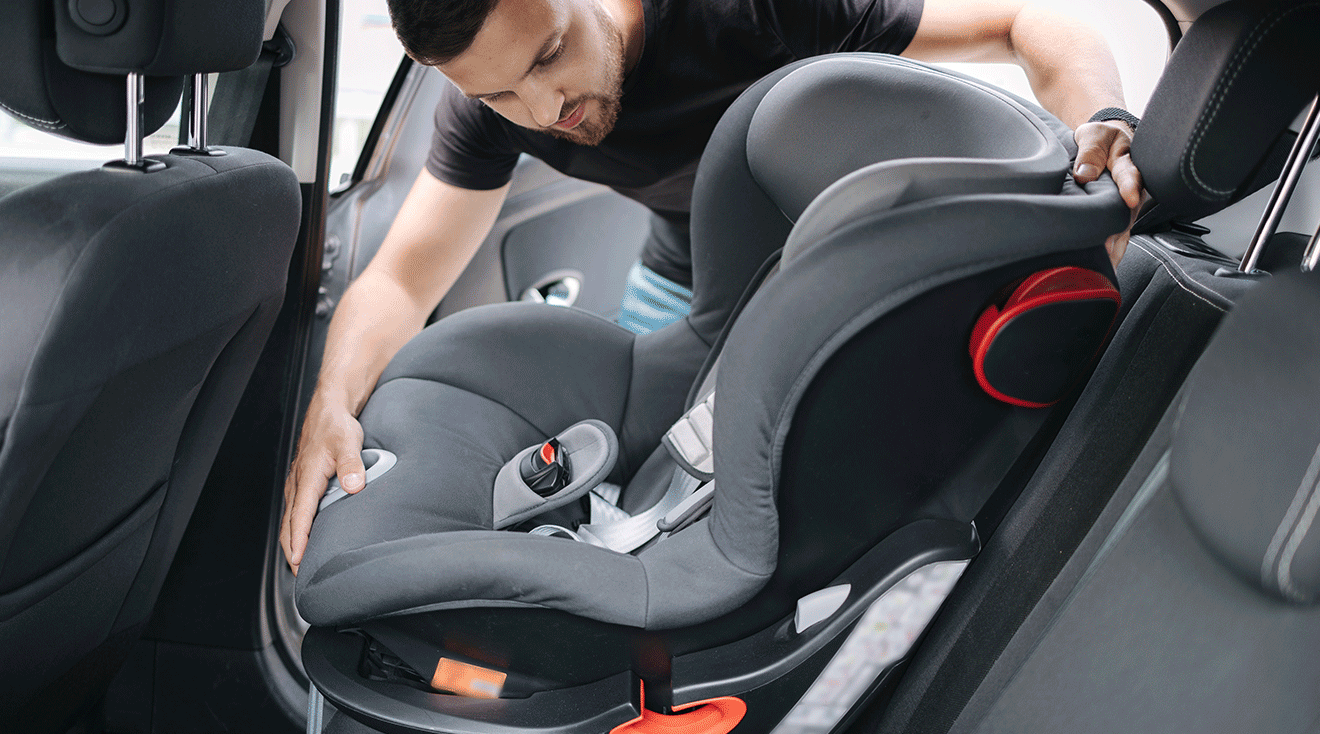
Using the harness incorrectly is another frequent error. A loose harness won’t protect your child properly. Make sure the harness is snug. It should lie flat without any twists. Properly positioned harnesses enhance safety during travel.
Ignoring Manufacturer Guidelines
Each car seat comes with specific instructions. Ignoring these can put your child at risk. Always read the manual that comes with your car seat. Follow all recommendations for installation and use. This ensures maximum protection for your little one.
Tips For Safe Transition
Transitioning your child out of a car seat is a big step that requires careful attention. Ensuring your child’s safety during this change means understanding their individual needs and readiness. Here are some practical tips to help you manage this transition smoothly and safely.
Gradual Seat Changes
Switching your child from a car seat to a booster seat or regular seat belt should never be rushed. Start by using a booster seat once your child outgrows the car seat, allowing them to get used to the new setup gradually.
Observe how comfortable and secure they feel before moving on to the next stage. This gradual change helps prevent resistance and ensures they are ready for each step.
Monitoring Child’s Growth
Your child’s height and weight are key factors in deciding when to stop using a car seat. Keep track of their measurements regularly and compare them with safety guidelines to know the right time for change.
Remember, many kids need to be at least 4 feet 9 inches tall to use a seat belt alone safely. Don’t rely on age alone—growth varies, and safety depends on fit.
Consulting Safety Experts
Talk to pediatricians or certified child passenger safety technicians if you feel unsure about your child’s readiness. These experts can provide personalized advice tailored to your child’s size and behavior.
They might also offer tips on proper seat installation and belt positioning that you won’t find in a manual. Could a quick consultation change how you approach your child’s car safety?
Resources For Parents
Finding the right resources can make a huge difference when deciding the age at which your child no longer needs a car seat. You want to be confident in your choices, ensuring safety without confusion. These tools and services offer clear guidance tailored to your needs as a parent.
Safety Checklists
Using a safety checklist helps you keep track of important milestones and legal requirements. These lists often include height and weight limits, developmental signs, and state-specific laws. Checking off each point can give you peace of mind that your child is ready to transition safely.
Have you ever felt unsure if your child met all the safety criteria? A checklist removes guesswork and highlights what matters most.
Local Inspection Stations
Many communities offer car seat inspection stations staffed by certified technicians. These experts can inspect your child’s car seat setup, offer personalized advice, and demonstrate proper installation. Visiting a station can reveal small but crucial errors that might otherwise go unnoticed.
Imagine how reassuring it is to have a professional double-check your work and answer your questions on the spot.
Online Tools And Guides
There are plenty of online resources designed to help parents navigate car seat laws and safety tips. Interactive tools let you input your child’s age, weight, and height to get customized recommendations. Video tutorials and downloadable guides also provide visual support for proper seat adjustments.
Have you tried an online tool that simplified the car seat decision for you? These resources can save time and reduce stress by giving clear next steps.
Credit: www.thebump.com
Frequently Asked Questions
At What Age Can Kids Stop Using A Car Seat?
Kids can usually stop using a car seat between 8 to 12 years old. This depends on their height and weight. Most laws require children to use booster seats until they are 4 feet 9 inches tall.
Why Is Height Important For Car Seat Use?
Height ensures the seat belt fits properly across the child’s shoulder and lap. Proper fit reduces injury risk during accidents. Children under 4 feet 9 inches usually need booster seats for safety.
Are There Legal Age Limits For Car Seat Use?
Yes, laws vary by state or country but generally require car seats until age 8 to 12. Always check local regulations to ensure compliance and child safety while traveling.
Can A Child Use A Seatbelt Without A Booster?
Children should use a booster seat until the seatbelt fits snugly. The seatbelt must lie across the upper thighs and shoulder, not the neck or stomach. Proper fit is essential for safety.
Conclusion
Kids need car seats until they reach the right age and size. Laws vary by state or country, so check local rules. Safety is the main reason to keep using car seats. Kids grow fast, so watch their height and weight closely.
When they outgrow the car seat, a seat belt must fit well. Always choose the safest option for your child’s travel. Keeping children secure in vehicles helps prevent injuries. Remember, car seats save lives and protect kids every trip.