

You want the best for your baby, especially when it comes to their safety in the car. One question many parents ask is, “When can my baby face forward in their car seat?”
Knowing the right time to make this change can protect your child and give you peace of mind on every trip. You’ll discover clear, easy-to-follow guidelines that help you make the safest choice for your little one. Keep reading to find out exactly when and how to switch your baby’s car seat to face forward without risking their safety.
Rear-facing Car Seat Benefits
Choosing when to turn your baby’s car seat forward is a decision that impacts their safety every time you hit the road. Keeping your child in a rear-facing car seat for as long as possible offers key benefits that protect their delicate bodies during travel. Understanding these benefits can help you feel confident about the best timing for making the switch.
Protection During Sudden Stops
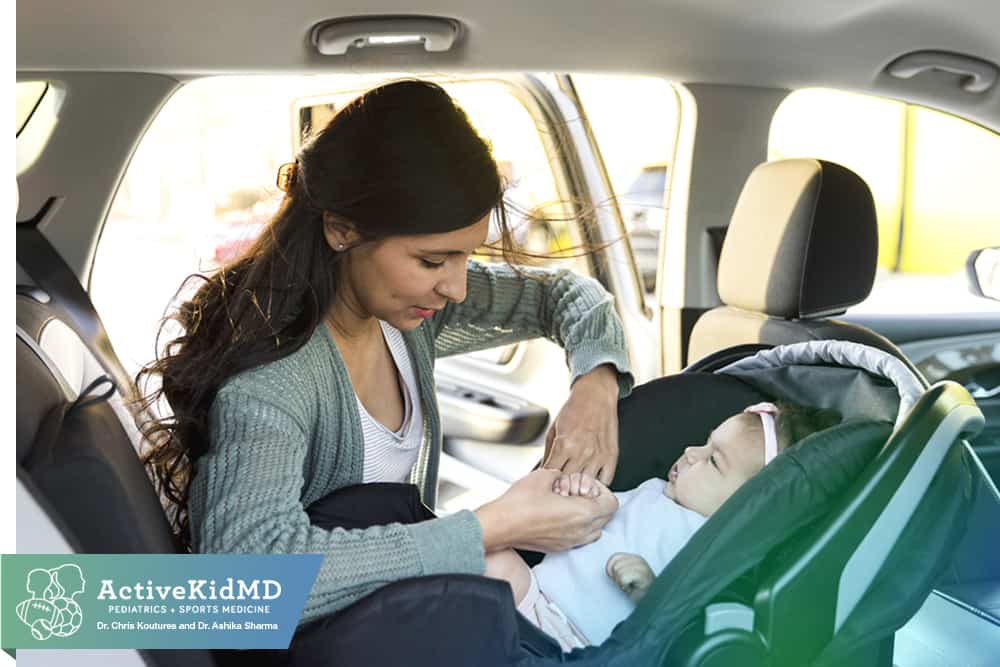
Rear-facing car seats provide superior protection during sudden stops or collisions. When your baby faces the rear, the seat absorbs most of the impact, reducing the force on their head, neck, and spine.
Babies have relatively large heads compared to their bodies, making them more vulnerable in crashes. Rear-facing seats distribute crash forces across the entire back, which helps prevent serious injuries.
Have you noticed how quickly a baby’s head can jerk forward during a stop? Rear-facing seats minimize this motion, giving you peace of mind on every trip.
Support For Developing Neck And Spine
Your baby’s neck and spine are still developing and very fragile. Rear-facing seats provide critical support to these areas by cradling the head, neck, and spine in a natural position.
Forward-facing seats can put strain on these developing parts by allowing the head to move forward more freely in a crash. Keeping your child rear-facing helps maintain proper alignment and reduces injury risk.
Think about how a rear-facing seat supports your baby’s head like a gentle hug. This support is crucial during those early months when their muscles and bones are still growing strong.
Credit: activekidmd.com
Recommended Age And Weight Limits
Knowing the right time to turn your baby’s car seat forward is very important for safety. The recommended age and weight limits help parents decide when to make the switch. Following these guidelines keeps your child safe during every trip.
Minimum Age For Forward-facing
Experts suggest keeping your baby rear-facing until at least 2 years old. Rear-facing seats protect the head and neck better in crashes. Some children may stay rear-facing longer, depending on the car seat model. Always check the car seat’s manual for specific age recommendations.
Weight And Height Guidelines
Weight and height limits differ between car seat brands and models. Most convertible seats allow forward-facing after your child weighs 20 to 25 pounds. Height limits vary but often range from 30 to 35 inches.
Here is a general guide for weight and height limits:
| Seat Position | Weight Range | Height Range |
|---|---|---|
| Rear-Facing | 5 to 40 pounds | Up to 40 inches |
| Forward-Facing | 20 to 65 pounds | 30 to 52 inches |
Always use the car seat’s label for exact limits. Do not move your child forward-facing too early.
Signs Your Baby Is Ready
Recognizing the signs that your baby is ready to face forward in their car seat is crucial for their safety and comfort. Every child grows at their own pace, so watching for specific physical milestones helps you make the right choice. Let’s explore the key indicators that show your little one might be ready to make the switch.
Head And Neck Control
Strong head and neck control is essential before turning your baby forward. If your baby can hold their head steady without wobbling when you support their body, that’s a good sign. Try gently letting go for a moment—can they maintain their head position? If yes, they’re gaining the strength needed to handle forward-facing support safely.
I remember when my baby started holding her head up steadily during tummy time. That moment gave me confidence she could handle facing forward soon. Have you noticed your baby’s head control improving during daily play?
Sitting Stability
Another important sign is your baby’s ability to sit up with minimal support. When your baby can sit independently or with only a slight assist, it shows their muscles have developed enough for the forward-facing seat position. This stability helps them stay safe and comfortable during the ride.
You might observe your baby sitting upright for short periods while playing or eating. This small but important skill signals readiness. Are you seeing your baby sit well without tipping over easily?
Choosing The Right Forward-facing Seat
Choosing the right forward-facing car seat is a crucial step in keeping your baby safe and comfortable as they grow. You want a seat that fits your child’s size, meets safety standards, and offers easy adjustments to grow with them. The right choice gives you peace of mind every time you buckle up.
Safety Ratings To Consider
Look for car seats with high safety ratings from trusted organizations like the National Highway Traffic Safety Administration (NHTSA) or the Insurance Institute for Highway Safety (IIHS). These ratings reflect crash test results and real-world performance, helping you compare different models quickly.
Check for features like side-impact protection and energy-absorbing foam, which add layers of defense during a collision. Don’t just rely on brand reputation—dig into recent safety reports and recalls to make an informed decision.
Harness Types And Adjustments
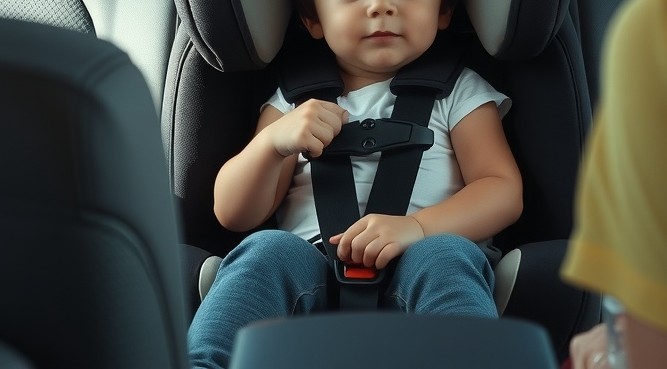
The harness system is the heart of your forward-facing seat’s safety. Look for a 5-point harness, which secures your child at the shoulders, hips, and between the legs. This setup distributes crash forces better than simpler straps.
Adjustability matters a lot. Choose a seat with harness height and tightness adjustments that are easy to use without rethreading. This way, you can quickly tighten or loosen the harness as your baby grows, ensuring a snug fit every time.
Have you noticed how some seats let you adjust the harness with a simple pull, while others require a lot of effort? Picking the right one saves you time and frustration during those busy mornings.
Proper Installation Tips
Babies should remain rear-facing until they reach the car seat’s weight or height limit. Check the car seat manual for specific guidelines. Always ensure the harness fits snugly before turning your baby forward.
Proper installation of a car seat ensures your baby’s safety. It’s crucial to follow guidelines for a secure fit. This section covers essential tips for installing your baby’s car seat.Using Latch Vs Seat Belt
Choose between LATCH and seat belt systems. LATCH stands for Lower Anchors and Tethers for Children. It simplifies the car seat installation process. Check your car’s manual for LATCH availability. Not all vehicles support LATCH. If unavailable, use the seat belt. Both methods offer safe installation.Ensuring Tight Fit And Angle
A tight fit prevents car seat movement. Use your body weight to press the seat down. Tighten the straps or belt until snug. The car seat should not move more than an inch. Check the seat angle for your baby’s comfort. Newborns need a semi-reclined position. Older babies can sit more upright. Adjust the angle as your baby grows. Always refer to the car seat manual for guidance.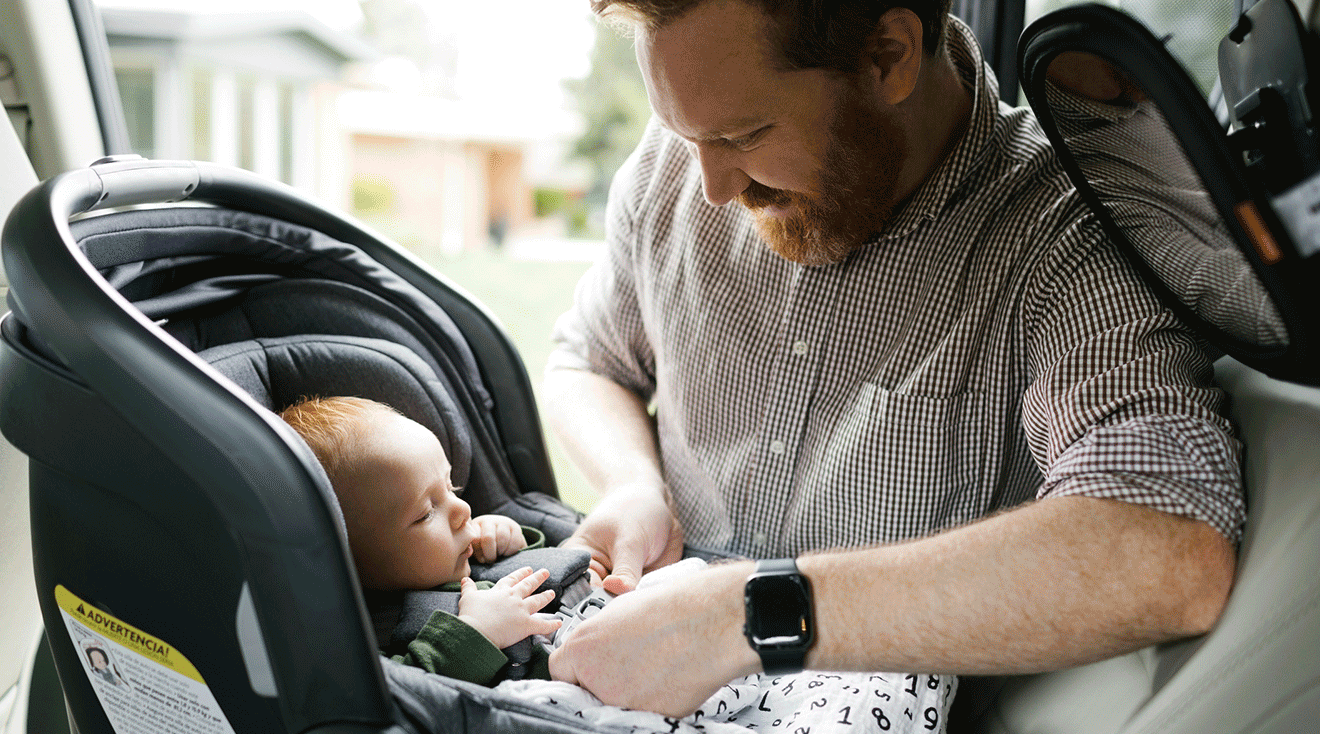
Credit: www.thebump.com
Common Mistakes To Avoid
Choosing the right time to turn your baby’s car seat forward is critical. Many parents make mistakes that can put their child at risk. Knowing these common errors helps keep your baby safe and comfortable during every ride.
Car seat safety rules exist for a reason. Following them carefully prevents injuries and ensures your baby gets the best protection. Avoiding these mistakes will give you peace of mind on the road.
Premature Transition To Forward-facing
Switching your baby to forward-facing too early is a common error. Experts recommend keeping babies rear-facing until at least 2 years old. Rear-facing seats protect the head, neck, and spine better in crashes.
Moving forward-facing before your baby meets height and weight limits reduces safety. Always check your car seat’s manual for exact guidelines. Remember, growing too fast does not mean ready for forward-facing.
Incorrect Harness Positioning
Improper harness setup can harm your baby in an accident. The harness should sit at or below your baby’s shoulders when rear-facing. When forward-facing, it must be at or above the shoulders.
Loose straps or twisted harnesses reduce protection. Make sure the harness fits snugly without gaps. Incorrect positioning lets your baby move too much, increasing injury risk. Adjust straps every time your baby rides.
Legal Requirements And Recommendations
Babies should face forward in a car seat only after reaching the right age, weight, and height. Laws vary by location, so check local rules before switching. Experts recommend keeping babies rear-facing as long as possible for better safety.
Navigating the world of car seat safety can be daunting for new parents. One of the most pressing questions you might have is: When is it safe for my baby to face forward in a car seat? This decision is not only about convenience but also about adhering to legal requirements and recommendations designed to keep your child safe.State Laws On Car Seat Orientation
State laws vary significantly when it comes to car seat orientation. In most states, the law mandates that children must remain in a rear-facing car seat until they are at least two years old. However, some states require this until the child reaches a certain weight or height. These laws reflect a growing awareness of the safety benefits of keeping children rear-facing for as long as possible. As a parent, it’s vital to know your state’s specific regulations to ensure you’re both compliant and safeguarding your child effectively.Guidelines From Safety Organizations
Safety organizations like the American Academy of Pediatrics (AAP) and the National Highway Traffic Safety Administration (NHTSA) offer clear guidelines on car seat orientation. They recommend keeping your child in a rear-facing seat until they reach the maximum height or weight limit allowed by the seat’s manufacturer. This might mean keeping your toddler rear-facing beyond their second birthday. It’s a decision that can significantly enhance safety in the event of a collision. Have you ever noticed how toddlers seem so much more comfortable when they can kick their feet against the seat back? This position not only provides them with added protection but also allows for a more ergonomic seating posture. Ultimately, being informed and proactive about these guidelines can make a world of difference in ensuring your child’s safety on the road. Are you ready to make the best choice for your little one’s travel safety?Additional Safety Measures
Ensuring your baby’s safety goes beyond just facing the car seat forward. Extra safety steps help protect your child during every trip. These measures support the correct use of the car seat and keep it secure.
Using Tether Straps
Tether straps add extra stability to forward-facing car seats. They attach the top of the seat to the vehicle’s anchor points. This reduces seat movement in a crash. Always check your car and seat manual for tether locations. Secure the strap tightly for best protection. Proper use can lower the risk of injury during sudden stops.
Regular Seat Maintenance
Keep the car seat clean and in good shape. Dirt and debris can affect the harness and buckles. Inspect straps for wear or fraying regularly. Make sure all parts work smoothly. Replace any damaged pieces immediately. Check expiration dates too; car seats have a lifespan. Well-maintained seats provide better protection and last longer.
Credit: www.sweeneymerrigan.com
Frequently Asked Questions
When Is It Safe For My Baby To Face Forward?
Babies can safely face forward after reaching the car seat’s height and weight limits for rear-facing. This is usually after 2 years old. Always check your car seat manual for specific guidelines to ensure your baby’s safety during travel.
What Are The Risks Of Early Forward-facing?
Facing forward too early increases the risk of injury in crashes. Rear-facing seats better support your baby’s head, neck, and spine. Experts recommend keeping babies rear-facing as long as possible within car seat limits for maximum protection.
How Do I Know If My Car Seat Supports Forward-facing?
Check your car seat manual to confirm if it allows forward-facing. Some seats have specific weight and height requirements. Following manufacturer instructions ensures proper installation and safety when switching to forward-facing.
Can Premature Babies Face Forward Earlier?
Premature babies should follow the same guidelines as full-term babies. They must meet the car seat’s rear-facing limits before facing forward. Always consult your pediatrician and car seat instructions for personalized advice.
Conclusion
Keeping your baby safe in the car is very important. Babies should ride rear-facing until they reach the right weight and height. This usually means waiting until at least 2 years old. Turning the seat forward too early can increase injury risk.
Always check your car seat manual for specific rules. Regularly ensure the seat fits your child properly. Safety comes first on every trip. Patience helps keep your little one protected and secure. Safe rides mean happy families.