
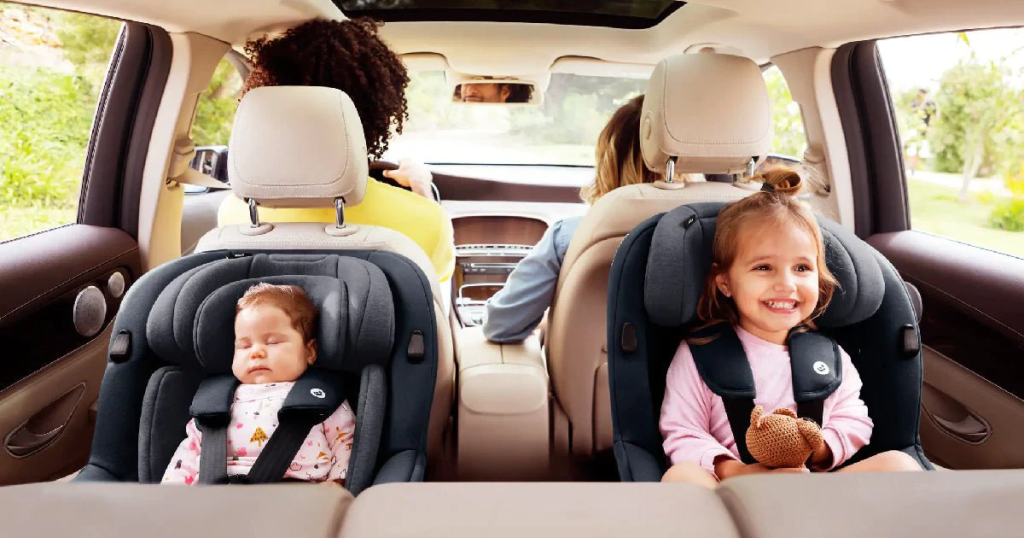
You want to keep your baby safe every time you hit the road. But when is the right time to switch your little one to a forward-facing car seat?
Making this decision can feel confusing and even stressful. The good news is, knowing the right moment can protect your child and give you peace of mind. You’ll discover clear, easy-to-follow guidelines to help you make the best choice for your baby’s safety.
Keep reading—you’ll learn exactly when and why to make the switch, so your child stays secure on every trip.

Credit: orbitbaby.com
Recommended Age And Weight
Understanding the recommended age and weight for turning your baby forward facing in a car seat is key to keeping them safe on the road. This decision isn’t just about hitting a certain birthday or number on the scale—it’s about matching your child’s development and car seat specifications. Let’s break down the guidelines so you can make an informed choice that works for your little one.
Minimum Age Guidelines
Most safety experts and organizations suggest that babies stay rear-facing until at least 2 years old. This age recommendation isn’t arbitrary; it’s based on how a child’s neck and spine develop. Rear-facing seats better protect these vulnerable areas in a crash.
Have you noticed how your baby’s head still seems quite large compared to their body? This disproportion is why the rear-facing position is safer during those early years. Even if your toddler seems eager to face forward, waiting until they reach the minimum age is a safer bet.
Weight And Height Limits
Beyond age, the weight and height limits set by your car seat manufacturer are crucial. Most convertible car seats allow children to face forward once they exceed about 20-22 pounds and are tall enough to fit comfortably. However, many experts recommend keeping your child rear-facing as long as possible within those limits.
| Car Seat Type | Typical Forward-Facing Weight Limit | Typical Forward-Facing Height Limit |
|---|---|---|
| Convertible Car Seat | 20-65 pounds | Up to 49 inches |
| Combination Seat | Up to 65 pounds | Up to 49 inches |
Check your car seat’s manual carefully. Some seats have higher weight or height limits that allow your child to stay rear-facing longer, which can provide extra protection. Are you aware of your car seat’s specific limits, or have you relied on general advice?
Benefits Of Rear-facing Seats
Choosing when to turn your baby forward-facing in their car seat is a decision that impacts their safety significantly. Rear-facing seats offer key benefits that protect your little one during every trip. Understanding these advantages helps you make informed choices that prioritize your child’s well-being.
Enhanced Protection
Rear-facing seats support your baby’s head, neck, and spine much better than forward-facing seats. Since a baby’s bones are still soft and developing, this support is crucial. By facing the back of the car, the seat absorbs more crash force, reducing the chance of serious injuries.
Think about how fragile your baby’s neck feels when they fall asleep in your arms. Rear-facing seats provide similar gentle support during sudden stops or impacts. Have you noticed how much safer your child seems when snug in their rear-facing seat?
Crash Impact Reduction
In a crash, the rear-facing seat helps spread the force across the entire back of your child’s body. This reduces the strain on any one part, especially the head and neck, which are most vulnerable in young children. Studies show that children in rear-facing seats are up to 75% less likely to suffer serious injury.
This design slows down your child’s forward motion, giving their body more time to absorb the impact. Can you imagine how much safer your baby is when the car seat cushions these forces instead of leaving them to bear the full impact?
Signs Baby Is Ready To Face Forward
Knowing when your baby is ready to face forward in a car seat is crucial for safety. It involves watching for clear signs that your child can handle the change comfortably. These signs come in two main forms: physical indicators and behavioral cues.
Physical Indicators
- Your baby can sit up well without support.
- They have good head and neck control.
- Baby’s weight meets the car seat’s forward-facing limit.
- They can hold their head steady during movement.
Behavioral Cues
- Baby shows interest in looking around during rides.
- They resist riding rear-facing, fussing or crying more.
- Baby seems comfortable sitting upright for longer periods.
- They can stay calm and alert in a forward position.
Choosing The Right Forward-facing Seat
Choosing the right forward-facing car seat is important for your child’s safety and comfort. Not all seats fit every child or car. Understanding the options helps you pick the best one. This guide explains the types of seats and key safety features.
Types Of Car Seats
Forward-facing seats come in different styles. Each suits different ages and weights.
- Convertible seats:Start rear-facing, then switch to forward-facing.
- Combination seats:Use a harness first, then convert to a booster.
- All-in-one seats:Work from infancy through booster stage.
Choose a seat that fits your child’s size and your car’s space.
Safety Features To Look For
Safety is the top priority for any car seat. Check these features before buying.
- 5-point harness:Secures shoulders, hips, and between legs.
- Side-impact protection:Shields your child from side collisions.
- Energy-absorbing foam:Reduces crash force on impact.
- Adjustable headrest:Grows with your child for better fit.
- Easy installation:Clear instructions and secure attachments.
Choose seats tested and approved by safety organizations.
Proper Installation Tips
Babies should remain rear-facing until they reach the car seat’s height or weight limit. Forward-facing is safe only after this point. Always check your car seat manual for specific guidelines.
Proper installation of your baby’s forward-facing car seat is crucial for their safety. It’s not just about securing the seat in your vehicle; it’s about ensuring every element is adjusted for maximum protection. This might sound overwhelming, but breaking it down into simple steps can make a world of difference. Let’s look at how you can achieve this effectively.Securing The Seat Correctly
Securing the seat correctly is the first step in ensuring your child’s safety. Always use the car’s seat belt or LATCH system, depending on your vehicle’s compatibility. Check your car’s manual and the car seat instructions to understand the best option for your vehicle. Once you’ve chosen the method, make sure the seat doesn’t move more than an inch side-to-side or front-to-back. A snug fit is essential.Harness Adjustment
Adjusting the harness properly is crucial for your child’s comfort and safety. Ensure the harness straps are at or above your child’s shoulders, and the chest clip is at armpit level. The harness should be tight enough that you cannot pinch any excess material at the shoulder. Have you ever had to stop suddenly, only to feel your heart race as you worry about your child’s safety? A properly adjusted harness can bring peace of mind. Remember, regularly check the harness for wear and tear. Keeping it in good condition ensures ongoing safety for your little one. These steps might seem small but have a significant impact. Implementing them can make every car ride smoother and safer for your baby..jpg)
Credit: www.thule.com
Common Mistakes To Avoid
Parents often make mistakes when deciding the right time to switch baby to a forward-facing car seat. These errors can reduce safety and cause discomfort. Knowing what to avoid helps protect your child during car rides. Here are some common mistakes that can put your baby at risk.
Premature Transitioning
Changing to a forward-facing seat too early is a frequent error. Babies should stay rear-facing as long as possible. Rear-facing seats better protect their head, neck, and spine in a crash. Moving them forward-facing before reaching the weight or height limit is unsafe. Always check your car seat manual for specific guidelines.
Incorrect Harness Use
Using the harness incorrectly lowers your baby’s safety level. The harness straps must fit snugly and lie flat without twists. The chest clip should be at armpit level to keep straps in place. Loose or twisted harnesses can cause injury during sudden stops. Regularly adjust the harness as your baby grows to ensure a proper fit.
Legal Requirements And Recommendations
Understanding legal requirements and safety recommendations helps keep babies safe in cars. Laws vary by state and often set the minimum age or weight for forward-facing seats. Safety groups provide guidance that can be stricter than the law. Following both ensures the best protection for your child during car rides.
State Laws
Each state sets rules for when a baby can face forward in a car seat. These rules usually focus on age, weight, and height. Most states require children to ride rear-facing until at least 2 years old. Some states allow forward-facing earlier if the child meets weight or height limits.
- Age limits: Usually 2 years or older
- Weight limits: Often over 20 pounds
- Height limits: Varies, but usually around 30 inches
Parents must check their local laws to follow the legal rules exactly.
Guidelines From Safety Organizations
Safety organizations recommend keeping babies rear-facing as long as possible. The American Academy of Pediatrics (AAP) advises rear-facing until at least age 2. They say this position protects the baby’s head, neck, and spine better in crashes.
Other groups like the National Highway Traffic Safety Administration (NHTSA) also support extended rear-facing. They suggest following the car seat manufacturer’s weight and height limits before turning the seat forward.
- Keep the child rear-facing until they outgrow limits
- Check car seat manual for specific instructions
- Use forward-facing seats with a harness, not just a seatbelt
Credit: www.upgrademystatus.com
Additional Safety Measures
Ensuring your baby’s car seat is properly secured adds extra protection during travel. Using a harness and checking straps prevent injuries. Always follow the car seat manufacturer’s instructions for the safest setup.
Ensuring your child’s safety while traveling is a top priority. As your baby grows and transitions to a forward-facing car seat, there are additional safety measures you should consider. These measures not only protect your child but also provide peace of mind during your journeys.Booster Seats
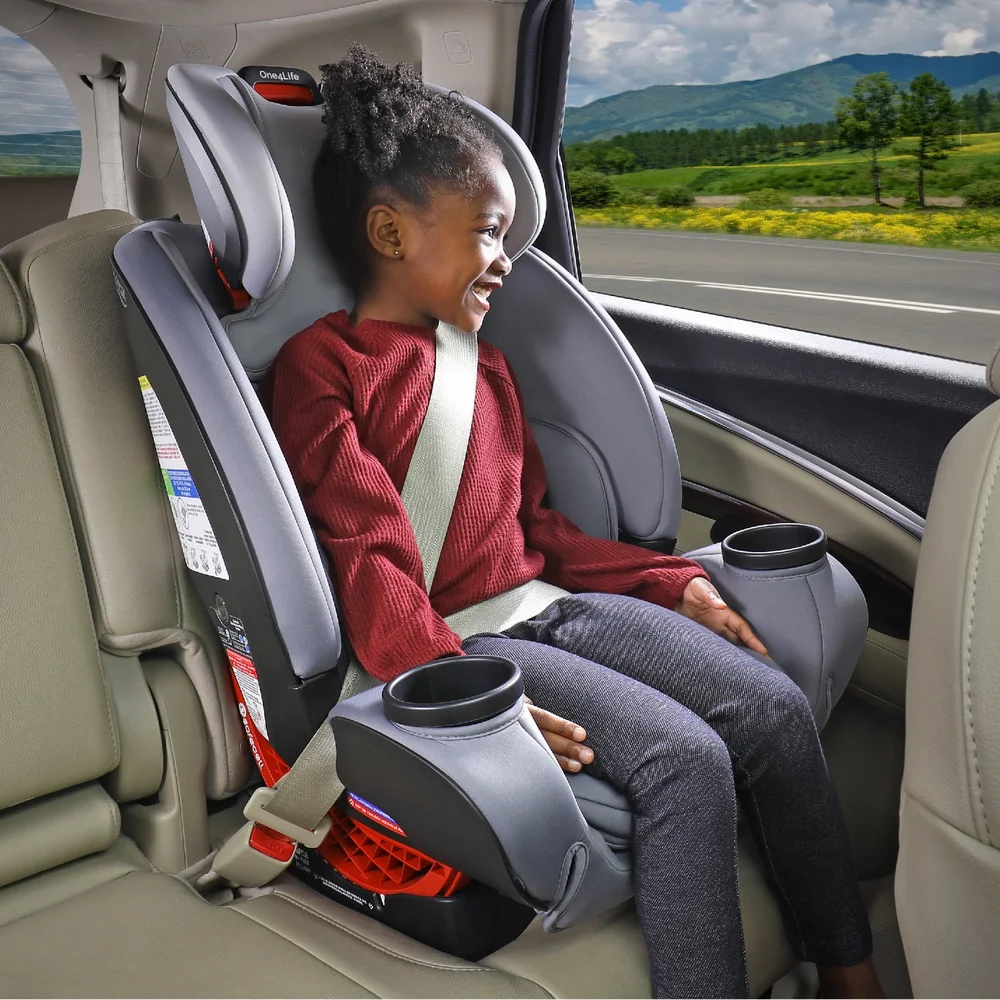
Once your child outgrows the forward-facing car seat, it’s time to consider a booster seat. Booster seats elevate your child, allowing the seat belt to fit properly across the chest and lap. Make sure the shoulder belt lies snugly across the shoulder and not the neck or face. Does your child slouch or struggle to sit still? This might be a sign they still need a booster seat for optimal safety. Remember, the right fit is crucial for ensuring the effectiveness of the seat belt.Regular Seat Checks
Regularly checking the car seat installation is a must. Over time, car seats can become loose or misaligned, especially if they are moved between vehicles. Conduct a quick inspection every few weeks. Ensure that the seat is tightly secured and doesn’t move more than an inch side-to-side or front-to-back. Is your child’s harness snug enough? If you can pinch any extra webbing, it’s time for an adjustment. Don’t forget, your car’s manual often contains specific guidelines for seat installation. Consider setting a reminder on your phone for these checks. A few minutes can make a significant difference in your child’s safety on the road.Frequently Asked Questions
When Is It Safe To Turn A Baby Forward Facing?
Babies can face forward after reaching 2 years old and meeting height and weight limits. Rear-facing is safer for younger infants.
What Age Do Car Seat Guidelines Recommend Forward Facing?
Most guidelines recommend keeping babies rear-facing until at least 2 years old for maximum safety. Forward facing is allowed after that.
How Does Height Affect Forward Facing Eligibility?
Your baby can turn forward facing once they reach the car seat’s height limit for rear-facing seats.
Can Premature Babies Face Forward Earlier?
Premature babies should follow the same age and size guidelines as full-term infants for safety.
Conclusion
Keeping your baby safe in the car is very important. Babies should stay rear-facing as long as possible. This helps protect their head and neck in a crash. Check your car seat’s weight and height limits. Follow the rules from safety experts and your local laws.
When your baby grows and fits the forward-facing limits, you can turn the seat. Always use the harness correctly and tighten the straps. A safe ride means a happy family. Trust your instincts and keep learning about car seat safety.
Safety first, every trip.