
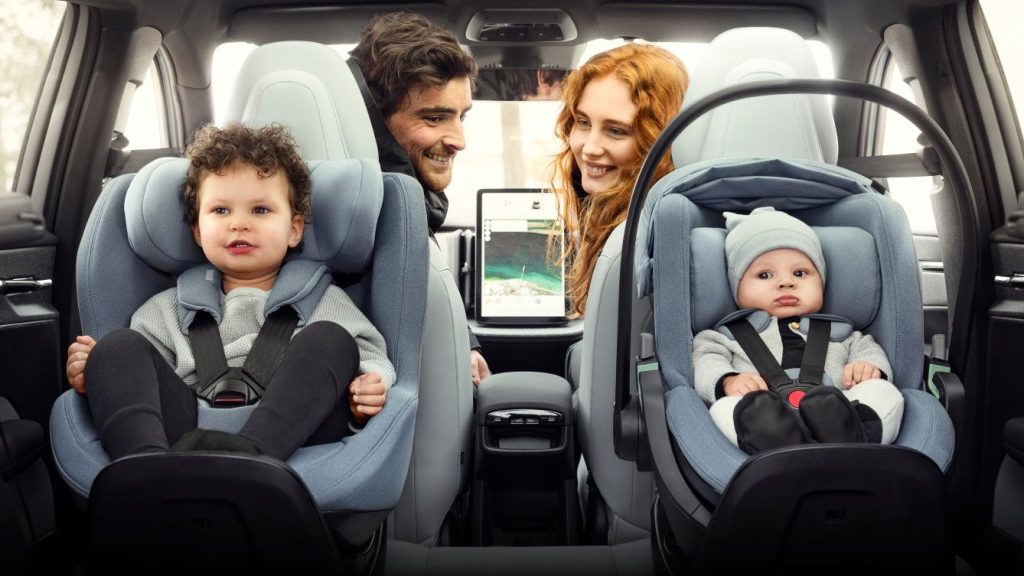
You want to keep your baby safe every time you hit the road. But how should your baby look in a car seat to be truly secure and comfortable?
It’s not just about buckling up—there are key details that can make all the difference. If you’ve ever wondered whether your little one is positioned right, this guide is for you. Keep reading to discover simple steps that ensure your baby is safe, snug, and happy during every ride.
Your peace of mind starts here.
Choosing The Right Car Seat
Choosing the right car seat for your baby is one of the most important decisions you’ll make as a parent. It ensures your child’s safety and comfort during every ride. But with so many options available, how do you know which car seat fits your baby perfectly?
Types Of Car Seats For Babies
Car seats come in different types designed to match your baby’s age, size, and developmental stage.
- Rear-facing infant seats:Perfect for newborns and smaller babies, these seats offer the best protection in a crash by supporting the head, neck, and spine.
- Convertible seats:These grow with your child, allowing you to switch from rear-facing for infants to forward-facing for toddlers.
- All-in-one seats:Designed to last from infancy through toddlerhood and beyond, these seats can be used rear-facing, forward-facing, and eventually as booster seats.
Think about how long you want to use the seat and your car’s compatibility before making a choice.
Weight And Height Guidelines
Every car seat has specific weight and height limits you must follow to keep your baby safe.
For example, rear-facing seats usually support babies from 5 to 40 pounds and up to 40 inches tall. Once your child exceeds these limits, it’s time to switch to a forward-facing seat.
Ignoring these guidelines can compromise your baby’s safety. Always check the manufacturer’s manual and make sure your baby fits comfortably without slouching or excessive movement.
Expiration Dates And Safety Standards
Car seats don’t last forever. Materials can weaken, and safety standards can change over time.
Look for the expiration date printed on the seat, usually found on a label or molded into the plastic. Most seats expire after 6 to 10 years from the manufacturing date.
Also, confirm the car seat meets current safety standards by checking for labels like the Federal Motor Vehicle Safety Standard (FMVSS) 213. Using an expired or uncertified seat can put your baby at risk.
Credit: www.thebump.com
Proper Installation Techniques
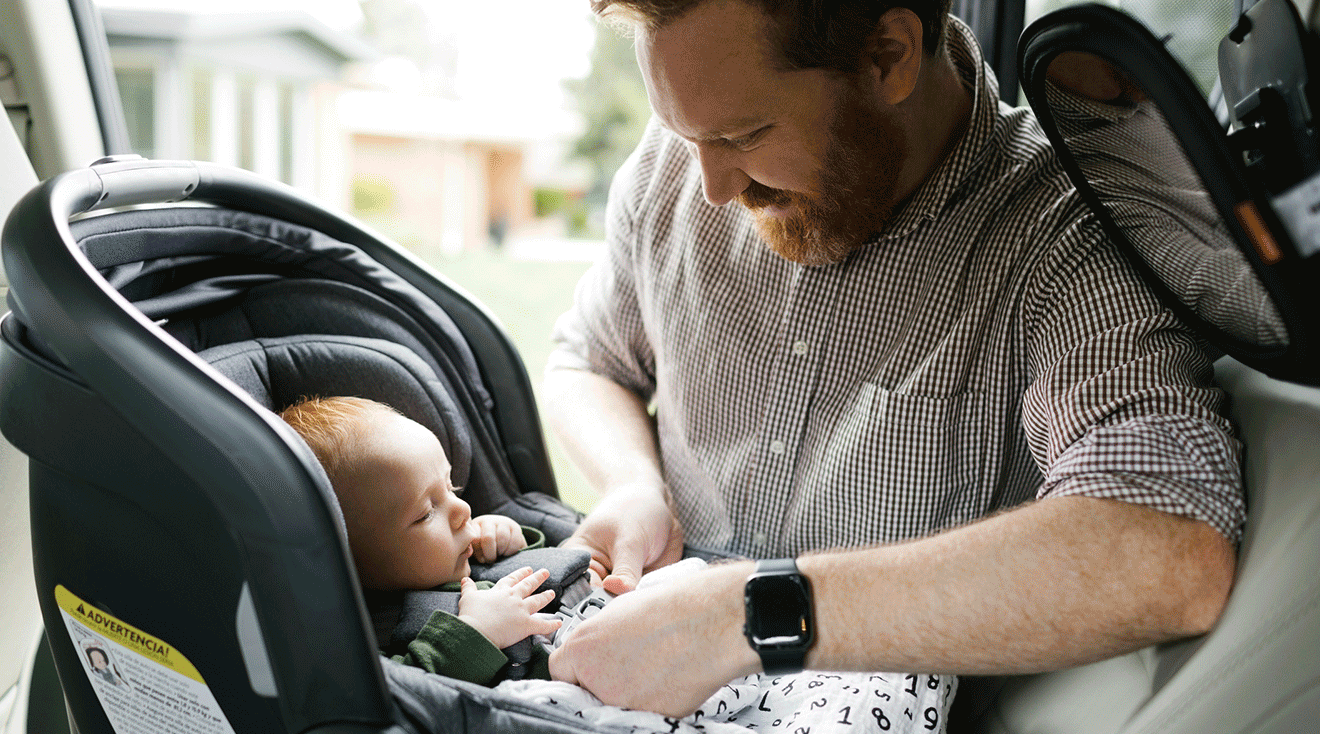
Ensure the baby’s back is flat against the car seat with the harness snug and secure. The straps should lie flat without twists and rest at or below the baby’s shoulders. The baby’s head should be supported but not pushed forward.
Proper installation techniques for a car seat are crucial to ensure your baby’s safety during travel. It’s not just about buckling up; it’s about creating a secure cocoon where your little one can enjoy a safe and comfortable ride. Let’s dive into some key aspects that can make a world of difference in how you install your baby’s car seat.Rear-facing Position Importance
Positioning your baby in a rear-facing seat is more than a recommendation; it’s a lifesaver. This position supports your baby’s head, neck, and spine during sudden stops or collisions. Many safety experts suggest keeping your child rear-facing until at least the age of two. Why not start a conversation with your pediatrician about the best age to transition? You might discover that rear-facing is beneficial longer than you thought.Using Latch Vs. Seat Belt
Choosing between LATCH (Lower Anchors and Tethers for Children) and seat belts can be puzzling. Both methods are designed to secure the car seat effectively, but the best choice depends on your car and seat model. LATCH is often easier to use and reduces the risk of incorrect installation. However, seat belts provide more flexibility, especially in older vehicles without LATCH anchors. Check your car’s manual and the car seat instructions to decide which method suits your situation best. Do you feel confident using both methods, or is one significantly easier for you?Checking For Secure Fit
After installation, a quick test can ensure your baby’s car seat is securely fitted. Try to move the seat side-to-side and front-to-back. If it wiggles more than an inch, it’s time to tighten it up. Consider marking a calendar or setting a reminder on your phone for regular checks. How often do you reassess the installation to ensure continued safety as your child grows? Regular checks can prevent overlooked adjustments that may compromise safety. Remember, your attention to these details can create a safer environment for your child, transforming every car ride into a more secure experience.Positioning Your Baby Safely
Positioning your baby safely in a car seat is essential for their protection during every trip. The right positioning helps reduce injury risks and ensures your baby stays comfortable. It involves careful attention to the harness, head support, and clothing choices.
Correct Harness Placement
The harness should fit snugly against your baby’s body. Place the straps at or just below the baby’s shoulders for rear-facing seats. Make sure the chest clip is at armpit level to keep the straps in place. Avoid loose straps that can cause injury during sudden stops.
Head And Neck Support Tips
Your baby’s head must stay stable without slumping forward. Use approved head support inserts that come with the car seat or buy extras made for this purpose. Avoid soft, loose items that can block breathing. Check often to ensure the headrest fits well and supports the neck.
Avoiding Bulky Clothing
Bulky coats and thick clothing can make the harness loose. Dress your baby in thin layers and cover them with a blanket after securing the harness. This keeps the harness tight and the baby warm. Always check the fit before driving to ensure safety.
Ensuring Comfort During Rides
Keeping your baby comfortable during car rides is essential for a peaceful journey. A happy baby means fewer distractions and safer driving. Comfort in the car seat depends on several small but important factors. Each detail helps your baby enjoy the ride without stress or fuss.
Maintaining Proper Temperature
Babies cannot adjust their body temperature easily. Make sure the car is not too hot or cold. Dress your baby in light layers that can be added or removed. Avoid bulky clothing that changes how the car seat fits. Use sunshades on windows to block direct sunlight. Open windows slightly for fresh air, if safe. Check your baby’s skin often to see if they feel too warm or cold.
Using Car Seat Accessories Wisely
Some accessories can improve comfort but others might cause problems. Use only items approved by safety experts. Soft head supports and cushioned covers can help keep your baby snug. Avoid loose blankets or toys that could block airflow. Make sure straps are flat and not twisted. Always follow the car seat manual for any add-ons. Never place anything that affects the harness fit or safety.
Recognizing Signs Of Discomfort
Babies cannot tell you when they feel uneasy. Watch for fussing, crying, or restless movements. Look for redness on the skin or marks from straps. Check if your baby tries to pull away from the straps. Heavy sweating or cold hands might show temperature issues. Adjust the seat position or clothing as needed. Calm and quiet behavior usually means your baby is comfortable.
Common Mistakes To Avoid
Ensuring your baby looks safe and secure in their car seat means avoiding some common mistakes that many parents unknowingly make. These errors can affect your baby’s safety and comfort during every ride. Let’s look at the pitfalls you should watch out for to keep your little one protected.
Incorrect Harness Tightness
One of the biggest mistakes is having the harness either too loose or too tight. A loose harness allows your baby to move around, increasing the risk of injury during sudden stops. On the other hand, a harness that’s too tight can cause discomfort and restrict breathing.
Here’s a simple test: after buckling, you should be able to fit only one finger snugly between the harness and your baby’s collarbone. If you can slide more than one finger, it’s too loose. Getting this right can feel tricky, but it makes a huge difference in safety.
Improper Recline Angle
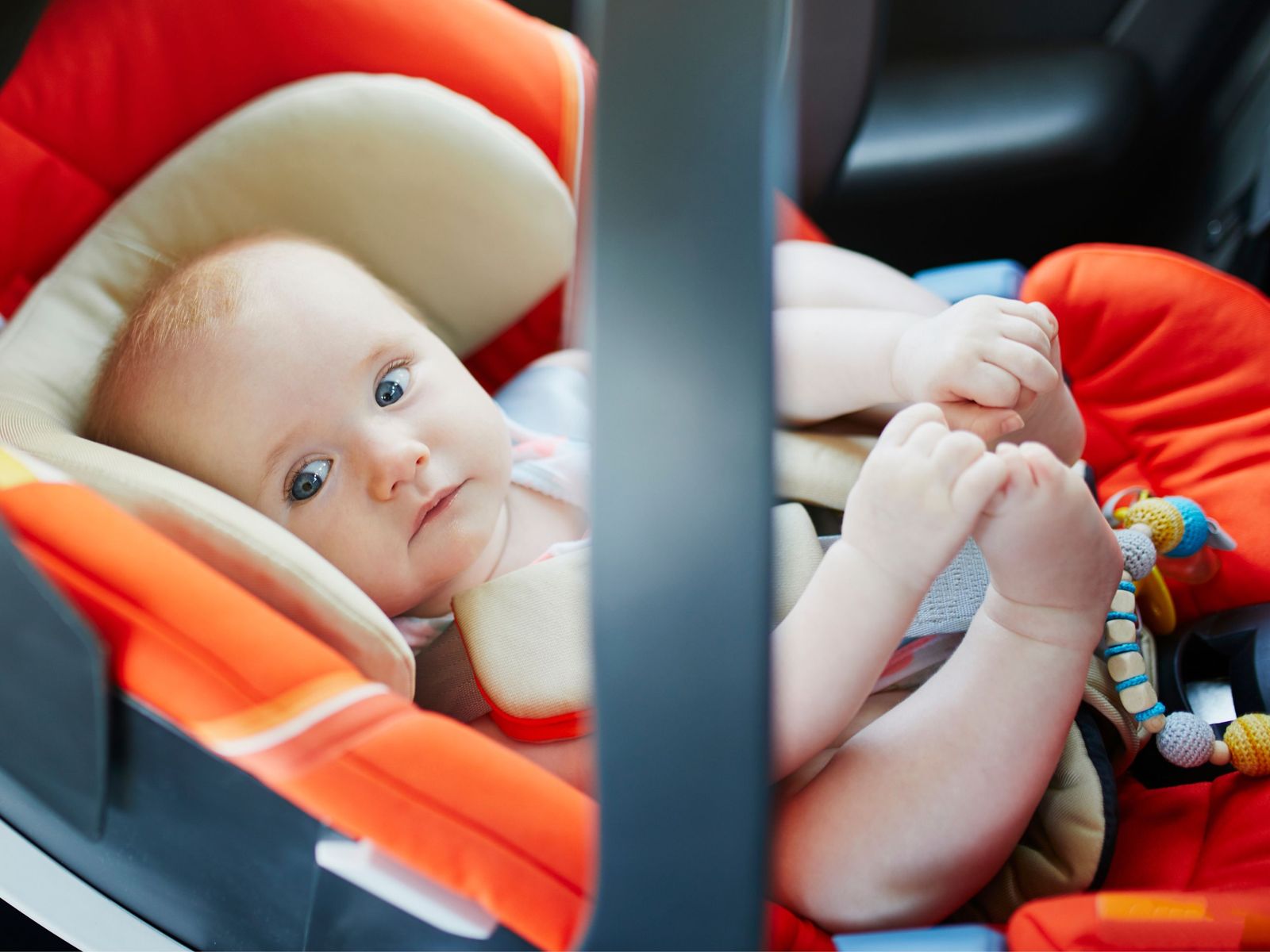
The recline angle of the car seat is crucial, especially for newborns who cannot support their heads. Too upright, and your baby’s head may flop forward, blocking their airway. Too reclined, and the seat might not fit properly in your car or protect your baby in a crash.
Check the car seat manual for the recommended angle and use the built-in indicators or a household level tool. Adjusting this might feel like a small detail, but it directly affects your baby’s breathing and comfort on every trip.
Placing Car Seat In Front Seat
Many parents are tempted to place the car seat in the front seat for convenience. However, this is a major safety risk. The front seat exposes your baby to airbags that can cause serious injury or even death in a collision.
The safest spot is always the back seat, preferably the middle position. Ask yourself— is convenience worth compromising your baby’s safety? Keeping the car seat in the back is a simple step that drastically reduces danger.
Credit: www.todaysparent.com
Regular Safety Checks
Keeping your baby safe in their car seat goes beyond just installing it correctly. Regular safety checks are essential to ensure the seat remains secure and effective. These checks can catch hidden issues before they become dangerous.
Routine Inspection Tips
Look over the car seat every time before you head out. Check the harness straps for any signs of fraying or damage. Make sure the buckles fasten securely and release easily.
Verify that the seat is tightly installed with minimal movement. Even a slight wiggle can reduce protection in a crash. Don’t forget to inspect the seat’s shell for cracks or wear.
When To Replace A Car Seat
Car seats have expiration dates, usually printed on a label or molded into the plastic. Using a seat past its expiration can be risky as materials degrade over time. Also, replace the seat if it has been involved in a moderate or severe accident, even if it looks fine.
Think about how old your car seat is and whether it meets current safety standards. If you’re unsure, consult the manufacturer’s guidelines or contact customer service for advice.
Keeping Up With Recalls
Manufacturers occasionally issue recalls for car seats due to safety defects. You can sign up for recall alerts on government websites or directly through the manufacturer. Staying informed means you won’t miss critical updates affecting your baby’s safety.
Don’t ignore recall notices or hesitate to replace a faulty car seat. Your vigilance could prevent serious harm. Have you checked if your car seat has been recalled recently?
.jpg)
Credit: www.thule.com
Frequently Asked Questions
How Should Baby’s Head Position Be In A Car Seat?
The baby’s head should be aligned with the car seat’s backrest. Avoid tilting forward or sideways to prevent breathing issues. Ensure the head does not slump, and use proper head supports if needed for safety and comfort.
What Is The Correct Harness Fit For A Baby In Car Seat?
The harness should be snug against the baby’s chest without slack. Straps must lie flat and be positioned at or below the shoulders for rear-facing seats. Proper fit prevents movement and enhances safety during travel.
Can A Baby Wear Bulky Clothes In A Car Seat?
Avoid bulky clothing as it creates slack in the harness. Instead, dress the baby in thin layers and use blankets over the harness for warmth. This ensures the harness fits tightly and securely.
How To Check If Baby Is Comfortable In Car Seat?
Check for even skin tone and relaxed posture. The baby should not have red marks or struggle to breathe. Adjust straps and head support to maintain comfort and safety during rides.
Conclusion
Babies need to sit safely in their car seats every time. The straps should be snug but not too tight. Their head must stay supported and not flop forward. The car seat should fit your baby’s size and weight well.
Keep checking the seat often as your baby grows. Safe seating means a safer ride for your little one. Always follow the car seat’s instructions carefully. A well-secured baby looks comfortable and protected on the road. Safety first—every trip, every time.