
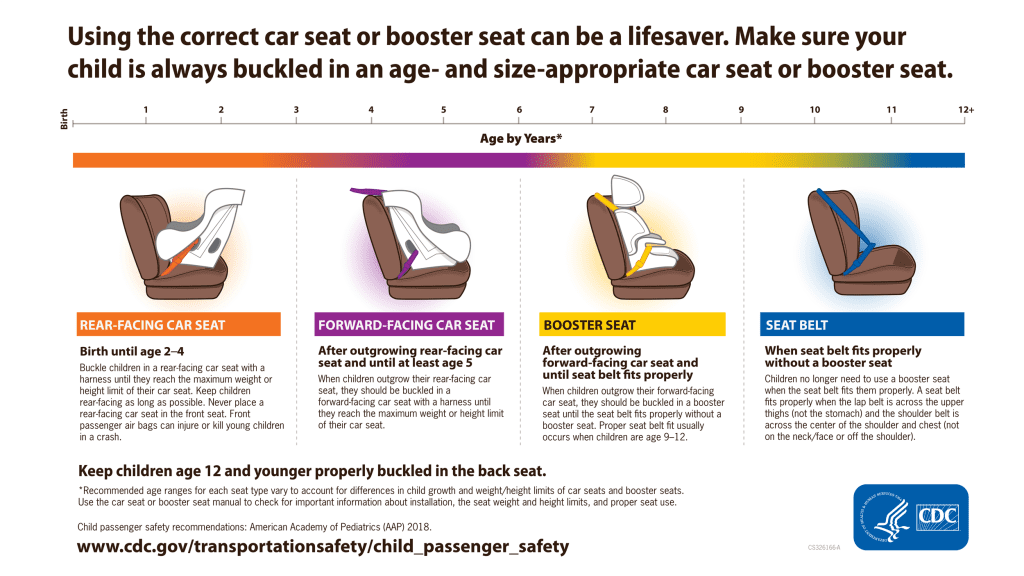
You want the best for your baby, especially when it comes to keeping them safe in the car. One question many parents ask is, “When should my baby face forward in their car seat?”
Making the right choice can protect your little one from serious injury. But with so much advice out there, it’s easy to feel confused or unsure. You’ll discover the key factors to consider and the safest time to turn your baby forward.
Keep reading to find out how you can make the smartest decision for your child’s safety every time you hit the road.

Credit: orbitbaby.com
Rear-facing Vs Forward-facing
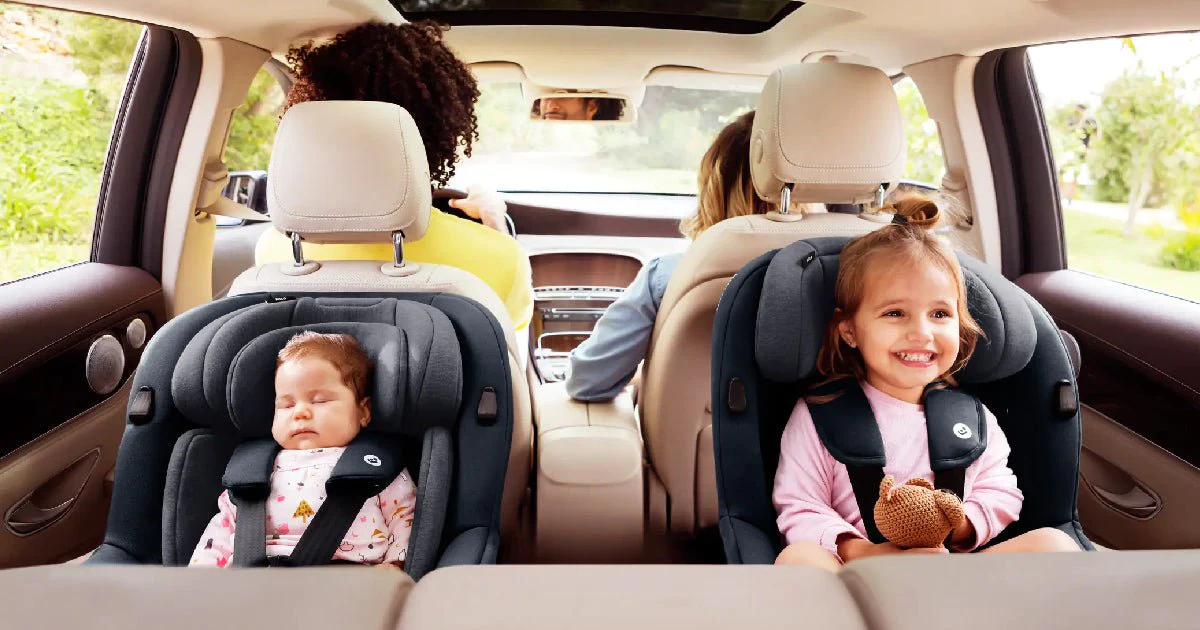
Choosing between rear-facing and forward-facing car seats is important for your baby’s safety. Parents often wonder when to switch their baby to face forward. Understanding the differences helps make the right choice.
Safety Benefits Of Rear-facing
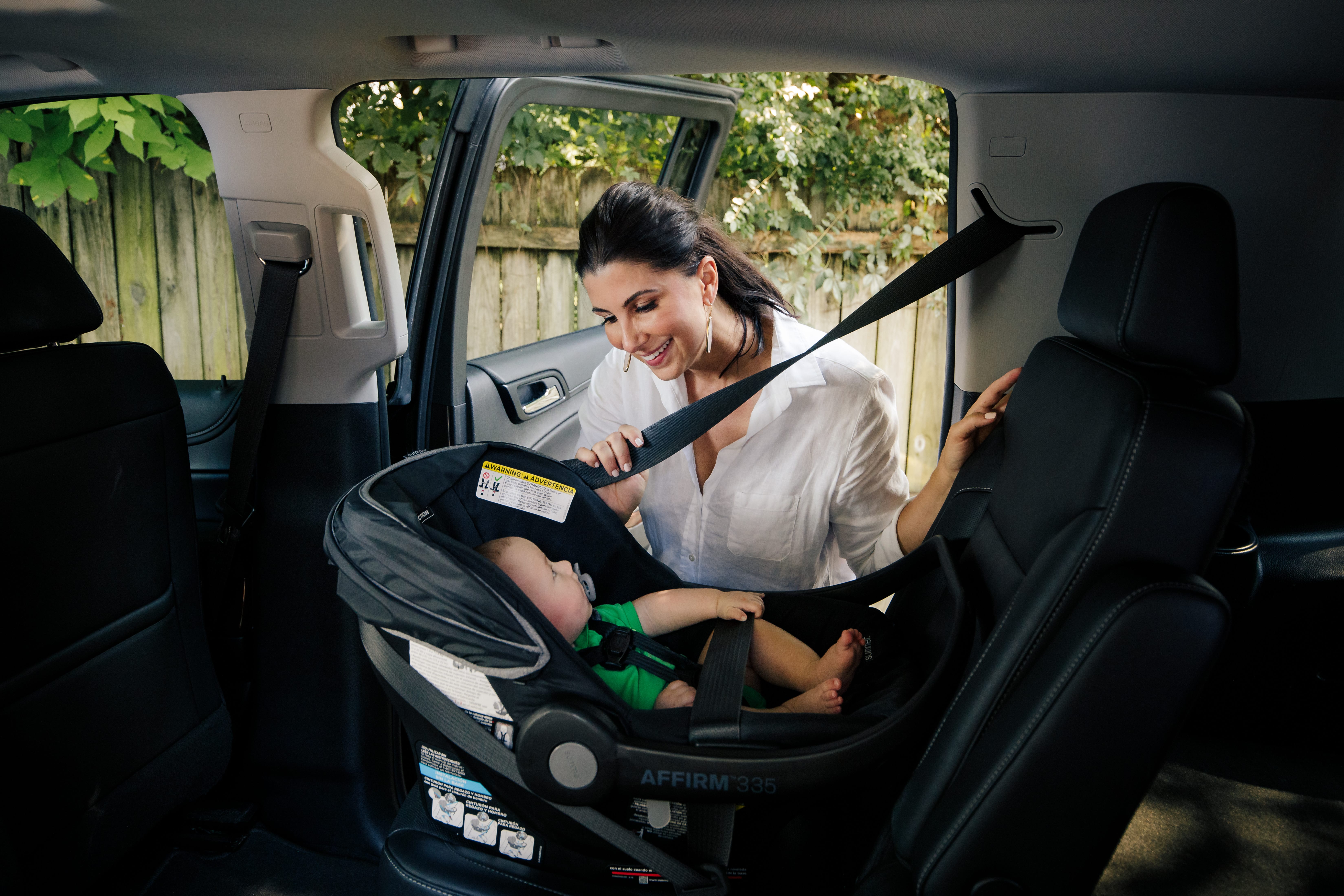
Rear-facing seats protect the head, neck, and spine better in a crash. They spread crash forces across the back of the car seat. This reduces injury risk significantly.
Babies have weak neck muscles. Rear-facing supports the head and neck during sudden stops. Experts recommend keeping children rear-facing as long as possible. Many car seats allow rear-facing use up to 40 pounds or more.
When To Switch Forward
Switch to forward-facing only after your child reaches the rear-facing limit. Check the car seat manual for weight and height limits. Most children switch after age 2, but some stay rear-facing longer.
Forward-facing seats use a harness and tether to secure the child. The tether limits forward movement in a crash. Always follow car seat guidelines to keep your child safe.
Credit: www.safeintheseat.com
Age And Weight Guidelines
Understanding the age and weight guidelines for when your baby should face forward in their car seat is crucial for their safety. Every child grows differently, so knowing these benchmarks helps you make the right decision at the right time. Let’s break down these guidelines to ensure your little one stays protected during every ride.
Recommended Age For Forward-facing
Experts recommend keeping your baby rear-facing until at least 2 years old. This position offers the best protection for their developing neck and spine in case of sudden stops or collisions. Have you noticed how quickly your toddler grows? Waiting until they reach that age can sometimes feel long, but it’s a small step that makes a big safety difference.
Weight Limits For Rear-facing
Most rear-facing car seats support children up to 40 pounds, but it varies by model. Check your car seat’s manual to confirm the exact limit. If your child is approaching the maximum weight for rear-facing, it’s a sign to prepare for the switch forward. Remember, it’s safer to stay rear-facing longer if your child still fits the limits.
Growth Patterns To Watch
Besides age and weight, pay attention to your child’s height and head position. If their head is within 1 inch of the top of the car seat or their ears are above the seat’s height limit, it’s time to move forward-facing. Does your toddler seem cramped or uncomfortable? That’s a practical clue they might need more space, indicating it’s time to adjust their seat position.
Car Seat Types And Features
Choosing the right car seat for your baby is more than just picking a popular model. Different car seats come with features designed to keep your child safe as they grow. Understanding these types and their specific features can help you decide the perfect time to switch your baby to face forward.
Convertible Car Seats
Convertible car seats are a popular choice because they adapt as your child grows. They can be used rear-facing for infants and then switched to forward-facing once your child reaches the appropriate weight and height limits. This flexibility means you don’t need to buy multiple seats, making it a practical option for many parents.
One thing to keep in mind is that convertible seats often have higher rear-facing weight limits, allowing your baby to stay rear-facing longer, which is safer. Have you checked the manual to see exactly when your child can turn forward in your specific seat?
Forward-facing Only Seats
Forward-facing only seats are designed specifically for toddlers who have outgrown their rear-facing seats. These seats usually come with a harness system and are intended for children who meet the minimum rear-facing requirements. If you’re considering this type, ensure your child has reached the weight and height limits for rear-facing before making the switch.
Some parents rush to turn their child forward-facing because the seat looks bigger or more comfortable, but safety guidelines are clear on rear-facing benefits. What’s your main concern when thinking about moving your child forward?
Harness Systems Explained
Harness systems are crucial in securing your child safely in the car seat. Most convertible and forward-facing seats come with a 5-point harness, which includes two shoulder straps, two hip straps, and one between the legs. This setup distributes crash forces over the strongest parts of your child’s body.
Adjusting the harness properly is key. It should be snug but not too tight, with the chest clip positioned at armpit level. Have you ever struggled with harness adjustments or wondered if your child’s seat is installed correctly?
Legal Requirements By Region
Understanding the legal requirements for when your baby should face forward in a car seat varies widely depending on where you live. These rules are designed to maximize safety based on the latest research and regional road conditions. Knowing the specific laws in your area helps ensure you’re protecting your child while staying compliant.
Laws In The Us
In the United States, most states require children to remain in a rear-facing car seat until at least 2 years old or until they reach the maximum height or weight limit set by the car seat manufacturer.
After that, children can transition to a forward-facing seat with a harness. Some states have stricter rules, so checking your local regulations is essential. Have you checked your state’s specific laws to avoid any fines or safety risks?
Rules In Europe
European countries generally follow the UN ECE R44/04 or R129 (i-Size) standards for car seats. These rules often require children to stay rear-facing until at least 15 months old, with many recommending longer.
Countries like Sweden set the bar high by advising rear-facing seats until age 4. This practice reflects strong evidence that rear-facing seats significantly reduce injury risk. Are you aware of how these recommendations compare to where you live?
Other Global Standards
Outside the US and Europe, laws can be quite different. In Australia, for example, children must remain rear-facing until at least 6 months but typically stay rear-facing longer for better safety.
Many countries in Asia and South America may not have strict or well-enforced regulations, making it even more important for parents to follow best safety practices. What steps can you take to ensure your child’s safety, even if local laws are less clear?
Safety Tips For Forward-facing Seats
Choosing the right time for your baby to face forward in a car seat is crucial. Ensure they meet the car seat’s height and weight requirements. Following safety guidelines provides a secure and comfortable ride.
Ensuring your child’s safety is paramount, especially when it comes to car travel. Transitioning your baby to a forward-facing car seat is a significant milestone. It requires careful attention to detail to maximize safety. Here are some actionable tips to help you navigate this transition smoothly.Proper Installation
Proper installation of a forward-facing car seat is crucial for your child’s safety. Always refer to both the car seat manual and your vehicle’s manual. They provide specific instructions tailored to each model. Ensure the car seat is tightly secured and doesn’t move more than an inch in any direction. Using the tether strap is important. It helps minimize the forward movement during a crash. This simple step can make a big difference in safety.Harness Adjustment
Adjusting the harness correctly is vital for your child’s protection. The harness should be at or above your child’s shoulders when in a forward-facing seat. Make sure it’s snug enough that you can’t pinch any excess webbing at the shoulders. Check the harness regularly as your child grows. A poorly adjusted harness can compromise safety. Always double-check before starting your journey.Booster Seat Transition
The transition to a booster seat marks another important milestone. Your child should be at least 4 years old and meet the manufacturer’s weight and height requirements. A booster seat ensures the car’s seat belt fits properly over the child’s shoulder and lap. Consider your child’s maturity level. Can they sit still for the entire car ride? If not, it might be best to wait a little longer before transitioning to a booster seat. By focusing on these safety tips, you can help ensure your child’s journey in a forward-facing car seat is as safe as possible. Are there any other safety measures you’ve found particularly helpful?Common Mistakes To Avoid
Parents want the best for their baby’s safety in the car. Yet, some common mistakes can harm your child’s protection. Knowing what to avoid helps keep your little one safe. Here are key errors to watch out for when deciding to face your baby forward in the car seat.
Switching Too Early
Many parents turn their baby forward too soon. Experts recommend keeping babies rear-facing as long as possible. This position offers better protection for the head and neck in crashes. Moving forward too early increases injury risks. Wait until your baby reaches the car seat’s weight or height limit.
Incorrect Harness Use
Using the harness wrong reduces its effectiveness. Straps must lie flat and snug against the baby’s body. Loose or twisted straps can cause serious harm during impact. The chest clip should be at armpit level. Always double-check the harness fit before every ride.
Ignoring Manufacturer Instructions
Each car seat model has specific rules for use. Ignoring these instructions can lead to unsafe installation or positioning. Read the manual carefully to understand weight limits and proper placement. Follow all guidelines to ensure your baby’s car seat works as designed.
Signs Baby Is Ready To Face Forward
Knowing when a baby is ready to face forward in a car seat is important for safety. Signs can help parents decide the right time. These signs include physical growth, behavior changes, and expert advice.
Physical Development Indicators
- Baby can sit up well without support.
- Neck muscles are strong and stable.
- Weight meets the car seat manufacturer’s limit for rear-facing.
- Baby’s head control is steady during movement.
Behavioral Clues
- Baby shows curiosity about surroundings outside the seat.
- Restlessness in the rear-facing position increases.
- Baby seems more comfortable facing forward.
- Long rides cause fussiness when rear-facing.
Consulting Pediatricians
Pediatricians offer guidance based on each baby’s unique growth. They check muscle strength and overall development. Doctors help confirm readiness for facing forward safely. Always discuss car seat changes during regular visits.
Credit: www.humboldt.ca
Frequently Asked Questions
When Is It Safe For A Baby To Face Forward In A Car Seat?
Babies can face forward once they reach the car seat’s weight or height limit for rear-facing. This is usually around 2 years old. Keeping them rear-facing longer is safer as it better protects their head and neck in crashes.
What Are The Benefits Of Rear-facing Car Seats For Babies?
Rear-facing seats offer superior protection for a baby’s head, neck, and spine. They distribute crash forces more evenly. Experts recommend keeping babies rear-facing as long as possible for maximum safety.
How Do I Know When To Switch My Baby Forward-facing?
Check the car seat manual for weight and height limits. Your baby should have good head and neck control. Follow laws and safety guidelines to ensure the switch is timely and safe.
Are There Risks In Switching Babies To Forward-facing Too Early?
Yes, early forward-facing increases the risk of serious injuries in crashes. Babies’ neck muscles are weak, making rear-facing safer. Delaying forward-facing reduces injury risk and improves overall safety.
Conclusion
Babies should face forward only when they reach the right age and weight. Staying rear-facing longer keeps them safer in crashes. Always follow your car seat’s rules and your local laws. Check the seat’s labels often to know when to switch.
Safety comes first, so don’t rush the change. Parents can ask experts if unsure about timing. Keeping your baby secure helps you drive with peace. Remember, every child grows differently, so watch their progress closely. Safety is simple with the right timing and care.