
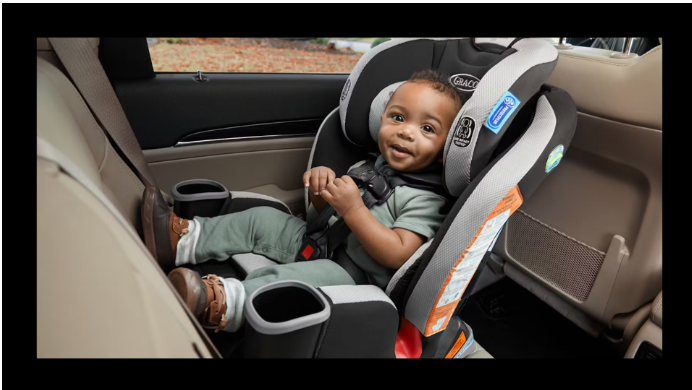
You want to keep your baby safe every time you drive. One question many parents ask is, “When can my baby face forward in their car seat?” It’s a big step, but making the switch too soon can put your little one at risk.
You’ll learn exactly when and why it’s best to keep your baby facing backward—and how to know the right time to turn them forward. Keep reading to protect your child and drive with confidence.

Credit: uppababy.com
Rear-facing Car Seat Benefits
Using a rear-facing car seat is the safest choice for young children. It offers crucial protection by supporting their growing bodies. This position reduces the risk of serious injury during sudden stops or crashes. Understanding these benefits helps parents make informed decisions about their child’s car safety.
Protection For Head And Neck
Babies have weak neck muscles and heavy heads. Rear-facing seats cradle the head and neck better. They distribute crash forces over the entire body. This support lowers the chance of neck and spine injuries.
Accident Impact Reduction
In a crash, rear-facing seats absorb impact energy. They slow the baby’s forward movement. This reduces stress on fragile bones and organs. The seat acts like a shield, keeping the baby safer.
Recommended Age And Weight
- Keep babies rear-facing until at least 2 years old.
- Follow the car seat manufacturer’s weight limits.
- Many seats support rear-facing up to 40 pounds.
- Check local laws for specific age and weight rules.
Credit: uppababy.com
Signs Baby Is Ready To Front Face
Knowing when a baby is ready to face forward in a car seat is important for safety. Parents must watch for clear signs before making the switch. These signs ensure the baby is strong and big enough to handle the new position.
Each baby grows at their own pace. Some may be ready earlier, some later. Checking age, size, and development helps parents decide the right time.
Minimum Age Guidelines
Most experts say keep babies rear-facing until at least 2 years old. Some recommend even longer. The back-facing position protects the head and neck better in crashes. Moving too soon can increase injury risk.
Weight And Height Limits
Car seat manuals list maximum weight and height for rear-facing use. Babies should stay rear-facing until they reach these limits. Usually, this is about 40 pounds and 40 inches. Exceeding limits means the baby may need to face forward.
Developmental Milestones
Strong neck control is key. Babies should hold their head steady and sit up well. This shows their muscles are ready for front-facing seats. Crawling and sitting alone are good signs too. These skills mean the baby can handle the new seat position safely.
Choosing The Right Car Seat
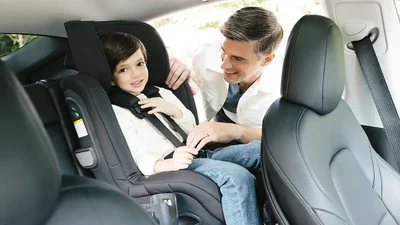
Choosing the right car seat for your baby is one of the most important decisions you’ll make to ensure their safety and comfort during every ride. It’s not just about picking a seat that fits your vehicle but also one that suits your child’s age, size, and developmental stage. Understanding the different types of forward-facing car seats and their features can help you make a confident choice.
Types Of Forward-facing Seats
There are mainly two types of forward-facing car seats you’ll encounter:
- Convertible Car Seats:These start as rear-facing seats and can be converted to forward-facing as your child grows. They offer longer usage and great value.
- Combination Car Seats:Designed specifically for forward-facing use, these seats often come with a harness and can later convert to a booster seat.
Think about how long you want to use the seat before upgrading. Does the seat grow with your child, or will you need to buy a new one soon?
Safety Ratings To Consider
Safety ratings are crucial when selecting a car seat. Look for seats that meet or exceed federal safety standards and have high scores from independent crash tests.
Check for features like side-impact protection and energy-absorbing foam. These can make a big difference during a collision.
Have you checked the latest reviews or recalls? Staying updated ensures your baby’s seat remains a reliable choice.
Installation Tips
Even the best car seat won’t protect your baby if it’s installed incorrectly. Take your time to read the manual carefully—every car and seat model differs.
- Use either the vehicle’s seat belt or LATCH system, but not both unless the seat’s manual allows it.
- Make sure the seat doesn’t move more than an inch side to side or front to back.
- Adjust the harness so it’s snug—no slack, but not too tight.
Have you tested the installation with a professional? Many fire stations or local safety centers offer free car seat checks that can provide peace of mind.

Credit: www.thule.com
Transitioning Safely To Front Facing
Transitioning your baby to face forward in a car seat is a big step. It requires careful attention to safety details. Ensuring a smooth change helps protect your child during every trip. Parents must follow key guidelines for a secure and comfortable ride.
Adjusting Harness Straps
Check the harness straps before switching to front-facing. Straps should sit at or above your baby’s shoulders. Tighten the harness so it fits snugly without twisting. A loose harness reduces protection in a crash. Always perform the pinch test: you should not be able to pinch any strap material.
Proper Seat Positioning
Place the car seat firmly on the vehicle seat. Make sure it does not move more than one inch side-to-side. Adjust the recline angle according to the seat manual. A proper angle supports your child’s head and neck. Keep the seat upright but comfortable for your baby.
Checking Seat Belt Fit
Use the vehicle’s seat belt or LATCH system to secure the car seat. The belt must be locked tightly to prevent movement. The seat belt path should match your car seat’s instructions. Check for any slack or twists in the belt. A good fit keeps the seat stable and your child safe.
Common Mistakes To Avoid
Ensuring your baby’s safety in a car seat is crucial. Many parents make common mistakes that could put their child at risk. Understanding these errors can help you keep your baby safe while driving.
Premature Front Facing
A common mistake is turning the car seat forward too early. Babies should remain rear-facing until at least two years old. This position provides better protection in crashes. Check local laws and guidelines for specific age and weight limits.
Loose Harness Straps
Loose harness straps can compromise safety. Straps should be snug, lying flat without twists. The pinch test helps ensure tightness. You should not pinch any excess webbing at the shoulder. Adjust the straps every time your baby grows or changes clothing thickness.
Incorrect Seat Angle
Incorrect seat angle can cause discomfort or breathing issues. The seat should recline at the correct angle. Most seats have an indicator to guide you. Use this to ensure proper installation. A too-upright position may cause a baby’s head to fall forward. This can restrict their airway.
Additional Safety Tips
Keeping your baby safe in the car seat is very important. Beyond knowing when to turn the seat forward, some extra safety steps help protect your child. These tips ensure the car seat works properly and fits your baby well.
Regular Car Seat Inspections
Check the car seat often for any signs of damage or wear. Look for cracks, broken parts, or loose straps. Make sure the harness buckles and adjusts smoothly. Inspect the seat after any car accident, even minor ones. Regular inspections help catch problems early and keep the seat safe.
Registering Your Car Seat
Register your car seat with the manufacturer. This lets you receive important safety updates. You will be notified if there is a recall or safety issue. Registration is quick and free. It is a simple step to stay informed and protect your child.
Following Manufacturer Instructions
Read the car seat manual carefully. Follow all installation and usage steps exactly. Use the right belt path and tighten straps properly. Adjust the harness height as your baby grows. Never guess or skip steps. Manufacturer instructions are made for your baby’s safety.
Frequently Asked Questions
When Is It Safe For Babies To Face Forward In A Car Seat?
Babies can face forward after reaching at least 2 years old. They should also meet the car seat’s height and weight limits. Rear-facing seats offer better protection for young children.
Why Keep Babies Rear-facing In Car Seats Longer?
Rear-facing seats support a baby’s head, neck, and spine during crashes. This position reduces injury risk by distributing crash forces more evenly. Experts recommend rear-facing until at least age 2.
How Do I Know If My Baby Is Ready To Face Forward?
Check your car seat’s manual for height and weight limits. Your child should exceed these limits to switch safely. Also, ensure your baby has good head and neck control.
Are There Risks To Facing Babies Forward Too Early?
Yes, facing forward too early increases the risk of severe injuries in crashes. Babies’ neck muscles and bones are still developing and are vulnerable. Always follow safety guidelines for car seats.
Conclusion
Babies should stay rear-facing in car seats for as long as possible. This keeps them safer during sudden stops or crashes. Most experts suggest waiting until your child is at least two years old. Check your car seat’s weight and height limits too.
Always follow the car seat instructions carefully. When your child is ready, switch to front-facing with a proper harness. Safety comes first, so never rush the change. Keep your little one secure on every trip. Safe travels start with the right car seat choice.