
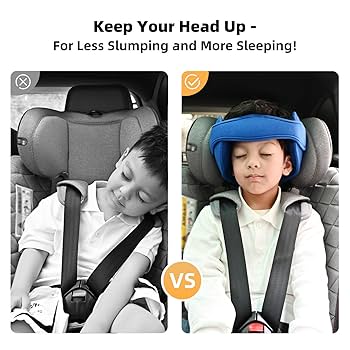
When you’re on the road with your little one, their safety and comfort are your top priorities. One common worry many parents face is making sure their baby’s head stays properly supported in the car seat.
You want to prevent their head from falling forward or to the side, which can be uncomfortable or even unsafe. If you’ve found yourself wondering how to keep your baby’s head up in the car seat, you’re not alone—and you’re in the right place.
Keep reading, and you’ll discover simple, effective tips that help your baby stay comfortable and secure every time you travel.

Credit: orbitbaby.com
Choosing The Right Car Seat
Choosing the right car seat is crucial for keeping your baby’s head supported and safe during every ride. The right seat not only fits your child perfectly but also provides the necessary stability to prevent the head from slumping forward. It’s about more than just picking a seat off the shelf—you need to consider how it will grow with your baby and whether it meets key safety standards.
Infant Vs Convertible Seats
Infant seats are designed specifically for newborns and smaller babies, usually supporting up to 22-35 pounds. They come with a built-in recline angle that helps keep your baby’s head from falling forward, which is important for airway safety.
Convertible seats, on the other hand, grow with your child and can be used rear-facing for infants before switching to forward-facing. While versatile, some convertible seats may not offer the same snug fit for tiny newborns, which can affect head support.
Think about how long you want to use the seat in rear-facing mode. If you want extended rear-facing, a convertible seat with adjustable recline might be a better choice. Have you noticed how some seats let you adjust the angle easily? That feature can make a big difference in keeping your baby’s head upright.
Proper Size And Fit
Choosing a car seat that matches your baby’s size is key. Too big or too small, and your baby’s head may flop forward or sideways, increasing discomfort and risk.
Look for seats with adjustable harness heights and multiple recline positions. These help customize the fit as your baby grows and ensure the head stays supported.
Also, pay attention to the seat’s padding. Extra head and neck padding can provide gentle support without restricting movement. Have you tried placing your baby in different seats to see how their head rests? This hands-on check is often the best way to find the right fit.
Safety Ratings To Check
Safety ratings tell you how well a car seat protects your child in a crash and how secure it is during everyday use. Check for seats that meet or exceed federal safety standards.
Look for additional certifications like JPMA or ratings from organizations such as the National Highway Traffic Safety Administration (NHTSA). These ratings often include real-world crash tests and usability scores.
Remember, a highly rated seat usually has design features that help keep your baby’s head stable and supported. Ask yourself: Does this seat have a solid base and easy-to-adjust recline? These factors can improve both safety and comfort during your drives.

Credit: www.amazon.com
Proper Installation Techniques
Proper installation of a baby car seat is key to keeping your baby’s head upright and safe. A well-installed seat prevents the head from slumping forward, which can block airways. Follow these steps to secure the seat firmly and at the right angle.
Securing The Base
The car seat base must be tight and stable. Place the base on the vehicle seat and press down firmly. Pull the belt or LATCH strap to remove slack. The base should not move more than one inch side to side or front to back. A secure base keeps the seat steady and supports your baby’s head.
Correct Recline Angle
The recline angle affects your baby’s head position. Too upright can be uncomfortable for newborns. Too reclined makes the head fall forward. Use the car seat’s built-in angle indicator or leveler. Adjust the seat until it matches the recommended angle. This helps keep the airway open and the head properly aligned.
Using Latch Vs Seat Belt
Both LATCH and seat belt can secure the car seat base. LATCH uses lower anchors attached to the car frame. It is often easier to install and adjust. Seat belts can be just as safe when used correctly. Check your car manual for specific instructions. Choose the method that provides the tightest fit and follow all guidelines.
Positioning Baby’s Head
Positioning your baby’s head correctly in a car seat is vital for safety and comfort. Babies have weak neck muscles and need proper support during travel. Keeping their head upright helps maintain an open airway and prevents strain. It also reduces the risk of the head slumping forward, which can block breathing. Below are key tips to ensure your baby’s head stays well positioned.
Adjusting Harness Straps
The harness straps keep your baby secure and help hold the head in place. Adjust the straps so they fit snugly but not too tight. The straps should sit at or just below your baby’s shoulders for rear-facing seats. Check that the chest clip is at armpit level to keep the straps correctly aligned. Proper harness adjustment reduces head movement and keeps your baby stable.
Using Head Supports Safely
Special head supports can offer extra cushioning and help maintain your baby’s head position. Use only supports approved by the car seat manufacturer. Place the support around the baby’s head without pushing it forward. Ensure the support does not interfere with the harness straps or air circulation. Never add extra pillows or blankets, as they can be unsafe.
Avoiding Overuse Of Accessories
Many products claim to help with head positioning but can cause harm if misused. Avoid bulky inserts or aftermarket accessories not tested with your car seat. These can affect the fit of the harness and reduce protection during a crash. Focus on correct harness adjustment and approved head supports. Keeping the car seat clean and free of extra items ensures better safety.
Frequent Checks During Travel
Keeping your baby’s head up during car rides is essential for their comfort and safety. Frequent checks during travel help you catch any slumping or awkward positions before they become a problem. These small moments of attention can make a big difference in your baby’s well-being on the road.
Monitoring Baby’s Head Position
Keep your eyes on your baby’s head throughout the trip. Watch for any signs of their head tilting forward or sideways, which can restrict breathing. If you notice this, gently adjust their position or support their head with a rolled-up receiving blanket placed safely behind their neck.
Taking Breaks For Movement
Plan regular stops during longer drives to give your baby a chance to stretch and move. Even a few minutes out of the car seat can relieve pressure and improve circulation. Use these breaks to hold your baby upright and engage with them, which also helps keep them calm and happy.
Adjusting For Growth
As your baby grows, their posture in the car seat changes. Check the straps and headrest settings often to make sure everything fits snugly and supports their head properly. Don’t hesitate to switch to a bigger seat or add approved accessories if you see your baby’s head slipping or falling forward.
Common Mistakes To Avoid
Placing the car seat incorrectly can cause your baby’s head to slump forward. Using too many blankets or pillows may block airflow and increase risk. Always check the harness fits snugly to keep the head supported safely.
Ensuring your baby’s safety in a car seat is crucial. Common mistakes can compromise this safety. Understanding these errors helps keep your baby secure and comfortable.Incorrect Seat Angle
The car seat angle affects your baby’s head position. A seat that’s too upright can cause the baby’s head to fall forward. This can block their airway. Always follow the manufacturer’s guidelines. Use the car seat’s built-in angle indicator. This helps set the proper recline.Loose Harness Straps
Loose harness straps can lead to poor head support. Tighten the straps until they are snug against your baby’s body. Ensure you can’t pinch any strap material. This keeps your baby secure and their head in place. Properly adjusted straps prevent slumping.Using Unapproved Headrests
Adding unapproved headrests can be risky. They might seem helpful but can interfere with safety. Use only accessories that come with the car seat. Improper headrests can push the head forward. This increases the risk of breathing issues. Always prioritize manufacturer-approved solutions.
Credit: www.amazon.com
Additional Safety Tips
Keeping your baby’s head up in the car seat is very important. Safety goes beyond just the seat itself. Small habits can make a big difference. Consider these additional safety tips to protect your little one on every trip.
Dressing Baby Appropriately
Dress your baby in comfortable clothes that fit well. Avoid tight or bulky outfits that may restrict movement. Soft fabrics help babies stay calm and cozy. Choose layers that you can add or remove easily. This helps keep your baby comfortable during the ride.
Avoiding Bulky Clothing
Bulky clothing can interfere with the car seat straps. Thick coats or snowsuits create gaps between your baby and the harness. This reduces the harness’s effectiveness in a crash. Use a blanket over the harness instead of heavy clothing. Always check that straps lie flat and snug on your baby’s body.
Keeping Car Temperature Comfortable
Maintain a steady temperature inside the car. Avoid overheating or chilling your baby. Use sunshades on windows to block direct sunlight. Adjust the air conditioner or heater as needed. A comfortable temperature helps your baby stay alert and keeps their head steady.
Frequently Asked Questions
How Can I Prevent My Baby’s Head From Falling Forward?
Use a properly fitted car seat with good head support. Adjust the harness snugly. Recline the seat at the recommended angle to keep the head aligned and prevent it from falling forward during travel.
What Car Seat Features Help Keep Baby’s Head Up?
Look for car seats with firm, cushioned headrests and adjustable harnesses. Side impact protection and proper recline angles also help maintain head position and comfort during rides.
Is It Safe To Use Neck Pillows For Head Support?
Neck pillows are generally not recommended in car seats. They can interfere with harness fit and safety. Instead, use car seats designed to support the head and neck properly.
How Often Should I Adjust My Baby’s Car Seat Position?
Adjust the car seat as your baby grows, especially when the head or posture changes. Regularly check recline angle and harness tightness to ensure optimal head support.
Conclusion
Keeping your baby’s head up in the car seat helps keep them safe. Always check the straps and adjust them properly. Use small rolled towels or neck supports if needed. Make sure the car seat is at the right angle.
Stop the baby from slumping by securing them snugly. Watch your baby often during the ride. Comfort and safety go hand in hand. Follow these tips to protect your little one every trip. Simple steps make a big difference.