
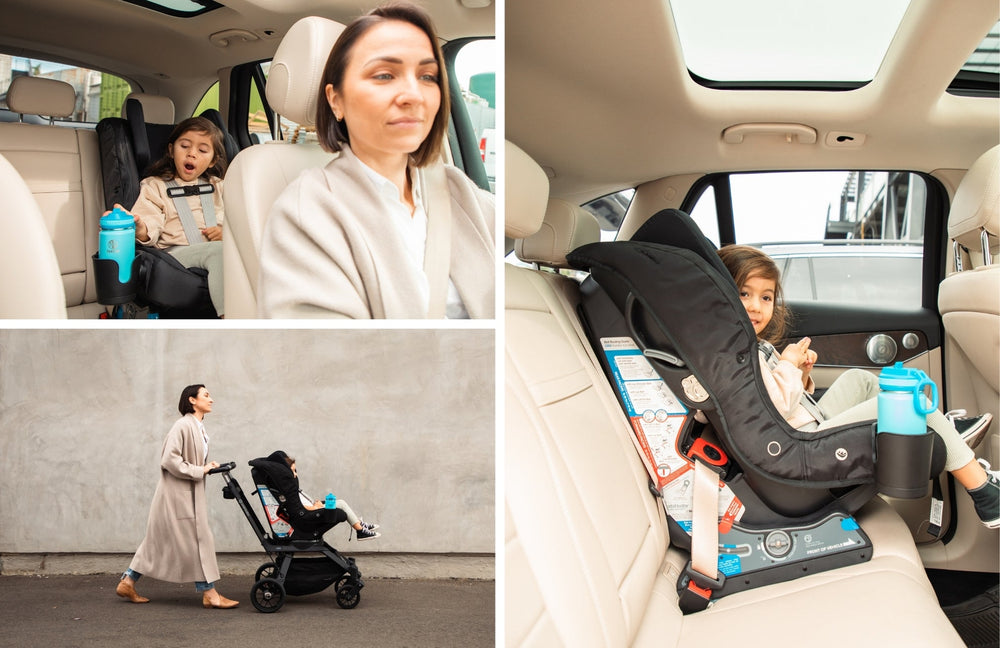
Traveling with a baby can feel overwhelming, especially when it comes to keeping your little one safe and comfortable. One of the biggest questions you might have is how to travel with a baby car seat without hassle.
You want to protect your baby and make your trip smooth, but the rules and options can be confusing. This guide will show you simple, practical tips that help you use your baby car seat on the go—whether by car, plane, or public transport.
Keep reading to discover how you can travel confidently, knowing your baby is secure every step of the way.

Credit: www.thule.com
Choosing The Right Car Seat
Choosing the right car seat for your baby is essential for safe and comfortable travel. It’s more than just picking a product off the shelf; it’s about understanding what fits your child’s needs and your vehicle. The right car seat can protect your baby during every trip, whether it’s a quick ride to the park or a long road journey.
Types Of Baby Car Seats
Baby car seats come in several types designed for different stages of your child’s growth. Infant car seats are rear-facing and perfect for newborns, offering great support and protection. Convertible car seats switch from rear-facing to forward-facing as your baby grows, making them a versatile choice.
There are also booster seats for older toddlers and children who have outgrown the forward-facing seats but still need extra height to use the car’s seat belt properly. Think about how long you plan to use the car seat and what fits your lifestyle best.
Safety Standards To Check
Always verify that the car seat meets current safety standards. Look for labels that show compliance with regulations such as FMVSS 213 in the U.S. or ECE R44/04 in Europe. These certifications mean the seat has passed rigorous crash tests.
Additionally, check for side-impact protection and energy-absorbing foam, which can make a big difference in an accident. Don’t hesitate to read consumer reviews or ask other parents about their experiences with specific car seats.
Car Seat Size And Weight Limits
Each car seat has specific size and weight limits that you need to follow to keep your baby safe. Using a seat that’s too small or too large can reduce its effectiveness during a collision. Check the manufacturer’s guidelines carefully before making a purchase.
For example, some infant seats accommodate babies up to 30 pounds, while convertible seats often support children up to 65 pounds or more. Consider your baby’s current size and growth rate to ensure the seat will last as long as possible.

Credit: orbitbaby.com
Preparing For Travel
Traveling with a baby requires careful preparation. Ensuring safety and comfort is key. Planning ahead helps reduce stress and makes the trip smoother. Focus on the car seat, packing, and your baby’s daily needs before you start your journey.
Installing The Car Seat Correctly
Check the car seat manual and your vehicle’s guide. Use the seat belt or LATCH system to secure the seat tightly. The car seat should not move more than an inch side-to-side or front-to-back. Adjust the harness so it fits snugly on your baby. The chest clip should be at armpit level. Double-check everything before driving.
Packing Essentials For Baby
Bring extra clothes and blankets for comfort and cleanliness. Pack diapers, wipes, and changing pads in an easy-to-reach bag. Include small toys or books to keep your baby entertained. Have a first aid kit ready for minor emergencies. Don’t forget sun protection items like hats and sunscreen if needed.
Planning For Feeding And Naps
Schedule feeding times around travel to keep your baby calm. Prepare bottles or snacks in advance for easy access. Bring a nursing cover if you breastfeed in public. Plan rest stops for naps and breaks to avoid overtiredness. Use a portable white noise machine or soft music to help your baby sleep during the trip.
Traveling By Car
Traveling by car with a baby car seat requires more than just buckling up. It demands attention to safety, comfort, and timing to ensure a smooth journey for both you and your little one. Understanding how to properly secure the seat, keep your baby comfortable, and know when to take breaks can make all the difference on the road.
Securing The Car Seat In The Vehicle
Start by reading your car seat manual and your vehicle’s owner guide. Each car and seat model can be different, so it’s important to know the exact steps for your setup.
Use the LATCH system or seat belt to secure the car seat tightly. The seat should not move more than an inch side to side or front to back when properly installed.
Double-check the angle of the seat. Newborns and small infants need a reclined position to keep their airways open. A poorly angled seat can cause discomfort or even be unsafe.
Keeping Baby Comfortable During The Ride
Dress your baby in breathable, layered clothing. Avoid bulky coats or blankets under the harness as this can interfere with the fit and safety.
Bring familiar items like a favorite toy or a soft blanket to help soothe your baby. White noise apps or gentle music can also keep them calm during the trip.
Adjust the car’s temperature to a comfortable level before the ride. Babies cannot regulate their body temperature well, so it’s crucial to keep the environment cozy without overheating.
Taking Breaks And Stretching
Plan to stop every one to two hours to give your baby a break from the car seat. This helps prevent discomfort and reduces fussiness.
Use breaks to change diapers, feed, and let your baby stretch. Holding and cuddling them during stops can also help reduce restlessness.
Consider walking around yourself to stay alert and refreshed. Long drives can be tiring for you too, and staying sharp is key to safe driving.

Credit: adiosteam.com
Flying With A Baby Car Seat
Flying with a baby car seat can make travel safer and easier. It offers a familiar place for your baby during the flight. Using the car seat on the plane also gives your child a secure seat. Understanding airline rules, airport security, and proper use is important. This helps avoid stress and ensures smooth travel with your little one.
Airline Policies On Car Seats
Each airline has its own rules about car seats. Some allow car seats on the plane if they are approved for aircraft use. Check if the car seat has a label that says it meets FAA standards. Many airlines require you to book a seat for your baby. Others let you use the car seat in a lap child seat. Contact the airline before your trip to confirm their rules. Bring the car seat manual and proof of approval. This helps avoid problems at the airport.
Navigating Airport Security
At airport security, you must remove the baby from the car seat. Carry the baby through the metal detector or body scanner. The car seat goes separately on the conveyor belt. Some airports offer family lanes, making this process easier. Be ready to explain that the seat is for a baby. Keep your baby calm during this step. Pack baby essentials in an easy-to-access bag. This reduces stress while going through security checks.
Using The Car Seat On The Plane
Install the car seat on the airplane seat facing the correct direction. Use the airplane seat belt to secure the car seat tightly. Check that the seat does not move more than one inch side to side. Keep your baby buckled in during takeoff, landing, and turbulence. Use a car seat that fits your child’s size and weight. Ask flight attendants for help if needed. This keeps your baby safe and comfortable throughout the flight.
Alternative Travel Options
Traveling with a baby car seat can be easier by choosing options like car rentals with seats or using stroller-friendly carriers. Some airlines offer seat check services to make carrying simpler. Planning ahead helps keep your baby safe and comfortable on the move.
Traveling with a baby car seat can be a challenge, especially when you consider all the logistics involved. However, there are alternative travel options that can make your journey smoother and more manageable. Whether you’re flying across the country or taking a short road trip, exploring different ways to handle your car seat can save you time and stress.Using Car Seat Travel Bags
Car seat travel bags are a game-changer for parents on the go. These bags not only protect the car seat from damage but also make it easier to carry through airports. Consider investing in a travel bag with wheels for added convenience. Many travel bags come with padded straps, allowing you to carry the car seat like a backpack. This can free up your hands for other essentials, like holding your child’s hand or managing your luggage. Look for bags with durable material to ensure they withstand the rigors of travel.Renting Car Seats At Destination
Renting a car seat at your destination can be a practical solution, especially for shorter trips. Many car rental companies offer car seats as an add-on, which can save you the hassle of bringing your own. However, it’s crucial to ensure the rented seat meets safety standards and is suitable for your child’s age and size. Before choosing to rent, check the availability and condition of the car seats offered. Reading reviews from other travelers can provide insight into the reliability of the rental service. Keep in mind that rental costs can add up, so compare prices to ensure it’s the right choice for your budget.Traveling Without A Car Seat
In some cases, traveling without a car seat might be an option. For instance, if you’re planning to use public transportation or are visiting a place with reliable transit systems, you might not need a car seat. However, consider the safety implications and legal requirements in your destination. Using ride-sharing services that offer car seats can be another alternative. Some services, like Uber and Lyft, provide this option in select cities, allowing you to travel safely without bringing your own seat. Always verify the availability of such services before you travel to avoid last-minute surprises. Would you feel comfortable trying one of these alternatives for your next trip?Safety Tips And Common Mistakes
Traveling with a baby car seat requires more than just packing the right gear. Ensuring your baby’s safety means paying close attention to how the seat is installed, keeping an eye on your child throughout the trip, and being ready for unexpected situations. Many parents make simple mistakes that can compromise safety, but with a little care, you can avoid common pitfalls and travel confidently.
Avoiding Installation Errors
Incorrect installation is one of the most common safety issues with baby car seats. Even a slight tilt or loose strap can reduce protection during a sudden stop. Always follow the car seat manual carefully and check that the seat does not move more than an inch side-to-side or front-to-back.
Use the vehicle’s LATCH system if available, but don’t assume it guarantees perfect installation. Double-check the angle of the seat—too reclined or too upright can harm your baby’s airway. If you’re unsure, many fire stations or baby stores offer free installation checks. Have you ever felt unsure if the seat was tight enough? That’s a sign to get a professional’s help.
Monitoring Baby During Travel
Keeping your baby safe means more than just securing the car seat. You need to watch your baby regularly to ensure they remain properly positioned and comfortable. Using a mirror attached to the back seat can help you see your baby without turning around and risking distraction.
Watch for signs of discomfort or overheating, especially on long trips. Babies can’t tell you if they feel unwell, so look for fussiness or changes in breathing. Have a trusted adult ride in the back seat if possible, so your attention stays on driving.
Handling Emergencies On The Road
Emergencies can happen at any time, so preparation is key. Keep a well-stocked emergency kit in your car, including diapers, wipes, a first aid kit, and extra clothes. Knowing how to quickly and safely remove the car seat is essential if you need to exit the vehicle fast.
Plan breaks often to check your baby’s condition and give them a chance to stretch. Practicing emergency drills with your partner can reduce panic if the unexpected happens. What’s your plan if you face a sudden road closure or accident with your baby in the car? Thinking ahead can make all the difference.
Frequently Asked Questions
How Do I Choose The Right Baby Car Seat For Travel?
Select a lightweight, FAA-approved car seat for easy travel. Check size and installation options to fit rental cars or taxis. Ensure it meets safety standards and suits your baby’s age and weight.
Can I Bring A Baby Car Seat On An Airplane?
Yes, most airlines allow FAA-approved car seats on planes. Use it in a window seat for safety. Always check airline policies before traveling to avoid surprises.
How To Install A Baby Car Seat In Rental Cars?
Read the rental car’s manual for seatbelt or LATCH installation. Bring your car seat manual for guidance. Ensure the seat is tightly secured and does not move more than an inch.
Is It Better To Use A Car Seat Or Baby Carrier While Traveling?
A car seat is safer for car travel, providing protection during sudden stops. Use a baby carrier for walking or airport navigation. Always prioritize safety over convenience.
Conclusion
Traveling with a baby car seat takes some planning and care. Choose the right seat that fits your car and your baby well. Always check the seat’s safety rules before you leave. Carry the seat properly to avoid damage. Take breaks to keep your baby comfortable and happy.
With these simple steps, travel can be safe and easier for your family. Enjoy your trips knowing your baby stays secure at all times. Safe travels!