
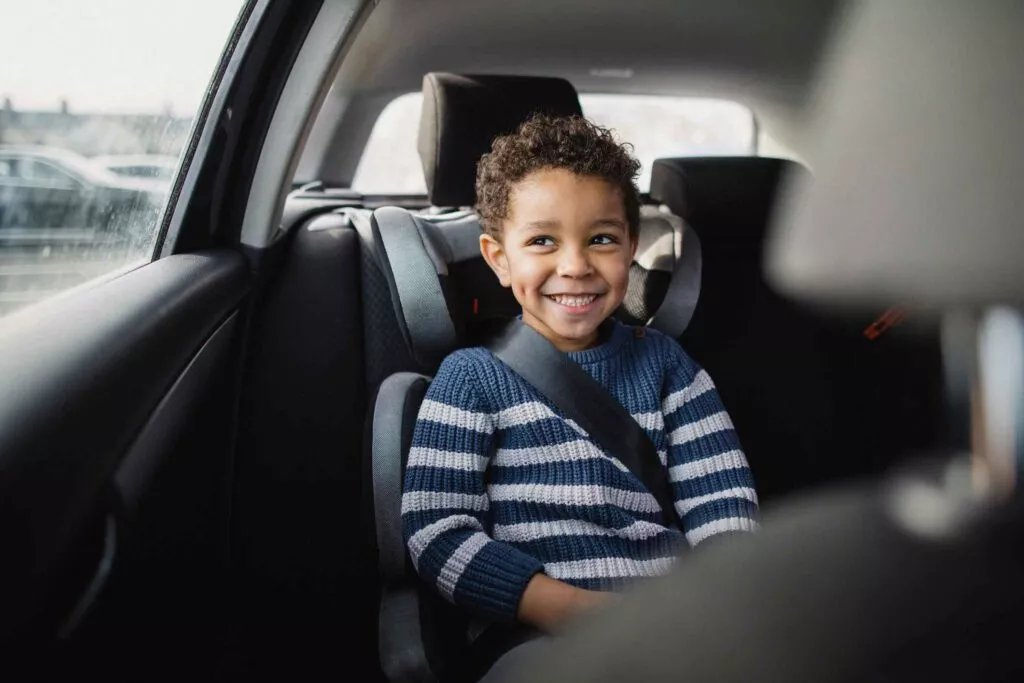
Are you wondering when your child can safely sit in the front seat of your car? It’s a common question for many parents and caregivers.
You want to keep your little one safe, but it’s not always clear what the rules are or what experts recommend. Making the right choice can protect your child from serious injury in case of an accident. Keep reading to learn the key facts and guidelines that will help you decide the best time for your child to move to the front seat.
Your child’s safety depends on it.

Credit: fernandojlopez.com
Legal Age Requirements
Understanding the legal age requirements for kids to sit in the front seat is crucial for every parent and caregiver. These laws exist to protect young passengers from injury and ensure safety on the road. Knowing when your child can legally and safely ride upfront helps you make informed decisions during every trip.
State Laws On Front Seat Riding
Each state sets its own rules about when children can sit in the front seat. Some states specify a minimum age, while others focus on the child’s height or weight. This means your neighbor’s rule might be different from yours, even if you live just a few miles apart.
For example, in California, kids under 8 years old must ride in the back seat unless there is no rear seat available. Meanwhile, Texas requires children under 8 to use a car seat or booster seat in the back. These differences highlight why checking your local laws is essential.
Minimum Age Guidelines
Many states recommend that children wait until they are at least 13 years old before sitting in the front seat. This age is often based on safety studies showing that airbags can injure younger kids. Have you ever wondered why airbags are so dangerous for little ones? It’s because the force can cause serious harm to smaller bodies.
- Children under 13 should ride in the back seat whenever possible.
- Car manufacturers often advise the same minimum age due to airbag risks.
- Some states allow exceptions if the vehicle has no back seat or all back seats are occupied by younger children.
Think about your own family car trips. Are your kids following these age guidelines? Making sure they do could prevent injuries and keep everyone safer on the road.
Height And Weight Criteria
Understanding the height and weight criteria is crucial before allowing your child to sit in the front seat of a car. These measurements ensure that safety features like seat belts and airbags work effectively for your child’s protection. Ignoring these guidelines can increase the risk of injury during a collision.
Recommended Height For Front Seat
Children should generally be at least 4 feet 9 inches (145 cm) tall before sitting in the front seat. This height helps ensure that the seat belt fits properly across their chest and hips, not their neck or stomach.
If your child is shorter than this, the seat belt might not provide adequate protection and could cause injury in an accident. Have you checked if your child can sit comfortably with their back against the seat and feet touching the floor?
Weight Considerations
Weight also plays a key role in front seat safety. Most safety experts recommend that children weigh at least 80 pounds (36 kg) before moving up from a booster seat to the front seat.
This weight threshold helps ensure the seat belt fits snugly and that airbags won’t pose a danger. Keep in mind, even if your child meets the height requirement, being underweight for their height might still mean they should remain in the back seat.
Have you ever thought about how different car models might affect these recommendations? Always check your vehicle’s manual for specific guidance on child passenger safety.
Airbag Safety Concerns
Airbags save lives in crashes, but they can harm children in the front seat. These safety devices deploy with great force. A child sitting too close can be seriously injured.
Understanding airbag risks helps parents decide when kids can sit up front safely.
Risks Of Front Airbags For Kids
Front airbags are designed for adults. They inflate rapidly and with strong force. This power can hurt small children.
- Airbags can cause head and neck injuries.
- Children under 13 are more vulnerable to airbag impact.
- Improper restraint use increases injury risk.
- Children in booster seats or no seat belts face higher danger.
Many experts advise children under 13 to sit in the back seat. This reduces airbag injury risks significantly.
Proper Seating Position
Positioning in the car matters. Kids must sit upright and wear seat belts correctly.
- Keep the seat as far back from the dashboard as possible.
- Child’s back should rest against the seat.
- Seat belts must fit snugly across chest and hips.
- A booster seat can help achieve the right belt fit for smaller kids.
Proper seating reduces the risk of injury from airbags and other impacts.
Car Seat And Booster Seat Rules
Understanding car seat and booster seat rules is crucial for your child’s safety and legal compliance. These rules guide you on when to switch from one type of seat to another and whether your child can safely sit in the front seat. Knowing these details helps you protect your child during every ride.
Transitioning From Car Seat To Booster
Moving your child from a car seat to a booster seat is not just about age—it’s about size and readiness. Most safety experts recommend waiting until your child outgrows their forward-facing car seat with a harness before switching.
Look for signs like your child’s shoulders reaching the top harness slots or their weight exceeding the car seat limits. This transition helps maintain proper restraint and comfort, which boosts safety on the road.
Have you checked if your child fits well in their current car seat? If not, it might be time to consider a booster seat that raises them enough for the vehicle’s seat belt to fit correctly.
Booster Seat Usage In Front Seat
Many parents wonder if their child can sit in the front seat with a booster. The answer depends on your local laws and the child’s size. Generally, children should ride in the back seat until they are at least 12 years old.
If your child must sit in the front seat, ensure the booster seat allows the seat belt to fit properly across the chest and hips. Also, check that the airbag is either deactivated or the child is seated far enough back to avoid injury.
Have you considered the risks involved when a child sits in the front? A properly used booster seat in the back seat remains the safest option, but when front seating is necessary, strict adherence to booster seat guidelines is essential.
Safety Tips For Front Seat Kids
Ensuring your child’s safety in the front seat is crucial. As children grow, they become eager to sit up front. While exciting, it’s important to prioritize safety. Here are some essential tips to keep your child secure in the front seat.
Securing Seatbelts Correctly
Proper seatbelt use is vital for safety. Ensure the seatbelt fits snugly over your child’s shoulder. It should never cross the neck or face. The lap belt must sit low on the hips. This prevents injury in sudden stops. Teach children to sit upright at all times. Slouching can affect seatbelt effectiveness. Regularly check the seatbelt’s condition. Look for frays or damages. Replace if necessary.
Adjusting Seat And Headrest
Correct seat and headrest positioning enhance safety. Adjust the seat to keep your child at a safe distance from the dashboard. Ensure the headrest is at the correct height. It should support the back of the head. This minimizes the risk of whiplash. Encourage your child not to lean forward unnecessarily. Proper posture aids in maintaining safety.

Credit: www.injurylawyers.com
Exceptions And Special Circumstances
Rules about children sitting in the front seat of a car are strict for safety. Still, some exceptions and special cases allow earlier front seat riding. These situations happen rarely but are important to understand. Knowing these can help parents and caregivers make safer choices.
When Front Seat Riding Is Allowed Early
Some kids may sit in the front seat before the usual age limits. This happens if the vehicle has no back seat or the back seats are full. In small cars or trucks, front seat riding might be necessary. Parents should ensure the child uses the right car seat or booster. The airbag must be turned off if possible. The child should sit as far back as possible from the dashboard.
Emergency Situations
Emergency situations may require a child to ride in the front seat. Examples include medical emergencies or urgent evacuations. Safety rules can be relaxed when quick action is needed. Still, securing the child with a seat belt or car seat is vital. Adults should keep calm and focus on protecting the child during the emergency drive.
Parental Responsibilities
Parents play a key role in deciding when a child can sit in the front seat. Safety is the top priority. It is important to follow rules and consider the child’s size and maturity. Parents must watch for signs that a child is ready to move forward.
Monitoring Child’s Readiness
Parents should check a child’s age, weight, and height. Most safety experts advise waiting until the child is at least 13 years old. The child must sit properly with the seat belt fitting well. The child should be able to sit still during the ride. Parents should watch for distractions or discomfort in the car seat.
Educating Kids On Car Safety
Teaching kids about car safety is essential. Explain why seat belts must be worn at all times. Show how airbags can be dangerous for young children. Teach them to keep their hands and feet away from airbags. Encourage calm behavior during the ride to avoid distractions. Reinforce the importance of following safety rules every trip.

Credit: thebradleylawfirm.com
Frequently Asked Questions
At What Age Can Kids Sit In Front Seat?
Most safety experts recommend kids sit in the back until age 13. This reduces injury risk from airbags and crashes. Laws vary, so check your local regulations to ensure compliance and safety.
Why Is The Back Seat Safer For Children?
The back seat is farther from airbags and impact zones. It reduces the chance of serious injury in crashes. Proper child restraints work best in rear seats, making it safer for kids.
When Can A Child Use A Booster Seat In Front?
Children can use booster seats in the front once they meet height and weight requirements. Usually, this is when they are 8 to 12 years old. Always follow local laws and manufacturer guidelines for booster seat use.
Are There Laws About Kids Sitting In Front Seats?
Yes, many regions have laws setting age, weight, or height limits for front seat passengers. These laws aim to protect children from injury. It is important to follow these rules to ensure safety and avoid fines.
Conclusion
Kids should sit in the back seat until they reach the right age and size. Laws and safety experts agree on this rule. The front seat can be dangerous for young children during crashes. Always use proper car seats and seat belts for kids.
Parents must check local rules and follow them closely. Safety comes first to protect your child on every trip. Keep children safe by making smart choices about car seating. Simple steps can prevent serious injuries and save lives.