
Are you wondering when your baby can safely sit forward in a car seat? It’s a question every parent or caregiver wants to get right.
Making this switch too early can put your little one at risk, while waiting too long might feel inconvenient. You’ll discover the key signs and expert guidelines that tell you exactly when it’s safe to turn your baby forward. Keep reading to protect your child and make every car ride a safe, comfortable experience.
Car Seat Basics For Infants
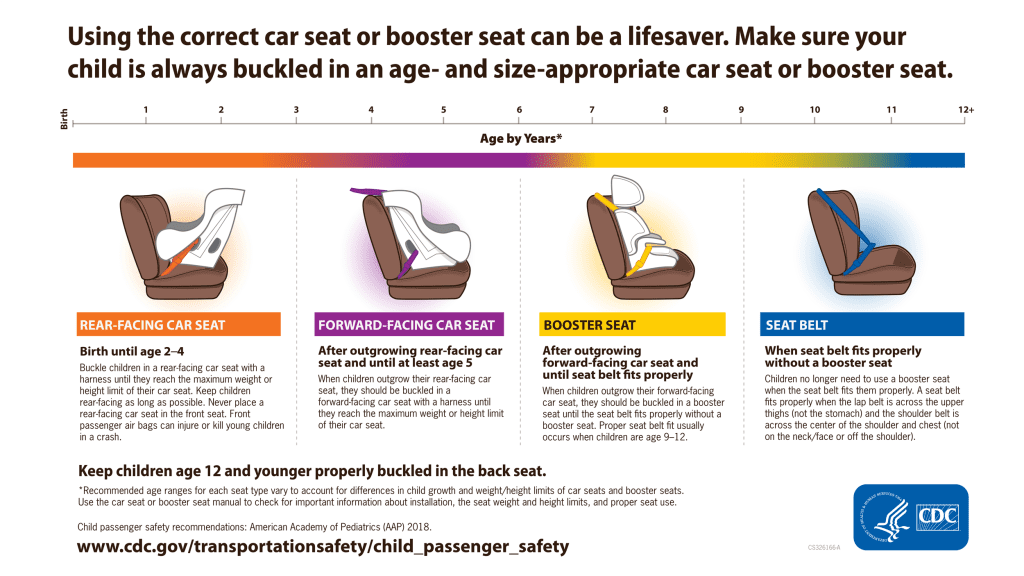
Choosing the right car seat for your infant is vital for safe travel. Understanding the basics helps parents make smart decisions. Car seats come in two main types for infants: rear-facing and forward-facing. Each type serves a different purpose and fits specific age and size ranges.
Infants need special protection during car rides. Their bodies are fragile, and their necks cannot support much weight. A properly installed car seat reduces injury risk in accidents. Parents must know which seat suits their baby’s age and weight.
Rear-facing Vs. Forward-facing Seats
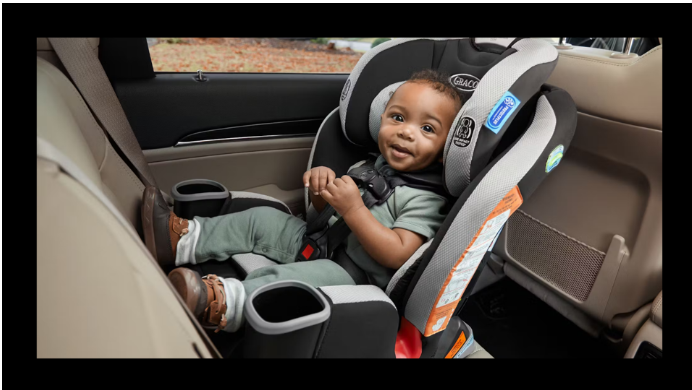
Rear-facing seats face the back of the car. Forward-facing seats face the front. Babies start in rear-facing seats because they offer better protection. The switch to forward-facing happens when the baby grows bigger and stronger.
- Rear-facing seats fit infants and toddlers up to about 2 years old.
- Forward-facing seats are for older toddlers and preschoolers.
- Car seat labels show weight and height limits for each type.
Why Rear-facing Is Safer
Rear-facing seats support the baby’s head, neck, and spine better. In a crash, forces spread across the entire body. The seat cushions the impact, reducing injuries. Forward-facing seats do not protect the neck as well.
The American Academy of Pediatrics recommends rear-facing seats until at least age 2. Keeping babies rear-facing longer helps protect their developing bodies. It is the safest choice for infants during car travel.
Credit: v2v-logistics.com
Age And Weight Guidelines
Understanding when babies can sit forward in a car seat depends mainly on age and weight. These two factors ensure safety and proper support during travel. Following guidelines helps protect your child from injury.
Recommended Age For Forward-facing
Most experts suggest keeping babies rear-facing until at least 2 years old. This position offers better protection for the head, neck, and spine. Some children can switch to forward-facing after 2 years, but only if they meet weight and height limits.
Many safety organizations recommend waiting until your child is at least 24 months old. This allows their body to develop enough to handle forward-facing positions safely.
Weight Limits To Consider
Weight limits vary by car seat model. Usually, rear-facing car seats support children up to 40 pounds. Once your baby exceeds this, it may be time to consider forward-facing.
Check the car seat manual for exact weight restrictions. Some forward-facing seats accommodate up to 65 pounds or more.
- Rear-facing weight limit: often 30 to 40 pounds
- Forward-facing minimum weight: typically 20 to 22 pounds
- Forward-facing maximum weight: up to 65 pounds or more
Always ensure your child fits within these limits to keep them safe during car rides.
Signs Baby Is Ready To Sit Forward
Knowing when your baby is ready to sit forward in their car seat is crucial for their safety and comfort. It’s not just about age; watching for specific signs in your baby’s development helps you make the right choice. Paying attention to these signs ensures you protect your child while giving them more freedom during travel.
Physical Development Milestones
Your baby needs to have strong neck and head control before sitting forward. Usually, this means they can hold their head steady without wobbling for several seconds when supported. You might notice they can sit upright with minimal support during playtime or tummy time.
Look for the ability to sit independently or with very little help. This milestone typically occurs around 6 months but varies for every child. If your baby still leans heavily to one side or needs constant support, they aren’t ready yet.
Check if your baby can push up on their hands and knees and has good muscle tone in their back. These skills indicate the strength needed to handle the forward-facing position safely. If these are missing, waiting a bit longer is the safer choice.
Behavioral Indicators
Observe how your baby reacts to their current car seat position. If they seem uncomfortable or frustrated in the rear-facing seat, it might be a sign they’re ready to face forward. However, discomfort alone isn’t enough; it must be paired with physical readiness.
Your baby’s curiosity can also give clues. Are they reaching out to see more or turning their head frequently to look around? This eagerness to explore can mean they’re ready for a new perspective in the car seat.
Notice their tolerance for longer rides. If your baby starts fussing or becoming restless, a forward-facing seat might help them feel less confined. But remember, patience is key—rushing this transition can compromise safety.
Safety Tips For Forward-facing Seats
Using a forward-facing car seat is a big step for your baby, but it comes with important safety considerations. Ensuring your child is properly secured can make a huge difference in protecting them during travel. Let’s focus on key tips that help you keep your little one safe and comfortable in a forward-facing seat.
Proper Harness Positioning
The harness is your child’s lifeline in a crash. It should lie flat without twists and be snug enough that you cannot pinch any slack at the shoulder.
Position the harness straps at or just above your child’s shoulders. This placement keeps your baby securely in place without restricting movement.
Have you ever struggled with adjusting the straps? Taking a moment to double-check the fit every time you buckle up can prevent serious injuries. A correctly positioned harness distributes crash forces evenly and reduces the risk of ejection.
Securing The Car Seat Correctly
Installing the car seat firmly is just as crucial as proper harnessing. Use the vehicle’s seat belt or LATCH system according to the manufacturer’s guidelines.
After installation, shake the seat at the base. If it moves more than an inch side to side or front to back, it’s not tight enough. This simple test can save your child’s life.
Think about your last car trip—did you check the seat’s stability each time? Making it a habit ensures your child stays as safe as possible in every ride.
Common Mistakes To Avoid
Parents often make mistakes with car seats. These errors can risk a child’s safety. Avoiding these mistakes ensures the best protection for your little one.
Switching Too Early
Many parents switch to a forward-facing seat too soon. Babies should remain rear-facing until age two. This position offers better head and neck support. Always follow car seat manufacturer guidelines. Check weight and height limits before switching.
Incorrect Installation
Improper installation is a common mistake. Ensure the car seat is tightly secured. Wiggle it side-to-side and front-to-back. It should not move more than an inch. Always use the tether strap if available. Ensure it is properly attached for added safety.
Read the car seat manual carefully. Every seat has unique installation instructions. Double-check the angle of the seat. Use the built-in level indicators if available. Proper installation is crucial for your child’s safety.

Credit: maxicosi.com
Legal Regulations And Recommendations
Knowing the legal regulations and recommendations helps parents keep babies safe in car seats. Rules vary by location and are based on research about child safety. Following these rules ensures correct timing for switching a baby to a forward-facing car seat.
State And Country Laws
Each state or country sets its own laws about car seat use. Many require infants to ride rear-facing until at least 2 years old. Some places use height and weight limits to decide when to switch to forward-facing.
Parents must check local laws before changing car seat positions. Authorities may impose fines for not following these rules. Laws aim to reduce injury risks during car trips.
Guidelines From Safety Organizations
Safety groups offer clear advice on when babies can sit forward in car seats. They recommend keeping children rear-facing as long as possible. This position better protects the head, neck, and spine.
Organizations like the American Academy of Pediatrics suggest waiting until the child is at least 2 years old. They also advise checking the car seat’s height and weight limits. Following these guidelines adds an extra layer of safety beyond legal rules.
Transitioning Beyond Forward-facing Seats
Moving beyond forward-facing car seats is an important milestone in your child’s car safety journey. It’s a step that requires careful timing and preparation to ensure your child remains protected while gaining more independence during travel. Knowing when and how to transition can make the process smoother and safer for both you and your little one.
When To Move To Booster Seats
You should consider switching to a booster seat only after your child has outgrown the height or weight limits of their forward-facing car seat. Most forward-facing seats have limits around 40 to 65 pounds, but it’s crucial to check the specific guidelines of your car seat model.
Is your child tall enough to sit with their back against the vehicle seat and their knees bent at the edge? If not, they likely need to stay in a forward-facing seat a bit longer. Remember, booster seats are designed to position the vehicle’s seat belt correctly across your child’s shoulder and lap, which is only safe when they meet the size requirements.
Preparing Your Child For The Next Step
Transitioning to a booster seat can feel like a big change for your child. Talk to them about the new seat and explain why it’s important for their safety. This helps reduce any anxiety they might have about the change.
Try letting your child sit in the booster seat at home first, so they get comfortable with it. Encourage them to practice sitting properly with the seat belt positioned correctly across their chest and hips.
Ask yourself: How can you make this change exciting instead of scary? Maybe let your child pick out a booster seat cover or a favorite toy to bring along. These small steps can make the transition feel more positive and less like a chore.

Credit: www.thule.com
Frequently Asked Questions
When Is It Safe For Babies To Sit Forward In Car Seats?
Babies can sit forward in car seats after reaching at least 2 years old. They should also meet the car seat’s height and weight limits. Rear-facing seats provide better protection for younger infants and toddlers.
Why Keep Babies Rear-facing In Car Seats Longer?
Rear-facing seats support a baby’s head, neck, and spine better during collisions. This position reduces injury risk. Experts recommend rear-facing until at least age 2 or until the car seat’s limits are reached.
What Are The Risks Of Early Forward-facing Car Seat Use?
Turning babies forward too soon can increase injury risk in crashes. Forward-facing seats expose the neck and spine to greater force. Always follow manufacturer guidelines and safety recommendations for timing.
How To Know If My Baby Is Ready For Forward-facing Seat?
Check your baby’s age, weight, and height against the car seat’s limits. Ensure they have good head and neck control. Consult your pediatrician or car seat manual for personalized advice.
Conclusion
Babies should stay rear-facing until they reach the right age and size. This keeps them safer during car rides. Most experts say to wait until the baby is at least two years old. Always check your car seat’s instructions and weight limits.
Every child grows differently, so follow safety guidelines carefully. Keeping your baby secure means fewer worries on the road. Safety first, always. Your baby’s comfort and protection matter most. Remember, forward-facing too early can be risky. Take your time and stay informed.