
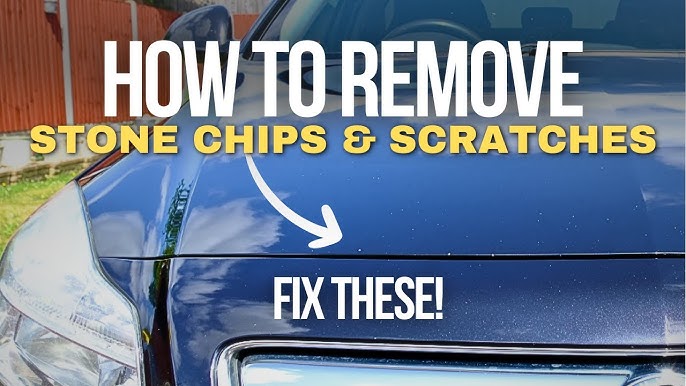
Scratches on your car can be frustrating to see every time you look at it. But what if you could fix those scratches yourself without spending a fortune?
You don’t need to be a car expert or visit a body shop to make your car look smooth and shiny again. You’ll discover simple and effective ways to polish out scratches on your car. Keep reading, and you’ll learn how to bring back that fresh, clean look your car deserves—quickly and easily.
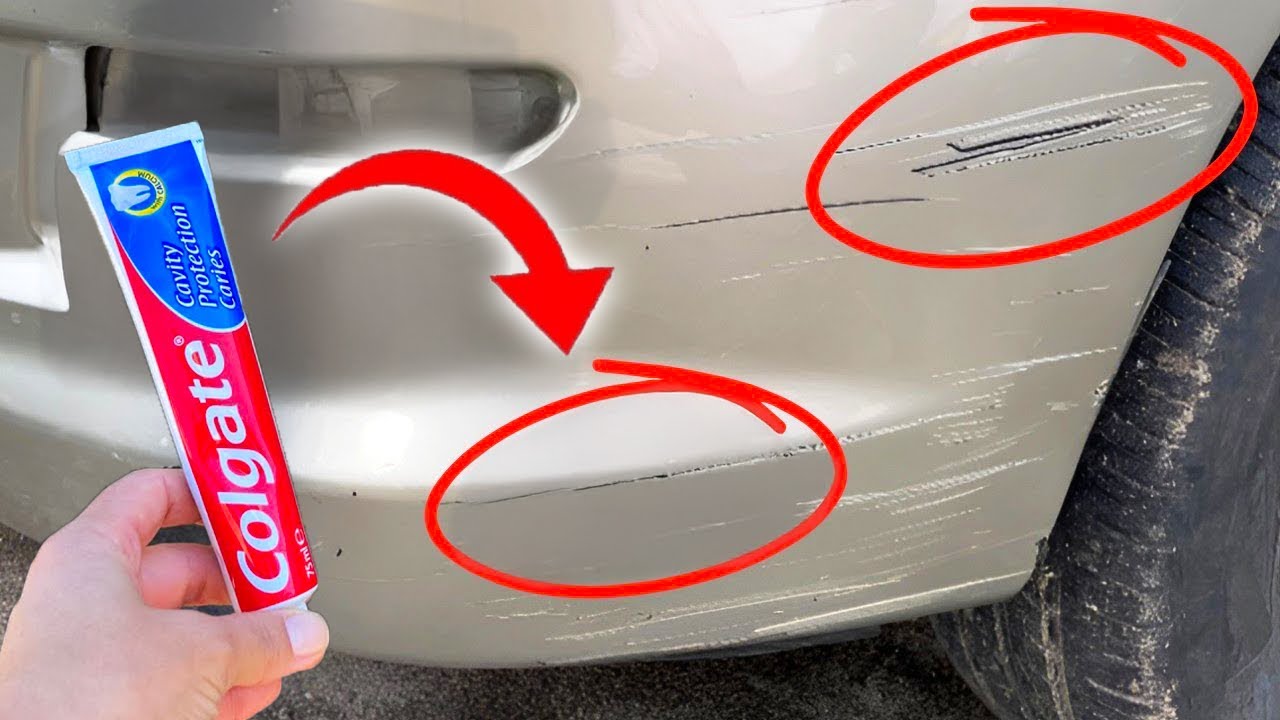
Credit: www.youtube.com
Identify Scratch Types
Identifying the type of scratch on your car is important before you start polishing. Different scratches need different care and products. Knowing the scratch type helps to choose the right method to fix it. This saves time and avoids damage to your car’s paint.
Surface Scratches
Surface scratches are light marks on the clear coat of the car. They usually do not go deep into the paint. You can often feel them with your fingernail but they don’t catch on it. These scratches can be polished out easily using mild rubbing compounds or polish. They mostly appear from small brushes with branches or car washes.
Deep Scratches
Deep scratches cut through the paint and sometimes expose the metal underneath. These scratches feel rough and catch your fingernail strongly. They may show the primer or bare metal color. Deep scratches need more attention. Polishing alone may not fix them fully. You might need touch-up paint or professional repair to prevent rust.
Paint Transfer
Paint transfer happens when another object’s paint sticks to your car’s surface. It looks like colored streaks or spots on the paint. The car’s own paint is not damaged but covered. Paint transfer can be removed with special cleaners or polish. Avoid harsh scrubbing to prevent scratching your car further.
Gather Required Materials
Gathering the right materials is the first step to polishing out scratches on a car. Having all tools ready saves time and ensures a smooth process. Each material plays a key role in removing scratches effectively. Understanding their use helps achieve a shiny, scratch-free finish.
Polishing Compounds
Polishing compounds are essential for removing surface scratches. They come in different types depending on scratch depth. Choose a compound designed for automotive paint. These compounds smooth out the clear coat and blend scratches.
Use a fine or medium compound for light to moderate scratches. Heavy scratches may need a more abrasive compound. Always read product instructions before use for best results.
Microfiber Cloths
Microfiber cloths are soft and gentle on car paint. They help apply and remove polishing compounds without causing new scratches. Use clean cloths to avoid dirt rubbing into the paint.
Keep several cloths handy. One for applying compound and others for buffing and cleaning. Microfiber cloths absorb polish well and leave a smooth finish.
Sandpaper And Buffers
Sandpaper is used for deep scratches that polish alone cannot fix. Wet sanding with fine grit sandpaper smooths rough edges. Choose grit between 1500 and 3000 for car paint work.
Buffers speed up polishing and give an even shine. Use a dual-action buffer for safer results. Buffers help apply compounds evenly and reduce effort. Handle buffers carefully to avoid paint damage.
Prepare The Car Surface
Before you dive into polishing out scratches on your car, you need to prepare the surface properly. Skipping this step can lead to uneven results or even make scratches worse. A clean, wax-free surface ensures the polish adheres well and works effectively.
Wash And Dry
Start by giving your car a thorough wash. Use a car-specific shampoo and plenty of water to remove dirt and grime. Avoid household detergents as they can strip away protective layers and harm the paint.
After washing, dry your car completely with a clean microfiber towel. Leaving water spots can affect how the polish spreads and performs. Take your time here—rushing can leave behind water marks that interfere with the next steps.
Remove Wax And Dirt
Even if your car looks clean, wax and old polish residues can block the polish from reaching the paint. Use a dedicated wax remover or a mixture of isopropyl alcohol and water to wipe down the surface.
This step might feel tedious, but it’s crucial. I once skipped this and noticed the polish didn’t bond properly, leaving streaks and uneven shine. Don’t let that happen to you.
Make sure you cover the entire area you plan to polish. This creates a fresh canvas and helps you see the scratches clearly before you start working on them.

Credit: www.youtube.com
Apply Scratch Removal Techniques
Polish scratches on your car by gently rubbing a scratch removal product into the affected area. Use a soft cloth in small, circular motions for best results. This helps smooth the surface and reduce the appearance of scratches quickly.
Applying scratch removal techniques can bring back your car’s shine. Minor scratches can often be polished out with the right methods. These methods vary based on the scratch depth. Let’s explore some effective techniques.Using Polishing Compound
A polishing compound is great for light surface scratches. First, clean the area with soap and water. Dry it thoroughly. Apply a small amount of the compound to a microfiber cloth. Rub it onto the scratch in a circular motion. Apply gentle pressure. After a few minutes, wipe the area clean. Check if the scratch is less visible. Repeat if necessary.Wet Sanding For Deep Scratches
Deep scratches need a more intense method. Wet sanding can help. Start by soaking fine sandpaper in water for a few minutes. Gently sand the scratch, keeping the area wet. Use light pressure. This smooths the scratch edges. After sanding, clean the area. Then, use a polishing compound to restore shine. Be careful not to sand too much.Buffing With A Machine
For large or stubborn scratches, a machine buffer works well. Apply a small amount of polish to the machine pad. Turn on the buffer at a low speed. Glide it over the scratch in a circular motion. Keep the buffer moving to avoid burning the paint. After buffing, clean the area with a soft cloth. This method gives a professional finish.Check Your Progress
Checking your progress is essential to polish out scratches effectively. It helps you see how much improvement you have made and decide if more work is needed. Regular inspection ensures the best results and protects your car’s paint.
Inspect In Different Lighting
Look at the polished area under various lights. Sunlight, shade, and indoor lighting show different details. Some scratches may only appear in bright light. Move your car or change your position to catch every angle. This way, you avoid missing any spots that need more polishing.
Repeat Steps If Needed
Polishing may not remove all scratches in one try. If you still see marks, repeat the process gently. Use a clean cloth and the same polish product. Do not rush or press too hard. Multiple light passes often work better than one harsh one. Patience helps achieve a smooth, shiny finish.
Protect The Polished Surface
After you’ve polished out the scratches on your car, the job isn’t over. Protecting the polished surface is essential to keep your car looking fresh and prevent new damage. Without proper protection, the shine you worked hard to achieve can fade quickly, and the surface becomes vulnerable to dirt, UV rays, and moisture.
Apply Wax Or Sealant
Wax or sealant creates a barrier that shields your polished paint from environmental damage. Wax tends to give a deeper shine but lasts for a shorter time, usually a few weeks. Sealants, on the other hand, offer longer-lasting protection, often up to several months, and provide a more durable shield.
Choose a product that suits your lifestyle. If you drive daily in harsh weather, a sealant might serve you better. Applying wax or sealant is simple—just use a soft applicator pad in small circular motions, then buff off with a microfiber cloth. Have you ever noticed how a freshly waxed car almost glows under sunlight? That’s the kind of brilliance you want to keep.
Maintain Regular Care
Keeping your car’s polished surface protected doesn’t stop at applying wax or sealant once. Regular care is necessary to extend the life of the protection. Washing your car frequently removes dirt and contaminants that can wear down the protective layer.
- Use pH-balanced car shampoo to avoid stripping wax or sealant
- Dry your car thoroughly to prevent water spots
- Reapply wax or sealant every few weeks or as recommended
Think about how often you drive your car and the conditions it faces. Does it make sense to skip maintenance and risk losing that polished look? A little effort regularly keeps scratches at bay and your car’s finish flawless.

Credit: www.amazon.ca
Frequently Asked Questions
How Do I Polish Out Minor Car Scratches?
To polish out minor car scratches, clean the area first. Use a fine polishing compound with a microfiber cloth. Apply in circular motions gently until the scratch fades. Finish with a wax to protect the surface and restore shine.
Can Polishing Remove Deep Scratches On Cars?
Polishing can reduce the appearance of shallow scratches but won’t remove deep ones. Deep scratches may need professional repair or repainting to restore the surface fully.
What Materials Do I Need For Car Scratch Polishing?
You need a microfiber cloth, a fine polishing compound, car wax, and water. Optional: a dual-action polisher for even application and better results.
How Often Should I Polish My Car To Remove Scratches?
Polish your car every 3 to 6 months to maintain its finish. Avoid over-polishing as it can wear down the clear coat.
Conclusion
Polishing out scratches can bring back your car’s shine. Small scratches often disappear with the right polish and tools. Take your time and follow the steps carefully. Clean and dry the area before you start. Use gentle, circular motions for the best results.
Regular care helps keep your car looking fresh and smooth. Remember, patience and practice improve your polishing skills. Your car will look better, and you will feel proud. A little effort goes a long way in car care. Keep your vehicle shining bright every day.