
Are you wondering when it’s safe and best for your child to face forward in their car seat? You want to keep your little one as safe as possible, but the rules and recommendations can feel confusing.
Knowing the right time to switch from rear-facing to forward-facing can make a big difference in protecting your child during every car ride. You’ll discover clear, easy-to-follow guidelines that help you make the best decision for your child’s safety. Keep reading to learn exactly when and why to turn that car seat forward—and give yourself peace of mind on the road.

Credit: orbitbaby.com
Rear-facing Car Seat Benefits
Rear-facing car seats offer the best protection for young children during car rides. Experts recommend keeping kids rear-facing as long as possible. This position supports their head, neck, and spine better than forward-facing seats. It reduces the risk of serious injury in accidents.
Protection For Young Children
Children’s bodies are still developing and are more fragile. Rear-facing seats hold the child’s body securely. The seat absorbs the force of a crash and spreads it across the entire back. This reduces the pressure on the neck and spine. It keeps the child safer than sitting forward-facing too soon.
Crash Impact And Injury Prevention
In a crash, a child’s head can move violently forward. Rear-facing seats prevent this by cradling the head and body. They reduce the chance of head injuries and spinal damage. Studies show children in rear-facing seats have fewer injuries in crashes. This seating position is the safest choice for toddlers and infants.
Recommended Age And Weight Limits
Understanding the recommended age and weight limits for turning a child’s car seat forward is vital. Safety experts agree that children should stay in rear-facing seats as long as possible. This position offers the best protection for their heads, necks, and spines. Knowing the current safety guidelines and following the manufacturer’s rules helps keep children safe during car rides.
Current Safety Guidelines
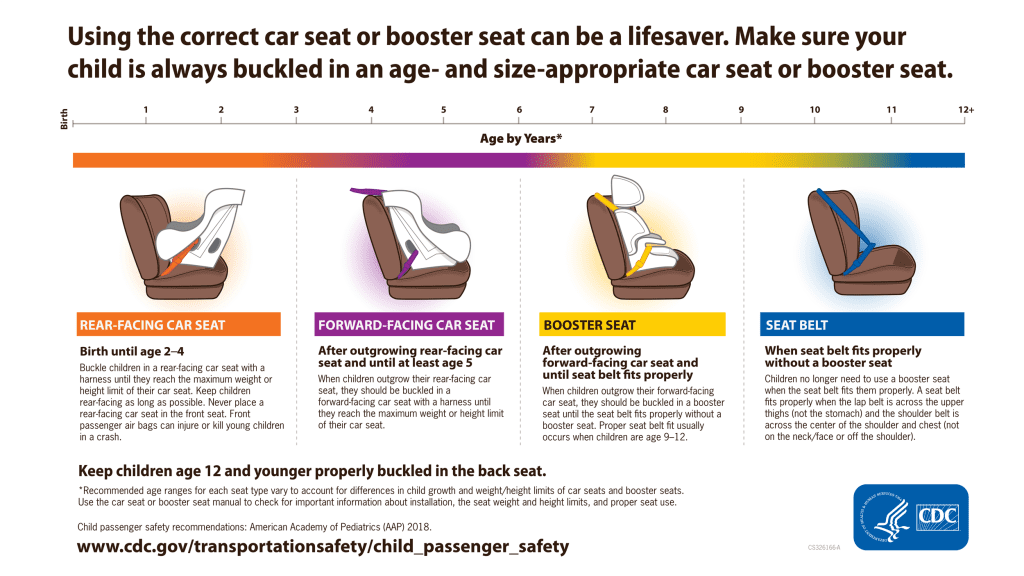
Safety organizations suggest children remain rear-facing until at least age 2. Many recommend waiting until they reach the highest weight or height allowed by the seat. The American Academy of Pediatrics advises keeping kids rear-facing for as long as the car seat permits. This often means children stay rear-facing until they weigh between 30 and 40 pounds. Rear-facing seats absorb crash forces better and protect delicate body parts.
Manufacturer Specifications
Each car seat brand sets its own limits for forward-facing use. These limits include minimum and maximum weight and height. Parents must check the car seat manual carefully. Some seats allow children to turn forward at 20 pounds, others at 22 or more. Height limits usually range between 29 and 32 inches. Following these guidelines ensures the seat fits correctly and protects the child in a crash.
Signs To Switch To Forward-facing
Knowing when to switch your child to a forward-facing car seat can feel confusing. It’s not just about age but a mix of physical and behavioral signs. Watching for these clues helps keep your little one safe and comfortable on every ride.
Physical Growth Indicators
Your child’s size plays a big role in deciding when to turn the car seat forward. Most kids are ready when they reach the top height or weight limit of their rear-facing seat. This might be around 40 pounds or 40 inches tall, but always check your car seat’s specific guidelines.
Another key sign is your child’s head position. If their head is near or above the top of the seat, it’s time to consider switching. Also, look at their shoulders—if they’re above the harness slots, forward-facing is the safer option.
Behavioral And Comfort Factors
Your child’s behavior can tell you a lot about their comfort in the seat. If they’re constantly trying to lean forward or squirm out of the straps, they might be ready for the switch. Comfort matters because a restless child can distract you and increase safety risks.
Think about how your child reacts during longer trips. Do they seem cramped or unhappy in their current position? Sometimes, kids show they’re ready by simply wanting to see out the window more easily. Have you noticed your child asking to face forward?
Choosing The Right Forward-facing Seat
Choosing the right forward-facing seat is key to your child’s safety and comfort in the car. The seat must fit your child’s size, weight, and age. It should install easily and securely in your vehicle. A good seat helps protect your child during every trip. Understanding the types of seats and harness systems helps you make a smart choice.
Types Of Forward-facing Seats
Forward-facing seats come in several styles, each with unique features. Some seats are convertible, shifting from rear-facing to forward-facing. Others are designed only for forward use. Booster seats are for older children who have outgrown harness seats but are not ready for seat belts alone.
- Convertible Seats:Use rear-facing first, then switch forward-facing.
- Combination Seats:Forward-facing with a harness, later convert to booster.
- Booster Seats:Raise the child to fit the vehicle’s seat belt correctly.
Choose a seat that fits your child’s current size. Check the label for weight and height limits. Look for seats with good safety ratings.
Harness Systems And Installation Tips
Most forward-facing seats use a five-point harness. This system has straps over the shoulders, hips, and between the legs. It keeps the child secure in the seat. Proper harness fit is essential for safety.
- Adjust harness height to match your child’s shoulders.
- Straps should be snug, with no slack.
- Chest clip should be at armpit level.
Install the seat tightly using the vehicle’s seat belt or LATCH system. The seat should not move more than one inch side-to-side or front-to-back. Read the seat manual and vehicle guide carefully. Check installation regularly to maintain safety.
Common Mistakes To Avoid
Understanding the common mistakes parents make when transitioning their kids to forward-facing car seats can save lives. Many rush this step or overlook crucial safety details, putting their children at risk. Let’s break down key errors and how to avoid them, ensuring your child’s ride is both safe and comfortable.
Premature Transition Risks
Switching your child to a forward-facing seat too early can have serious consequences. Children’s neck muscles and bones are still developing, and rear-facing seats provide better support during sudden stops or crashes.
Have you noticed how some parents switch their toddlers forward-facing as soon as they hit two years old? This is often before the child reaches the seat’s height or weight limits. Ignoring these limits means losing the extra protection that rear-facing seats offer.
To avoid this, check your car seat’s manual carefully. Keep your child rear-facing until they clearly outgrow the seat’s rear-facing limits, not just because they’ve reached a certain age.
Incorrect Seat Installation
Even the safest car seat won’t protect your child if it’s installed incorrectly. Many parents struggle with tightness and angle adjustments, which can reduce the seat’s effectiveness.
Did you know that a seat that moves more than an inch side-to-side or front-to-back is considered improperly installed? This movement can increase injury risk during a crash.
- Always read the installation instructions thoroughly before starting.
- Use either the seatbelt or LATCH system, not both, unless the manual says it’s allowed.
- After installation, test the seat by trying to move it at the base – it should not shift more than one inch.
If you’re unsure, many local fire stations or hospitals offer free car seat checks. Have you ever had someone double-check your installation? It might be worth it to ensure your child’s safety.
State Laws And Regulations
Understanding the state laws and regulations about when kids can face forward in car seats is crucial for every parent and caregiver. These laws are designed to keep your child safe and vary widely depending on where you live. Knowing the specific rules helps you make the right choices and avoid unnecessary risks or fines.
Legal Requirements By Region
Each state or region sets its own minimum age, weight, and height requirements for turning a child’s car seat to face forward. Some states require children to remain rear-facing until at least 2 years old, while others allow forward-facing at younger ages if the child meets certain weight limits.
Here’s a quick look at how these rules differ:
| Region | Minimum Age to Face Forward | Weight/Height Requirements |
|---|---|---|
| California | 2 years | Child must remain rear-facing until 40 lbs |
| Texas | 1 year | Minimum 20 lbs to face forward |
| New York | 2 years | Rear-facing until 30 lbs |
| Florida | 1 year | At least 20 lbs and 1 year old |
Have you checked your state’s specific rules lately? Laws often change, and staying updated ensures your child’s safety.
Penalties For Non-compliance
Ignoring car seat regulations can lead to fines, points on your license, or even court appearances. These penalties vary but can be surprisingly steep. More importantly, non-compliance puts your child at greater risk in the event of an accident.
Many parents don’t realize how seriously law enforcement takes car seat violations. You might think a small fine is the worst outcome, but some states impose fines over $200 or require mandatory safety courses.
Would you risk a penalty or, worse, your child’s safety just to save a few minutes switching the seat forward? Following the law is not just about avoiding punishment—it’s about protecting what matters most.
Tips For Ensuring Car Seat Safety
Understanding when kids can face forward in car seats is crucial for safety. Typically, children should remain rear-facing until at least age two or until they reach the seat’s height and weight limits. Always check the car seat’s manual for specific guidelines.
Ensuring your child’s safety on the road is a top priority. One way to achieve this is by making sure their car seat is properly installed and maintained. Here are some practical tips to help you keep your child’s car seat safe and secure.Regular Seat Inspections
Regular checks are crucial. Examine the car seat for any wear and tear. Look for loose parts or frayed straps that might compromise safety. Consider setting a reminder to inspect the seat monthly. This habit ensures that any potential issues are caught early. Your vigilance can make a significant difference.Professional Installation Assistance
Don’t hesitate to seek expert help. Many parents find peace of mind in having a professional install the car seat. Certified technicians can provide guidance and ensure everything is secure. Check if there are local workshops or events where professionals offer installation services. This can be a great opportunity to learn and ask questions. Remember, it’s perfectly okay to ask for help when it comes to your child’s safety. When was the last time you checked your child’s car seat? Taking these steps can make your journey safer and more enjoyable.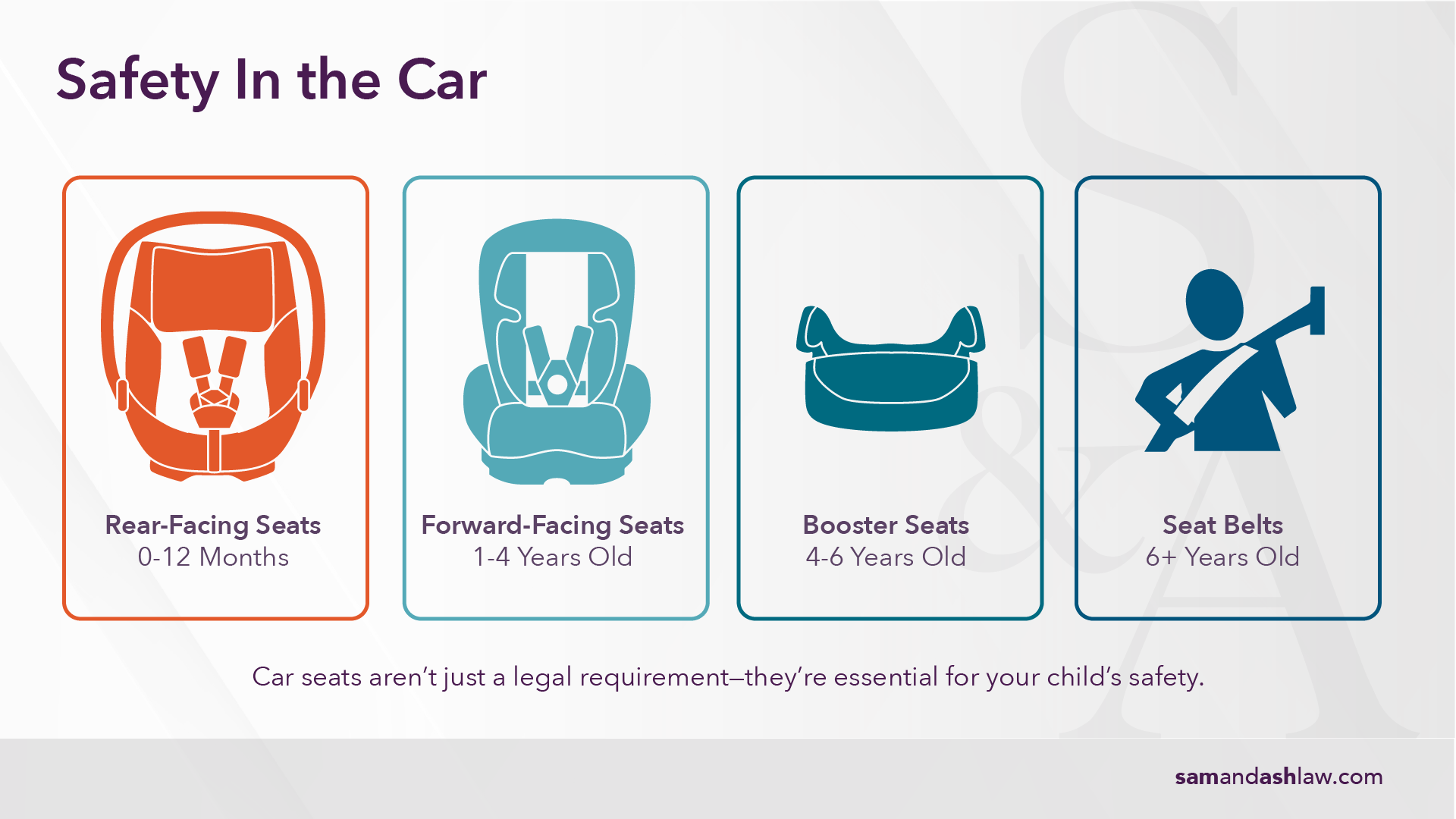
Credit: samandashlaw.com

Credit: uppababy.com
Frequently Asked Questions
When Can Kids Switch To Forward-facing Car Seats?
Kids can switch to forward-facing car seats once they outgrow rear-facing limits. This is usually after age 2 but varies by seat and child size. Always follow your car seat’s height and weight guidelines for safe transition timing.
Why Keep Toddlers Rear-facing Longer?
Rear-facing seats protect toddlers’ heads, necks, and spines better in crashes. Keeping kids rear-facing until at least age 2 reduces injury risk. Experts recommend staying rear-facing as long as possible within seat limits for maximum safety.
What Are Height And Weight Limits For Forward-facing Seats?
Forward-facing seats have specific height and weight limits set by manufacturers. Typically, kids can face forward after reaching the rear-facing weight or height maximum. Always check your car seat manual to confirm exact limits before switching positions.
Are Forward-facing Seats Safe For Young Children?
Yes, forward-facing seats are safe if used according to guidelines. Proper installation and harness use are critical. Children should remain rear-facing until they exceed limits, then move to forward-facing seats with a five-point harness for added protection.
Conclusion
Choosing the right time to turn your child forward in their car seat matters. Safety experts say children should stay rear-facing until at least age two. This position protects their head and neck during a crash. Every child grows at a different pace, so check your car seat’s weight and height limits.
Always follow the car seat manual for the best guidance. Remember, keeping kids rear-facing longer helps keep them safer on the road. Your child’s safety is worth the extra care and attention.