
Have you ever wondered why baby car seats come with an expiration date? You might think once you buy one, it’s good for years, but that’s not the case.
Your baby’s safety depends on using a car seat that works perfectly, and over time, these seats can lose their protection power. You’ll discover the real reasons behind car seat expiration and why it’s so important to pay attention to those dates.
Keep reading to make sure you’re keeping your little one as safe as possible every time you hit the road.
Reasons For Baby Car Seat Expiration
Understanding why baby car seats expire is crucial for your child’s safety. These seats are designed to protect your little one during travel, but over time, their effectiveness can decrease. Let’s look at the main reasons behind their expiration and why you should pay attention to them.
Material Wear And Tear
Baby car seats endure a lot of stress from regular use. Straps can fray, padding can compress, and plastic components may weaken or crack. Even if the seat looks fine on the outside, hidden damage can reduce its ability to protect your child in a crash.
Think about how often your car seat gets installed and removed, or exposed to sunlight and temperature changes. These factors gradually degrade the materials, making the seat less reliable over time.
Safety Standards Updates
Safety regulations are constantly evolving to keep up with new research and crash test results. A seat that met standards five years ago might not comply with the latest requirements. Using an expired seat means your child misses out on improved protections introduced in newer models.
Have you checked if your car seat’s model still meets current safety standards? Staying informed ensures you’re not unknowingly putting your child at risk with outdated equipment.
Technological Advancements
Car seat technology keeps advancing, offering better crash protection and easier installation features. New designs improve side-impact protection, use stronger materials, and incorporate smart sensors that alert you to installation errors.
Holding onto an old seat means missing these improvements. Imagine the peace of mind that comes with a seat designed with the latest safety innovations tailored to protect your child better.

Credit: www.thecarmomofficial.com
Risks Of Using Expired Car Seats
Using an expired baby car seat might seem harmless at first. However, the risks tied to expired seats can put your child’s safety in jeopardy. Understanding these risks helps you make better choices for your little one’s protection.
Compromised Structural Integrity
Over time, materials like plastic and foam in car seats weaken. This happens due to everyday wear and exposure to sunlight, heat, and humidity. A seat that has lost its strength may crack or break during a crash, failing to protect your child properly.
I once heard from a parent who ignored the expiration date and found a crack after a minor collision. That tiny crack could have cost their child dearly. Have you checked your car seat’s condition recently?
Reduced Crash Protection
Safety standards evolve, and car seats improve with new technology. An expired seat may lack the latest features designed to absorb impact better or secure your child more effectively. Using outdated equipment means you could be missing out on enhanced protection that newer models provide.
Think about it: Would you want your child riding in gear that doesn’t meet today’s safety benchmarks? Upgrading to a current model ensures you’re giving your child the best defense in an accident.
Potential Recall Issues
Manufacturers sometimes recall car seats due to defects or safety concerns. If your car seat is expired, you might not be able to identify or benefit from these recalls. Moreover, companies often don’t support or replace expired seats under recall programs.
Have you registered your car seat with the manufacturer? It’s a simple step that can keep you informed about recalls. Ignoring expiration could mean missing important safety updates that protect your child.
How To Identify Expiration Dates
Knowing how to identify expiration dates on baby car seats keeps your child safe. Expired seats may not protect well in crashes. Checking the date helps avoid risks and ensures the seat meets safety standards.
Locating The Expiration Label
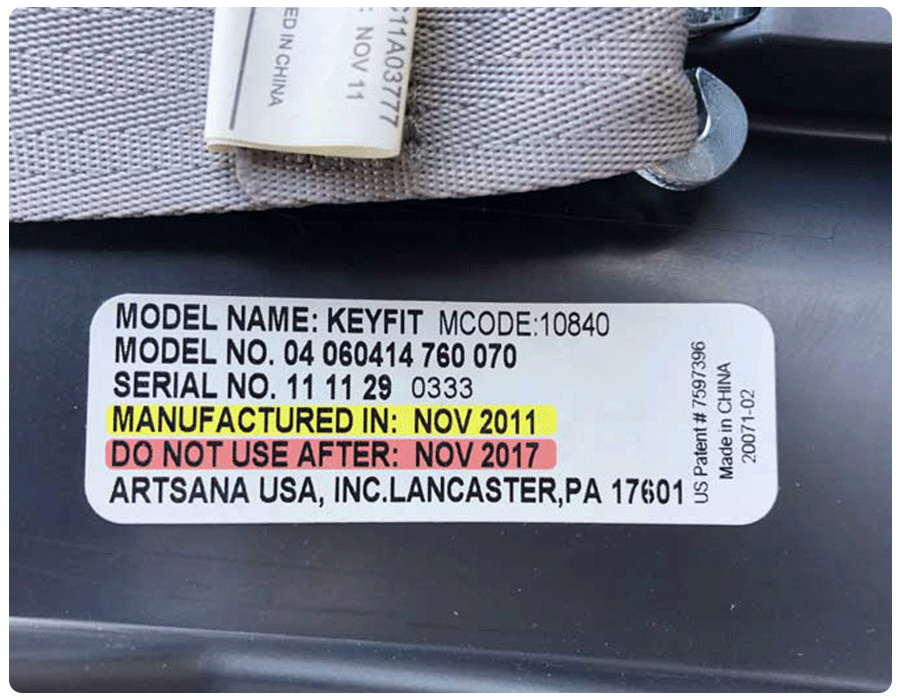
Expiration labels are usually on the car seat’s shell or base. Look at the back or bottom areas. The label may be a sticker or embossed in plastic. Some seats have a metal plate with the date.
Common places to check include:
- Near the belt path
- Under the seat padding
- On the underside of the base
Interpreting Manufacturing Codes
Manufacturers often use codes instead of clear dates. These codes show when the seat was made or expires. You may see a series of numbers and letters.
Example code: “MFG 032018” means made in March 2018. Add the seat’s lifespan (usually 6 years) to find expiration. Some labels show “EXP” followed by the expiration date.
Check your car seat manual for code details. If unsure, contact the manufacturer with the code for clarity.
Car Seat Maintenance Tips
Ensuring the longevity and safety of your baby’s car seat involves more than just securing it in your vehicle. Regular maintenance can make a significant difference in the seat’s lifespan and performance. Proper care not only upholds the manufacturer’s warranty but also ensures your child’s safety. Let’s dive into some essential car seat maintenance tips that can help you keep your baby’s seat in top condition.
Cleaning Guidelines
Keeping your car seat clean is crucial for both hygiene and functionality. Always refer to the manufacturer’s manual for cleaning instructions, as different materials require specific care. Use mild soap and water to clean the fabric, and avoid harsh chemicals that could degrade the materials.
For sticky spills, a little bit of patience goes a long way. Gently scrub the affected area and allow it to air dry completely before use. Remember, a clean car seat doesn’t just look good; it also prevents wear and tear that could compromise safety.
Proper Storage Practices
Storing your car seat correctly when not in use is just as important as its daily care. Avoid leaving it in direct sunlight for extended periods, as UV rays can weaken the plastic and fabric. Instead, store it in a cool, dry place to protect its integrity.
If you’re storing it for the season or between kids, consider using a breathable cover to keep dust and moisture at bay. Proper storage can significantly extend the life of your car seat, making it a wise investment for future use.
Regular Inspections
Routine inspections are essential to ensure your car seat remains safe and secure. Check all straps and buckles regularly for signs of wear or damage. A quick tug on the straps can reveal if there’s any slack that needs adjusting.
Are you noticing any cracks or fading in the plastic? These could be indicators that the seat is nearing the end of its life. Regularly inspecting your car seat can help you catch issues early, ensuring your child stays safe during every ride.
When To Replace Your Baby Car Seat
Knowing when to replace your baby car seat is vital for your child’s safety. Car seats face wear and tear over time, and safety standards evolve. Using an expired or damaged seat puts your child at risk.
Check your car seat regularly. Look for signs of damage or the expiration date. Be aware of any crashes involving the seat. These factors affect the seat’s ability to protect your baby.
After A Crash
Car seats absorb impact during a crash. Even minor accidents can weaken the seat’s structure. The seat might look fine but could be unsafe. Replace the car seat after any crash, no matter the damage level.
Expiration Date Reached
Car seats come with an expiration date from the manufacturer. This date is usually six to ten years after production. Materials break down over time, reducing safety. Never use a car seat past its expiration date.
Visible Damage Or Wear
Inspect your car seat for cracks, broken parts, or frayed straps. Damaged seats may not protect your child properly. Wear and tear can affect the seat’s strength. Replace the seat if you see any visible damage or excessive wear.

Credit: www.safeintheseat.com
Choosing The Right Car Seat
Choosing the right car seat ensures your baby travels safely and comfortably. It is important to select a seat that fits your child’s size and age. A proper fit can protect your child in case of an accident. Car seats also have different features that make them easier to use. Understanding these features helps you find the best option for your family.
Age And Weight Considerations
Car seats come with specific age and weight limits. These limits help keep your child secure. Rear-facing seats work best for infants and toddlers. Forward-facing seats suit older children. Always check the label for the seat’s weight range. Make sure the seat fits your child’s current size.
Safety Ratings And Certifications
Look for car seats with good safety ratings. These ratings come from crash tests and safety checks. Certified seats meet government safety standards. They provide extra peace of mind. Choose a seat with clear labels showing its certification. Safety is the top priority when selecting a car seat.
Ease Of Installation
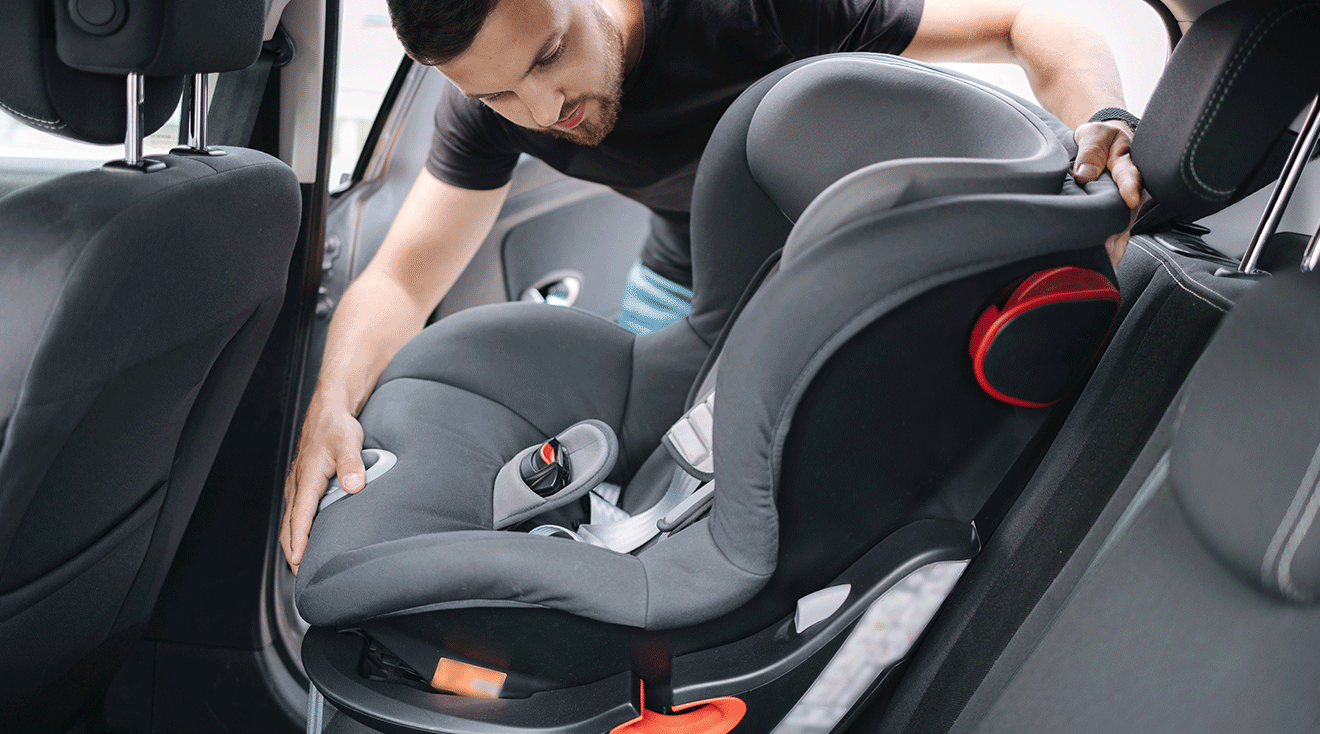
A car seat must be easy to install correctly. Proper installation keeps your child safe. Some seats come with simple latch systems. Others use seat belts for securing. Check for clear instructions and easy-to-use features. Practice installing the seat before your trip. This avoids mistakes and saves time.
Credit: www.thebump.com
Frequently Asked Questions
Why Do Baby Car Seats Have Expiration Dates?
Baby car seats expire due to material wear and safety standard updates. Over time, plastic and straps weaken. Expiration ensures seats meet current crash-test requirements and protect infants effectively.
How Long Do Baby Car Seats Usually Last?
Most baby car seats last between 6 to 10 years. This depends on manufacturer guidelines and usage conditions. After expiration, safety and reliability significantly decrease.
Can Expired Baby Car Seats Still Be Used Safely?
Using expired car seats is not recommended. Worn materials may fail in a crash. Expired seats lack updated safety features and may not protect your baby.
What Factors Cause Baby Car Seats To Expire?
Factors include material degradation, outdated safety technology, and evolving crash-test standards. Exposure to sunlight and temperature changes also weaken seat components, making them unsafe over time.
Conclusion
Baby car seats expire to keep your child safe on every ride. Over time, materials wear out and can fail during crashes. Safety standards also change, making old seats less reliable. Using an expired seat puts your baby at risk.
Always check the expiration date before buying or using a car seat. Replacing it on time ensures better protection. Safety is worth the small effort and cost. Remember, a good car seat saves lives. Keep your child secure with a fresh, approved seat every time.
Safety first, always.